


The spin-off age: How supporting characters now lead the narrative

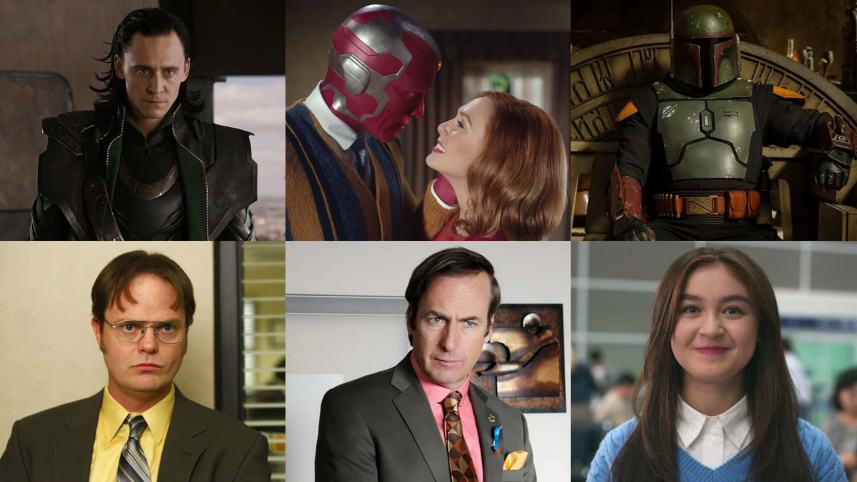
For most of film and television history, supporting characters existed with a clear narrative function: assist the protagonist, provide comic relief, move the plot forward, and quietly exit when the hero’s journey took centre stage. They were memorable, sometimes even beloved, but rarely powerful enough to reshape the story’s structure. Yet the modern entertainment landscape, particularly in the age of sprawling franchises and long-form streaming series, has begun to shift that balance.
Increasingly, supporting characters are becoming the gravitational centres of entirely new narratives. The shift is subtle but significant. Instead of stories revolving around a single protagonist, audiences now engage with fictional worlds where multiple characters can command attention. And when one of those characters resonates strongly enough, studios are often willing to reorganise the storytelling hierarchy around them.

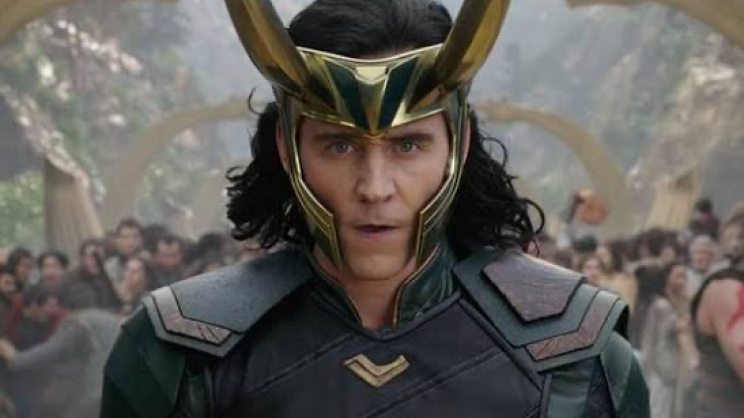
Hollywood’s franchise era offers some of the clearest examples of this transformation. The Marvel Cinematic Universe, arguably the most elaborate franchise structure in modern entertainment, has repeatedly turned supporting characters into central figures. Loki began as a secondary antagonist in “Thor”, functioning primarily as a mischievous foil to the title character. Yet Tom Hiddleston’s performance quickly made him one of the franchise’s most compelling personalities. Loki’s blend of theatrical villainy and emotional vulnerability generated enough audience interest to lead to his own Disney+ series. A supporting villain had effectively become the protagonist of a new branch of the franchise.
The same pattern appears across other Marvel properties. Wanda Maximoff and Vision were initially important, but still secondary, figures within the “Avengers” films. Their emotional arc resonated strongly enough with viewers to inspire “WandaVision”, a series that reframed them not as side characters but as the centre of a surreal, genre-bending narrative. The show extended their story while repositioning them within the wider Marvel hierarchy.
“Star Wars” has undergone a similar transformation. Characters who once appeared on the periphery of the original films now carry entire series. Boba Fett, despite having limited screen time in the original trilogy, became a cult favourite largely through fan fascination. Decades later, that fascination materialised into “The Book of Boba Fett”, a show built around a character whose original narrative presence was strikingly brief.

Perhaps the most vivid recent example is Grogu, also known to audiences as Baby Yoda, in “The Mandalorian”. Introduced as a mysterious companion rather than the narrative driver, Grogu rapidly became the emotional anchor of the series. His popularity was so immediate that it reshaped how the show itself was discussed and marketed. In many ways, the supporting figure became the symbolic heart of the franchise’s new era.

Streaming platforms have played a major role in enabling this dynamic. Unlike traditional cinema, which relies more heavily on self-contained narratives, streaming ecosystems encourage expansion. A character who connects with viewers can be developed into a spin-off series without replacing the original storyline. Instead of one narrative lane, franchises can build entire networks of interconnected stories.
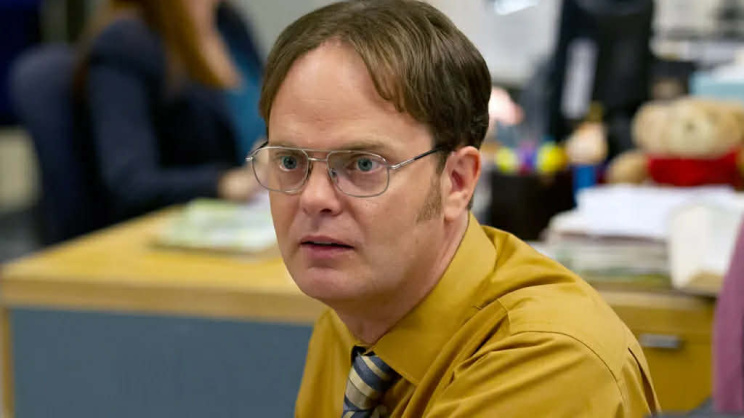
This model has also influenced television series that were not originally conceived as franchises. In ensemble shows, writers often discover that audience attachment does not always align with narrative intention. When that happens, supporting characters can gradually migrate towards the centre. “The Office” offers a classic example. While the show’s early emotional arc revolves largely around Jim and Pam’s romance and Michael Scott’s chaotic management style, characters such as Dwight Schrute evolved into some of its defining figures. Dwight’s eccentric intensity and absurd loyalty turned him into a cultural icon, to the point that potential spin-offs centred on him were actively discussed.
A similar shift occurred with “Young Sheldon”. In “The Big Bang Theory”, Sheldon Cooper was already one of the show’s most prominent personalities, but his story existed within an ensemble structure where multiple characters shared narrative weight. His eccentricities, obsessive routines, social awkwardness and intellectual confidence were largely played for comedic effect. Yet those traits generated enough curiosity to justify an entirely new show exploring his childhood. “Young Sheldon” takes a character audiences already know and rewinds the narrative to examine how he became the person viewers first met in the original series.
This logic extends to “Better Call Saul”. When Saul Goodman first appeared in “Breaking Bad”, he was introduced as a sleazy but entertaining lawyer helping Walter White and Jesse Pinkman navigate their increasingly dangerous criminal world. He was comic relief with a dark edge, a memorable personality who brightened scenes but clearly belonged to the background of Walter White’s larger story. Yet his charisma and moral ambiguity made him fascinating enough for a spin-off. “Better Call Saul” took that secondary character and constructed an entire narrative around his transformation. What began as a quirky side character became the emotional and psychological centre of one of television’s most acclaimed dramas.
The rise of supporting characters also reflects a broader shift in how audiences consume stories. Viewers no longer simply follow a plot; they explore fictional worlds. Fan communities analyse side characters, turn them into memes, and circulate clips highlighting their most memorable moments. In this environment, even a brief but distinctive performance can spark widespread fascination. Social media accelerates this process dramatically. A single scene, reaction shot, clever line or expression can circulate widely online, transforming a secondary character into a cultural talking point. Once that attention reaches critical mass, studios begin to recognise the commercial value of expanding the character’s role.
Netflix’s “XO, Kitty” is one of the clearest examples of this transformation. The show exists because audiences embraced Kitty Song Covey in the “To All the Boys I’ve Loved Before” films. In the original trilogy, Kitty functioned primarily as the mischievous younger sister nudging Lara Jean’s romantic life forward.
She was funny, sharp and slightly chaotic, the kind of supporting character designed to energise the story. But audiences responded strongly to her personality, and Netflix recognised the opportunity to extend the franchise through her perspective. “XO, Kitty” effectively flips the narrative hierarchy. The character who once observed the love story from the sidelines now gets to experience one of her own.
“The Boys” universe has adopted a comparable approach. While the main series focuses on its central ensemble battling corrupt superheroes, the spin-off “Gen V” shifts attention to a new group of characters within the same universe. Though not directly supporting characters from the original show, the series depends entirely on the narrative groundwork laid by “The Boys”. Figures who might otherwise have remained minor within the broader world now become the focal point of their own storylines. The franchise expands horizontally, redistributing narrative importance across multiple series.
The logic behind this shift is both creative and commercial. From a storytelling perspective, supporting characters often hold unexplored narrative possibilities. Because their stories were never fully defined in the original work, writers have more freedom to expand their histories, motivations and emotional arcs.
They offer fresh perspectives on a familiar world. From an industry standpoint, these characters also come with built-in audience investment. Viewers are more likely to watch a new show when it features someone they already recognise and care about. The spin-off format capitalises on that connection, turning a familiar face into the entry point for an entirely new story.
In the streaming era, the background is no longer a fixed place in the narrative. For the right character, it is simply where the next story begins.
 For all latest news, follow The Daily Star's Google News channel.
Comments