


Mayer Tori revives folk music by introducing children to traditional instruments

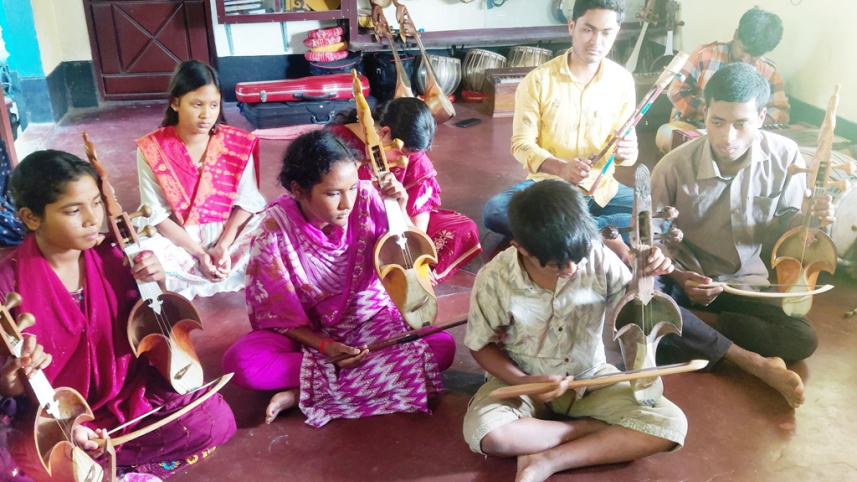
A voluntary organisation, Mayer Tori, is working to preserve Bangladesh’s traditional musical heritage by teaching folk songs and musical instruments to around 600 children living along the Teesta and Brahmaputra rivers in Lalmonirhat and Kurigram.
Founded by Norwegian poet, photographer and researcher Uera Saether in collaboration with local cultural activists, the initiative aims to pass on folk music traditions to younger generations as traditional instruments gradually lose popularity amid the growing influence of modern music and digital entertainment.

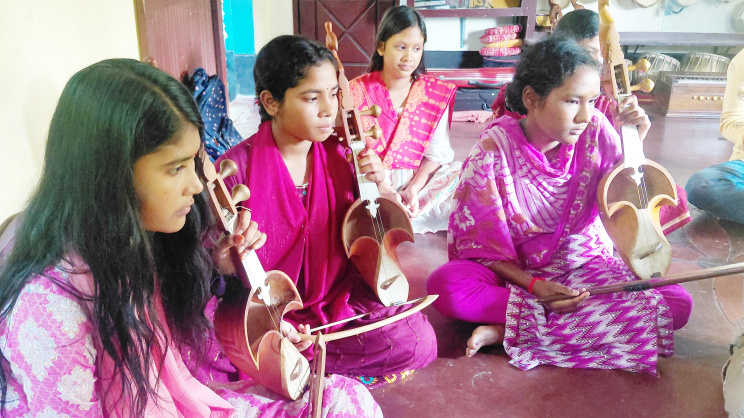
Through nine Gurugrihos, 475 children regularly learn folk songs, while another 125 receive instrumental training at four centres. Advanced learners also attend special Tori classes to deepen their understanding of different forms of folk music.
“We are not only teaching children to play instruments and sing; we are also trying to help them grow into compassionate and responsible individuals. Mayer Tori is not merely an institution; it is a movement to preserve our cultural roots,” said Sujon Kumar Bed, director of the organisation.
He added that Mayer Tori also hopes to provide shelter for elderly artistes and cultural activists, enabling them to share their experiences and knowledge with younger generations.
Lipi Debnath, a guru at Suraloy, a musical instrument training centre run by Mayer Tori, said traditional instruments have long been closely connected to the lives, emotions, festivals, work, joys and sorrows of Bengali communities.
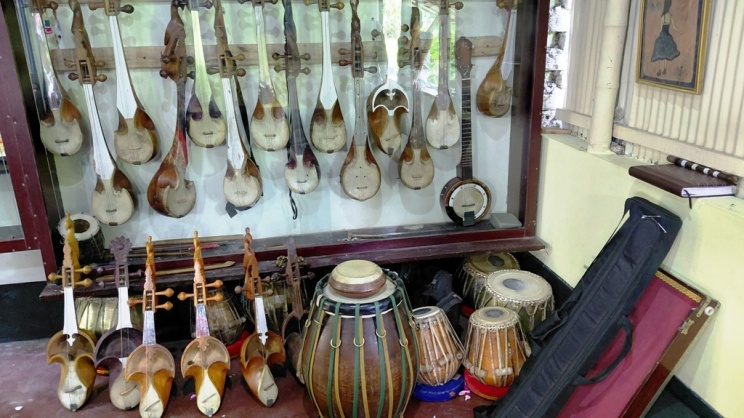
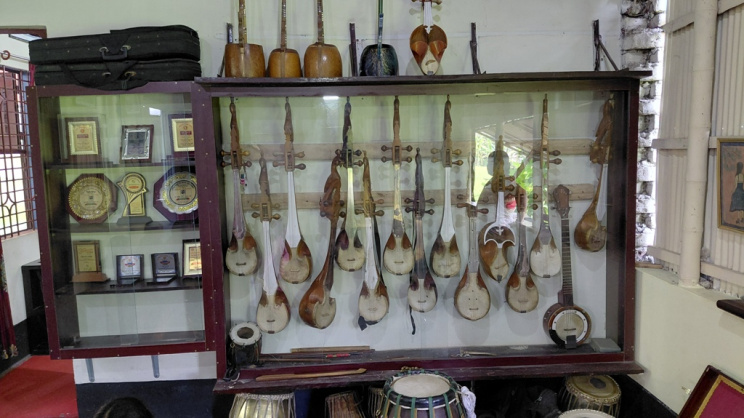
Instruments such as the dotara, flute, sarinda and ektara once accompanied folk traditions including Bhawaiya, Baul, Jari-Sari and Pala Gaan, reflecting the everyday experiences of rural communities.
“Our children are now learning these instruments and creating melodies of their own. The sounds of folk songs and traditional instruments are filling the surroundings once again. It feels as though these melodies have always been here and will continue to be,” she said.
Guru Nityananda Roy expressed concern that many traditional instruments, along with the skills required to play them, are at risk of disappearing. Instruments once crafted by village artisans have become increasingly difficult to find, while the number of skilled musicians continues to decline.
“Today’s children will preserve Bengal’s cultural heritage in the future. Even as they embrace modernity, they are holding on to their roots,” he said.
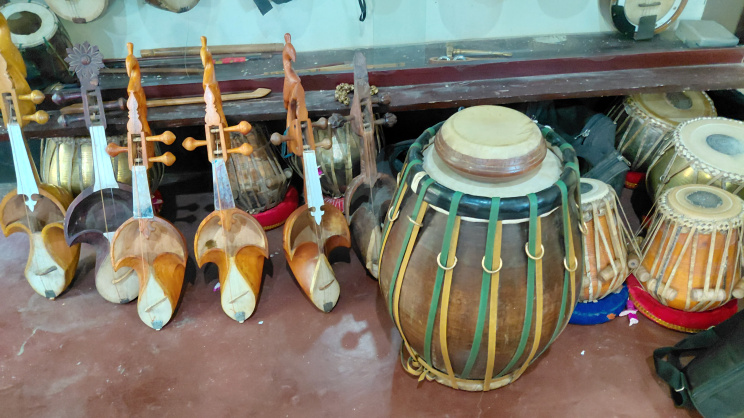
Learning these instruments requires patience and regular practice. Children initially struggle with finger placement on the dotara, producing clear notes on the flute and maintaining rhythm on drums. Over time, they learn to play melodies together, developing their musical abilities while strengthening social bonds.
Atoar Rahman, a folk musician from Namazer Char in the Brahmaputra riverbed, said the lives of char residents are shaped by the changing course of rivers, which create new land while destroying homes through erosion.
“Despite this uncertainty, people survive by holding on to their culture. If children living in the chars have opportunities to learn their folk traditions, it can contribute to their development,” he said.
Krishna Roy, a Class X student who plays the dotara, believes traditional culture can coexist with modern technology.
“The aim is not to keep children away from modernity, but to help them understand their roots alongside it. Culture is part of a nation’s identity,” she said.
The initiative is also creating opportunities for traditional instrument makers, many of whom have struggled with declining demand.
Artisan Ajit Kumar Sutrodhar said demand for traditional instruments has fallen over the past decade, forcing many craftsmen to leave the profession.
“If the younger generation begins using these instruments again, demand may return, helping preserve the craftsmanship involved in making them,” he said.
Yusuf Alamgir, an organiser of folk music activities, said the initiative seeks to enrich children’s lives through folk music while reviving melodies that are gradually disappearing.
For children learning the dotara, ektara, sarinda, flute, violin and drums, the experience goes beyond musical training, offering an opportunity to connect with their heritage and eventually pass it on to future generations.
 For all latest news, follow The Daily Star's Google News channel.
Through its work along the Teesta and Brahmaputra, Mayer Tori hopes to ensure that the region’s folk melodies continue to resonate for generations to come.
Comments