


Dollar steady as traders weigh escalating Iran war, ceasefire hopes
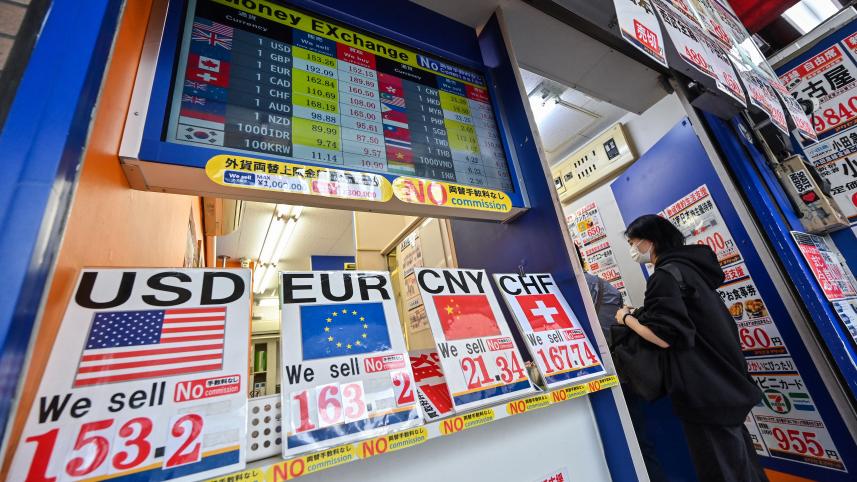
The dollar was steady on Monday, while the yen flirted with the crucial 160 per dollar level, as nervous investors took stock of the escalating Iran war, with all eyes on the latest deadline from US President Donald Trump to reopen the Strait of Hormuz.
In an expletive-laden Easter Sunday social media post, Trump threatened to target Iran's power plants and bridges on Tuesday if the strategic waterway is not reopened, setting a precise deadline of 8 p.m. Tuesday Eastern Time (0000 GMT).

With most of Asia and Europe closed for holiday on Monday, liquidity is likely to be thin, with investor focus on the possibility of a ceasefire after a media report suggested a last-ditch push from negotiators was underway.
"Trump's latest deadline itself is bearish not because investors think war is guaranteed tomorrow if Iran does not open the strait, but because every new ultimatum makes the disruption look longer, stickier and more macro-negative," said Charu Chanana, chief investment strategist at Saxo in Singapore.
The euro was at $1.1523, while sterling last fetched $1.3211. The dollar index , which measures the US currency against six rivals, was slightly lower at 100.12.
The Australian dollar was 0.3 percent higher at $0.69045, wobbling near the two-month low that it hit last week.
In the kind of mixed messaging that has baffled supporters, foes and financial markets alike, Trump told Fox News on Sunday that Iran was negotiating, with a deal possible by Monday.
Axios reported the US , Iran and regional mediators are discussing terms of a potential 45-day ceasefire that could lead to a permanent end to the war.
Global markets have been rattled since the US -Israel war on Iran broke out at the end of February, with Tehran effectively closing the Strait of Hormuz, a key waterway that is a thoroughfare through which about a fifth of the world's total oil and liquefied natural gas passes.
"If the strait is reopened fully around that time (Trump's Tuesday deadline), oil will fall sharply and risk will rally hard," said Prashant Newnaha, senior rates strategist at TD Securities.
"However, if the US escalates, expect global markets to reprice sharply. It's wait-and-watch in what's turning out to be a binary event."
The closure has caused oil prices to surge well above $100 per barrel, stoking fears of high inflation and upending rates outlooks across the world. Worries about the hit to economic growth have also weighed as stagflation risks swirl.
Traders are now no longer pricing a move from the Federal Reserve well into the second half of 2027, compared with expectations of two rate cuts in 2026 at the start of the year.
Data last week suggested US labour market conditions remained calm in March, though economists warned that a prolonged war in the Middle East posed a downside risk.
 For all latest news, follow The Daily Star's Google News channel.
Comments