


Turning remittances into homes NRB Bank PLC.
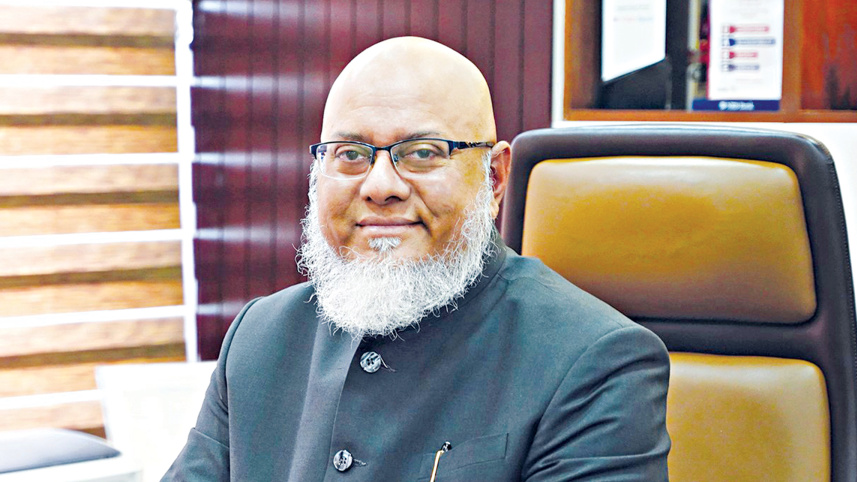
Tarek Reaz Khan
Managing Director & CEO
NRB Bank PLC.

By converting verified remittances into formal housing assets and financing semi-pucca homes, we can extend responsible home finance beyond salaried urban borrowers to families in towns and rural communities.
NRB Bank PLC aims to channel remittance income into formal homeownership, particularly in semi-urban and rural communities. Through diaspora-focused products, financing for semi-pucca homes and plans for remote onboarding and alternative credit assessment, it seeks to serve borrowers often excluded by conventional mortgage underwriting.
The Daily Star (TDS): Why does Bangladesh’s strong housing demand not translate into greater use of formal mortgage finance?
Tarek Reaz Khan (TRK): The central issue is not a lack of demand but a shortage of bankable demand. Conventional underwriting favours formally employed customers, while many households have irregular or poorly documented earnings. Complex title verification, registration costs and high equity requirements add barriers. Many families consequently depend on informal finance and incremental construction despite needing housing.
TDS: How is NRB Bank using remittance flows to expand access to housing finance?
TRK: As a bank established to serve Non-Resident Bangladeshis (NRBs), we see an opportunity to turn regular remittance flows into structured, long-term housing assets. Products such as NRB Grameen Greha Reen and tailored home-loan solutions can support expatriate families building in their hometowns. Financing semi-pucca homes, renovations and phased construction on ancestral land is especially important outside the major cities.
TDS: What changes to assessment and delivery could make smaller home loans commercially viable?
TRK: We are developing remote onboarding and alternative credit assessment based on verified remittance histories, digital-wallet inflows and local business receipts. Technology can reduce processing costs and make loans of Tk 20 lakh to Tk 40 lakh viable. Partnerships with regional developers can enable project-level legal vetting and standardised documentation in secondary hubs, reducing turnaround time without weakening credit standards.
TDS: Why are long-term funding and interest rates such significant constraints?
TRK: Banks generally fund 15- to 20-year mortgages with much shorter-term deposits, creating an asset-liability mismatch and adding to pricing pressure. The market needs longer-tenor deposits, housing bonds and dedicated refinancing facilities. Over time, mortgage-backed securities and participation by insurers, pension funds and development institutions could provide stable capital, helping lenders price home finance more sustainably.
TDS: What reforms would most effectively widen formal home finance?
TRK: Expanding affordable home financing requires long-term lender refinancing through a national liquidity facility, alongside centralized land records to eliminate title uncertainties and speed up approvals.
 For all latest news, follow The Daily Star's Google News channel.
Comments