Should Bangladesh join the Makkah Pact?

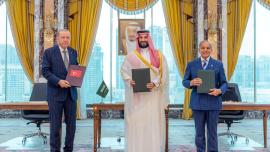
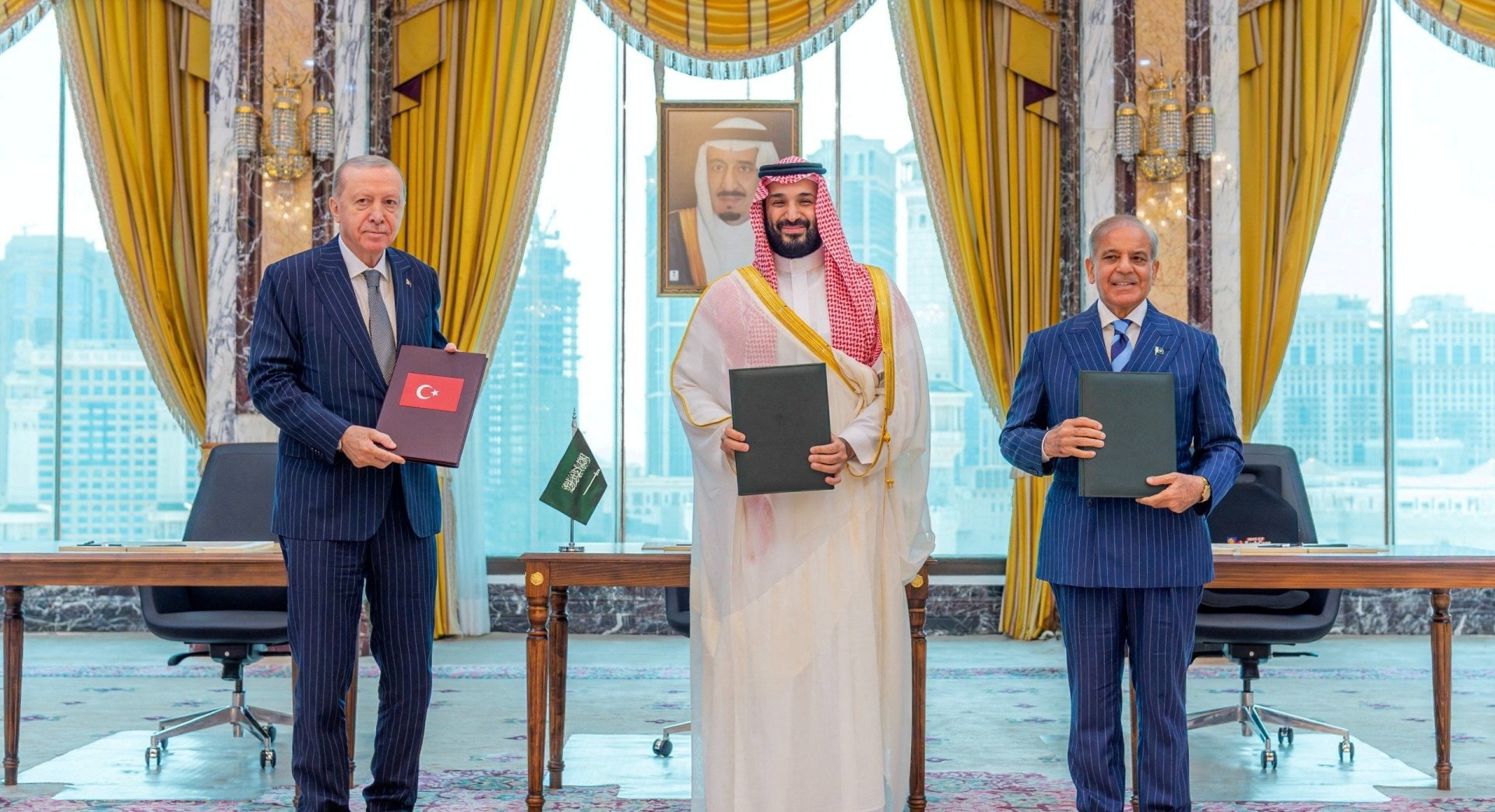
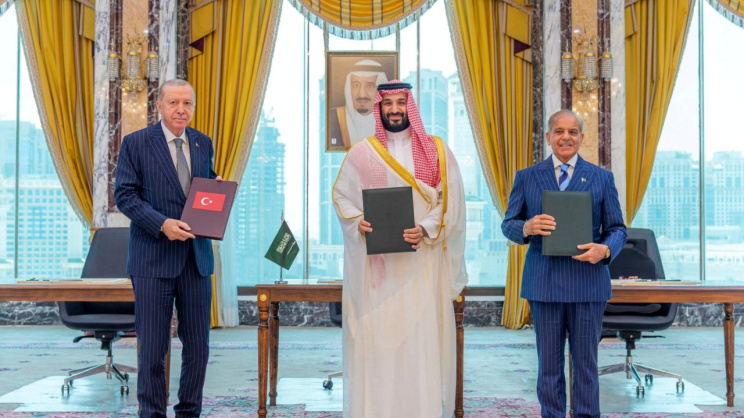
The Makkah Joint Defence Agreement, signed by Saudi Arabia, Turkey and Pakistan on August 7, 2026, reflects the distinct security challenges facing the three countries. Saudi Arabia faces tensions involving Iran, Houthi attacks from Yemen and wider instability across the Gulf and Red Sea. Turkey has security interests spanning Syria, Iraq, Libya and the Caucasus, while Pakistan continues to confront threats along its western border and militant violence at home. For these countries, closer defence cooperation may strengthen deterrence and provide greater security. But their security priorities are not necessarily Bangladesh’s. Dhaka should therefore carefully consider the consequences of joining the Makkah Pact or any similar military bloc. Instead of making Bangladesh safer, membership could draw the country into conflicts in which it has no direct stake. Bangladesh’s interests are better served by preserving its freedom to maintain relations with all sides and determine its foreign and security policies independently.
Bangladesh has long recognised the importance of preserving this diplomatic flexibility. Article 25 of the Constitution of the People’s Republic of Bangladesh sets out respect for national sovereignty and equality, non-interference in the internal affairs of other states, the peaceful settlement of international disputes, and adherence to international law and the UN Charter as key principles guiding the country’s foreign relations. These principles give Dhaka the flexibility to maintain relations with countries that may have serious disagreements with one another. In an increasingly divided world, preserving that freedom is a significant strategic advantage.
Bangladesh should not import the Middle East’s architecture of conflict into its foreign policy.
Bangladesh should not import the Middle East’s architecture of conflict into its foreign policy. A country with which Dhaka has no dispute today could become a source of diplomatic tension tomorrow simply because it becomes the adversary of a treaty partner. Bangladesh should retain the freedom to assess each crisis on its own merits and determine its response according to its national interests, rather than being bound by the geopolitical calculations of military partners.
Bangladesh has no territorial dispute or military confrontation with Iran, nor does it have any interest in becoming involved in a Gulf conflict. If Saudi Arabia were drawn into a future confrontation with Iran while Bangladesh was a member of the Makkah Pact, Dhaka could come under pressure to take sides in a war it had no role in starting. Such a situation could strain Bangladesh’s relations with both Riyadh and Tehran while putting its economic and energy interests at risk, particularly given the country’s dependence on shipping routes through the Strait of Hormuz and the Bab el-Mandeb Strait.
The Makkah Pact’s collective-defence provision states that an armed attack against one member shall be regarded as an attack against all, similar to NATO’s Article 5. A conflict involving one member could therefore become Bangladesh’s problem even when Dhaka had no dispute with the opposing side. Bangladesh has never built its foreign policy around military confrontation, and there is little reason to begin doing so now.
The ongoing US–Iran conflict, tensions involving Saudi Arabia and the conflict in Yemen are already affecting regional shipping and energy flows. Prolonged disruption could push up oil and LNG prices, increase shipping and insurance costs, and place further pressure on Bangladesh’s economy. Bangladesh could bear significant economic costs even without becoming a party to these conflicts. That makes it all the more important for Dhaka to keep its relationships open and avoid taking sides in disputes that are not its own. This is particularly important for Bangladesh’s economic and energy interests in the Gulf. Saudi Arabia is enormously important to Bangladesh, but it is not the country’s only partner. The UAE, Qatar, Kuwait and Oman are also important energy suppliers and major sources of employment, remittances, trade and investment. Millions of Bangladeshi families depend directly or indirectly on these relationships.
Bangladesh’s geography makes strategic flexibility particularly important. Situated between India and China, sharing a border with Myanmar and connected to the wider Indian Ocean through the Bay of Bengal, the country occupies a complex geopolitical position. Its economy depends on access to foreign markets, international shipping, imported energy, overseas employment, remittances and investment from a wide range of countries. Bangladesh therefore cannot afford to view the world through the lens of another country’s permanent friends and enemies. It needs the freedom to maintain productive relationships with states that may themselves be strategic competitors or have serious disagreements with one another.
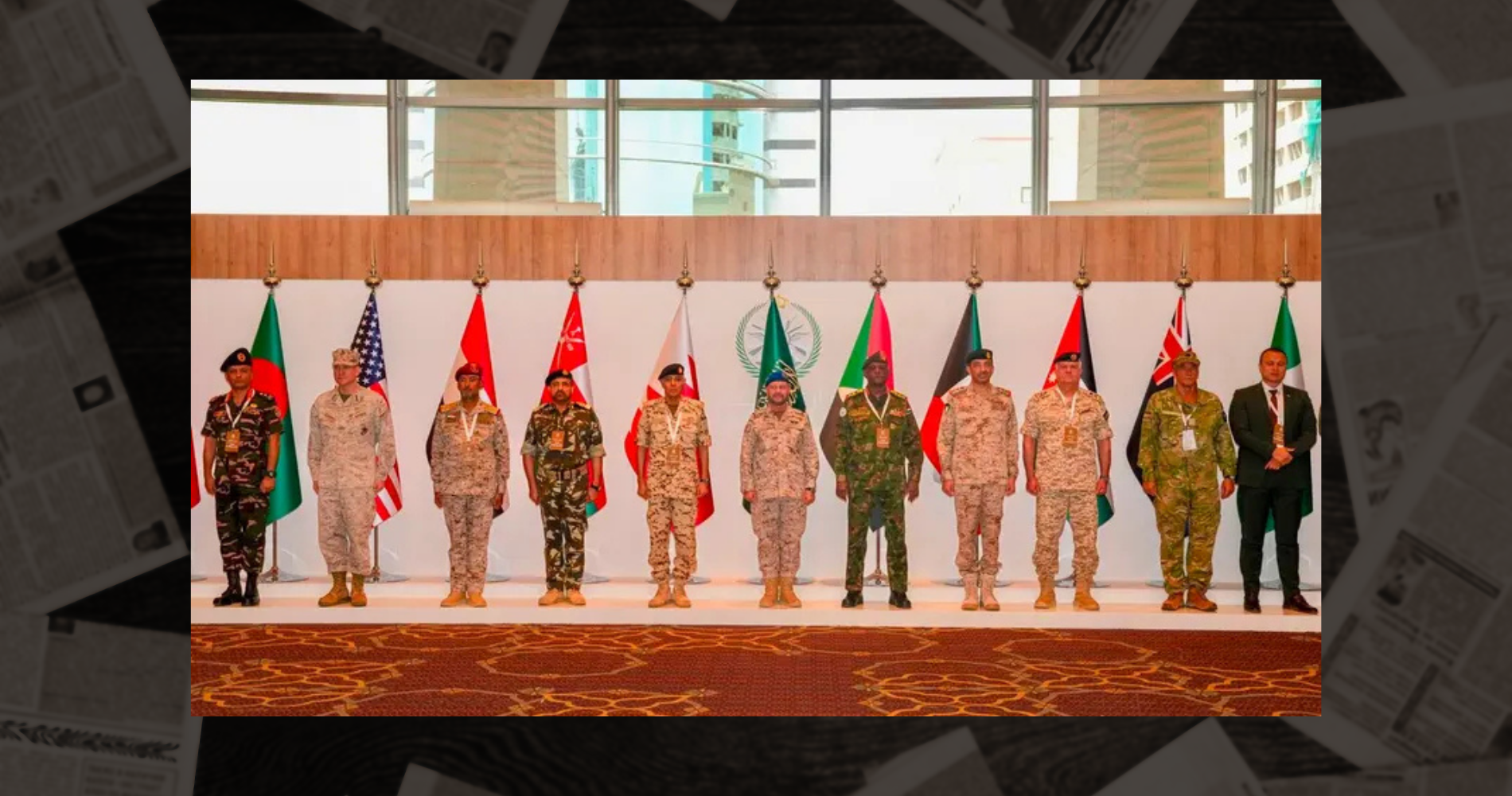
Bangladesh has also built a strong international reputation through its long-standing contribution to UN peacekeeping. Bangladeshi soldiers and police officers have served in difficult missions around the world, protecting civilians, supporting peace processes and helping to maintain stability. But UN peacekeeping and membership of a collective military alliance are fundamentally different. Bangladeshi personnel serving in UN missions operate under an internationally authorised mandate, with a defined mission and legal framework. A military alliance can impose a very different kind of obligation: an attack on one member may draw other members into a conflict. Bangladesh should preserve its reputation as a contributor to global peace, rather than commit its soldiers to conflicts that do not directly serve the country’s interests.
No treaty should automatically turn another country’s enemy into Bangladesh’s enemy or commit Bangladeshi military resources to wars the country did not choose.
The world is becoming increasingly divided, but Bangladesh’s ability to engage with all sides remains one of its greatest strategic advantages. That freedom gives Dhaka greater room to protect the country’s security, economy, energy supplies, trade and broader national interests. No treaty should automatically turn another country’s enemy into Bangladesh’s enemy or commit Bangladeshi military resources to wars the country did not choose. Bangladesh should manage each relationship on its own merits, cooperate widely and remain outside military blocs that could compel it to take sides. Our foreign policy must remain firmly centred on Bangladesh itself—guided by its own national interests, strategic priorities and independent judgement rather than by the conflicts and rivalries of others.
Kollol Kibria is an advocate, human rights activist and political analyst. He can be reached at kollolkibriaa@gmail.com.
Send your articles for Slow Reads to slowreads@thedailystar.net. Check out our submission guidelines for details.

Documenting Rohingya history / Rohingya repatriation needs more than diplomacy
Nine years on, Rohingya refugees need more than shelter
Myanmar’s partial Rohingya repatriation plan: Another attempt to mislead Bangladesh?
Is Trump’s Gaza peace plan falling apart?

What Japan’s changing Indo-Pacific strategy means for Bangladesh

Can India and Bangladesh build a more equal economic partnership?

Bangladesh First: Rethinking the relationship with India
A new political voice is emerging from the Rohingya diaspora. Why it matters

Bangladesh’s FDI puzzle: Why human capital, not red tape, is the real constraint