


Progress over Perfection
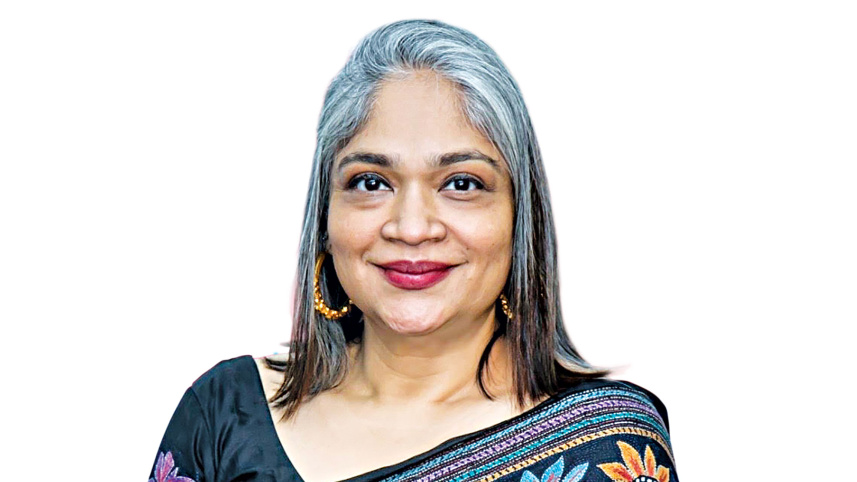
We want our students to know who they are, what they can achieve with effort and how they can make a difference.
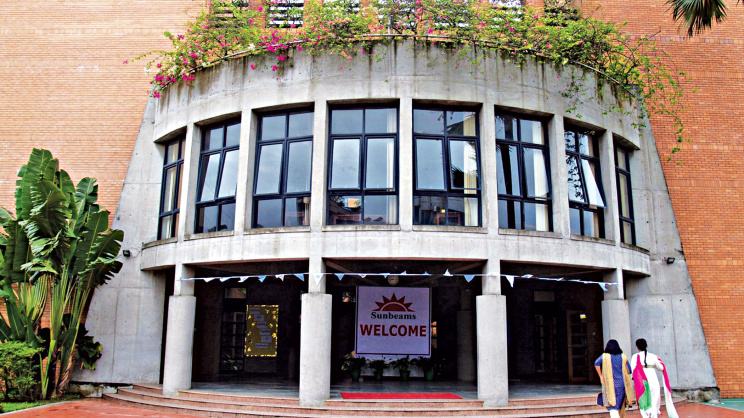
For Sunbeams, the primary goal is to help children tap into their potential and grow up to be confident, well-rounded individuals, with a strong connection to their roots. Founded in 1974, the school combines academic learning with cultural awareness, creativity and emotional well-being. Principal Munize Manzur speaks to The Daily Star about her mother’s legacy, the value of monitoring every child in a holistic manner and the school’s partnership with the British Council.

The Daily Star (DS): Sunbeams has been part of Bangladesh’s educational landscape since 1974. What does a typical morning look like, and how do you stay connected with school life?
Munize Manzur (MM): Whether I am in Dhanmondi or Uttara, I begin by walking around the campus, discreetly observing classrooms and greeting teachers. If children are playing outside, I chat with them. In Dhanmondi, the younger children often come up to hug me, which is the highlight of my day.
I go through my to-do list, prioritise important tasks, review appointments and communicate with our section co-ordinators. There is correspondence to respond to, attendance checking, planning for future events, troubleshooting, faculty meetings, etc. I’ll also keep an eye on the school doctor’s room in case anyone is unwell. I am very much a walk-and-talk person and prefer moving around the campus to tend to whatever issues may arise.
DS: With more than five decades behind it, what distinguishes Sunbeams today, and how does that shape the experience you want each student to have?
MM: We have deliberately remained a small school, with around 1,000 students from Playgroup to Class 12, and intend to stay that way. Maintaining an optimal teacher-student ratio helps us recognise each child’s strengths and challenges, and where our support can make a difference. Not everyone has to become a leader, but everyone should try to do their personal best and have a sense of purpose.
Aside from a strong academic foundation, we focus on mental well-being, national pride and giving back to the community. By the time they graduate, we want our students to know who they are, what they can achieve with effort and how they can make a difference. We emphasise on progress over perfection: making every day count as a step towards being the best versions of themselves.
DS: English-medium students are sometimes perceived as disconnected from local culture. How does Sunbeams nurture an understanding of Bangladeshi language, history and heritage?
MM: English and Bangla are taught side by side from the start and we follow the national curriculum Bangla textbooks. We want our students to know the history and thus, the significance of our mother tongue and why Bangla is so special. All year around and in February particularly, we have different age-appropriate activities celebrating our beautiful language and heritage.
We duly observe and explain the significance of our national occasions, including the different religious holidays. We’re proud to be Bangladeshi and instill this in our students on a daily basis, in the classroom and through our cultural events.
Bangla and Bangladesh Studies are compulsory subjects for our students from the junior section onwards. A belief that we continuously reinforce is something our Founder Principal used to say: “Before developing wings to explore the world, you must have strong roots so you know where you belong.”
DS: You encourage lifelong learning and reading. Which books have influenced your outlook, and how does reading help you connect with students?
MM: I read all types of books. Mitch Albom’s Tuesdays with Morrie made me think about what truly matters in life. Braiding Sweetgrass by Robin Wall Kimmerer deepened my understanding of our connection with nature, our origins, our direction forward.
I also read books that students are excited about to better understand their perspectives. Recently, I was very proud and delighted to read Appetite by our alumnus P. Paramita.
DS: How does professional development through the British Council help teachers continue learning and build their capacity?
MM: The British Council has been proactive in providing training, including sessions with visiting trainers and online opportunities. Refresher courses matter because teachers need to keep developing their knowledge and skills. I appreciate the emphasis on capacity building and the different ways these opportunities benefit our team.
DS: Beyond teacher training, what have British Council competitions offered students, particularly when normal school activities were disrupted during the pandemic?
MM: During lockdown, students participated in online creative competitions. Working within those restrictions required innovation and encouraged them to think beyond familiar approaches.
The British Council competitions in general provide students a better understanding of their abilities on an international level. Giving them this platform builds on their self-confidence and helps them discover their hidden talents.
 For all latest news, follow The Daily Star's Google News channel.
 DS: Parents place considerable importance on reliable examinations. How has the British Council supported consistent standards while responding to students’ individual needs?
MM: Maintaining the same standards across so many exam centres requires considerable logistical work. We value being able to rely on British Council’s diligence and never having a doubt about the integrity of their examination invigilation.
The Council has also responded helpfully to unexpected difficulties. When one student became unwell, they acted quickly to accommodate his needs. Their empathy helped our student do justice to his hard work and preparation.
High operational standards, support as and when needed, clear communication channels are important aspects of the partnership.
DS: Looking back to Sunbeams’ beginnings in 1974, what makes you proudest, and how does that influence your vision for its future?
MM: I feel blessed to continue my mother’s vision of quality education and the holistic development of every child as a well-rounded member of society. We have alumni who are now parents and teachers at Sunbeams. This reflects the continuing trust in us as a school. Parents and faculty work together to help each child develop. This sense of community is invaluable to me and remains central to the future I envisage where every Beamer moves forward with a sense of purpose, no matter where they are and what they do.
Interview conducted by Adiba Hoque
Comments