


Global ambitions, local roots
English may be the medium through which our students learn, but it does not define their identity. We want our students to be globally confident while remaining deeply connected to Bangladesh.
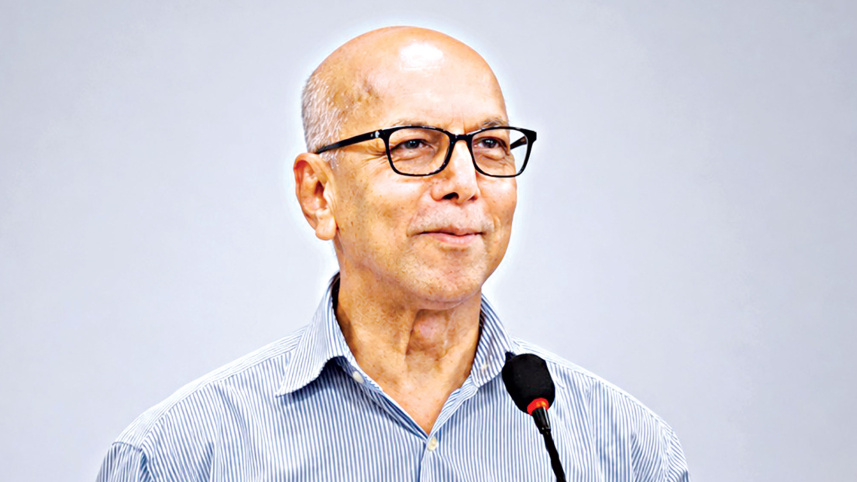
Mastermind School’s approach combines academic ambition with an emphasis on students’ development and connection to Bangladesh. Established in 1997, the school follows the British curriculum while making local culture part of everyday learning. In an interview with The Daily Star, Syed Fakhruddin Ahmed, principal of Mastermind School, discusses this balance, the British Council’s role in supporting teachers and students, and how his background in physics informs his leadership.

The Daily Star (TDS): What distinguishes Mastermind’s approach to education?
Syed Fakhruddin Ahmed (SFA): We combine high expectations with genuine care. Academic achievement matters, but we also need to understand each student’s strengths and challenges, helping them develop confidence, curiosity and responsibility.
We chose the British curriculum with students’ futures in mind. It provides a strong academic foundation while encouraging independent thinking, questioning and the application of knowledge. Students may study and work anywhere in the world, so they need international confidence alongside a sense of their own identity.
TDS: How do you connect students with Bangladeshi culture?
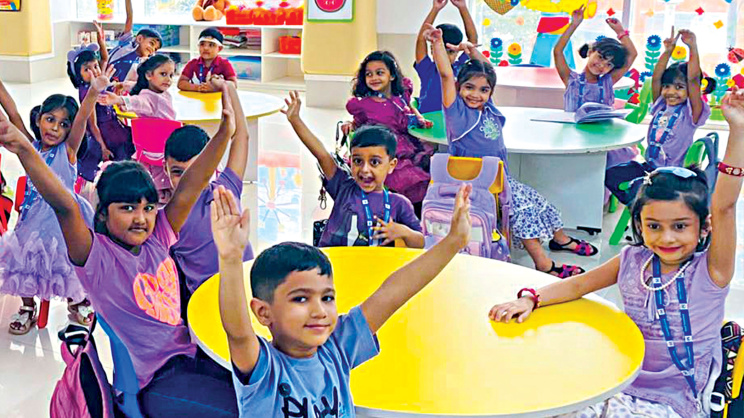
SFA: English may be the medium through which our students learn, but it does not define their identity. Our history, music, literature, art and traditions are part of school life.
We celebrate International Mother Language Day, Independence Day, Victory Day and Bengali New Year, encouraging students to understand their significance. The most meaningful moments come when students take ownership, whether through performing music, exploring history or sharing family traditions. That makes culture something they experience and feel connected to.

TDS: What opportunities does the British Council partnership create beyond academics?
SFA: Programmes such as Your World, FameLab Academy and the Scholars Award encourage students to communicate ideas, collaborate and engage with global issues. These experiences develop confidence, creativity and skills relevant to university and working life.
Through the Partner Schools network, teachers and leaders also access training and knowledge sharing, including Principals Meets and Schools Now! conferences. This gives us opportunities to learn from other educators and exchange ideas.
TDS: How does that support influence teaching and student well-being?
SFA: Continuing professional development introduces teachers to different teaching approaches and international perspectives. This translates into more reflective, engaging and student-centred classroom practice. Partner Schools Awards also encourage schools to share innovative practices across the network.
We have recently started introducing technology into classrooms. The Council’s support also extends to safeguarding, anti-bullying, responsible social media use and reading habits. These areas are important because education involves helping young people become confident, responsible and safe.

TDS: Why is examination administration an important part of the partnership?
SFA: Students and parents place enormous importance on examinations. The British Council’s structured processes, security and compliance standards give them confidence that assessments are administered professionally and fairly. Efficient administration creates a calmer, more organised environment, allowing us to focus on supporting students.
TDS: What has shaped your outlook as an educator?
SFA: As a physics teacher, I am drawn to books about the universe. Stephen Hawking’s A Brief History of Time and Neil deGrasse Tyson’s Starry Messenger remind us how much remains to be understood.
Physics teaches you to observe, question and test assumptions, and accept that there may be a better answer. Students change, the world changes, and education must change with them.
TDS: What makes you proudest of Mastermind’s journey?
 For all latest news, follow The Daily Star's Google News channel.
 SFA: When we began in 1997, we wanted students in Bangladesh to compete internationally. Examination distinctions and admission to leading universities are gratifying, but seeing students grow into confident, responsible adults gives me the greatest pride.
The difference we make in a young person’s life can stay with them after examination results become numbers on a page.
Comments