


Learning with joy, growing with roots
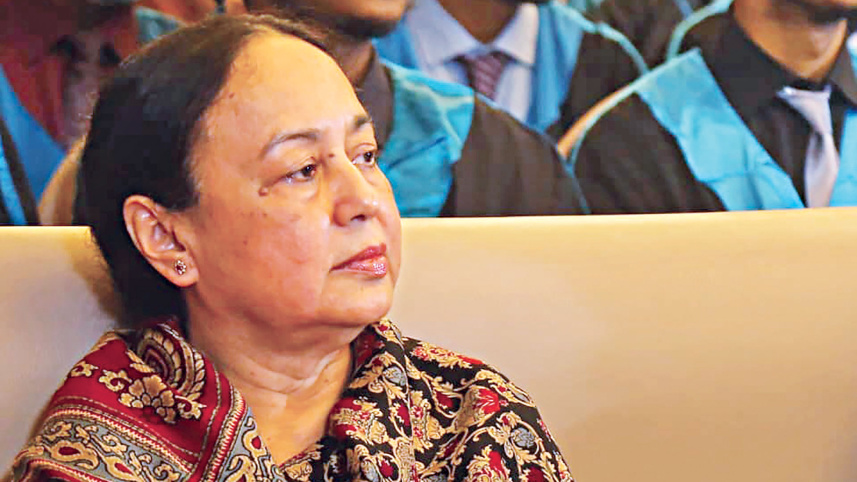
Our motto is ‘Knowledge Liberates’. We want our students’ lives to be free from prejudice, from bias, from narrow-mindedness. We want that, and we want to leave a mark.
For Anandaniketan, English-medium education has always carried a responsibility to keep children connected to Bangladesh. Founded in Sylhet in 1990, the school places joyful learning and cultural awareness at the heart of its work. Academic Head Shameem Choudhury speaks to The Daily Star about that philosophy, with contributions from the Administrative Head Fahmeena Nahas on teacher development and the British Council partnership.

The Daily Star (TDS): What founding principle continues to guide Anandaniketan?
Shameem Choudhury (SC): We wanted a school where children would enjoy coming to school and enjoy learning. That is what Anandaniketan means: a house of joy. Thirty-six years later, that purpose remains important to us.
We are an English-medium school with a Bangla name, and we are proud of our culture. We want our children to know their country, understand the richness of its literature and feel proud of their roots. Choosing English-medium education should never make them indifferent to Bangladesh.
TDS: What does leading the school involve on an ordinary day?
SC: I taught at Anandaniketan for 25 years before transitioning fully into the role of Academic Head. During my teaching years, my day typically started at 8 a.m., but now, as Academic Head, I begin my day at 9 a.m. Upon arriving at school, the first thing I do is meet with the administrative team. Together, we identify and prioritize issues that require immediate attention. With approximately a thousand students and 150 teachers, there is always something demanding our focus—whether it’s a student who needs support, a concerned parent, or a teacher seeking guidance.
Our morning meetings also include subject leaders and coordinators, where we review upcoming academic materials like worksheets and papers, and discuss planned activities and competitions for the term. Much of my day involves listening carefully to concerns and troubleshooting challenges that arise.
Since I was a teacher myself, I understand the day-to-day realities and challenges teachers face in the classroom. This helps me connect with them and provide the support they need when academic issues come up. At the same time, Fahmeena Nahas takes care of all the administrative side of things at Anandaniketan. We share an office, so we’re in constant communication, working closely together throughout the day. This teamwork helps us keep everything running smoothly and creates a positive environment for both students and staff.
TDS: Why did you choose a British curriculum, and how do you make room for local culture?
SC: When we started in 1990, there was demand for English-medium education in Sylhet and very few schools offering it. We liked the curriculum and felt it was the right choice for us.
Alongside our core activities, we bring Bangla culture to life through art, events, and music. This term our main event is a quiz competition. Our ‘Discover Amazing Bangladesh’ quiz—now celebrating its fourth run encourages students to learn about the country’s iconic figures, monuments, and landscapes.
Music forms an integral part of our daily campus atmosphere; student rehearsals are a constant feature, with the music club regularly preparing performances for key national and cultural occasions.
TDS: Which books have influenced you, and how do you encourage children to read?
SC: My journey as a reader began in my teenage years, when I devoured classics by Tolstoy, Somerset Maugham, the Brontë sisters, and Daphne du Maurier. Later, as a teacher, my reading shifted toward practical classroom management and pedagogy—Jim Scrivener’s work, in particular, was an invaluable guide. Yet, alongside these books, I hold a deep love for Winnie-the-Pooh for its brilliant, gentle insight into how children think. To foster an early love of reading, we regularly expand our Early Years and Junior Library collections with classics from beloved authors such as Julia Donaldson, Enid Blyton, Roald Dahl, and Dr. Seuss.
We actively promote a culture of reading at Anandaniketan because we believe children who read grow into adults who think critically.To foster this environment, our school features three dedicated libraries tailored to different age groups. For students in Classes 1 through 7, we hold a dedicated weekly read-ing class—completely separate from their library period—focused entirely on storybooks rather than textbooks. We passionately source our collection from everywhere we can, even importing books direct-ly from England for our school book fairs at a financial loss. For us, putting great literature into chil-dren’s hands will always be worth the investment.
TDS: How has the British Council partnership supported students beyond the classroom?
Nahas: Its reading competitions have helped encourage the reading habit, while wider competitions give students opportunities to test themselves outside familiar surroundings.
Within school, they are on their own territory. Meeting students from other schools and earning recognition there gives them an additional boost. When they return and tell us about their experiences, we can see their confidence. Our students have also received Scholars Awards in each of the three years since the awards began.
TDS: What difference has access to teacher training made?
 For all latest news, follow The Daily Star's Google News channel.
 Nahas: Teachers use techniques they have learnt through training in their classrooms. Some independently enrol in courses through the British Council’s online platform because they want to develop their teaching.
Local access matters. Sending a teacher to Dhaka can mean three days away, including travel. More training in Sylhet would make participation easier. Edexcel training sessions also take place on our premises.
SC: In the early years, we had commitment and dedication, but little formal training. The training and resources available now have helped shape classroom teaching.
TDS: How important is dependable examination administration?
SC: It matters greatly to families. Our experience of the British Council’s examination arrangements has been very positive. We have not encountered problems, and we appreciate the work involved in managing examinations across different venues.
Nahas: We have not received complaints from our parents or students about the examination halls. Our teachers are offered training and additional support whenever the specification changes.
TDS: What does the journey to your own campus represent?
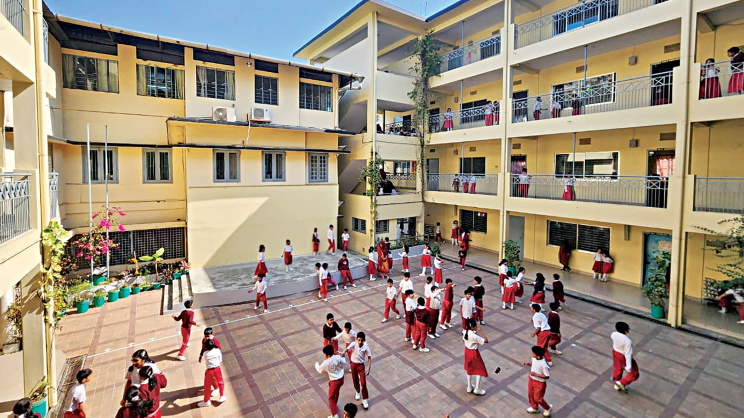
SC: We grew gradually as our resources allowed. This is our fifth campus, and acquiring our own land has taken years of hard work. In the beginning, we were just 12 teachers without even a photocopier; we wrote notices by hand, squeezing as many as possible onto a single sheet of paper. Even now, we conscientiously reuse paper, a habit avoiding waste that has stayed with me since my own schooldays and one I remain deeply proud of.
Today, Anandaniketan has come of age and stands on solid ground. With our own permanent premises and a team of well-trained teachers, we look toward the future. We dream that the school will continue to grow and reach new heights of excellence, leaving a profound impact on society by nurturing respon-sible, compassionate individuals who will shape a brighter world.
TDS: What do you most want students to carry with them?
SC: Our motto is “Knowledge Liberates”. We want students to be free from prejudice, bias and narrow-mindedness.
Many now leave Bangladesh, and that makes me sad. We educate them and want them to contribute to the country. Giving back to society was one of the reasons we founded Anandaniketan. I want our students to carry that responsibility with them: love their country, work for it and give something back.
Comments