


Libraries as gateways to knowledge, culture, and responsible citizenship
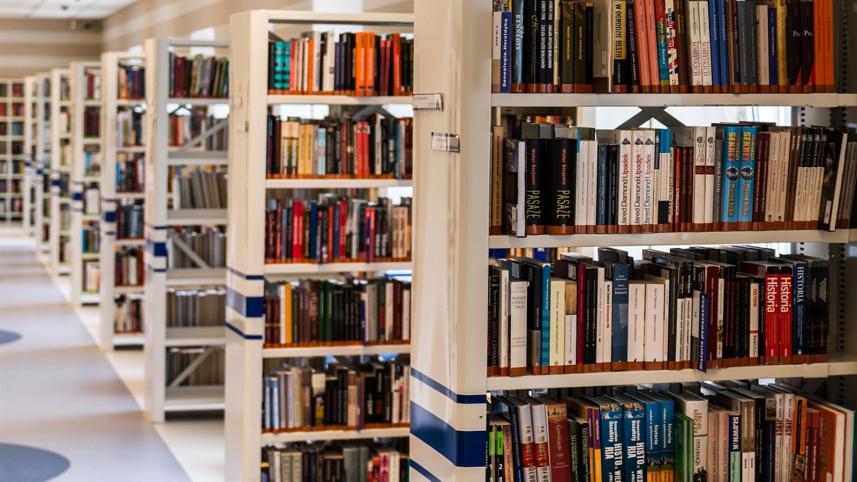
Public libraries are far more than repositories of books- they are dynamic centers of learning, culture, and civic engagement. My own journey illustrates their transformative power. I became a member of the British Council Library in Dhaka in 1979, continuing until 2023, and also joined the USIS Library from 1986 to 1997. These libraries gave me access to a vast collection of books, journals, and audio-visual materials spanning literature, social sciences, English language learning, and other fields. While I did not study medical or engineering sciences myself, the British Council has long guided students in these disciplines, supporting their learning through specialized resources. Its contribution to promoting education, culture, and global awareness in Bangladesh is immense, shaping generations of learners.
The library not only exposed me to diverse knowledge but also instilled values of responsibility and integrity. I still vividly remember the bittersweet experience of paying a fine for a stolen video I had borrowed- a small but lasting lesson in accountability. These seemingly minor experiences, combined with access to a rich trove of global knowledge, helped shape my curiosity, discipline, and ethical grounding.

This foundation enabled me to evolve into a corporate professional, author, management facilitator, university faculty, and news presenter, roles in which I have been privileged to contribute to students’ and professionals’ personal and intellectual growth. My professional journey is inseparable from the influence of libraries- their ability to spark curiosity, inspire learning, and broaden perspectives.
Observing the Queens Public Library (QPL) in New York has been equally inspiring. QPL goes far beyond lending books. From toddlers to seniors, it engages citizens through computer classes, chess and other games, “New Americans” programs, workshops, storytelling, arts and cultural events, and civic awareness initiatives. Such programs cultivate literacy, critical thinking, creativity, ethical responsibility, and civic consciousness across generations. In this way, QPL demonstrates how a library can serve as a true hub of community development, social integration, and lifelong learning.
Bangladesh’s libraries have immense potential to emulate this model. Beyond lending books, they can host workshops on life skills, ethics, environmental awareness, civic responsibilities, and creative arts, while providing access to global knowledge. By integrating education, culture, and practical skills, libraries can become incubators for personal growth, professional development, and social responsibility. A library-based society can profoundly impact nation-building, shaping citizens’ moral values, etiquette, and sense of duty.
The synergy between global examples like QPL and the legacy of USIS and British Council libraries offers a roadmap for Bangladesh. Libraries can nurture conscious, informed, and culturally aware citizens, equipping them to participate meaningfully in society. My personal journey- from a curious child exploring the British Council and USIS Libraries to a corporate professional, author, trainer, faculty member, and news presenter- demonstrates the lifelong influence libraries can exert. They are not just spaces for reading, but engines of opportunity, ethics, and civic engagement.
In today’s rapidly changing world, where information is abundant but critical thinking is rare, libraries remain essential. They connect generations, bridge knowledge gaps, and provide tools for informed citizenship. By investing in library programs that blend education, culture, and practical skills, Bangladesh can cultivate a society where individuals are not only knowledgeable but also morally responsible, ethically grounded, and actively engaged in nation-building.
Public libraries are, therefore, more than buildings- they are gateways to a better, more conscious, and culturally enriched society. From the British Council and USIS Libraries in Dhaka to the Queens Public Library in New York, their impact on individual lives and society as a whole is profound and enduring.
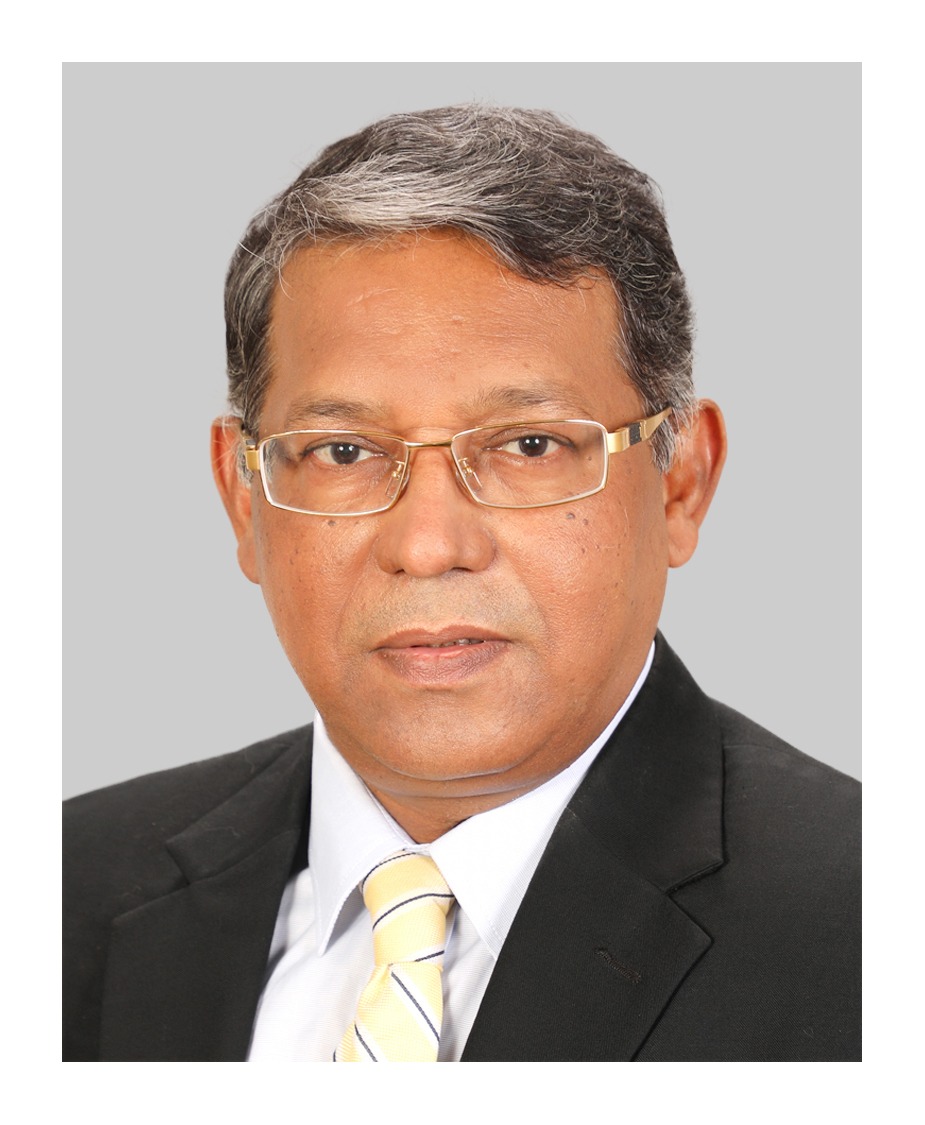
M Ahsan Ullah Khan is a former Senior Banker; Adjunct Faculty of renowned Private Universities; English news presenter of BTV and Bangladesh Betar.
 For all latest news, follow The Daily Star's Google News channel.
Comments