


Women leading institutional change
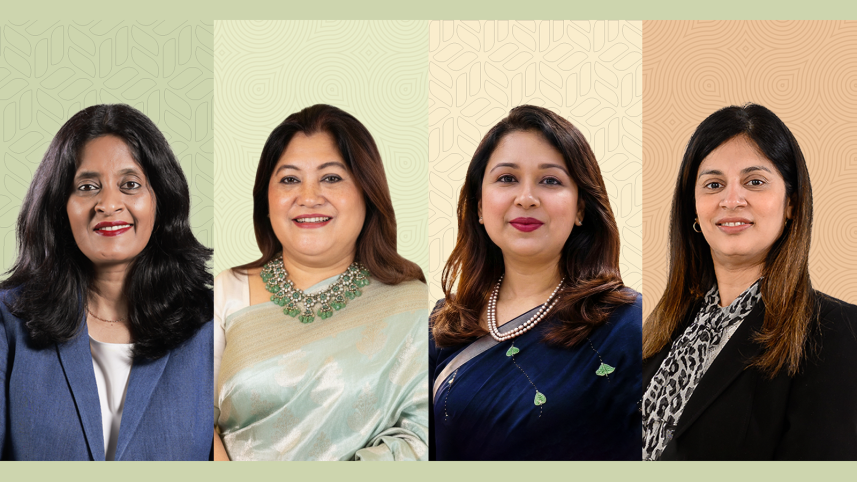
As the world marks International Women’s Day 2026, four board members at BAT Bangladesh reflect on how women shape institutions through leadership. Their journeys across business and academia converge on shared principles: opportunity, mentorship, and credibility. By widening the path for the next generation, they ensure women entering boardrooms find greater opportunity.
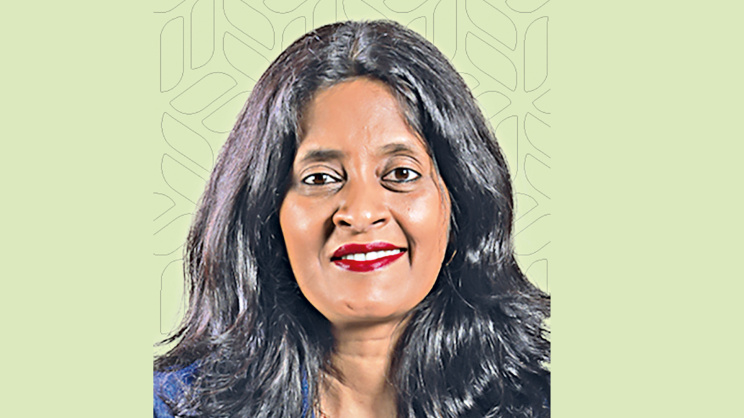

“Creating opportunities within organizations is central to sustaining leadership pipelines. Mentorship, empowered ownership and strategic exposure help emerging leaders develop the confidence to step forward and succeed in their careers.”
Leadership through opportunity
Monisha Abraham, the first woman Managing Director in BAT Bangladesh’s 116-year history, sees leadership as something earned through action and accountability, not titles. Early in her career, senior leaders trusted her with real responsibility, shaping that belief.
Having led across markets in the Middle East, Europe, and Asia, she values flexibility and cultural awareness. For Monisha, leadership means stepping forward when opportunity appears and navigating complexity with confidence. It also requires constant evolution as organisations adapt to rapid economic and technological change.
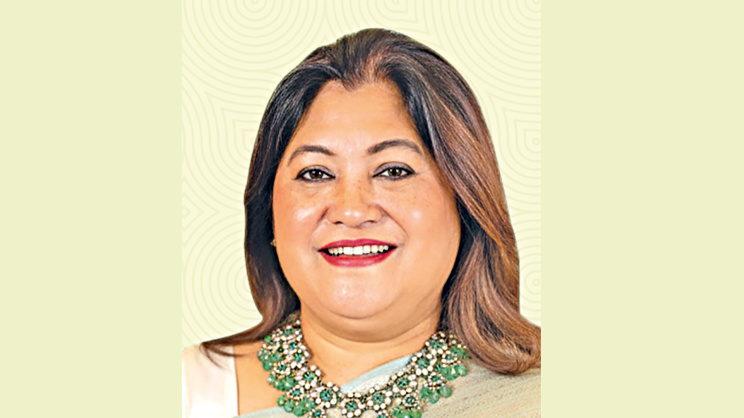
“I am committed to structured mentorship and succession planning while also advocating for a more transparent and competitive business environment through my leadership roles in various national business bodies.”
Strength through quiet discipline
Rupali Haque Chowdhury, Managing Director of Berger Paints Bangladesh and president of Foreign Investors’ Chamber of Commerce and Industry (FICCI), built her career on financial independence and discipline. Early exposure to strategy gave her insight into high-level decision-making, shaping decades of leadership across economic cycles.
She rejects the idea that leadership must be loud. In male-dominated industries, credibility comes from sustained performance. For Rupali, leadership means guiding institutions through technological change and growth while staying grounded in professional accountability.
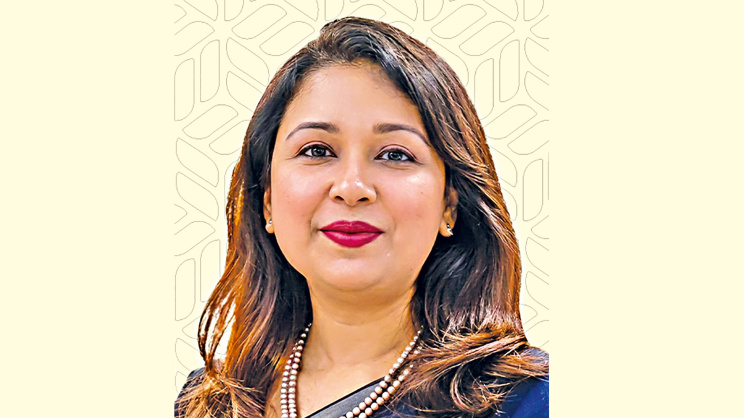
“My students closely watch how women navigate leadership spaces. If my journey helps them see that path more clearly, then every challenge along the way has been worthwhile for me.”
Earning credibility in the room
Dr Melita Mehjabeen, a tenured professor at DU-IBA and chairman of National Bank PLC, bridges academia and corporate governance. Her move into the boardroom required credibility built through preparation and thoughtful questioning.
Rather than dwell on gender stereotypes, she focused on competence in difficult governance conversations. When women take seats at decision-making tables, the horizon widens for those watching. Leadership, she believes, requires the courage to engage and the responsibility to represent more than personal success.
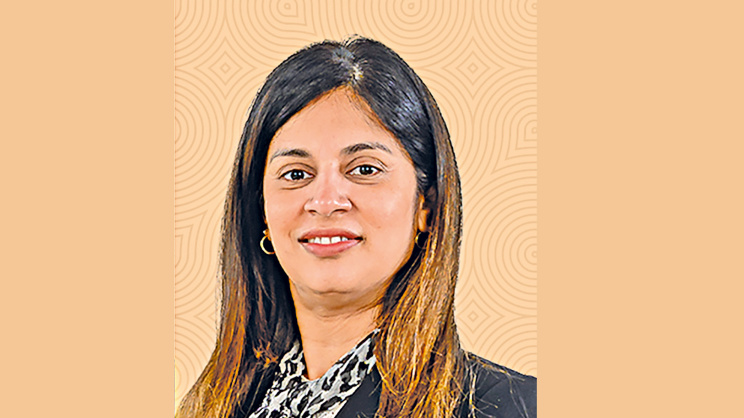
“The most important role one can play is to use influence to recommend, introduce and promote the right talent for bigger roles, going beyond offering advice to actively championing talent.”
Growth through authentic empathy
Nirala Nandini Singh, Finance Director at BAT Bangladesh, believes leadership lessons often come from difficult moments. Having overseen commercial finance across 30 global markets, she sees low points as opportunities to grow.
 For all latest news, follow The Daily Star's Google News channel.
 Nirala challenges the idea that empathy weakens authority. Admitting doubts and listening to colleagues, she says, builds accountability and stronger teams. Her approach is simple: weigh different perspectives and leave things better than she found them. Leadership, to her, means slowing down to understand the human side of complex business decisions.
Comments