


Curiosity in action: How inquiry-based learning shapes lifelong learners
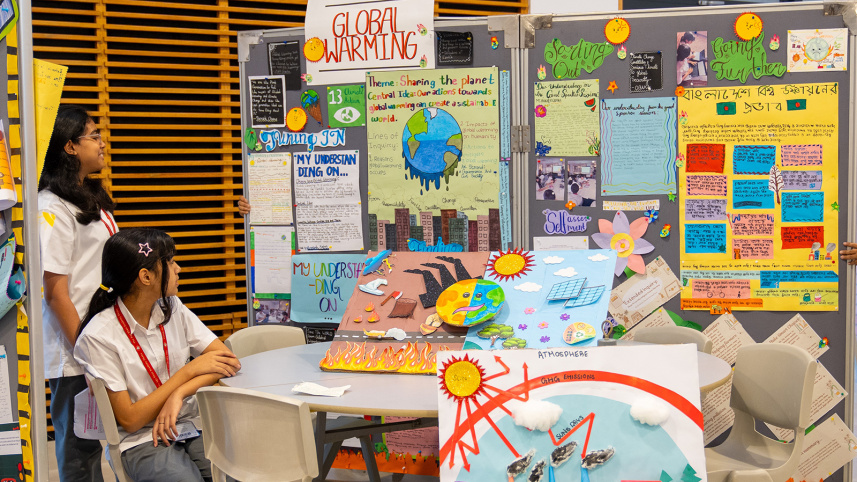
In today’s ever-changing world, where adaptability and critical thinking matter more than memorising facts, education must go beyond teaching children what to know – it must teach them how to think.
The International Baccalaureate (IB) Primary Years Programme (PYP) embodies this belief by inspiring students to become curious inquirers, thoughtful collaborators and creative problem solvers who see learning as a lifelong pursuit.

At the heart of the PYP, a natural sense of curiosity inspires students to think critically about their world, act ethically within it and adapt with purpose and empathy. It cultivates more than academic excellence – it builds character, perspective and a sense of responsibility towards the greater good.
As one of my poems often shared with PYP teachers and students puts it:
“Every question asked opens a new door,
Every answer found leads to learning much more.
Young hands that create, and open minds that roam,
Inquiry makes learning a joy to explore.”
In PYP classrooms, teachers guide students to think deeply, make connections across subjects and translate abstract ideas into practical understanding. The result is a transformation of education from a routine exercise to an authentic journey of discovery.
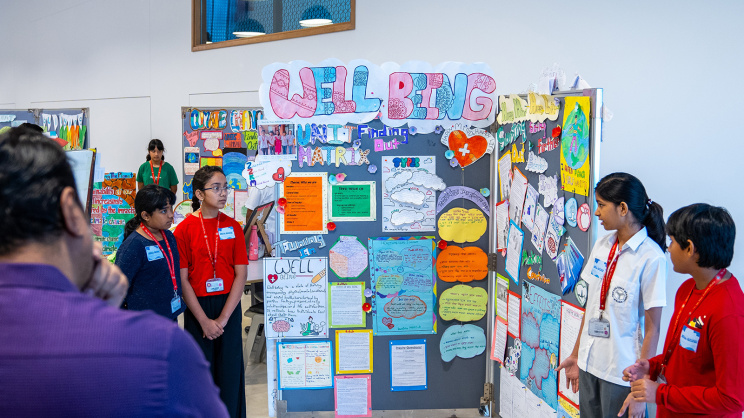
Inquiry in action: Health and well-being
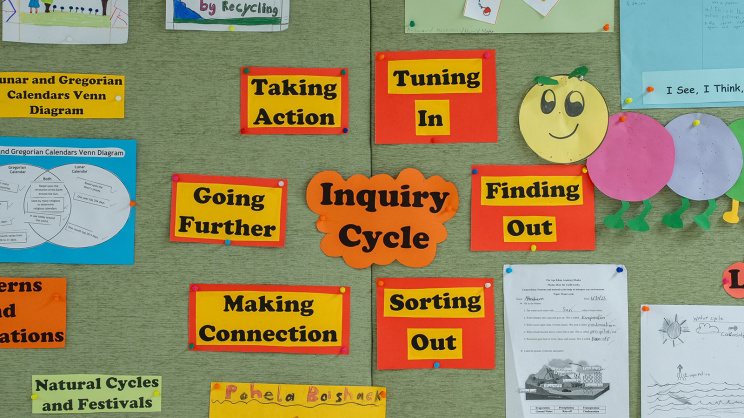
In the PYP, children learn through units of inquiry where they explore ideas for five to six weeks. Each unit has a central idea, such as “The choices we make affect our health and well-being".
Within this unit, students investigate how everyday choices – from sleep and nutrition to exercise and hydration – affect their physical and emotional health. They begin not with textbooks, but with their questions, observations and personal reflections. Through this process, they learn to connect what they study in school to real-life experiences.
The learning in the PYP is transdisciplinary, drawing on different subject areas to develop an understanding of the central idea. Science lessons unpack how the digestive process works, while mathematics becomes practical as students record and analyse their personal sleep patterns or water intake, and survey peers about food habits.
Through connected learning experiences, students read scientific texts in their language class and interview healthcare professionals. Throughout this process, learning becomes personal. Students begin to recognise the direct connection between knowledge and action, developing both self-awareness and responsibility for their own well-being.
Exploring energy and sustainability
Every choice we make affects the world around us, and our students are discovering this through experience. In our PYP classroom, curiosity drives learning as students explore where energy comes from, how it is used and the impact it has on the environment. They learn about the different types of energy and how factors, such as government decisions and local conditions, affect how people access and use them.
However, this curiosity does not stay confined to the classroom. Students conduct energy audits at home and school, observe how energy is used and record simple actions they can take to save energy. They design awareness posters and propose community initiatives, such as walking to school or carpooling, discovering how even small actions can create meaningful change.
Through this journey, curiosity and critical thinking grows into a sense of responsibility and a belief in their ability to make a difference, showing that learning about energy and sustainability is both meaningful and empowering.
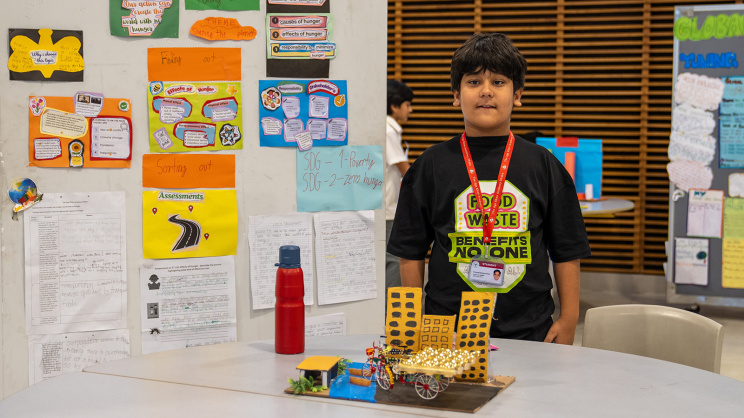
A lifelong mindset of inquiry
Across these examples, inquiry-based learning helps students move beyond content mastery to develop the mindset of lifelong learning. Students are not merely absorbing information – they are constructing knowledge, developing agency and seeing themselves as capable learners.
Each question sparks curiosity, every investigation strengthens independence and every reflection nurtures compassion, creativity and confidence.
In the end, curiosity is not just a spark at the beginning of learning – it is the fuel that sustains it. Through inquiry, students are not only prepared to navigate the complexities of the future but to help shape it thoughtfully, responsibly and compassionately.
Tanjina Hossain is the Primary Years Programme Coordinator at the Aga Khan Academy Dhaka.
 For all latest news, follow The Daily Star's Google News channel.
Comments