


Eid ul Fitr, Styled by the Hour
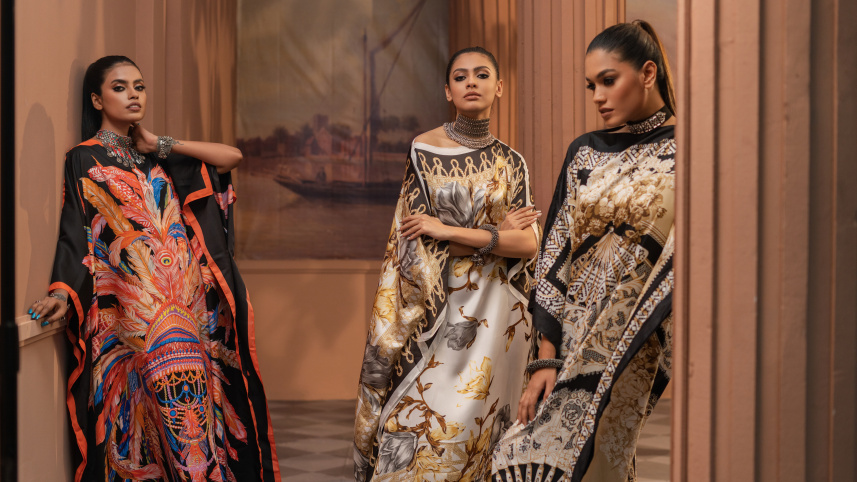
Let’s be honest. Most of us don’t buy “an Eid outfit.” We buy a morning outfit, an ‘afternoon plan’ outfit, and the ‘okay, tonight I need to look serious’ outfit. And if we are lucky, or socially overbooked, we need options for day two and day three as well.
Eid sequence begins quietly at home, spills into colourful afternoon plans, and ends in glittering evening visits. The mistake we often make is wearing something that works for only one part of the day, and then feeling overdressed at breakfast or underdressed at dinner.

So this year, let’s approach it differently. Let’s dress by occasion.
Uncomplicated morning
The morning of Eid is about freshness. You step out of the room, and the house smells of sheer semolina, kheer and attar. For some, relatives may start arriving early, and photos begin before you even finish your tea.
A loose-fitted co-ord set is ideal. A short kamiz paired with a farshi salwar gives you movement and grace without effort. Keep the details minimal — a thin lace border, light threadwork on the neckline, maybe delicate scallops on the sleeves.
Fabric choice is crucial. Breathable cotton-silk blends, soft lawn, or light khadi-silk mixes work beautifully for morning wear, especially in summer. They photograph beautifully in natural light and won’t make you uncomfortable.
Colour palette? Soft. Pastels, muted peach, mint, butter yellow, powder blue, or even an off-white with subtle embroidery. Morning light loves softer shades.
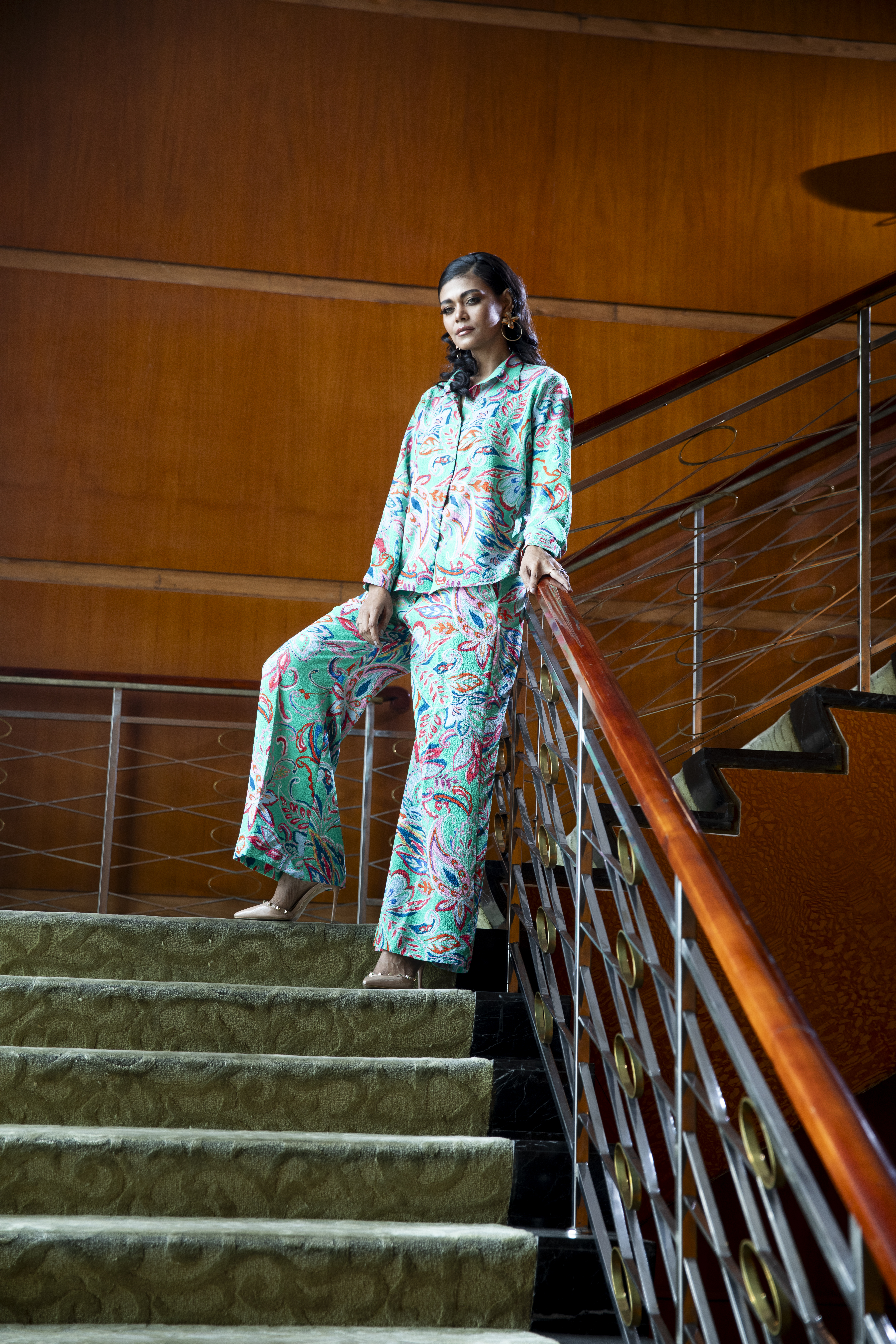
Afternoon Plans? Queue the social butterfly
By afternoon, the energy shifts. Calls and messages come in. “Where are you?” “Come over.” “Let’s meet.” And suddenly you’re stepping out.
Afternoon Eid looks this year is leaning toward brightness, but not particularly the loud, overpowering kind. Instead, it is vibrant tones with sophistication. Tangerine softened with beige. Aqua with subtle silver accents. Coral with gold threadwork. Warm, earthy browns layered with sheer prints. Even artistic blended tones in organza are trending.
The fabrics dominating daytime outings are interesting. Organza is still strong but lighter and more fluid. It’s being styled in relaxed silhouettes that move easily. Premium silk, especially matte or brushed silk, is getting attention. Chiffon and georgette remain favourites for their ease and drape.
Kaftans have officially moved beyond resort wear. For Eid afternoons, they’re tailored and structured. Printed kaftans with side embellishments, silk kaftans with embroidered necklines, or straight-cut kaftans paired with slim trousers are both stylish and practical.
Thread work is the standout detail this season. Instead of full sequin coverage, we’re seeing resham embroidery, tonal floral patterns, and subtle borders that add refinement.
Footwear should also reflect the plan. Block heels, stylish flats, or sleek mules — something you can walk in without regret. Afternoon fashion is about fun.
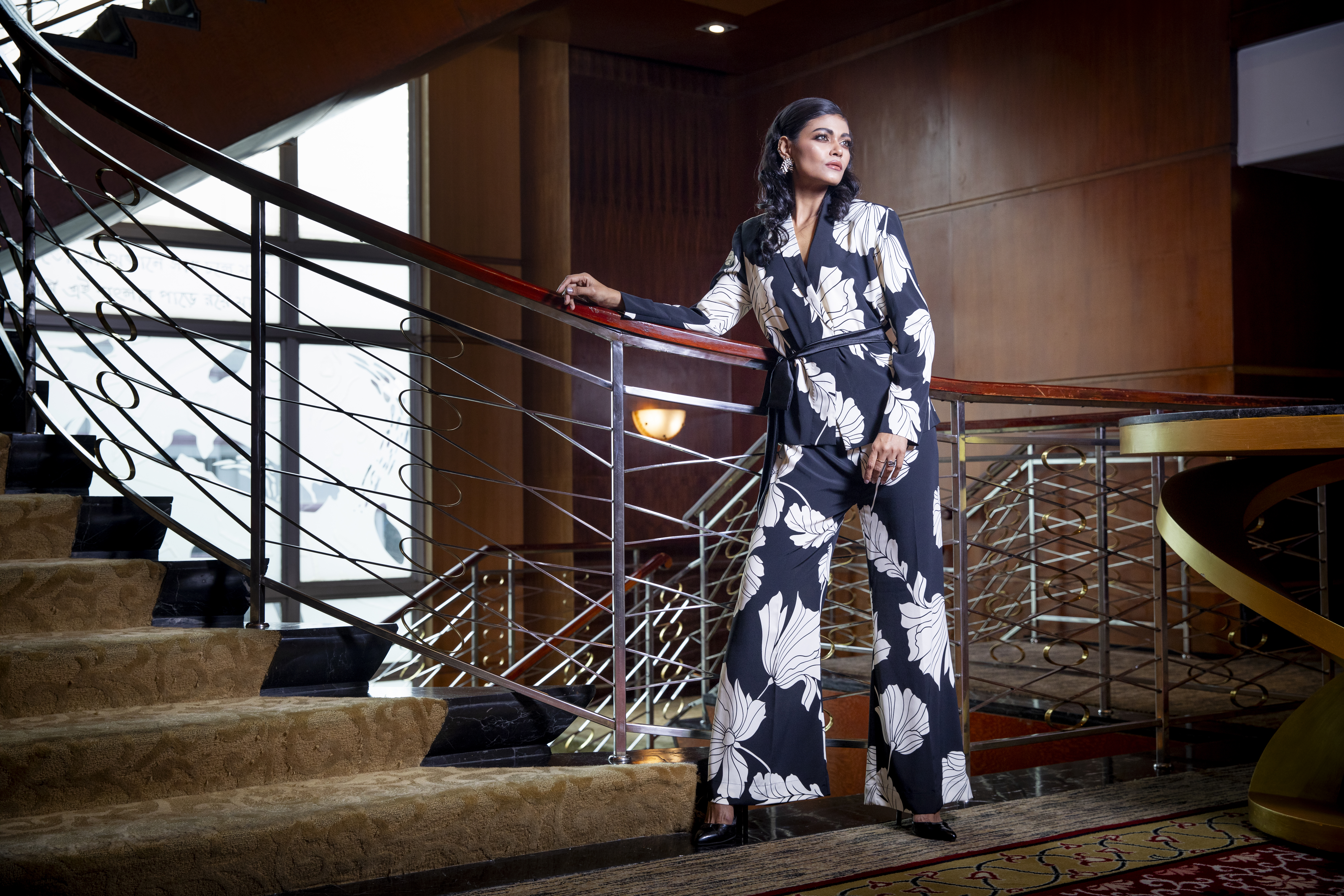
Dazzle for Evening Invitations
Eid evenings are different. You’re visiting relatives, attending dinner invites, and letting tradition step forward confidently.
For a couple of years, Eid fashion had leaned heavily into minimalism. Clean cuts, subtle embroidery, muted palettes. That era is still appreciated — but now we’re seeing a strong return of dazzle.
Sequins and mirror work is back. Heavier borders are back. But in a controlled manner.
Evening silhouettes this year are elegant and defined. Long, ankle-length kamizes with dramatic sleeves. Sharara sets with embellished hems. Statement dupattas featuring gota patti and mirror detailing or metallic threadwork that catches warm light beautifully.
 For all latest news, follow The Daily Star's Google News channel.
 Deep jewel tones are reclaiming their space — emerald, copper, deep magenta, midnight blue, classic red. Even blush and dusty rose are being designed with layered embellishment and heavier dupatta work.
Jewellery can be bold here. Statement earrings, layered bangles, sleek hair buns, maybe a bold lip. This is not the hour for subtlety. In short, the dazzle is definitely back.
The Celebration continues
The 3-day Eid celebration already has the itinerary cut out for us. While the first day is all about hosting and meeting up with our close ones, the following days are dedicated to lunches, extended family visits, and long-overdue reunions. You don’t want to repeat the same mood from day one. Instead, shift the tone.
Consider artistic prints and statement cuts. A-line kurtas with digital floral prints. Flowing two-piece silk sets in gradient shades, a long shrug layered over a monochrome base. A dozen bangles on one wrist, a watch on the other and a pair of juttis to set the mood.
Textures become more important than embellishment. Matte silk, textured chiffon, woven blends — fabrics that feel premium but don’t demand attention. Try a different sleeve structure. A kimono neckline. Wide-legged trousers with long silk shirts.
As the celebration nears its end with day 3, gatherings become more intimate almost laid back. We have coffee meetups, rooftop chats, smaller circles. Here, effortless chic works best.
Relaxed co-ords with strong prints. Minimal kaftans with metallic thread highlights. If you’re up for it, why not soft saree draped simply, without layers of jewellery? Even a monochrome outfit styled with standout accessories can feel refreshing.
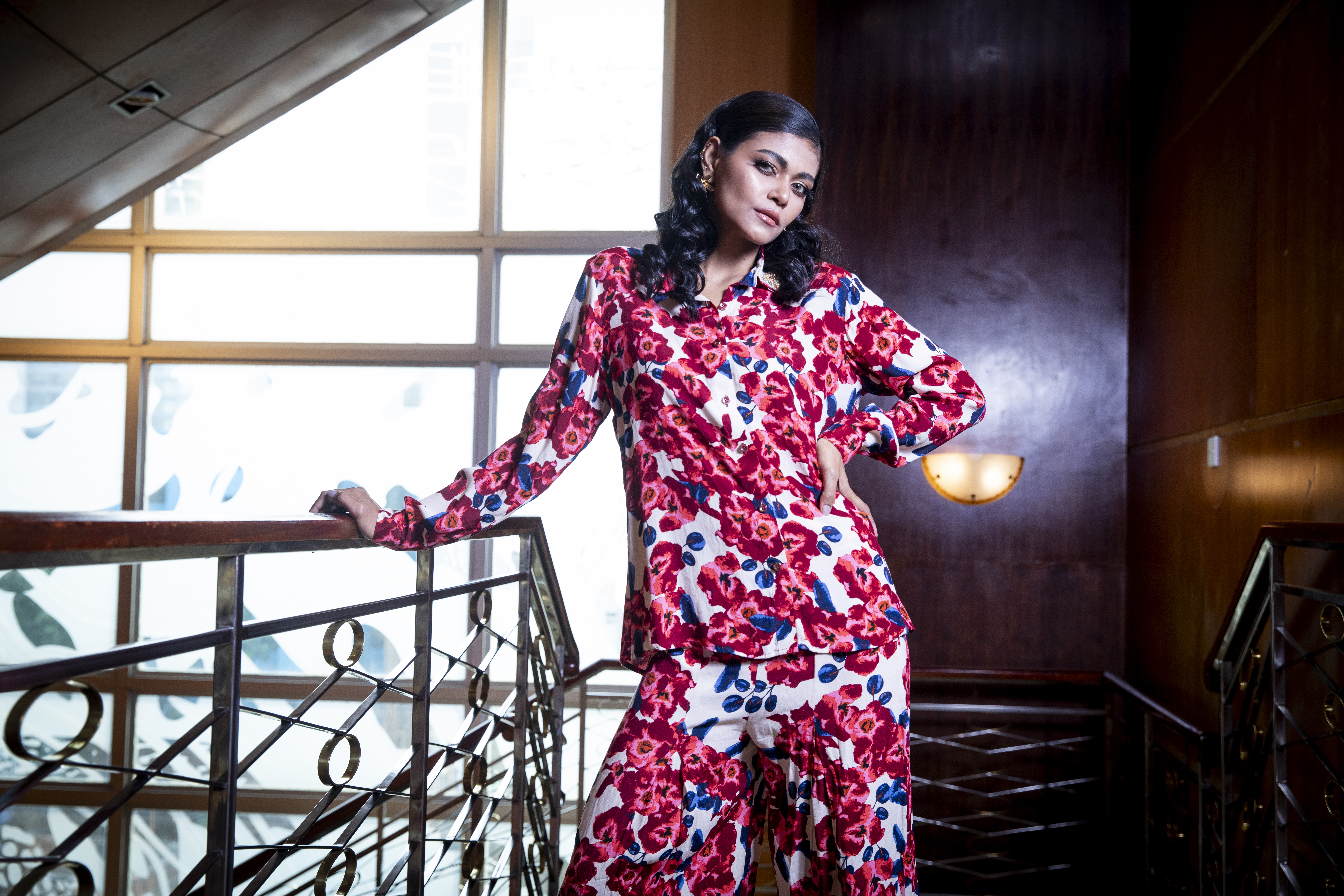
The Real Trend This Eid
If there is one overarching trend this year, it is intention. People are thinking about where they are going before choosing what they are wearing. They are balancing comfort with craftsmanship. They are mixing traditional elements with modern tailoring.
Eid fashion in 2026 is about dressing according to the moment, instead of owning the heaviest outfit in the room. The smartest wardrobes this Eid are curated, not chaotic. They respect comfort without compromising style.
We are no longer dressing just to impress a room. We are dressing to move through the celebration — comfortably, confidently, and with presence — from the first hug of the morning to the last goodbye of the week.
Photo: LS Archive
Comments