


Growing up between the Eid greetings

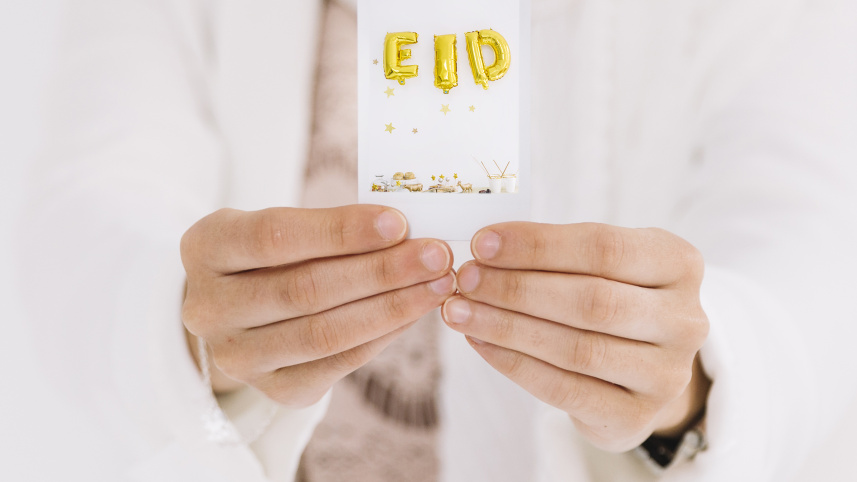
If you grew up in the 90s or early 2000s, I bet you can remember the exact feeling of an Eid card. The slightly rough texture of the paper, the dusting of glitter that stayed on your fingertips, and the smell of fresh ink. Weeks before the new moon of Eid-ul-Fitr or Eid-ul-Adha was even sighted, makeshift stalls would pop up on the street corners. Long trails of Eid cards in every size would hang from strings. Usually, it was the kids who organised these stalls, huddling together in groups to sell these cards.
Choosing the perfect card

I remember approaching my parents with the little money I had saved from my tiffin money, asking them to take me to those stalls or the stationery shops. Choosing the right cards from the hundreds on display was a delightful ordeal. Even though I never had quite enough money to buy a card for every single friend and cousin, the real challenge wasn't the budget—it was the curation. I wanted the absolute best for my inner circle.
My mother always encouraged me to choose thoughtfully, keeping the recipient’s personality in mind. For my cousins and friends, I hunted for cards featuring their favourite cartoon characters. For my elders, Mom would help me pick more elegant designs paired with heartfelt, formal well-wishes.
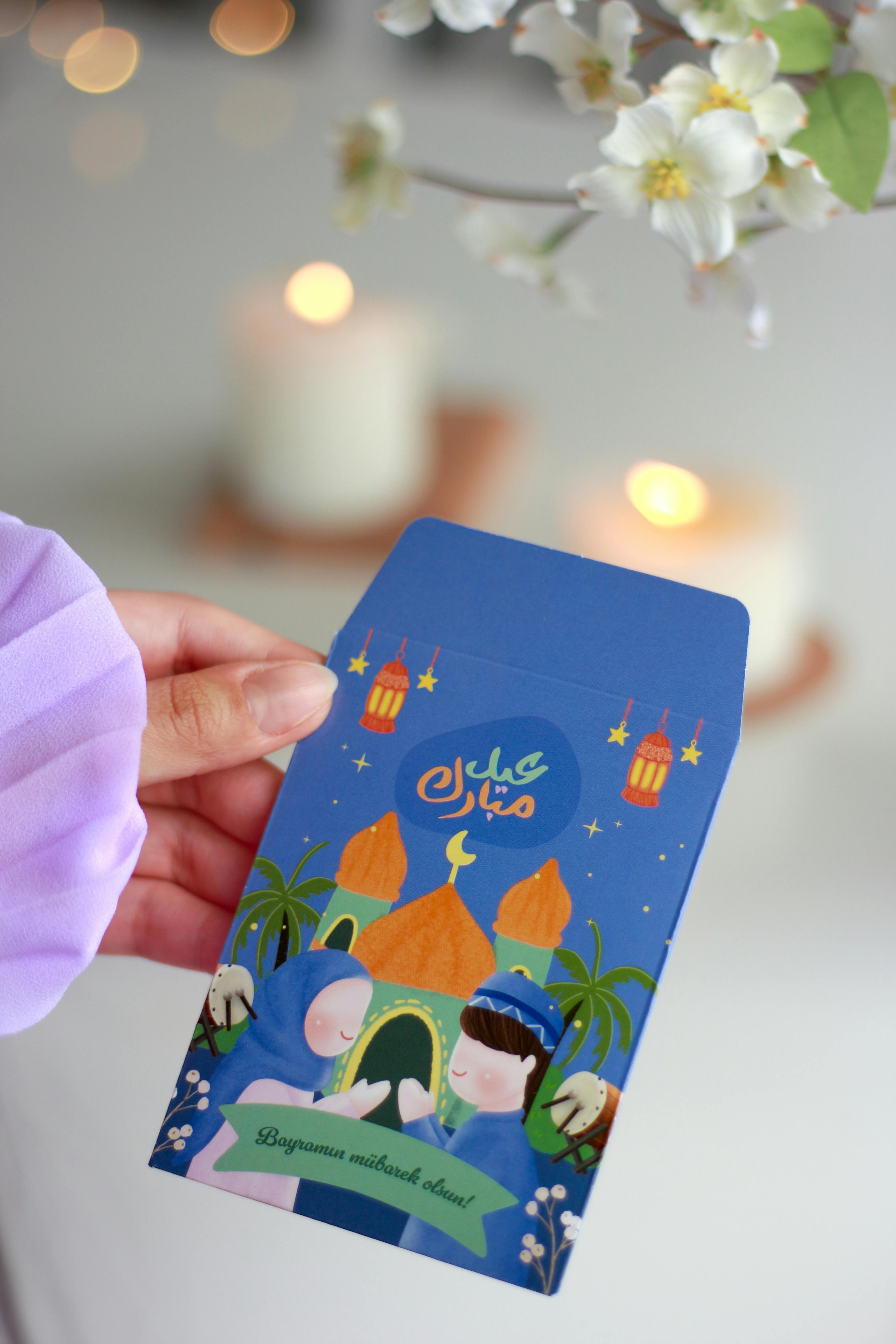
Eid card and excitement
After the "hassle" of finding the perfect match for everyone, the real excitement began: the exchange. We would wait eagerly to see what others had chosen for us. It wasn’t a competition of value, but a competition of thoughtfulness. For those friends we couldn’t see on Eid day, we would wait until school reopened. We’d bring our collections to class, creating an almost exhibition-like atmosphere where we’d showcase our cards on our desks. Back then, I didn’t think to preserve them all. It never occurred to me that these physical eid cards would one day become relics of an old era. We lived with the assumption that there would always be another card next year.
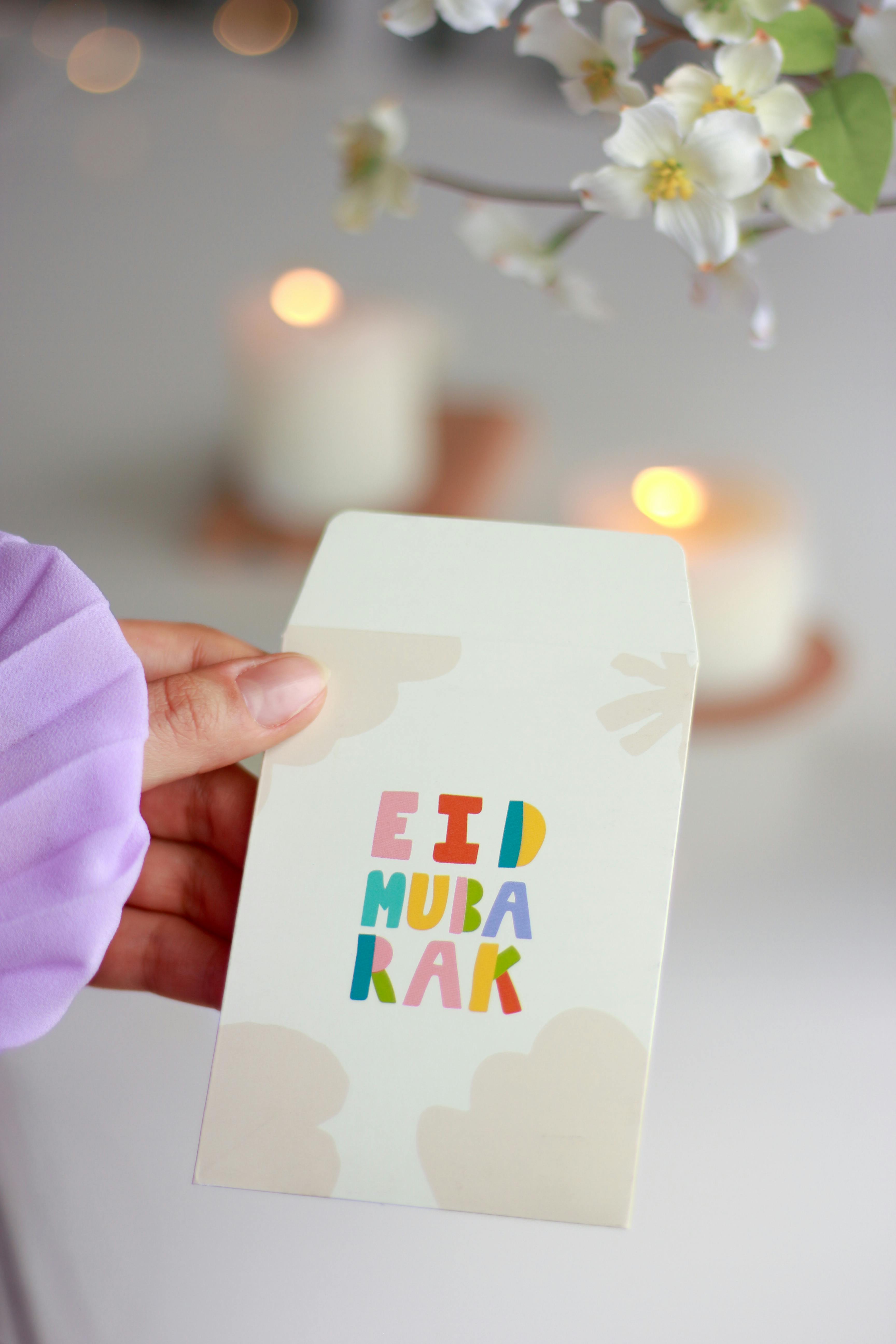
For a long time, those "next years" did come. But then, without even noticing it, a year arrived when I stopped browsing the stalls. We all grew up, and the tradition faded. Luckily, I saved the very last Eid card I received from a friend. The envelope has withered and yellowed over time, but the card inside remains vibrant, the ink still fresh with wishes and love.
Shift to digital cards
Slowly, physical cards were replaced by digital greetings. Back in the early 2010s, I sent my first digital Eid card to an uncle living abroad. My father helped me download a graphic, personalise it, and compose a message. At the time, it felt revolutionary.
As social media matured, texting culture took over. We moved from personalised digital cards to "bulk" greetings. There was a period where everyone’s inbox was filled with those weirdly elongated SMS messages where the words "EID MUBARAK" were formed out of thousands of punctuation marks and symbols. It was a digital mimicry of the effort we used to put into physical cards.
Salami and stickers
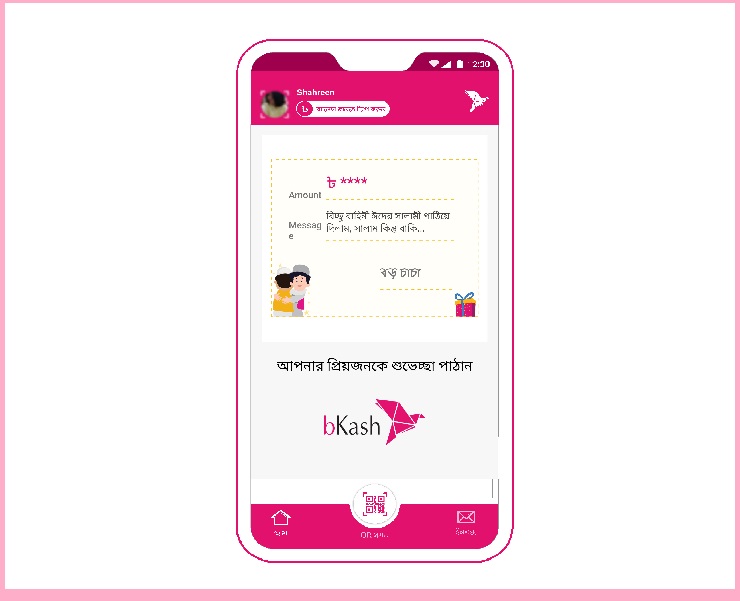
Not long after Facebook walls and DMs became flooded with generic greetings, a new form of exchange emerged. Mobile Financial Services (MFS) like bKash introduced digital stickers for Eid. These weren't just for greetings; they revolutionised the tradition of Salami. Suddenly, Salami wasn't only given to young people by their elders, but friends, classmates, and colleagues began exchanging salami through these apps, attached to colourful digital stickers.
This added a new dimension to our culture. These digital Salamis are often less about the monetary value and more about the gesture. It’s a gentle, modern reminder to one another that, whether we speak every day or only once a year, we are still thinking of each other on these special occasions.
In the end, it isn’t the medium that matters, but the memory we create. We’ve grown up, and the world has moved online, but the joy of a 'Salami' or a heartfelt wish still feels just as bright. The glitter on our fingers may be gone, but the warmth in our hearts is here to stay. Eid Mubarak, then and now.
 For all latest news, follow The Daily Star's Google News channel.
Comments