


The women behind UEFA's stand against Infantino's World Cup sell-off
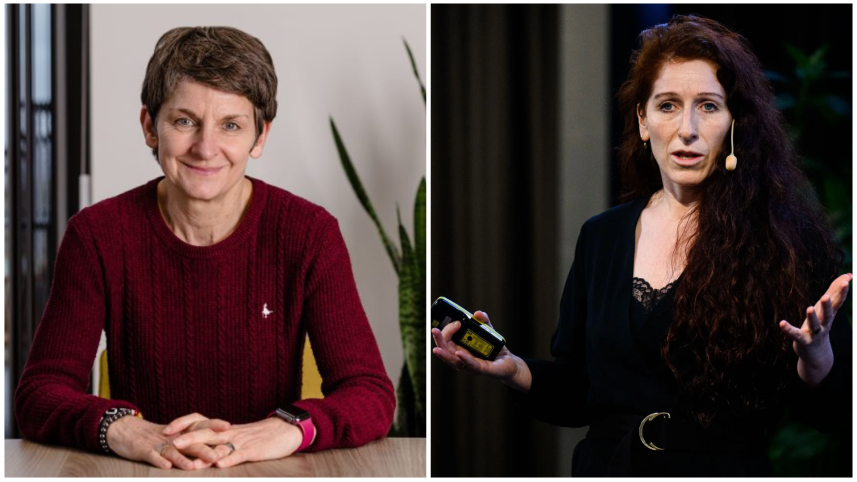
UEFA vice-president Laura McAllister and Norwegian Football Federation president Lise Klaveness emerged as two of the leading figures behind European football's opposition to FIFA's abandoned World Cup investment proposal.
Citing multiple sources familiar with UEFA's emergency meeting involving around 150 officials, The Athletic reported that McAllister was among the first senior figures to call for a full boycott of FIFA competitions if president Gianni Infantino pressed ahead with plans to sell a minority stake in the commercial rights of the World Cup through the proposed FIFA Forward Enterprise (FFE). The report added that, apart from UEFA president Aleksander Ceferin, no officials were more vocal in calling for decisive action than McAllister and Klaveness.

Klaveness, the only other woman on UEFA's 21-member executive committee, was reported to have outlined a governance pathway and possible next steps should FIFA's leadership face a broader challenge.
UEFA subsequently voted unanimously to boycott FIFA competitions unless the proposal was withdrawn. Facing growing opposition from UEFA, CONCACAF and the Asian Football Confederation, which expressed solidarity with UEFA's concerns, FIFA shelved the proposal, admitting it had "created divisions" that were no longer in the organisation's interests.
In the aftermath of FIFA's climbdown, McAllister and Klaveness became two of UEFA's leading public voices, criticising the governing body's handling of the proposal and describing the process as "economic blackmail".
Both women are former international footballers, with McAllister representing Wales and Klaveness earning 73 caps for Norway. Their playing backgrounds, combined with years in football administration, have helped establish them as influential voices on governance and ethical issues within UEFA.
McAllister became the first Welsh representative elected to UEFA's executive committee in 2023 and later helped expand the number of female-designated seats from one to two. Klaveness, elected president of the Norwegian Football Federation in 2022, became the first woman to lead the organisation in its 120-year history.
Klaveness has previously challenged FIFA over World Cup hosts and wider human rights issues, while McAllister has campaigned for greater female representation in football leadership, LGBTQ+ rights and higher ethical standards.
Their prominence during the dispute has also renewed attention on the underrepresentation of women in football's senior decision-making bodies. Women occupy only eight of the 37 seats on the FIFA Council, while just 10 of FIFA's 211 member associations are led by female presidents.
At UEFA, only two of the 21 executive committee seats are designated for women.
According to The Athletic, many officials within UEFA and FIFA believe the episode has reinforced the importance of greater female representation in football's highest decision-making bodies at a time when governance has become one of the sport's defining issues.
 For all latest news, follow The Daily Star's Google News channel.
Comments