


A historic Australia tour, but are the Tigresses ready?

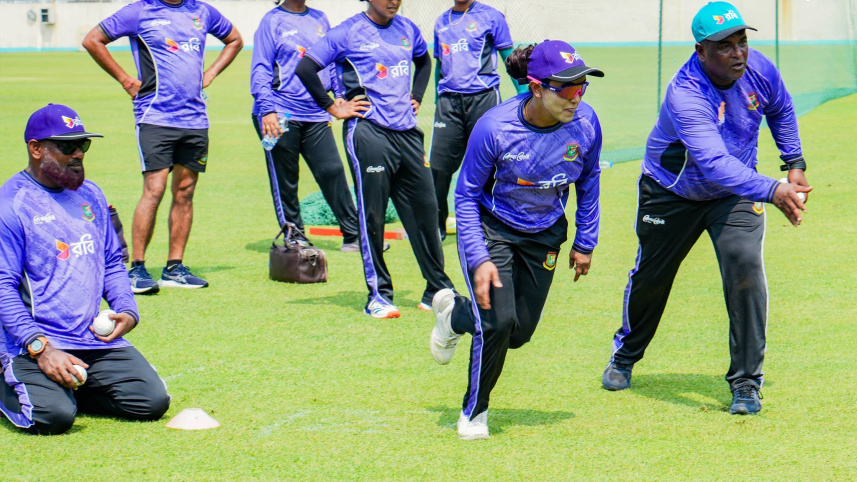
Bangladesh’s women have had two years to prepare for their first-ever bilateral ODI series in Australia. Yet, as the Tigresses prepare to face the world champions, their squad suggests they remain short of the depth needed to compete at this level.
That is the uncomfortable reality behind a tour that should represent a major step forward for Bangladesh women’s cricket.

The three-match Women’s Championship series, beginning on October 9, was included in the Future Tours Programme in 2024.
Bangladesh knew it was coming, along with the demands of facing Australia in their own conditions.
The three-match Women’s Championship series, beginning on October 9, was included in the Future Tours Programme in 2024.
So the question is not whether this is a historic tour. It is whether Bangladesh are ready for it.
The pace attack offers the clearest warning.
Uncapped pacers Disha Biswas and Habiba Islam Pinky have been included in the 16-member squad, leaving Marufa Akter as the only frontline seamer, with Ritu Moni another seam option. Fariha Trisna’s injury has further reduced Bangladesh’s choices.
Uncapped pacers Disha Biswas and Habiba Islam Pinky have been included in the 16-member squad, leaving Marufa Akter as the only frontline seamer, with Ritu Moni another seam option.
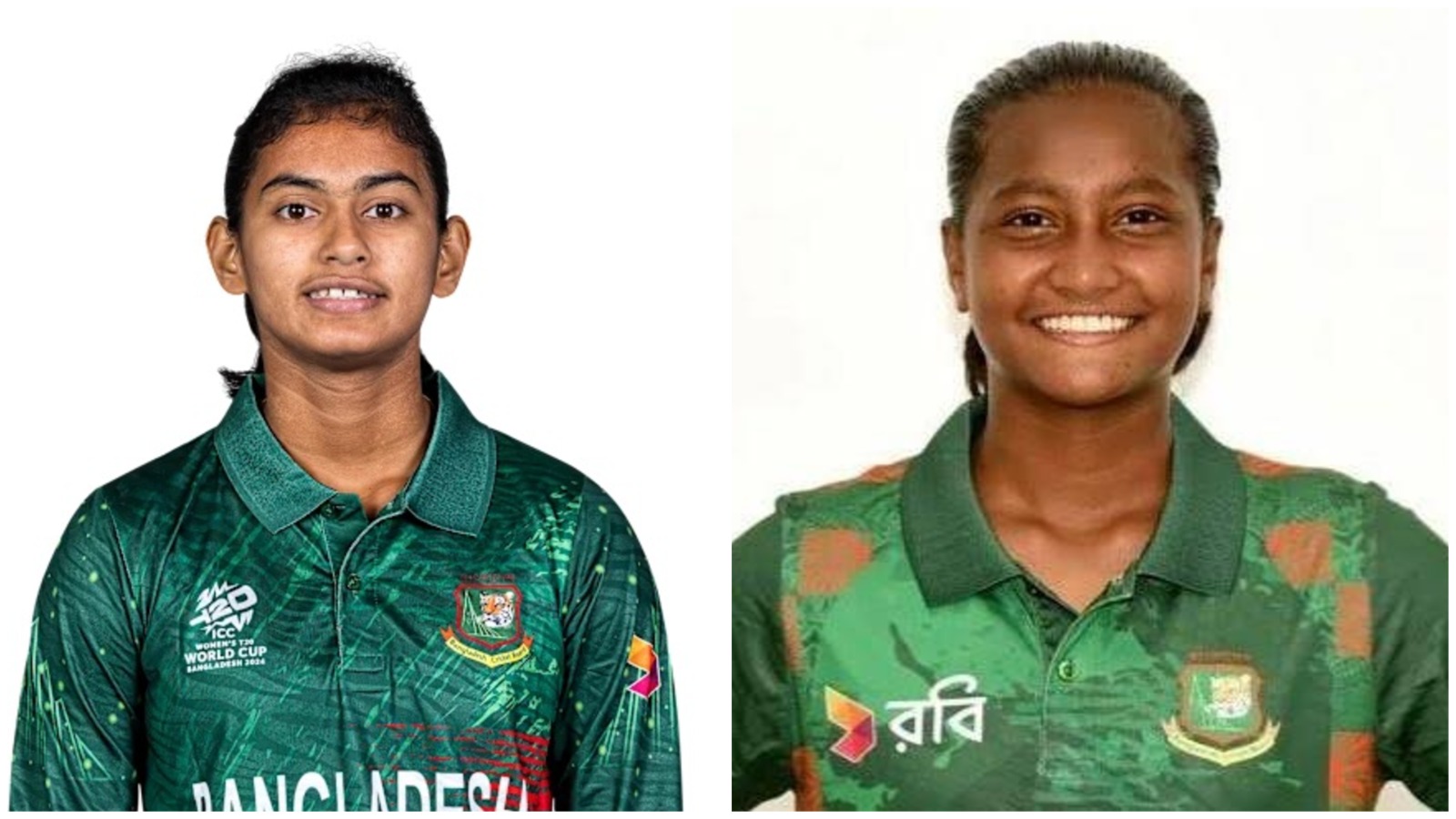
Giving young pacers an opportunity is not the issue. The concern is that Bangladesh have so little proven depth that two uncapped bowlers are being asked to step into a first-ever ODI series in Australia, where pace could be one of their biggest weapons.
There is an added irony. Australia’s selectors have identified Bangladesh’s bowling, particularly their pace attack, as an area capable of testing their batters. Shawn Flegler has described the Women’s Championship series as a vital test for Australia while highlighting the quality of Bangladesh’s bowling.
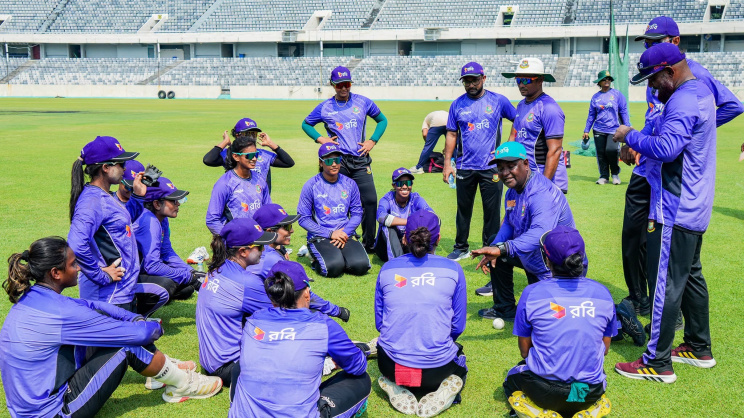
Bangladesh should be viewing Australia in much the same way. But the squad raises questions about whether enough has been done to build towards that challenge.
Recent results offer little comfort.
Bangladesh beat Pakistan and the Netherlands at the ICC Women’s T20 World Cup in England but lost their other three matches before exiting the Asia Cup in the semi-finals. At the Asian Games, they returned without a medal for the first time after losing the place-deciding match to Pakistan.
Results alone do not define a team, but the pattern points to a persistent gap between Bangladesh and the leading sides. Nowhere is that more obvious than in the batting.
Results alone do not define a team, but the pattern points to a persistent gap between Bangladesh and the leading sides. Nowhere is that more obvious than in the batting.
Bangladesh have repeatedly struggled to post competitive totals against top opposition. Against Australia, they cannot keep expecting their bowlers to repair the damage. If the batting fails again, even a promising bowling attack may not be enough to keep them in games.
That makes this more than a historic first. Bangladesh have known for two years that this challenge was coming. They have had time to build depth, develop their next generation and prepare for conditions unlike those at home.
The Tigers’ recent Test win in Darwin showed what a statement performance in Australia can mean for Bangladesh. These chances to face the world’s leading teams on their own turf are rare, and they can change how a team is perceived.
 For all latest news, follow The Daily Star's Google News channel.
 The Tigresses now have their own chance to make an impression. But once the first ball is bowled, there can be no hiding behind the occasion. Australia will expose whatever Bangladesh have failed to prepare for.
The tour may be historic. But history means very little if you arrive underprepared.
Comments