Unsafe pesticide use in Bangladesh: Are we poisoning our food in the name of productivity?
Agricultural crops are frequently affected by pests, weeds and diseases, which can significantly reduce crop yields and compromise food security. To address these challenges, pesticides have been widely adopted as an effective tool for protecting crops, minimising losses and enhancing productivity. Over the last few decades, Bangladesh has witnessed a dramatic increase in pesticide consumption. Reports indicate that pesticide imports rose from 3,000 metric tonnes in 1990 to over 45,000 metric tonnes in 2021 (DoE, 2022).
An expert from the Bangladesh Agricultural Research Institute (BARI) reported that chemical fertiliser use has increased from 8.8 kg per hectare to 700 kg per hectare. Data from the Department of Agricultural Extension (DAE) show that approximately 77% of farmers apply pesticides more than twice during a cropping season, while nearly 95% do not observe the recommended pre-harvest interval (PHI) before harvesting. According to scientific research reported by the Soil Resource Development Institute (SRDI) in 2022, about 80% of the country's agricultural land is losing organic matter. The SRDI's research has also raised serious concerns about soil contamination and food safety in the country. A Bangladesh Bureau of Statistics (BBS) survey conducted in 2025 found that 44.37% of farmland is productive and sustainable, but only 1.20% qualifies as highly efficient.

Given the way pesticides are currently used, regulating and controlling their spread and effects is extremely difficult. Pesticides disperse through the air, soil and water, eventually spreading far beyond the areas where they are applied. Once released into the environment, pesticides can have a variety of consequences. Directly applied pesticides may be washed away by surface runoff, or they may percolate through the soil into deeper layers and groundwater. They can alter soil microbial diversity, inhibit soil respiration and contribute to soil infertility. In Bangladesh, pesticide-induced topsoil contamination has become a major environmental concern. One study reported that the application of 1 kg of pesticide per hectare can contaminate the upper 30 cm of soil. Another long-term study conducted in rice fields in the Jhenaidah and Kushtia districts found that the combined use of chemical fertilisers and different pesticides significantly reduced the nitrogen and carbon content of the soil, indicating a deterioration in soil quality.
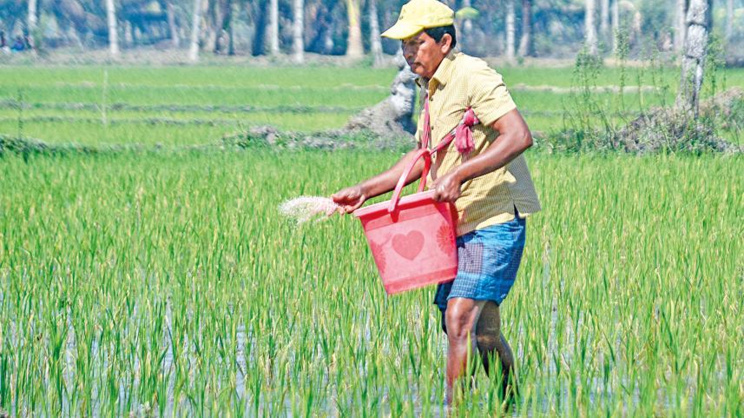
Farmers in developing countries often have limited knowledge of the proper handling of pesticides and face a higher risk of health hazards due to excessive exposure and inappropriate application procedures. Alarmingly, only 4% of farmers understand proper pesticide use, while 47% are completely unaware of appropriate safety measures and take no precautions. The recurring detection of multiple pesticide residues in vegetables over the past decade underscores the growing risks to human health. Pesticide exposure can cause a variety of health problems, both chronic and acute, among farmers and consumers alike. Major health impacts associated with chronic exposure include cancer, reproductive and endocrine disruption, neurological damage and immune system dysfunction. A survey conducted by the National Institute of Cancer Research and Hospital (NICRH) found that 64% of cancer patients in Bangladesh are farmers, with unsafe pesticide application practices identified as a major contributing factor.
Due to their acute risks to human health and the environment, at least 17 active pesticide ingredients have been classified by the Food and Agriculture Organization (FAO) and the World Health Organization (WHO) as highly hazardous pesticides (HHPs) worldwide, particularly because of their persistence, bioaccumulation and long-term harm to non-target organisms. Paraquat and glyphosate are among the most hazardous of these pesticides. Around 70 countries have banned paraquat due to its extreme toxicity, while more than 10 countries have banned glyphosate. However, Bangladesh continues to use both. A study by the Bangladesh Crop Protection Association (BCPA) identified 25 highly hazardous pesticides (HHPs) that are registered and currently used in Bangladesh, raising significant concerns about public health and environmental safety.

These problems are largely caused by weaknesses in pesticide governance, including inadequate monitoring, weak enforcement, poor institutional coordination and limited accountability. Insufficient oversight of pesticide sales and use, along with inadequate training and awareness, has contributed to the misuse and overuse of pesticides. This reveals a significant gap between existing policies and their effective implementation. The Department of Agricultural Extension (DAE), under the Ministry of Agriculture (MoA), is the principal agency responsible for enforcing pesticide-related laws in Bangladesh. Despite its institutional responsibilities, the DAE appears to exercise limited oversight of local markets, where farmers continue to use numerous unknown and unregistered pesticide products. Illegal, expired and highly hazardous pesticides are reportedly entering the country through unauthorised channels and being sold without regulatory approval. Furthermore, the DAE website does not provide up-to-date data on pesticide registration, monitoring or enforcement, limiting transparency and public access to current information.
A survey conducted by the National Institute of Cancer Research and Hospital (NICRH) found that 64% of cancer patients in Bangladesh are farmers, with unsafe pesticide application practices identified as a major contributing factor.
At the local level, farmers lack access to lists of registered pesticides and adequate safety guidance. Many are unaware of the importance of personal protective equipment (PPE) or what to do in cases of pesticide poisoning. Consequently, farmers tend to rely directly on dealers and retailers rather than agricultural officers, as dealers are more accessible and readily available. This dependence can contribute to inappropriate pesticide use and increased health risks. However, the Department of Agricultural Extension (DAE) has instructed local authorities to verify pesticide registrations before laboratory testing. It also has the authority to immediately seize unregistered products and initiate legal action through mobile courts in cases of violations. The DAE has also issued instructions prohibiting the sale of pesticides, particularly high-risk chemicals such as glyphosate and paraquat, in damaged packaging or open bottles due to the serious risks they pose to public health, livestock and the environment. Nevertheless, these pesticides continue to be used by farmers without effective regulatory intervention.
The Pesticides Act, 2018, established a comprehensive regulatory framework to control the entire lifecycle of pesticides, including their import, manufacture, formulation, packaging, repackaging, sale, distribution and use, with the aim of safeguarding human, animal and environmental health. The Act mandates the compulsory registration of pesticide brands and prohibits the approval of products that pose risks beyond their targeted pests. It empowers the relevant authorities to cancel registrations, restrict the import of adulterated or misbranded pesticides, revoke the registration of ineffective pesticides and enforce compliance through testing laboratories and expert advisory bodies.
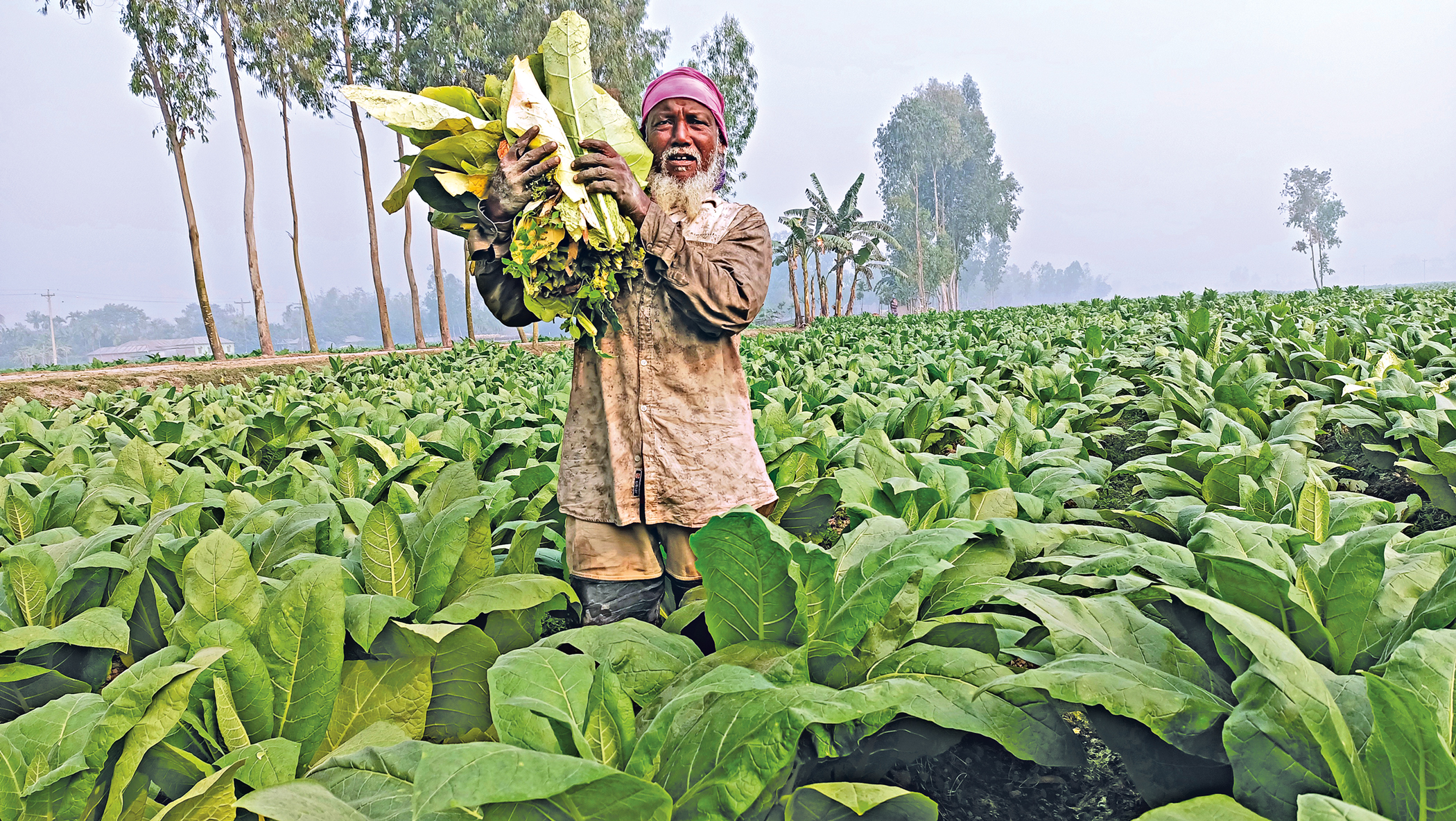
The Act also requires mandatory testing of imported pesticide samples before their release onto the market and authorises inspectors to collect samples, conduct searches and seize products where necessary. It further strengthens the enforcement framework by providing for the confiscation of illegally marketed pesticides and empowering mobile courts to adjudicate certain pesticide-related offences. These provisions have the potential to strengthen regulatory control over the pesticide market, provided that the relevant authorities ensure effective monitoring, accountability and enforcement. However, there is little visible evidence of penalties being imposed or illegal, adulterated or misbranded pesticides being seized, raising serious concerns about the effectiveness of the Act's implementation. Conversely, the Act has certain limitations from a farmer-protection perspective. In particular, it does not establish a clear and comprehensive mechanism for compensating farmers who suffer financial losses, health problems or environmental harm resulting from pesticide contamination, improper application or misuse. The absence of such remedial provisions limits the Act's effectiveness in ensuring adequate protection and access to redress for affected farmers.
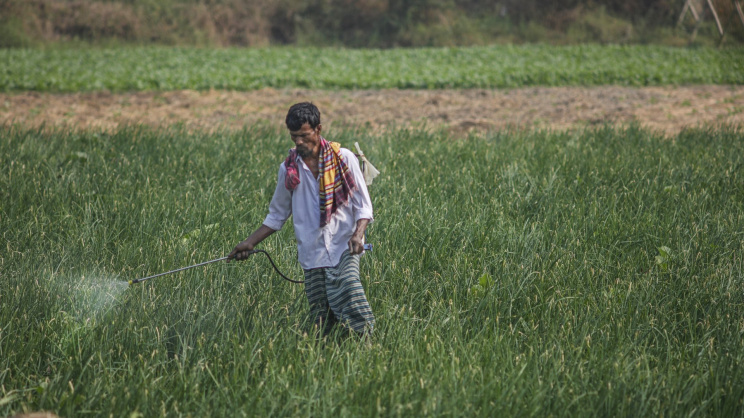
Despite these legal provisions, existing regulatory measures have failed to effectively control the use of unsafe pesticides and prevent food contamination. Political and institutional apathy, coupled with weak enforcement, has undermined the effectiveness of the existing legal framework. The government must ensure strict enforcement of the law, hold responsible authorities and pesticide companies accountable for violations, and prioritise the health and interests of farmers and consumers over commercial interests. Without effective monitoring, meaningful penalties and legal accountability, existing laws will remain largely ineffective.
Rehmuna Nurain is Research, Campaign and Advocacy Coordinator, and Bareesh Hasan Chawdhury is Policy and Campaign Coordinator at the Bangladesh Environmental Lawyers Association (BELA).
Send your articles for Slow Reads to slowreads@thedailystar.net. Check out our submission guidelines for details.

Can AI fix what cheap labour cannot in Bangladesh?

Bangladesh's Article 26 challenge: Reforming laws, protecting workers' rights

The double burden behind women’s empowerment
Pets, companions, kin: Rethinking the human-animal relationships
Between Gabura and India: Work, loss and unequal choices

Fewer fish, higher costs: The struggle of Bangladesh’s Hilsa fishermen

Duli to Baaji: Whose gaze shapes indigenous representation?

The everyday resistance of Rohingya women the world rarely sees
The banyan tree that became a restaurant for birds