The double burden behind women’s empowerment

When Dr Karl Deisseroth, this year’s Nobel Prize winner in Physiology or Medicine, took a short break from speaking to journalists to prepare school lunches for his children, it became news all over the world. A world-renowned scholar was celebrated by the press and the public simply because he took part in a routine responsibility of fatherhood.
Meanwhile, amid the rush of a bustling hospital, a doctor was receiving call after call from home because her own daughter was suddenly running a fever and apparently nobody else in her family could take care of the child for a few hours. A professor in another part of the city was seen celebrating her baby’s first steps through a video call because of limited paid maternity leave. A banker, in between meetings, was checking her phone from time to time for a live feed from a camera she had installed at home so she could watch her child snooze from a distance she did not choose. An executive at another MNC had stopped counting the number of days she had to leave work to pick up her child from school, only to be called a bad employee and, often, a bad mother.
None of these women has ever made, or will ever make, the news for working to become successful in her professional life while, at the same time, trying to manage her home with little to no support.
These are modern Bangladeshi women who were born and raised in a system that had only just learnt to become reasonably comfortable with the concept of women’s empowerment and thus ‘allowed’ its girls to get an education and a job. But this is also the same system that has yet to learn how to provide the necessary support to its ‘empowered’ women, who are still expected to fulfil their roles as daughters, wives, mothers and daughters-in-law.
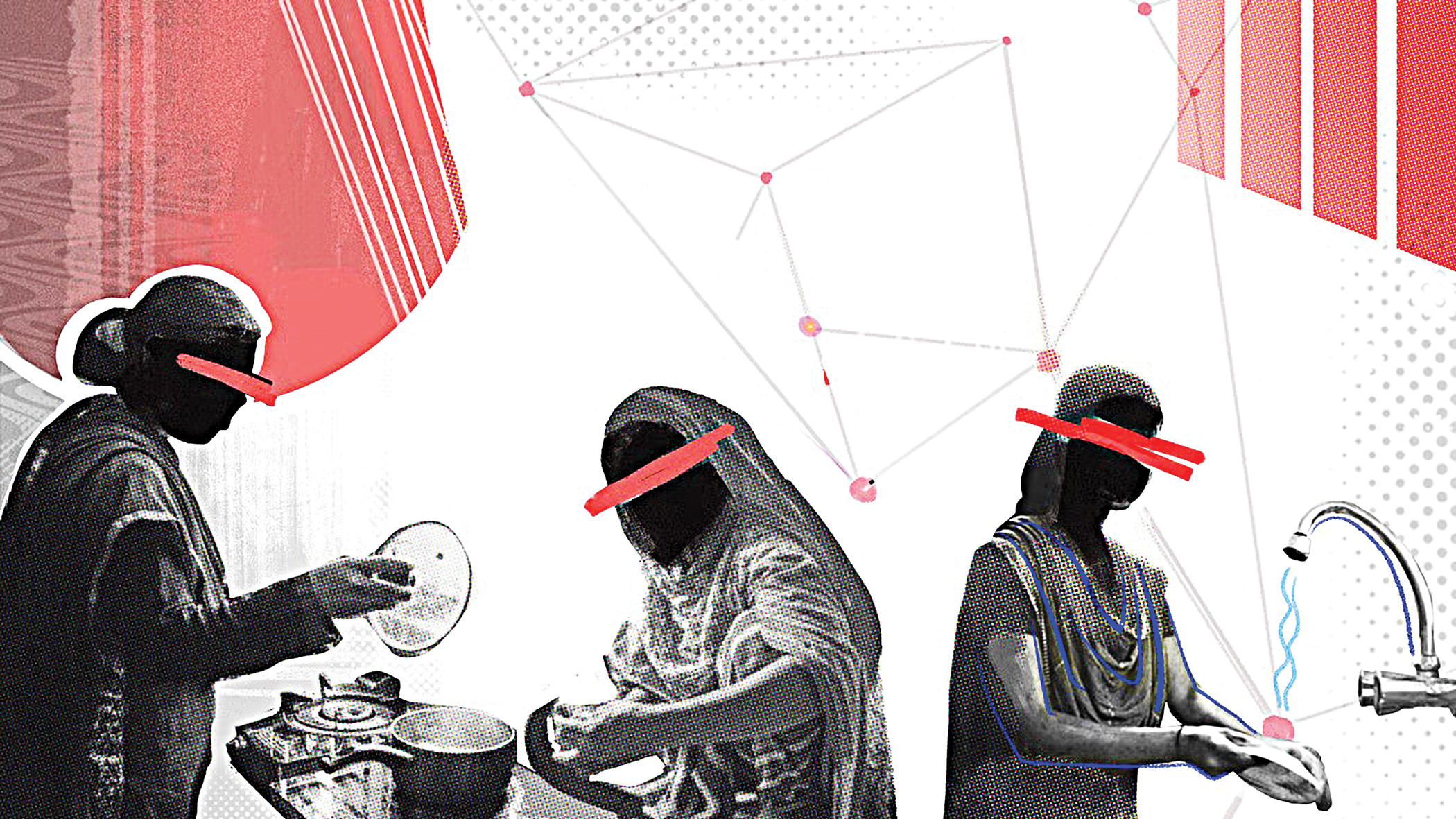
These women are very real, living around us while silently carrying the burden of society’s fathomless expectations on their shoulders. Each of the working mothers mentioned here, a doctor, a teacher, a banker and an executive, described in her own words the same quiet exhaustion she experiences on a daily basis. Our modern society does celebrate these women by labelling them ‘supermoms’, the strong, resilient working mothers of today, yet it hardly ever questions why they have to be so strong or resilient in the first place.
Bangladesh enjoys showcasing its own narrative of progress concerning women, and it is, to some extent, accurate. Approximately 40 percent of Bangladeshi women are currently employed, a percentage that has been rising for the past several decades. However, the price a woman pays to be financially independent is not reflected in these numbers, so these sacrifices continue to go unnoticed. For these women, progress has not equated to ease; instead, it has resulted in working two full-time jobs, one of them invisible.
Interestingly, it is not their struggle that is surprising; rather, it is how little support they receive from their families, workplaces, communities and government.
In Bangladesh, we continue to view women’s success as an outcome of equality, of opening doors and allowing women to occupy the same positions in the workplace as men. But establishing equality was never the only challenge. The challenging aspect has always been promoting equity, recognising that a woman entering through an open door is carrying a burden that her male counterpart is not. Ignoring this lack of equity only makes the weight carried by women more invisible. While equality enabled these modern women to sit in lecture halls, hospital wards and bank offices, most of these opportunities came with a meal waiting to be prepared, homework waiting to be completed and a bedtime story waiting to be told.
So what would help make life a bit easier for these women to navigate? The professional women mentioned in the opening vignette said they would like more assistance from their family members; employers and workplaces that understand and support the responsibilities of working mothers; improved parental leave policies for fathers; and dependable, trustworthy daycare facilities within a convenient distance of their homes or offices.
None of these are radical ideas. As one mother put it simply, ‘Raising a child should not just be a mother’s responsibility.’ This is the bare minimum that equity should entail; the fact that it still sounds idealistic shows how far we, as a society, have yet to go.
Studies on career ‘duality’ among professional women in Bangladesh have consistently identified the same obstacles: a lack of maternity rights and childcare facilities, as well as workplace policies that continue to lack the flexibility required to accommodate women’s multifaceted responsibilities. In terms of practical solutions, research on working mothers in Bangladesh’s banking and healthcare sectors suggests that mothers’ work-related stress is measurably reduced by practical, shared family labour rather than merely by kind words of appreciation or the glorification of their constant struggles. According to findings from another recent study, mothers in Dhaka who had access to trustworthy childcare facilities reported significantly improved job performance and reduced stress associated with childcare.
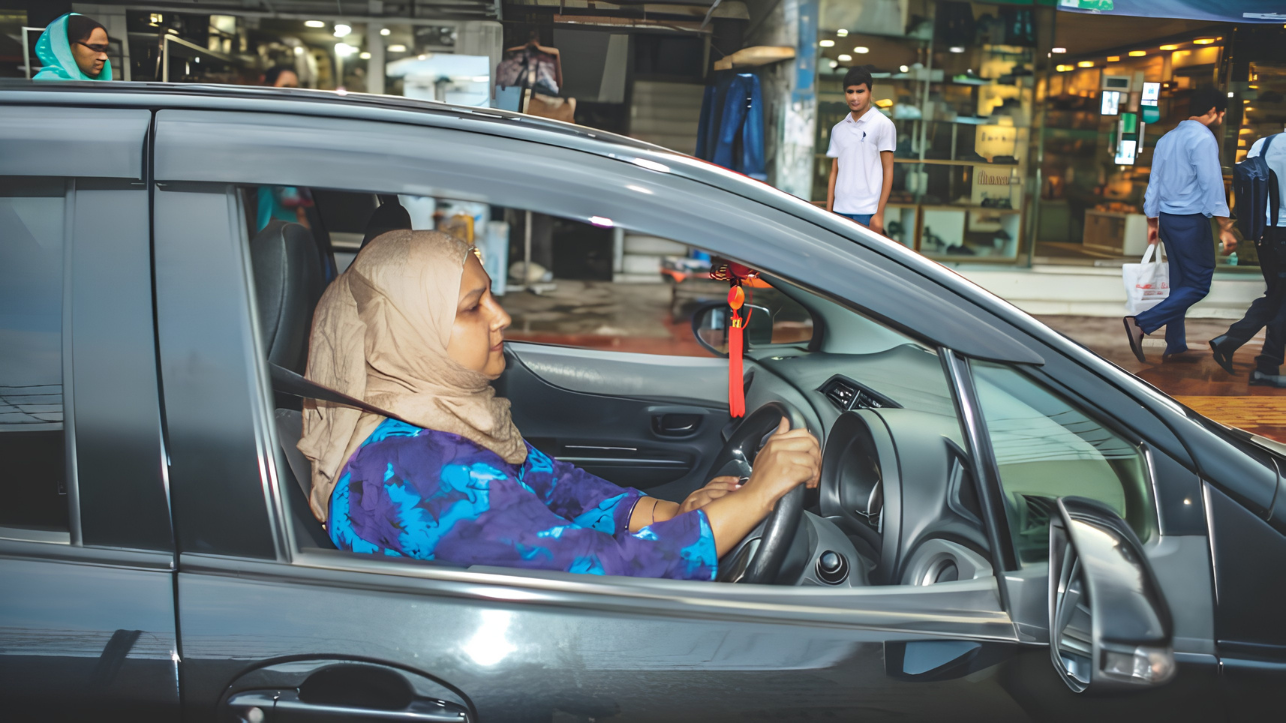
However, merely facilitating improved childcare services or implementing workplace policies such as flexible hours or remote work for these struggling working mothers may not be sufficient in the long run. A fundamental factor behind the endless ordeals faced by modern women that deserves much more attention is the persistence of inflexible gender stereotypes and unrealistic cultural expectations.
Unfortunately, while our modern South Asian society is gradually learning to prioritise education and employment for its daughters, it has hardly made any tangible effort to teach its sons basic life skills, such as simple household chores that are still largely considered women’s responsibilities.
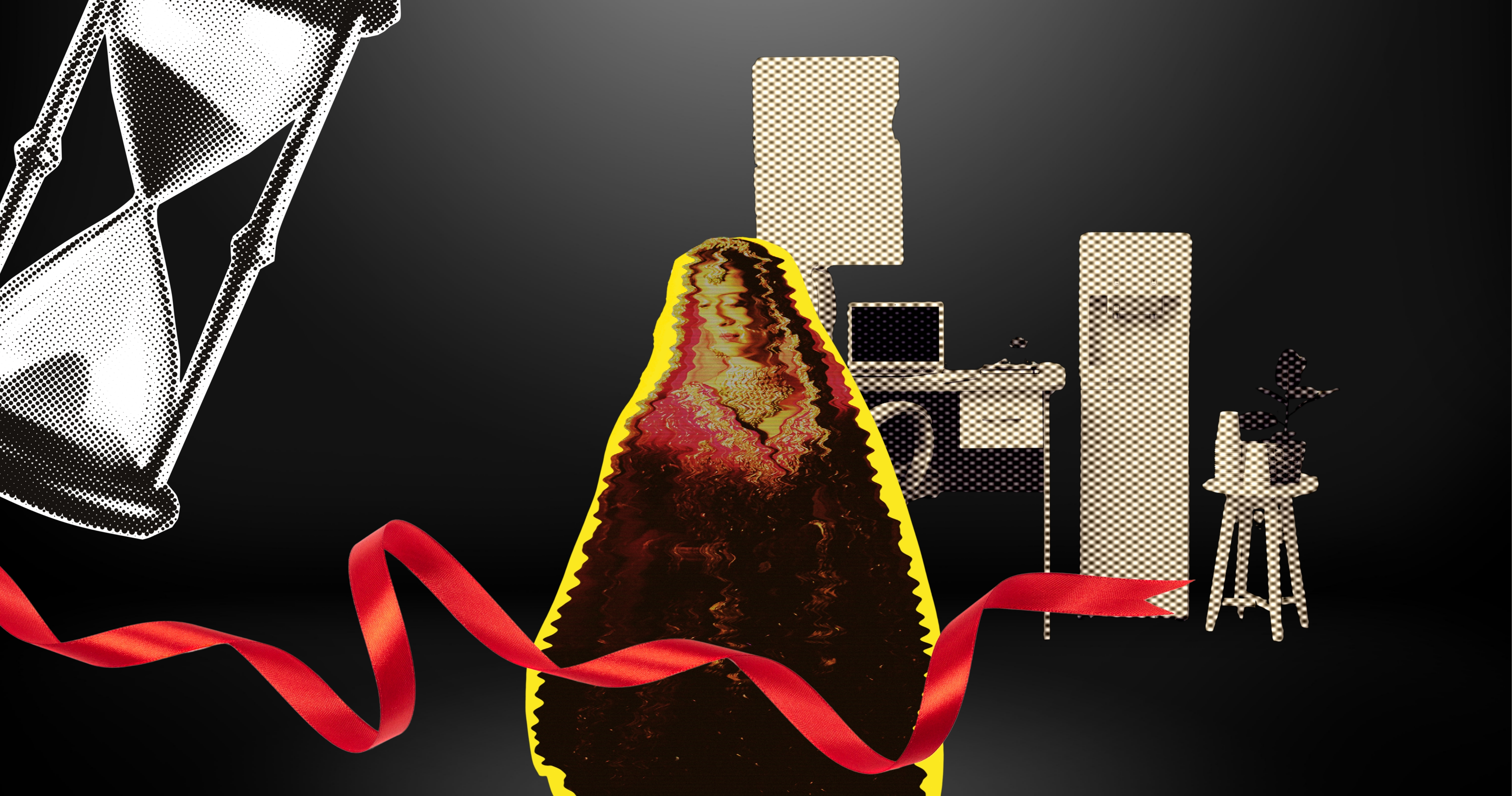
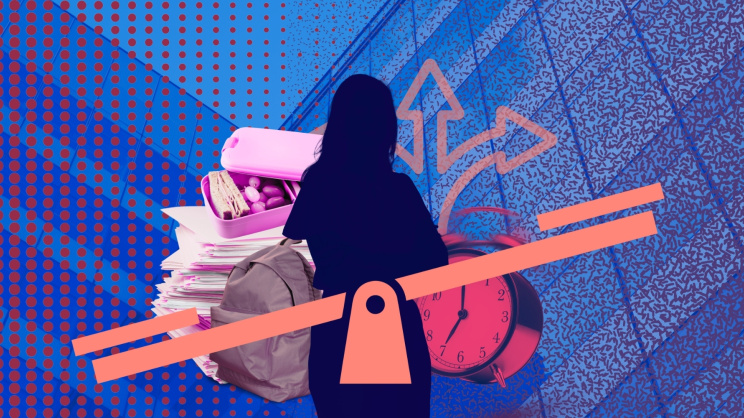
When a modern couple returns home from their day-long jobs, the woman is still expected to cook meals for the family, among other things, with barely any support from other family members, while the man can simply sit in front of the television and enjoy some time to relax, with absolutely nobody making a fuss about it. In fact, if we dig deeper, it becomes evident that many of these modern women are even ‘allowed’ to step outside their homes for work only when they can provide an assurance that they will make no compromises when it comes to their family commitments.
None of these women seeks sympathy for or the glorification of her sacrifices. They want to be heard and understood. Unfortunately, they are part of a system that has somewhat managed to give them a semblance of equality on paper; however, in reality, equity is what they need to make their inclusion sustainable. It is a system that allows a woman to treat countless patients and still makes her feel as though she is failing her own daughter; where a husband’s ‘help’ is viewed as generosity rather than a duty and is thus celebrated by the entire world; and where shared parenthood remains far from becoming a reality. For a country that celebrates women’s growing economic participation every Women’s Day, it provides almost none of the resources women need to make it work.
These modern women deserve the support they need: genuine support from their partners; shared responsibilities within households; workplaces that understand the specific needs of working mothers; daycare facilities they can trust; school buses that can ensure the safety of their children; and, most importantly, a society that is willing to adjust its expectations and redefine its norms to make women’s lives easier. Otherwise, modern women will continue to take on ‘double shifts’ while their struggles continue to be romanticised.
Nadia Afroze Disha is a Lecturer in Marketing at BRAC Business School, BRAC University.
Nusrat Jabeen Aziz is an undergraduate researcher at BRAC Business School, BRAC University.
Send your articles for Slow Reads to slowreads@thedailystar.net. Check out our submission guidelines for details.
Pets, companions, kin: Rethinking the human-animal relationships
Between Gabura and India: Work, loss and unequal choices
Fewer fish, higher costs: The struggle of Bangladesh’s Hilsa fishermen
Duli to Baaji: Whose gaze shapes indigenous representation?

The everyday resistance of Rohingya women the world rarely sees

The banyan tree that became a restaurant for birds
What did we ask about Mariam while she was still alive?
Why Dhaka cannot simply ban the rickshaw
The elephants had to be rescued again. Where is the accountability?