


Closing Policy Gaps to Unlock Climate Finance for Women and Youth
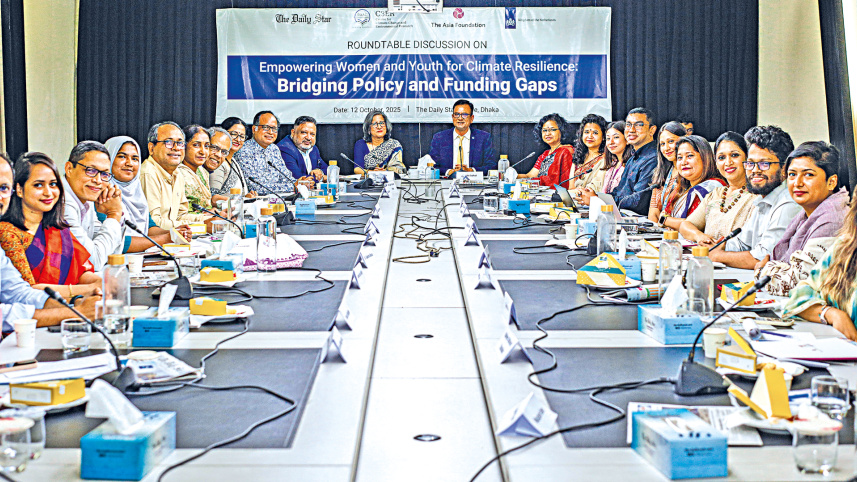
A roundtable titled “Empowering Women and Youth for Climate Resilience: Bridging Policy and Funding Gaps” was held on October 12, 2025, at The Daily Star Centre in Dhaka. The event was jointly organised by The Asia Foundation, The Daily Star, and the Centre for Climate Change and Environmental Research (C3ER) under the Green Voices project—an initiative supported by the Embassy of the Kingdom of the Netherlands and implemented by the Asia Foundation in partnership with Bonhishikha and The Earth. The discussion highlighted policy, financing, and institutional barriers limiting women’s and youth’s participation in climate governance. Through this dialogue, Green Voices seeks to foster inclusive approaches to climate action in Bangladesh and open pathways toward potentially transformative outcomes.
On the occasion of International Women’s Day, this supplement reaffirms a shared commitment to an equitable society where every woman can live with dignity and exercise her leadership with confidence.

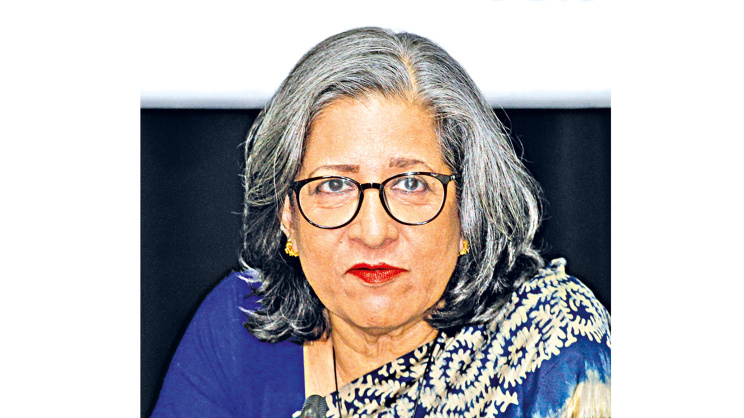
Farah Kabir
Country Director
ActionAid Bangladesh
For 15–20 years, climate justice work in Bangladesh has highlighted persistent gaps: lack of disaggregated data, weak inter-ministerial coordination, and inadequate investment. Women and youth, once underestimated, now clearly understand climate impacts and actively contribute to solutions, from grassroots adaptation strategies to emergency response and renewable energy practices. Policies have evolved from these community-led initiatives, yet implementation and funding gaps remain. Advocacy must focus on increasing investment, with ambitious targets, gender-sensitive and youth-specific platforms, capacity building, and continuous political accountability. The solutions I would like to propose include creating a national climate fund ring-fenced for women and youth, developing a comprehensive climate data dashboard aggregating NGO and government data, and strengthening local government access to climate information. Integrating climate into education curricula and supporting research, innovation, and venture funding for youth-led and women-led initiatives are essential. Moreover, sustained activism, transparent governance, and strategic funding are critical to transform policies into real adaptation and resilience outcomes.
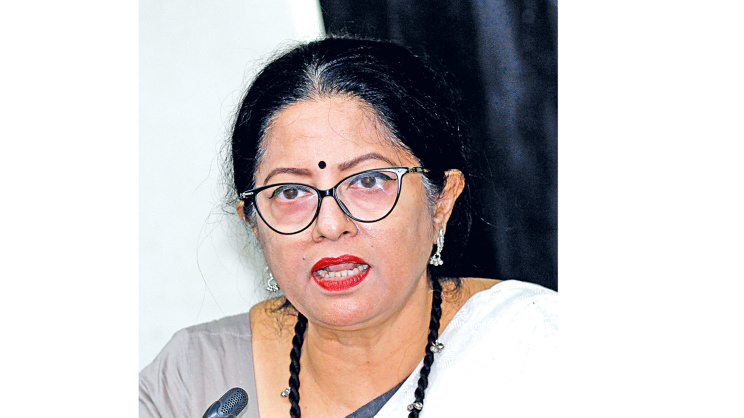
Dilruba Haider
Programme Specialist, DRR/CCA/HAS
UN Women
Work on climate change, gender equality, and disaster risk reduction must continue, despite limited progress over the years. While 25 ministries are engaged in climate-related actions, this should not be viewed as fragmentation but rather as progress, since these issues are inherently cross-cutting and require an all-of-government approach. However, duplication of efforts exists, making stronger coordination essential. A model similar to the inter-ministerial disaster management committee could help align actions, reduce overlap, and enhance collective impact. The second key point is the need for disaggregated data. Without baselines and indicators, meaningful target-setting is impossible. All actors, including government and development partners, must prioritise collecting and reporting disaggregated data, even within routine programme monitoring. Finally, social norm change is crucial. Progress on gender, youth, and other vulnerable groups remains slow because societal beliefs are not shifting. Integrating social norm change into all initiatives is vital.
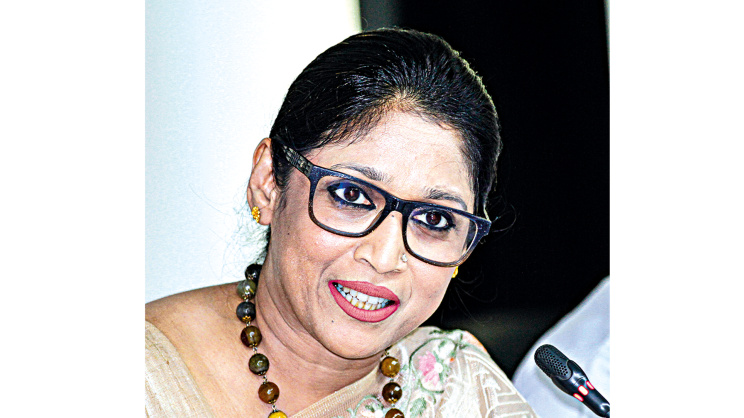
Dr Tania Haque
Professor
Department of Women & Gender Studies, University of Dhaka
A recent BRAC study on social norms revealed that 77% of youth believe a woman need not work if her husband earns, highlighting how interconnected gender norms continue to limit progress. Thus, social norm change requires acknowledging that patriarchy harms men as well as women, and that it operates within women, too. Addressing knowledge gaps, such as confusion between weather and climate, is essential, especially in a country as climate-vulnerable as Bangladesh. Inclusive policy framework and sustainable financing are needed. Research shows that intersecting factors, including location, time, class, clothing, pregnancy, and menstruation, influence women’s climate-related stress differently, even within the same workplace. These inequities reduce productivity and fuel verbal violence, ultimately affecting national growth. Bangladesh needs national representative research, a digital knowledge hub, inclusive metrics, and recognition of youth and women as active agents. Equally critical is engaging men to ensure empowered women are supported, not resisted.
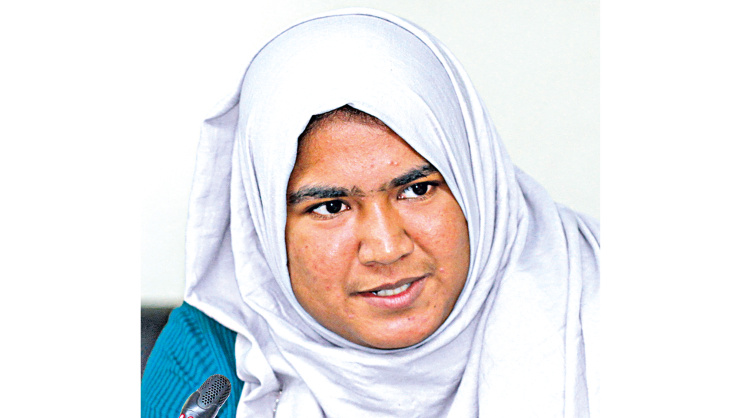
Fariha Sultana Aumi
Chair
Brighters
Youth, like women, are not a homogeneous group. While many young people now speak on climate issues, very few reach decision-making or leadership spaces. This gap persists because policies and projects treat youth as recipients rather than active agents. Once a project ends, their engagement ends too, leaving no long-term space to apply their skills. Urban-centric project design further excludes rural and marginalised youth whose needs remain overlooked. Capacity-building efforts often lack a bottom-up approach, limiting real skill development. Adolescents are even more invisible, with no sustained platforms to nurture their leadership. Meaningful engagement must integrate youth perspectives, from policy design to implementation, ensuring representation beyond major cities. Strong political commitment is essential to sustain inclusion through leadership changes. Ultimately, youth must be treated as a priority at every level, not as symbolic participants.
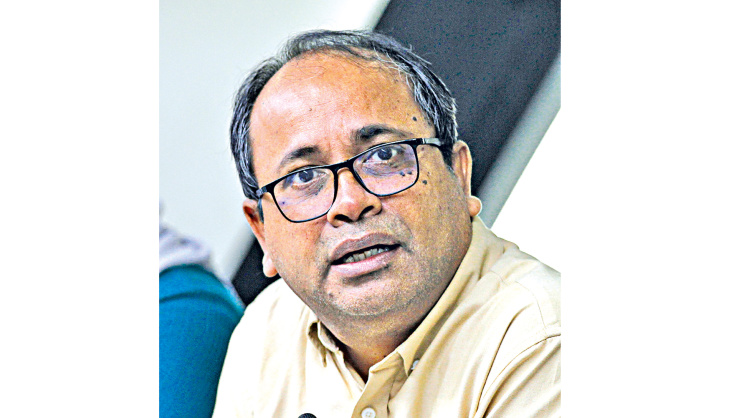
MD. Golam Rabbani
Associate Director
Climate Hub, BRAC
I want to highlight four key points. First, gender-focused climate finance is extremely low, only 0.05%, despite women making up 58% of Bangladesh’s 35 million farmers, and global data showing that small-scale farmers receive just 0.8% of adaptation finance. We must raise this allocation to at least 1% to address the glaring policy gap. Second, although policies like BCCSAP and NAP include gender-responsive data, project templates, especially within the Planning Commission, often lack clear indicators, goals, and dedicated budgets for inclusion. Third, institutional coordination remains weak; stronger collaboration among ERD, the Planning Commission, the Ministry of Disaster Management, the Ministry of Environment and MoWCA could enable large-scale inclusive resilience programs. Finally, despite 20 years of adaptation, we still lack learning documents, which are essential for improving future projects and ensuring meaningful youth inclusion. So, this learning integration is extremely important to ensure youth inclusion.
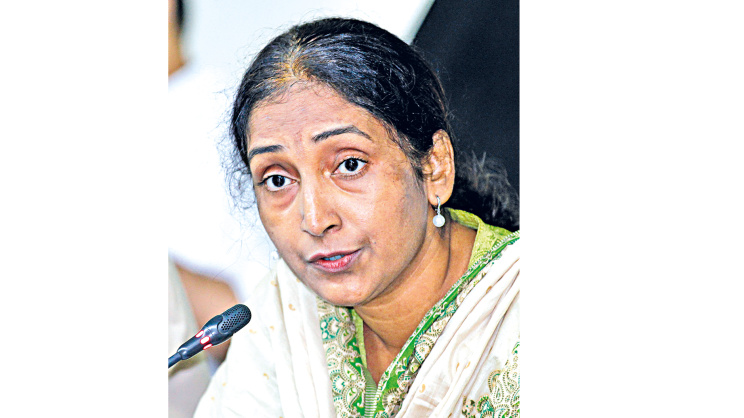
Mousumi Pervin
Senior Climate Change Officer
Asian Development Bank
Bangladesh faces a major climate finance gap: the NAP requires USD 8.5 billion annually for adaptation over the next 27 years, but only USD 3.5 billion is currently available from domestic and international sources, leaving a USD 5 billion shortfall each year. Before addressing group-specific needs, women, children, elderly, the overall financing gap must be reduced. Policy implementation also remains weak. Multiple climate policies exist, but responsibilities are unclear; recommendations must specify whether the government, NGOs, civil society, or banks should act. Government capacity is limited, with insufficient staff to ensure inclusive, community-based processes, and leadership changes disrupt continuity. Civil society generates strong pilot models, but scaling remains minimal. A recent study highlights coordination gaps and the absence of local voices. In response, the government has launched the Bangladesh Climate Development Partnership and approved a Locally Led Adaptation Framework to strengthen coordination and local participation.
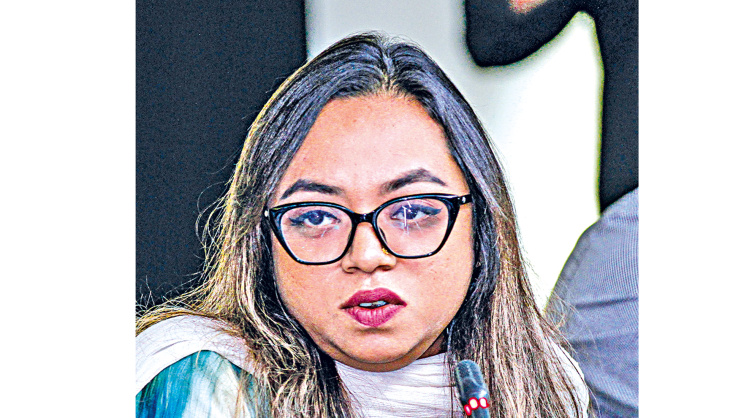
Farah Anzum
Country Lead, Bangladesh
Global Strategic Communications Council (GSCC)
Women and youth may be mentioned in policies like the NAP and NDC, but they remain largely absent from climate mitigation and energy policies such as the Energy Master Plan and the Renewable Energy Policy. Meaningful participation requires not just policy references but concrete implementation plans that ensure their involvement. Climate finance also poses challenges, while funding exists, women- and youth-led organisations struggle to access it due to dependency on larger intermediaries and restrictive conditions. Dedicated national and international funding windows are essential. Moreover, effective two-way communication mechanisms are also missing, leaving many youths and women unaware of opportunities, while women remain underrepresented in climate and energy media coverage. Finally, Bangladesh must enable regional and global engagement so women and youth can participate as genuine decision-makers, and learning documentation must be integrated into project indicators to strengthen future interventions.
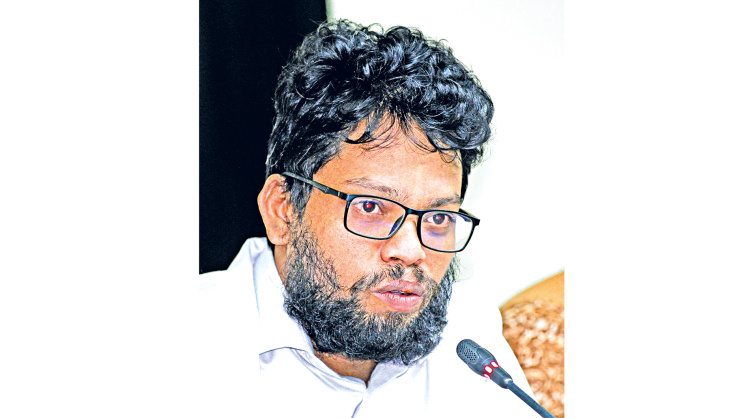
Sohanur Rahman
Executive Coordinator
YouthNet Global
Coming from grassroots activism in Jhalokati and Barishal, I want to highlight persistent gaps in mainstreaming youth, women, and gender-diverse voices in Bangladesh’s climate policies. While terms like GDC, Gender, Disability, and Social Inclusion appear in NDCs, these remain cross-cut and rarely enter core planning. Youth, in particular, lack dedicated representation and budgeting in climate initiatives, with no Youth Ministry presence in climate allocations. Similarly, meaningful engagement of journalists and local communities is limited. So, I would like to emphasise the need to shift from gender-sensitive to gender-responsive and gender-transformative approaches and call for integrated planning to include youth and women at the local level. Finally, I think it’s urgent to remove systemic barriers that prevent youth-led organisations from accessing funding and fully participating in climate action.
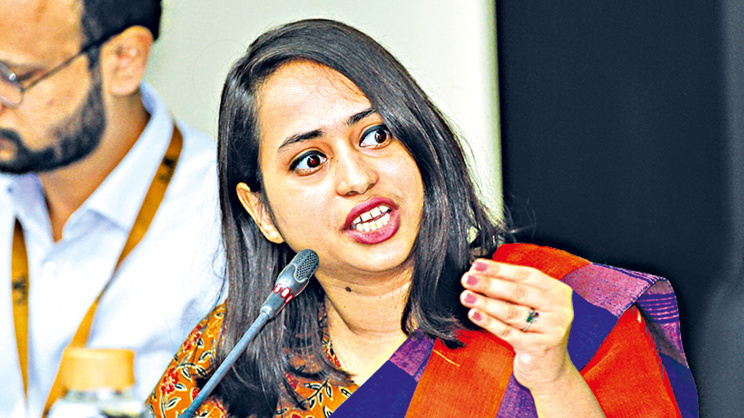
Jannat Ara Shifa
Gender Analyst
International Centre for Climate Change and Development (ICCAD)
I see progress from the trickle-down theory to sustainable development, but women and marginalised communities are still treated as tools, not active participants. Field experience in Khulna and Barguna shows that community structures like water management groups collapse after projects end due to a lack of funding, monitoring, and post-project mechanisms. Policies often include many components but fail to measure micro-level impacts such as gendered labour burdens, time poverty, and unequal access to resources. Women’s adaptation roles and successes remain neglected, creating a major information and decision-making gap. Complex finance processes further limit local access, and women remain token participants even in global spaces like COP. According to me, inclusion must evolve into a transformative change that challenges gender norms, empowers real decision-making, and strengthens policy implementation and financing.
 For all latest news, follow The Daily Star's Google News channel.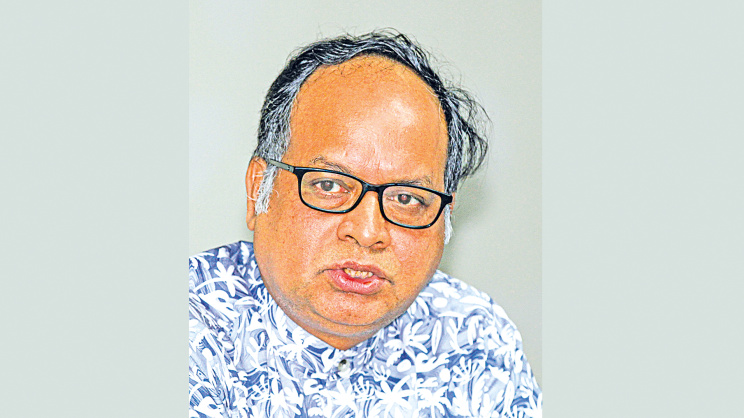
M. Zakir Hossain Khan
Chief Executive
Change Initiative
I believe women’s and youth’s rights must be recognised as non-negotiable natural rights, not privileges or policy favours. Access to water, health, and climate-resilient living should be guaranteed everywhere, not just in Bangladesh but globally. Research organisations and think tanks must adopt a “think and do” approach, engaging youth in real-time data collection on environmental hazards, funded through mechanisms like pollution or carbon taxes. Climate finance must prioritise people: only 0.01% of global climate funds have targeted communities. Bangladesh should now actively pursue global funds and create dedicated proposal pools, with ERD leading the collaboration with youth organisations. Nationally, at least 30% of climate budgets should support youth-led, nature-based entrepreneurship. True resilience requires bottom-up, community-driven financing, moving away from centralised, top-down models.
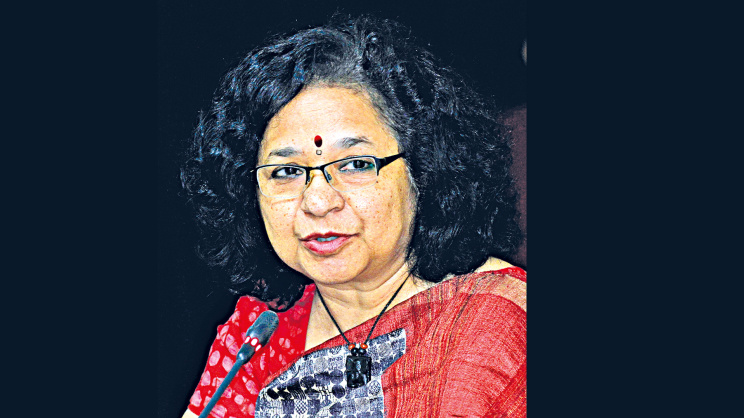
Banasree Niogee Mitra
Programme Director
Manusher Jonno Foundation
Climate change impacts society, the economy, and human potential, but the primary responsibility lies with the government, which alone possesses the mechanisms to act. Civil society, media, and other stakeholders can facilitate and raise awareness, but implementation and financial inclusion remain major gaps. Despite numerous policies—NDC, NAP, BCCSAP- alignment, budgeting, and actionable planning are weak, particularly for women, youth, indigenous people, and other marginalised groups. Inclusion must go beyond terminology; vulnerability should be leveraged to create change agents. Gender-responsive budgeting and intersectional analysis must inform fund allocation, including engagement of the Ministry of Education and local governments. Capacity-building, technology, and skills should be prioritised for those who need them most. Addressing these gaps requires comprehensive, integrated planning informed by ground-level realities and collective stakeholder effort.
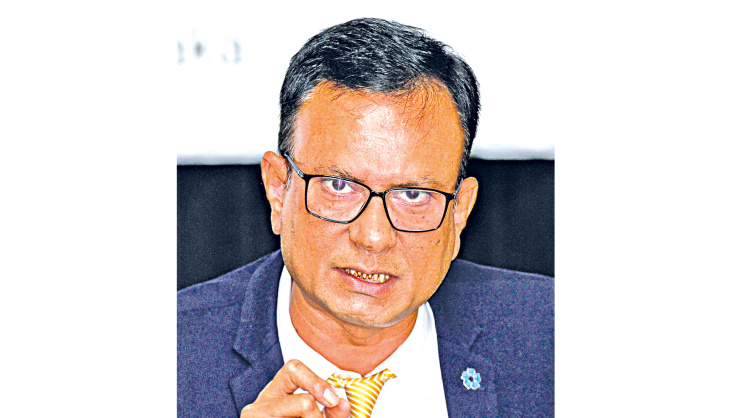
A K M Sohel
Additional Secretary and Wing Chief, (UN Wing)
Economic Relations Division
Ministry of Finance
Bangladesh has made progress in climate policy, having developed the NAP and updated its NDC, covering multiple sectors and establishing a baseline for international engagement. However, gaps remain, particularly in detailed budgeting for specific interventions, limiting climate finance mobilisation. Persistent climate events, like the February flood, which caused $1.2 billion in losses, underscore the urgent need for innovative financing. Efforts include advocating for concessional debt aligned with vulnerability, streamlining GCF project approvals, and exploring capital market instruments such as green and blue bonds. Coordination mechanisms like the Bangladesh Climate Development Partnership (BCDP) aim to reduce overlap and include youth, gender, and private sector representation. Future priorities include climate finance taxonomy, climate-smart education, youth climate windows, gender-responsive budgeting, and leveraging domestic and diaspora resources. While grants and loans from GCF, GEF, and the Adaptation Fund have been received, greater self-reliance and inclusive, strategic financing are essential for Bangladesh to meet its adaptation and mitigation goals.
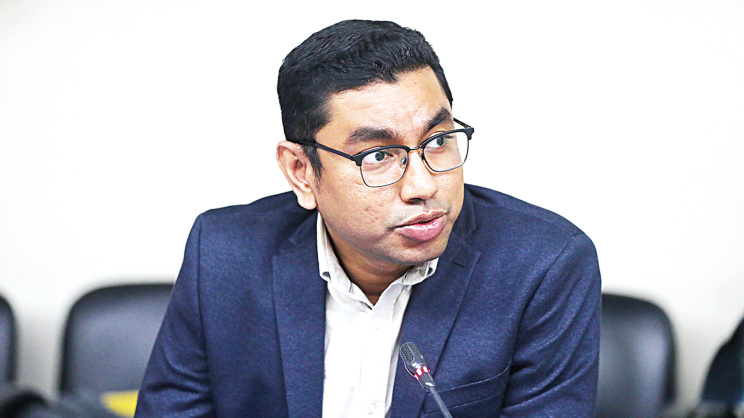
Tanjim Ferdous
In-Charge, NGOs and Foreign Missions
The Daily Star (Moderator of the session)
Bangladesh remains at the forefront of the global climate crisis, with women and youth driving innovative, community-level solutions despite limited recognition and participation in decision-making. The recent study conducted by C3ER highlights persistent policy and financing gaps that hinder their meaningful inclusion. Today’s roundtable created a space to unpack these findings and explore how inclusive policies, fair access to finance and stronger institutional mechanisms could better empower women, youth and structurally excluded groups. The discussion aimed to generate actionable recommendations to ensure that women and youth are not just beneficiaries but leaders in building climate resilience.
Kazi Faisal Bin Seraj, Country Representative of The Asia Foundation, Samira Yasmin, Project Manager at The Asia Foundation; Nafisa Nawrin Chowdhury, Resilient Infrastructure Specialist, Centre for Climate Change and Environmental Research at BRAC University; Shorot Shadhin, Project Coordinator, The Earth; and Samina Yasmin, Director of Bonhishikha also attended the event as discussants.
Recommendations
1. Strengthen Youth & Women’s Meaningful Participation in Policy
Include youth perspectives at every policy stage and ensure youth and women are active decision-makers, not just token participants
2. Improve Policy Implementation and Accountability
Clearly assign responsibilities to ministries, NGOs, civil society, or the private sector, and improve government capacity to ensure continuity
3. Make Climate Finance Accessible to Youth & Women
Create direct funding windows (national & international) for youth- and women-led organisations and reduce bureaucratic barriers so small/local groups can access climate funds
4. Decentralise Climate Action & Ensure Bottom-Up Approaches
Design policies and projects using a bottom-up model, include rural and climate-vulnerable voices, and invest in community-led, locally informed interventions
5. Strengthen Gender-Responsive & Age-Disaggregated Data
Mandate the use of gender- and age-disaggregated data in all projects and funding proposals.
6. Enhance Inter-Ministerial Coordination and Build Mechanisms for Learning
Operationalise national coordination structures and align planning and actions across ministries to avoid duplicated interventions
7. Expand Climate-Smart Education
Introduce climate-smart education to build knowledge to cultivate climate leadership among adolescents and gender-sensitive awareness early
Comments