


Advancing Indigenous Rights in the Chittagong Hill Tracts

A roundtable titled “Advancing Indigenous Rights in the Chittagong Hill Tracts (CHT): Progress, Challenges and Political Commitments” was held on 26 January 2026, at the Centre for Policy Dialogue (CPD), Dhaka. Jointly organised by The Daily Star, Centre for Policy Dialogue (CPD), and the Danish, Norweigan and Swedish embassies in Bangladesh, the dialogue brought together representatives from notable Indigenous Peoples and rights groups, CSOs, media, and the Interim Government of Bangladesh. Speakers at the roundtable discussed that progress towards a modern, inclusive, and equitable Bangladesh is closely linked to sustainable peace and inclusive development that includes Indigenous Peoples.

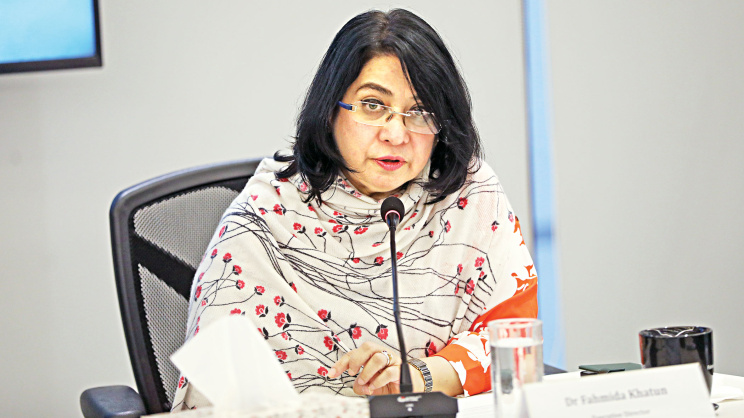
Dr Fahmida Khatun
Executive Director
Centre for Policy Dialogue (CPD)
Advancing indigenous rights in the Chittagong Hill Tracts remains a critical test of whether policy commitments translate into dignity, security, and lived rights. Despite the establishment of institutions and some legal steps, serious gaps persist, especially in land and resource governance, effective local administration, and trust in security and justice systems. Land rights demand the highest urgency because land is inseparable from identity, livelihood, and cultural survival. A credible mechanism for resolving land disputes, supported by clear procedures and public reporting, is essential. Strengthening participatory local governance is vital, with devolution of administrative and budgetary authority and stronger accountability. Confidence-building in security and justice must be followed by improved civilian governance and access to justice. Rehabilitation of displaced communities should progress alongside land protection, while safeguarding women and girls should be treated as a priority.
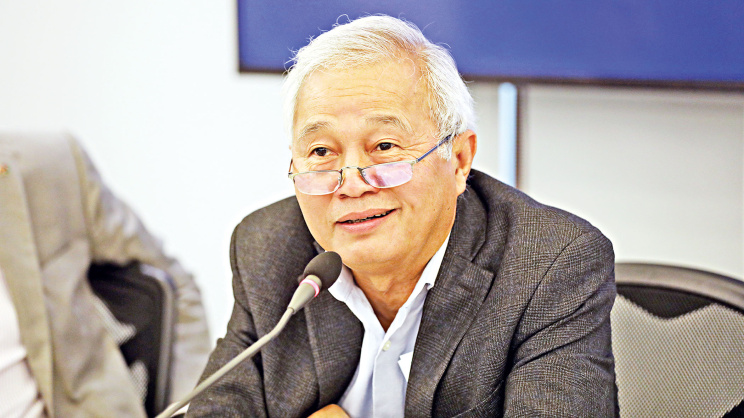
Supradip Chakma
Honourable Adviser - Ministry of Chittagong Hill Tracts Affairs
Interim Government of Bangladesh
The Chittagong Hill Tracts face deep challenges from decades of demographic engineering, political manipulation, and weak local governance. The hill communities have been marginalised, with limited capacity to influence decisions affecting their land, livelihoods, and rights. Political and regional leaders often lack the ability or willingness to implement development initiatives, while administrative bodies delay or obstruct projects, including quality education and livelihood programmes. Land grabbing by private and corporate actors remains widespread, undermining community ownership and security. Security gaps allow informal labour exploitation and criminal activity, while existing mechanisms fail to protect vulnerable groups. Despite these obstacles, targeted interventions such as digital education programmes with significant investment offer hope if executed effectively. Sustainable progress requires stronger local leadership, capacity building, and equity-based approaches that prioritise community needs. Attention to the rights, identity, and welfare of the hill people is crucial for regional stability, while meaningful development must balance governance, security, and empowerment to prevent further marginalisation.
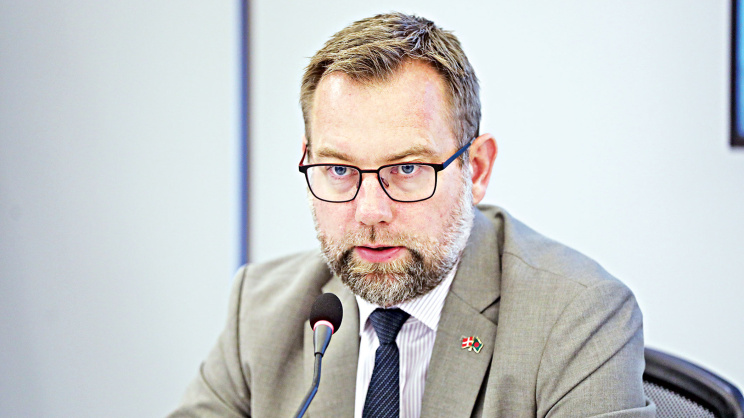
H E Christian Brix-Møller
Ambassador
Embassy of Denmark, Bangladesh
The rights of indigenous people in Bangladesh are of high importance also to us because indigenous rights are human rights and therefore universal. Nordic countries share histories that include indigenous communities and past injustices, and hard lessons have shown that recognition, dialogue, and strong indigenous institutions are essential for progress. Denmark and Greenland work actively at the UN and through support to IWGIA to promote these rights globally, including through recommendations to Bangladesh on fully implementing the Chittagong Hill Tracts Peace Accord. This issue is particularly timely for Bangladesh as it moves through a critical political transition. Without proper recognition of indigenous people, democratic reform risks remaining incomplete. The CHT holds significant potential for sustainable development, including ecotourism and agricultural exports. Unlocking this potential requires transparent, inclusive partnerships with indigenous people, ensuring economic growth goes hand in hand with respect for their rights and protection of the region’s unique character.
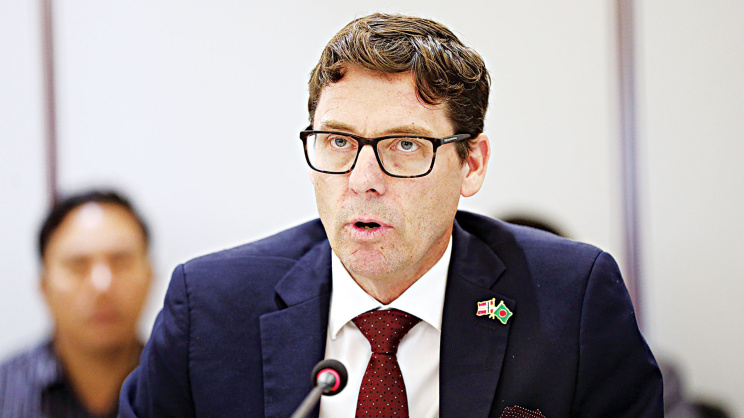
H E Håkon Arald Gulbrandsen
Ambassador
Embassy of Norway, Bangladesh
International standards such as ILO Convention 169 and the UN define indigenous people through self-identification, historical continuity, strong ties to land, distinct cultures and languages, and non-dominant status in society. By these criteria, Bangladesh clearly has indigenous people in both the Chittagong Hill Tracts and the plains, much as Norway does. Indigenous people are small in number and pose no threat to society, but often struggle to preserve their identity and avoid cultural extinction. Norway’s own history with indigenous and minority groups is marked by failed assimilation policies that sought cultural uniformity. Real progress only came through inclusion, dialogue, and recognition, which strengthened democracy and sustainable governance. Diversity is now seen as a national asset. Indigenous knowledge contributes to culture, land management, and innovation. I hope Bangladesh will learn from this experience and recognise the same value in its own Indigenous Peoples, ensuring their rights are protected with dignity.
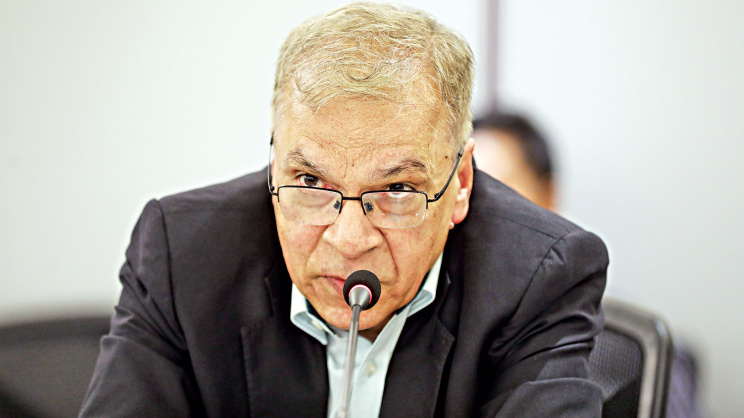
Dr Iftekharuzzaman
Executive Director
Transparency International Bangladesh (TIB)
The Chittagong Hill Tracts faces a deeply entrenched political and security challenge shaped by decades of deliberate demographic, social, and political transformations. Military and security agencies exercise significant influence over the region, empowering settler groups and securitising political issues. Indigenous Peoples continue to face denial of recognition, legal rights, and access to justice, while political parties avoid addressing indigenous rights in their platforms. Political parties, whether in power, in opposition, or aspiring to govern, must be willing to engage seriously with the armed forces on the future of the Chittagong Hill Tracts. Lasting solutions require genuine dialogue with security actors, institutional reform, recognition of indigenous identity, and a commitment to transform political will into inclusive governance and human rights protections.
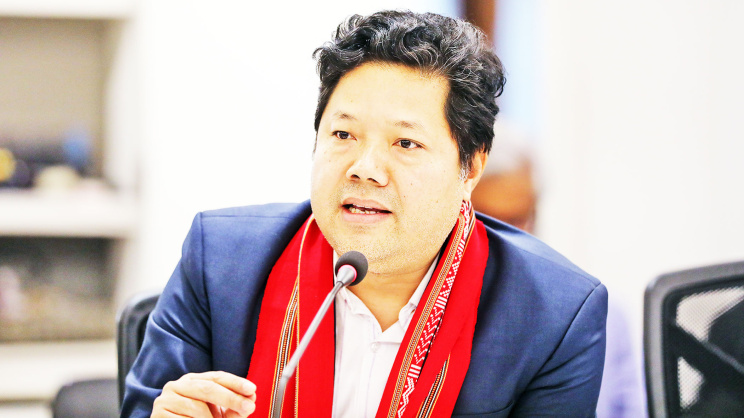
Pallab Chakma
Executive Director
Kapaeeng Foundation (KF)
Peace is the highest priority for indigenous people in the Chittagong Hill Tracts, especially for those who have experienced displacement, violence, and loss during the conflict. The CHT problem must be recognised as a political issue, not a security or economic one. Implementation of the 1997 Peace Accord has been blocked by multiple “spoiler” groups, including armed groups, settler organisations, and vested interest groups, which resist devolution of authority and the functioning of the Land Commission. Policies of “othering” have labelled indigenous people as separatists or criminals, justifying security-first approaches instead of rights-based solutions. We must prioritise making the Land Commission fully functional, delivering justice for recent human rights violations, finalising voter lists, and ensuring elections for the hill district and regional councils. Establishing a diplomatic consultative group could provide technical support and hold the government accountable for implementing the Accord and improving human rights.

Lola Garcia-Alix
Senior Adviser
International Working Group for Indigenous Affairs (IWGIA)
Indigenous Peoples must be placed at the centre of Bangladesh’s democratic transition, not treated as an afterthought. International law leaves no legal ambiguity about who Indigenous Peoples are. The UN intentionally avoids a rigid definition, relying instead on widely accepted criteria such as self-identification, historical continuity, distinct cultures, non-dominant status, and strong ties to land. By these standards, indigenous people in Bangladesh are clearly recognised under international law. Recognition of indigenous people is a legal and moral obligation and a prerequisite for peace in the Chittagong Hill Tracts. Denial of recognition fuels discrimination, land dispossession, exclusion, and conflict, and undermines implementation of the CHT Accord. Recognition strengthens democratic legitimacy, stability, and social cohesion. Nordic experiences show that recognition, dialogue, and strong institutions lead to peace and inclusive development. Sustainable peace and democratic nation-building in Bangladesh are not possible without recognising Indigenous Peoples as partners in shaping the country’s future.
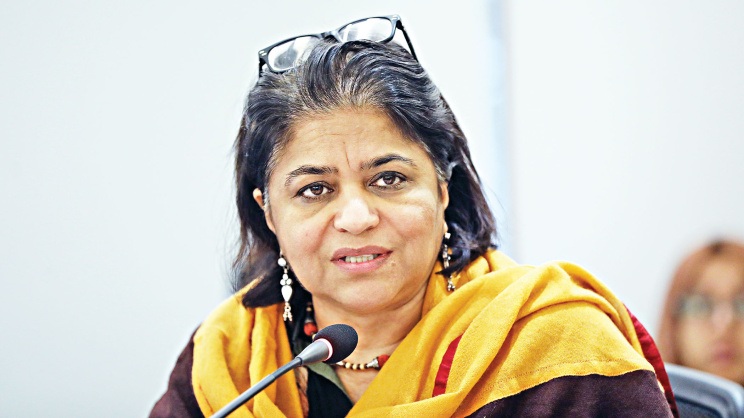
Barrister Sara Hossain
Honorary Executive Director
Bangladesh Legal Aid and Services Trust (BLAST)
The situation in the Chittagong Hill Tracts requires a political solution, not just technical fixes. The 1997 Peace Accord remains contested in courts, and key actors involved in challenging it are now politically active, highlighting the need to understand the political realities blocking progress. Addressing discrimination and ensuring equal rights for indigenous people must be the starting point, alongside activating the Land Commission as the first concrete step. We also see that justice in the region faces structural gaps. Courts lack training on customary laws, family courts are absent, and non-formal systems are underutilised. Strengthening these institutions and including youth and community participation can improve accountability and peace. Past impunity, including unresolved killings and human rights violations, must be addressed through credible investigations. Intersectional discrimination, particularly against women within indigenous people, must also be addressed to uphold equality and rights.
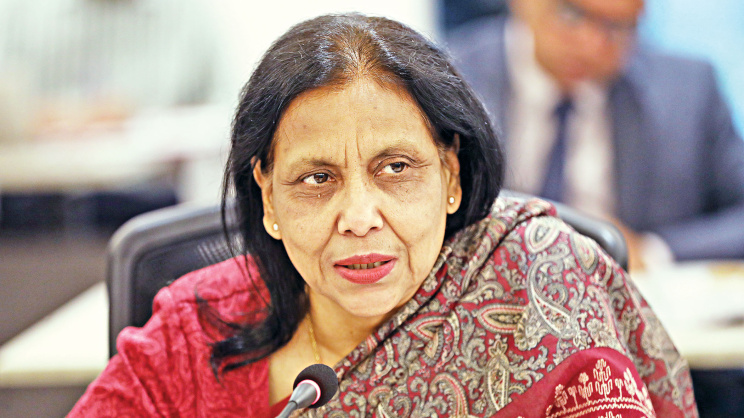
Prof. Amena Mohsin
Former Chairperson
Department of International Relations, University of Dhaka
The Chittagong Hill Tracts remain a deeply political and complex issue. During my visit there last year, it became clear that while infrastructure has developed, mindsets and power structures have not changed. Military operations continue under different names, highlighting that force alone cannot resolve the problems. The 1997 Peace Accord has limits, especially regarding land, recognition, and justice, and cannot be fully implemented without formally recognising Indigenous Peoples. Also, communities face a confusing legal landscape with parallel administrations and widespread impunity, particularly regarding violence against women. The daily experience of “othering” is reinforced through checkpoints and discrimination at various levels. Building confidence requires genuine local dialogue and substantive institutional reform. This includes making traditional systems like the Shalish and roles like Karbaris more accountable, alongside empowering district councils. Ultimately, achieving lasting peace hinges on recognition, intersectional attention to women’s security, and inclusive governance to rebuild trust.
 For all latest news, follow The Daily Star's Google News channel.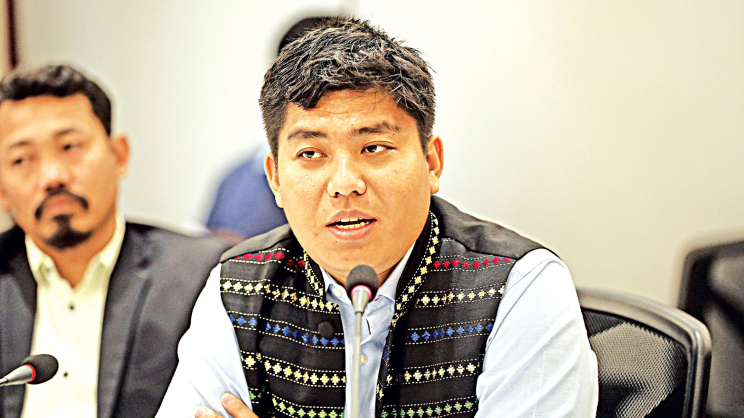
Satej Chakma
International Affairs Secretary
Bangladesh Indigenous Youth Forum
The Chittagong Hill Tracts conflict in Bangladesh comes from historical policies of exclusion, assimilation, and “othering”. The 1997 Peace Accord, achieved after decades of dialogue with multiple governments, established key institutions such as the Hill District Councils, Regional Council, Land Dispute Resolution Commission, and the Implementation and Monitoring Committee. However, many of these institutions are now inactive or underperforming. Immediate priorities include resuming dialogue between indigenous leaders and the state, reforming and revitalising these bodies, finalising local voter lists, and handing over administrative responsibilities for law and order, land, forests, and communication to local councils. Demilitarisation and the establishment of local police are crucial for restoring peace. Without these measures, the region risks reverting to past conflict, highlighting the urgency for inclusive governance, recognition, and respect for indigenous rights, with continued support from international partners such as the Nordic countries.
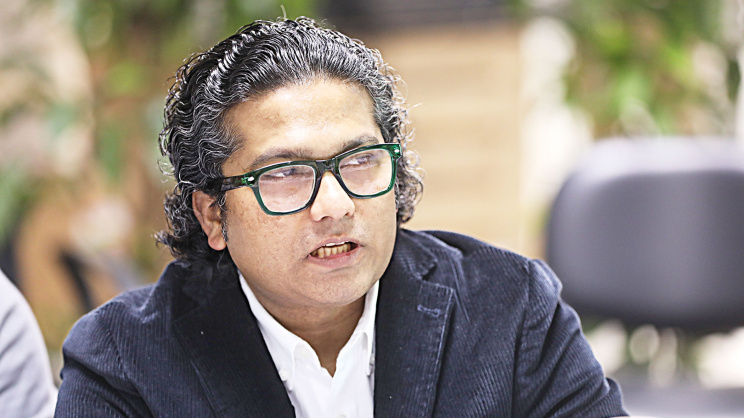
Advocate Abdullah Al Noman
Chief Executive
Lawyers for Energy, Environment, and Development (LEED)
The Chittagong Hill Tracts Peace Accord of 1997 continues to suffer from significant implementation gaps affecting indigenous people. Some of the key issues in the area include an ineffective land dispute resolution mechanism, limited devolution of authority to hill district councils, displacement, conflict between settlers and indigenous people that disrupts daily life. Indigenous women face compounded discrimination, and access to justice remains severely limited, with courts often treating indigenous people as outsiders or miscreants. Recognition of indigenous communities is still largely symbolic, despite constitutional guarantees and Bangladesh’s obligations under international human rights law, including ICCPR and ICESCR. Political will and commitment from all parties are essential to mainstream Indigenous Peoples to implement the Peace Accord fully and uphold their rights. International engagement and pressure, including through UPR reviews, are critical to support Bangladesh in fulfilling these obligations and ensuring justice and equality for its indigenous people.
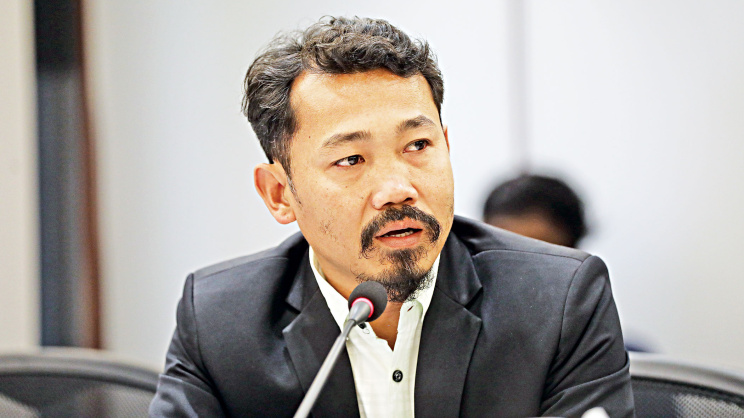
Mong Sing Hai Marma
Journalist
The Daily Star
Nearly three decades after the 1997 Chittagong Hill Tracts Peace Accord, Indigenous Peoples still struggle to enjoy equality, justice, and dignity. At the heart of ongoing tensions in the Chittagong Hill Tracts is the land issue that must be looked into carefully. Lack of legal recognition for customary land, combined with land acquisition in the name of development, continues to displace indigenous people, while the Land Commission remains underpowered and ineffective. Development efforts exist, but the question remains: who truly benefits? Excluding Indigenous Peoples from decision-making risks deepening inequality and social fragmentation. Hill District Councils are weakened by appointed leadership and limited accountability, undermining public trust. Strengthening indigenous self-governance, ensuring transparent leadership, supporting community-centred development, and prioritising education are essential for lasting peace and stability in the region.
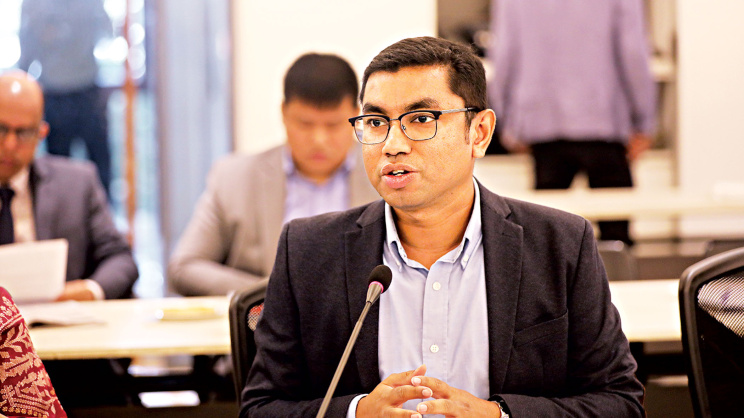
Tanjim Ferdous (Moderator)
Head of Strategic Partnerships
The Daily Star
The Chittagong Hill Tracts hold a unique place in Bangladesh, home to diverse Indigenous Peoples facing longstanding challenges in land rights, governance, security, and inclusion. The 1997 Peace Accord promised dialogue, decentralisation, and recognition of rights, yet nearly three decades later, many provisions remain partially implemented, affecting trust and justice. As the country navigates a democratic transition, issues like indigenous rights, women’s safety, land governance, and local institution effectiveness are central to inclusive development. Practical progress requires renewed political engagement, lessons from comparative experiences, and recognition of Indigenous Peoples as a foundation for national unity and stronger democratic governance.
Recommendations:
- Fully operationalise the Land Dispute Resolution Commission to protect indigenous land rights and resolve conflicts transparently.
- Strengthen participatory local governance by devolving administrative and budgetary authority to hill district and regional councils.
- Ensure formal recognition wof Indigenous Peoples to uphold dignity, legal rights, and meaningful participation in decision-making.
- Promote inclusive security and justice by demilitarising the region, establishing local police, and improving access to courts.
- Address intersectional discrimination, particularly against indigenous women, through targeted protection and empowerment measures.
- Foster sustained dialogue and international support to implement the 1997 Peace Accord and ensure equitable development in the Chittagong Hill Tracts.
Comments