


Striving for Workers’ Safety, Voice, and Just Transition
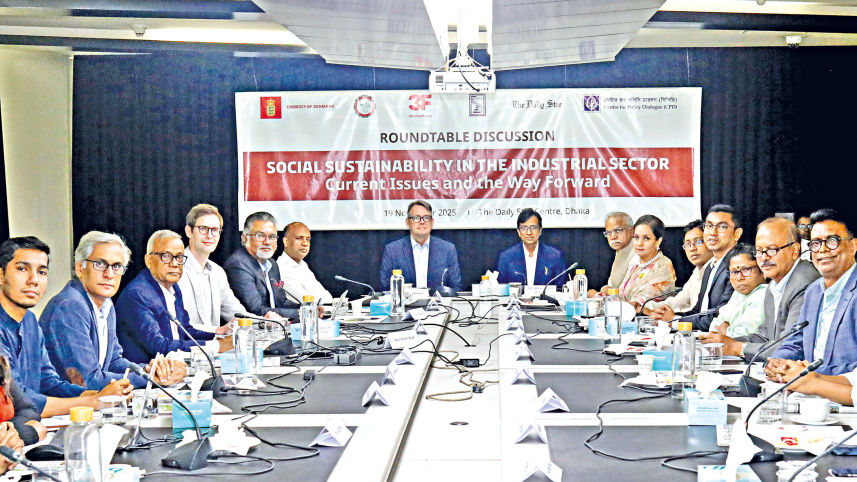
A roundtable titled “Social Sustainability in the Industrial Sector: Current Issues and the Way Forward” was held on 19 November 2025, at The Daily Star Centre, Dhaka. Jointly organised by Centre for Policy Dialogue, Embassy of Denmark in Dhaka, the Department of Inspection for Factories and Establishments (DIFE), United Federation of Danish Workers (3F), Bangladesh Institute of Labour Studies (BILS), and The Daily Star, the event brought together policymakers from the country’s industrial sector, representatives from labour authorities, and leaders from the business sector. The discussion aimed to forge a collective path forward for Bangladesh’s industrial sector, focusing on occupational safety, just transition, and enhancing social dialogue mechanisms.
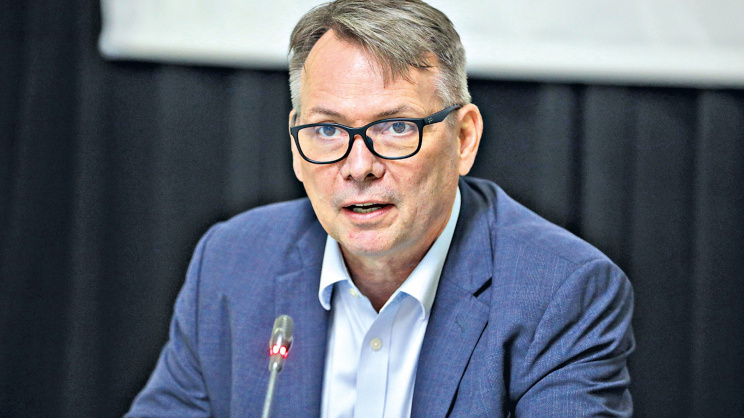
Anders Karlsen
Deputy Head of Mission
Embassy of Denmark, Bangladesh

Congratulations are in order for the amended Labour Law and the ratification of key ILO conventions, an important step forward over the past year. Our partnership with Bangladesh on social sustainability, particularly since Rana Plaza, has focused on social dialogue, just transition, and workplace safety, in collaboration with the Ministry of Labour and Employment, trade unions, and employers. We have learned from workers, unions, and inspectors that while listening has improved and training is effective, widespread insecurity remains. To move forward, we must expand transparent social dialogue across sectors and at the national level, including clear and credible criteria for selecting representatives to tripartite bodies. We must also protect the right to strike so collective bargaining has real meaning, and safeguard tripartite processes from political interference so both employers and workers are genuinely represented. Furthermore, recruiting more labour inspectors and ensuring inspections lead to meaningful change is essential for systemic progress. While the labour market parties should lead this dialogue, government has a crucial role in regulatory support.
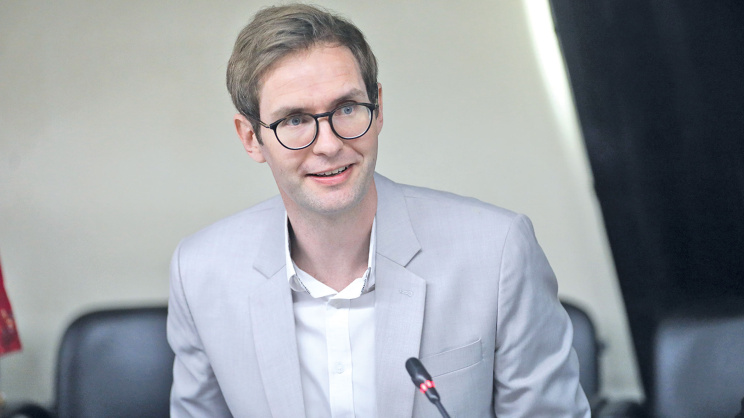
Ole Rosenborg Justesen
Sector Advisor
Embassy of Denmark, Bangladesh
Social sustainability in Bangladesh is about tackling core challenges related to issues such as workplace safety, workers’ voice, and adapting to climate change and automation. This matters morally, given tragedies like Rana Plaza and recent factory fires, and strategically, as it is often directly linked to market access. Our Danish-Bangladesh cooperation has trained DIFE inspectors, strengthened union capacity, and integrated issues like heat stress into collective agreements. However, these successes are limited to a few factories. Three key lessons from our collaboration with Bangladesh emerge: institutional capacity in bodies like DIFE is vital for lasting change; genuine worker participation is non-negotiable; and job safety, skills, and climate action are inseparable. Today, we must identify what works and, crucially, discuss how to scale these solutions across the wider industry. Our goal is to craft practical recommendations to guide policy and our ongoing dialogue as Bangladesh approaches its LDC graduation.
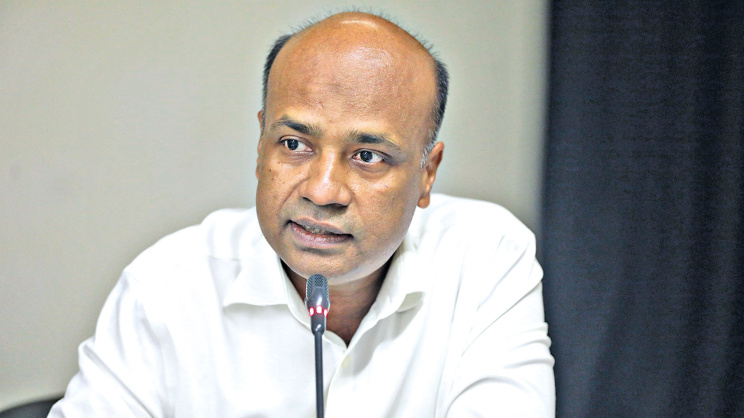
Shah Abdul Tarik
Additional Director General
Department of Labour
My focus is Just Transition regarding climate change and automation. The responsibility for creating a safe environment is collective, not just for workers, employers, or the government. Our fundamental issue is a lack of good governance and a genuine sense of duty. Meanwhile, the Fourth Industrial Revolution, driven by trillion-dollar investments from giants like Nvidia, will massively impact production. Our industries cannot remain outside this shift. We must proactively plan for the management of our labour force. In fully automated factories, there will be no labour; we must discuss where new jobs will be created and how to preserve workers’ rights during this transition. Failure to address this will create severe economic and social disparity, diverting resources and leaving technically disadvantaged countries like ours in a precarious position. Proactive decision-making from today’s discussion is vital.
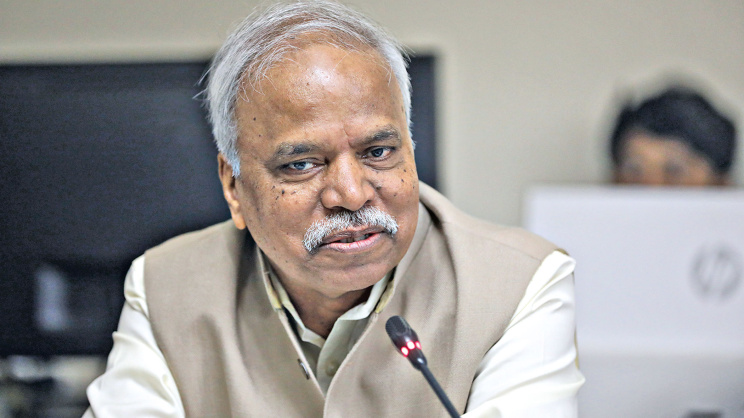
Syed Sultan Uddin Ahmed
Executive Director
Bangladesh Institute of Labour Studies
While we have healthy debates here, true social dialogue in Bangladesh remains informal, inconsistent, and not institutionalised. The amended labour law’s provision for a social dialogue forum is a positive institutional step. However, the amendment itself is not forward-looking; it lacks guidance on preserving jobs during automation or ensuring timely wage payments. For dialogue to work, we need genuine representation, institutional support, and a shift in understanding. It must follow ILO indicators: sharing information and documents, identifying gaps, and leading to collective bargaining not just discussion. We must address why our factories don’t receive the same costs or policy support as Cambodia’s, or why our workers earn less than China’s or Vietnam’s. Our priority should be establishing a national minimum labour standard through consistent, outcome-based dialogue involving all stakeholders.
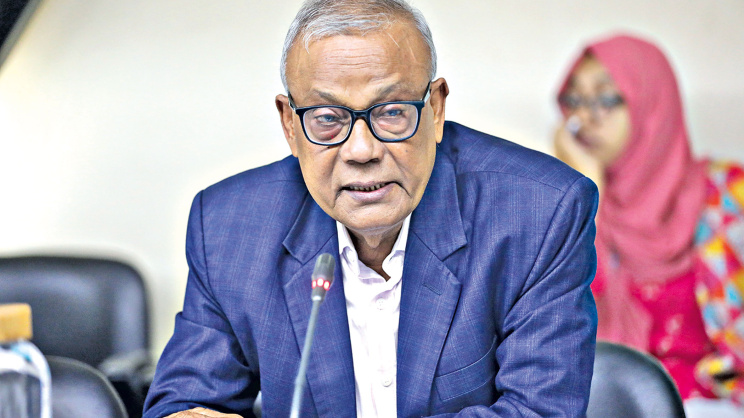
Abul Kalam Azad
President
Tannery Workers Union
The most important thing for any person is the security of their life. The Rana Plaza tragedy showed how severely weak worker safety was in Bangladesh, almost non-existent. While we have tried to recover from that massive disaster through collective efforts, safety at the factory level remains weak, with continuous accidents, from Hashem Foods to chemical fires. I will concentrate on the leather sector, which is the most hazardous and vulnerable. The chemicals used cause severe long-term health issues, like cancer, even after workers leave. A major problem is the total absence of a responsible role from many entrepreneurs. Furthermore, DIFE’s supervision and monitoring remain very weak. There is hope that the government will ratify the OSH-related conventions, but ratification alone is not enough. We have many ratified conventions where poor implementation means the crisis continues. My request is that today’s discussion ensures authorities play their proper role in implementation.
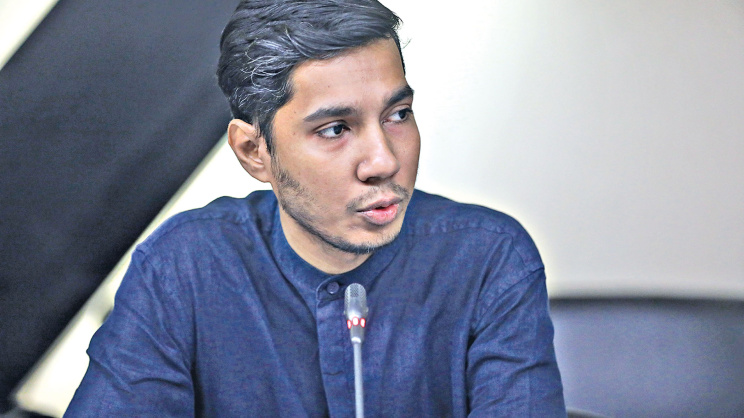
Tamim Ahmed
Senior Research Associate
Centre for Policy Dialogue (CPD)
While we have prevented another Rana Plaza-level disaster in the RMG sector, this success is limited. Our research shows a staggering 25 per cent of factories, mainly informal ones, operate without regular inspections, putting overall progress at risk. Compared to RMG, sectors like transport, construction, and agriculture have higher accident rates. In tanneries, over 60 per cent of workers suffer from occupational diseases like skin allergies, which are less visible but dangerous. Although DIFE’s capacity has improved, it remains inadequate for the growing industry. Initiatives like LIMA have stalled and are not fully operational. A major challenge is unreliable data; DIFE’s reports do not match figures from private researchers or other agencies like the Fire Brigade. For effective action, we need concrete data. Future challenges include climate-induced heat stress and the overlooked issue of workers’ mental health and harassment in factories.
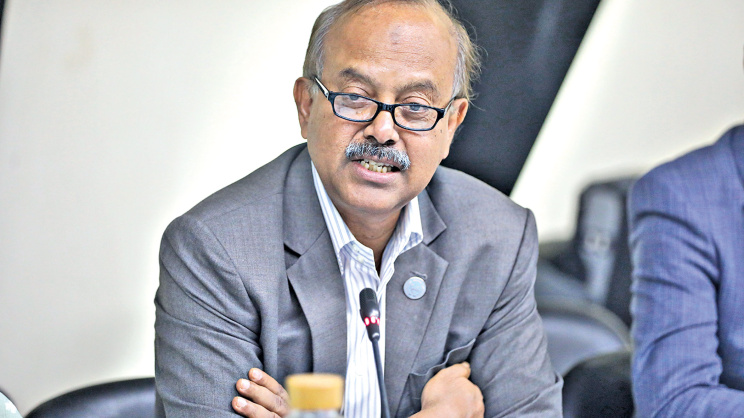
Shakil Akhter Chowdhury
General Secretary
Bangladesh Labour Federation
Occupational safety in Bangladesh is governed by the Labour Law and OSH policy, yet major incidents continue. The critical issue is the informal sector, which constitutes 85 per cent of the workforce and remains largely unaccounted for in our statistics. While the recent labour law amendment is a step forward, its rules must be crafted carefully to avoid regression. The real problem is weak implementation. DIFE, despite its mandate, has not driven sufficient change. Ratifying ILO conventions C155 and C187 is positive, but ratification alone is meaningless without translation into law and ground-level implementation. True social dialogue requires collective bargaining, which is impossible without unions. Very few enterprises have unions. We must bring all workers, including informal ones, under legal coverage. Implementing the Labour Reform Commission’s report, which addresses these issues holistically, is the key to achieving just transition, OSH, and social dialogue.
Md. Abdul Awal
Assistant Inspector General – Safety
Department of Inspection for Factories and Establishments
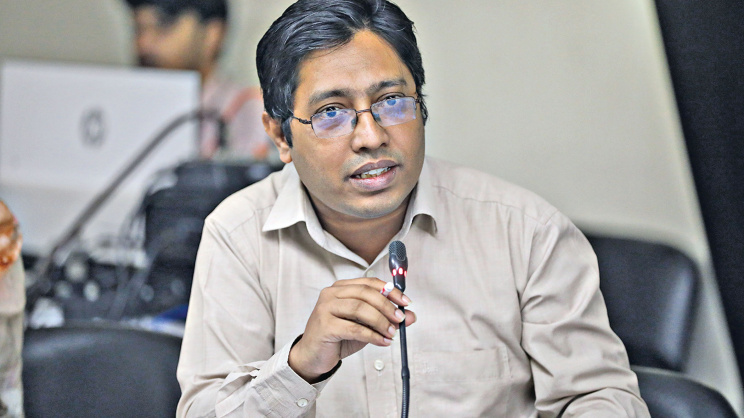
Post-Rana Plaza, we identified 140,000 safety issues across garment factories. Work since 2014 has led to significant improvement. DIFE has been strengthened with a digital inspection platform and advanced OSH training for workers and managers, supported by Danish partners. Legally, the 2013 Labour Act was upgraded, a National OSH Policy and Action Plan were formed, an Employment Injury Scheme pilot began, and an Industrial Safety Unit was established. Our focus was initially on export-oriented factories, but we are now prioritising other hazardous sectors like shipbreaking and construction. A key ongoing challenge is that many factories operate in shared or rented spaces, requiring multi-stakeholder engagement that slows improvements. We are working to strengthen our digital platforms for more dynamic reporting.
Kalpona Akter
President
Bangladesh Garment and Industrial Workers Federation (BGIWF)
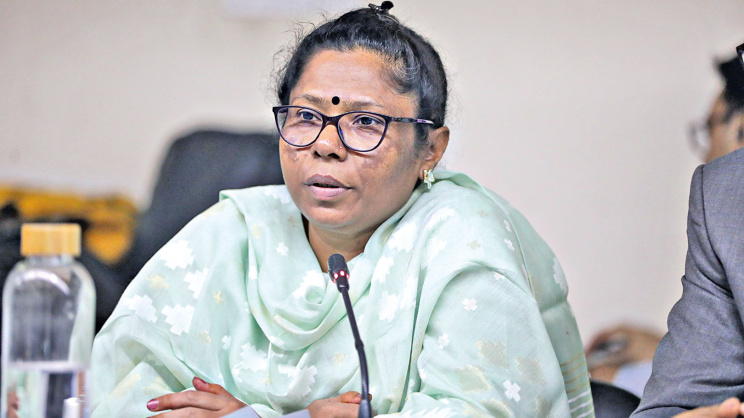
Bangladesh is at a critical crossroads. The transition to greener production and automation is inevitable, but will it be just? Currently, workers’ voices are excluded from frameworks like the National Adaptation Plan. Workers suffer from heat stress but lack awareness that climate is a factor. Factories and brands set carbon targets without discussing adaptation plans with workers. Automation is wiping out jobs; for instance, when sweater factories adopted new machines, nine out of ten workers lost their jobs, with no framework to track if they were reskilled. This top-down approach must stop. Brands cannot impose policies without financial contribution. A just transition requires including every stakeholder, especially workers, in the dialogue.
 For all latest news, follow The Daily Star's Google News channel.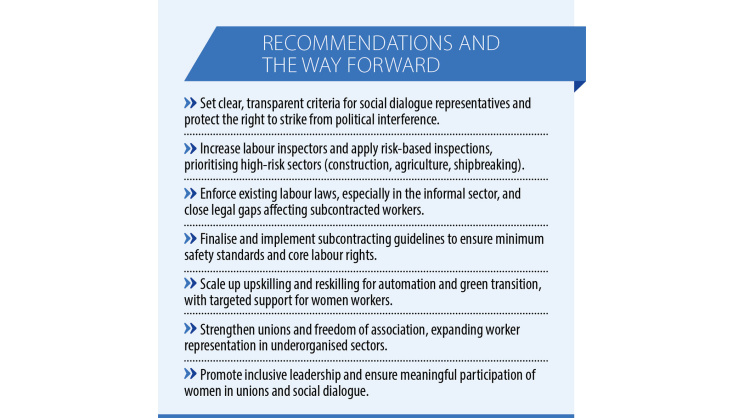
Taslima Akter Lima
President
Bangladesh Garments Sramik Sanghati
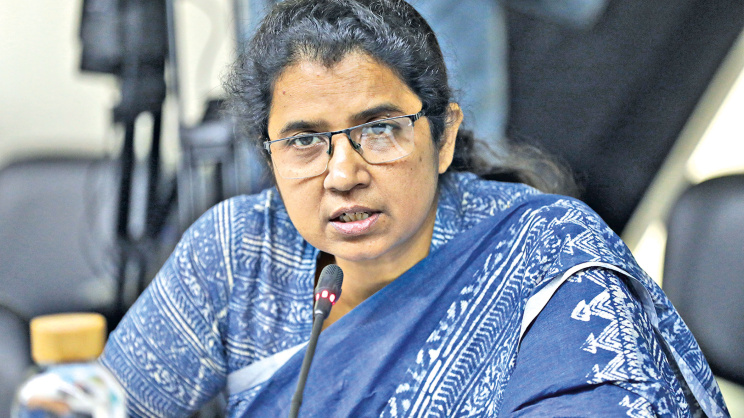
We need a national action plan and social dialogue for social protection in this transitional period. While training is important, it alone cannot prevent job losses, especially for women workers. To cope with automation and the green transition, we must also ensure state and employer policies that address the structural barriers women face. This includes proper maternity leave, childcare support, and a women-friendly work environment. Without these, women cannot enhance their skills or job efficiency while managing household responsibilities. Ensuring continued employment and skill development depends on guaranteeing wages, safety, and these fundamental protections. Therefore, a holistic approach combining training with strong social protection policies is crucial for a just transition.
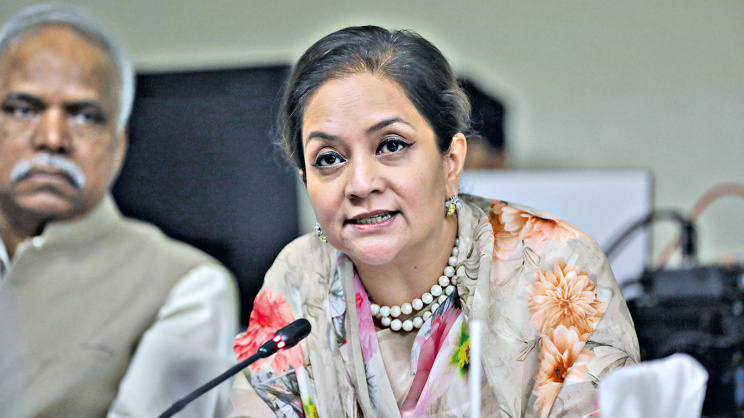
Vidiya Amrit Khan
Vice President
Bangladesh Garment Manufacturers and Exporters Assoication (BGMEA)
The narrative must change from Rana Plaza to recognising our progress. Bangladesh has the world’s highest number of green-certified factories. However, brands systematically reduce prices while demanding higher standards, and our average 45-50 per cent efficiency faces less scrutiny than China’s 90-100 per cent. We work on Just Transition, but buyers must share responsibility. My request is for a guideline for union leaders to ensure harmony and prevent violence. With over 300 factory closures last year, we also need support. A unified code of conduct is necessary to reduce costly, redundant audits. The negative press helps no one; to secure our industry’s future, we must promote our story of creating safer workplaces since the Rana Plaza tragedy.
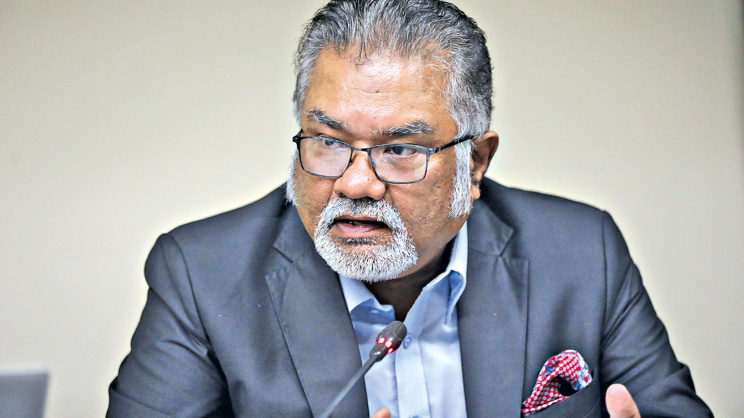
Asif Ibrahim
Vice Chairman
Newage Group of Industries
We must address sustainability for all industrial sectors, not just RMG. Our goals include reducing labour unrest and improving buyer confidence for long-term competitiveness and market access. Observing the exchange here today highlights a persistent trust deficit between owners and labour leaders. Effective social dialogue, grounded in proper data, is essential to bridge this gap. We urgently need comprehensive digitisation to create structured databases and enhance labour court capacity, especially in industrial zones. We must modernise laws and expand the SDIR model with partners like the ILO. Crucially, the core issue is the unfair pricing from buyers such as the “five dollar conundrum.” When a USD 25 shirt earns us only USD 3, paid after 120 days, it ties everyone’s hands. Brands must be included in this dialogue for any real progress.
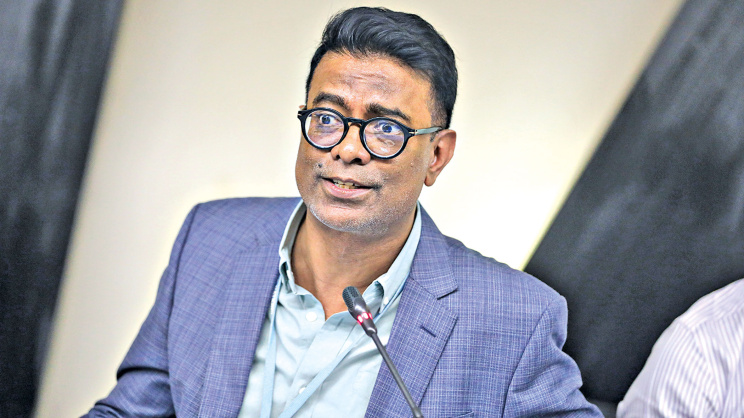
Neeran Ramjuthan
Program Manager - Labour Administration and Working Conditions,
ILO
I congratulate the government on gazetting the amended Labour Act and ratifying ILO conventions C155, C187, and C190, making Bangladesh a leader in South Asia. Effective social dialogue through the TCC made this possible. To strengthen freedom of association, we must simplify trade union registration and protect unions from interference and retaliation. Participation committees must be independent, not managerially nominated, and we need more women in union decision-making roles. Regarding inspections, DIFE must adopt strategic, risk-based labour inspections, prioritising high-risk sectors like construction and shipbreaking over RMG. Crucially, DIFE’s dual role in inspection and conciliation is conflictual. Non-payment of wages is a rights violation requiring immediate corrective action, not conciliation. The key recommendation is strategic, risk-based labour inspection.
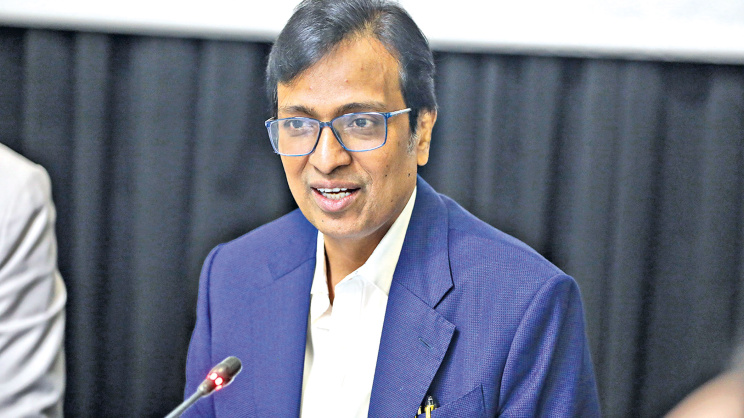
Md. Abdus Samad Al Azad
Joint Secretary
Ministry of Labour and Employment
Effective social dialogue requires transparency and cooperation. Despite consultation on the Labour Act, differences remain. We will convene talks on a National Tripartite Coordination Council and strengthen factory-level Participation Committees. On OSH, we have ratified Conventions 155 and 187 but need a roadmap for implementation. For Just Transition, associations like BGMEA should establish cells to advise the Ministry, and we must collectively demand fair pricing from buyers. We are developing a Social Insurance Strategy for maternity and unemployment benefits. Inspections must shift from numerous, ineffective checks to strategic, high-penalty audits that deter violations. Industrial relations are human-to-human. With political will and an independent tripartite council, we can overcome these challenges.
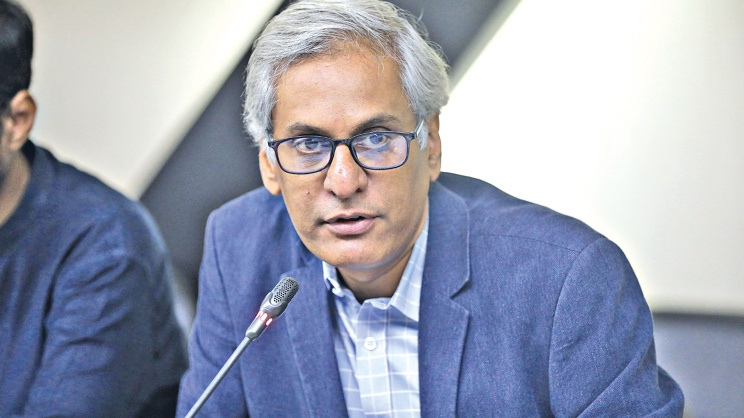
Avra Bhattacharjee
Additional Director - Dialogue and Outreach Division
Centre for Policy Dialogue (CPD)
Workers’ safety remains a fundamental concern in Bangladesh’s industrial sector, an urgency made painfully clear by the Rana Plaza collapse. In the aftermath, CPD closely monitored post–Rana Plaza developments and produced a series of Independent Monitoring Reports.Since then, CPD has worked consistently on occupational safety and health (OSH), social dialogue, and just transition. We have conducted research and organised dialogues on workplace safety, promoted discussions on wages, employment, and workers’ well-being, and explored pathways for protecting workers as industries adapt to climate change and automation. We are here, in today’s roundtable to listen, learn, and exchange views openly, and to identify practical ideas that can inform stronger policies and better practices. We have compiled case studies and video evidence from our outreach, which will be published and broadcast soon.
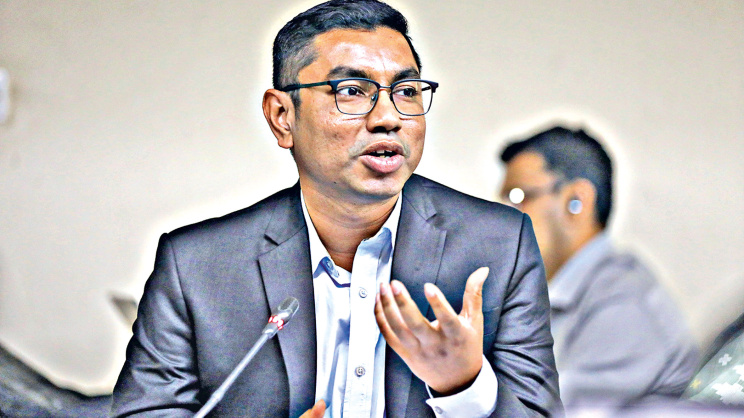
Tanjim Ferdous (Moderator of the Session)
In-Charge - NGOs & Foreign Missions
The Daily Star
Today’s dialogue is a crucial step in a long journey. We discussed OSH beyond RMG, in construction, transport, and shipbreaking, and must also address the severe risks faced by our migrant workers abroad. On Just Transition, the debate between job loss and upskilling requires strong roles from both employers and workers. For Social Dialogue, we must balance profit with labour well-being. As Bangladesh graduates from LDC status, we face heightened competition. To sustain our industry, we must diversify products, explore new markets, and implement a universal audit mechanism and social well-being schemes through continued collaboration.
Comments