


From Awareness to Action: Building Safer Digital Spaces for Women
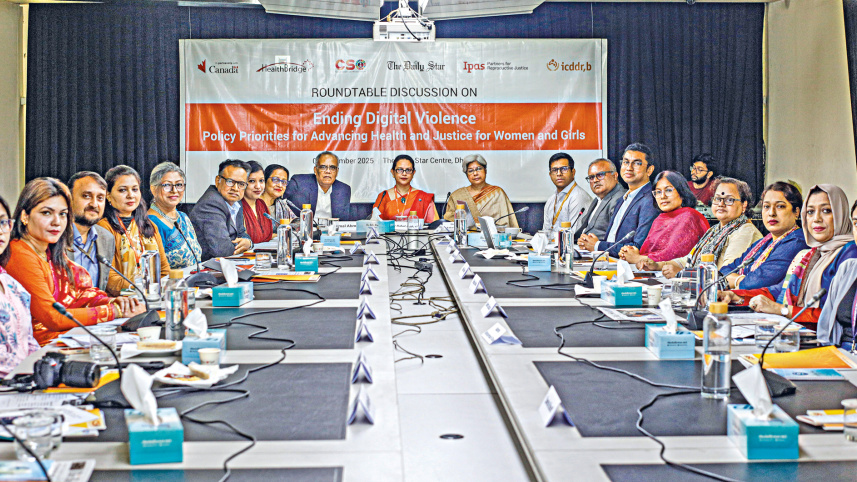
A roundtable titled “Ending Digital Violence: Policy Priorities for Advancing Health and Justice for Women and Girls” was held on December 8, 2025, at The Daily Star Centre, Dhaka. Jointly organised by CSO Forum for Strengthening Sustainable SRHR Ecosystem in Bangladesh and The Daily Star, with support from Ipas Bangladesh and Advancing Sexual and Reproductive Health and Rights (AdSEARCH) by icddr,b, the dialogue convened policymakers, development practitioners, scientists, legal and health professionals, and civil society representatives.
The discussion focused on the rising risks women and girls face online and their mental, physical, and social impacts and strategies to way forward. Participants identified gaps in awareness, services, legal enforcement, and digital literacy, proposing practical, multi-sectoral strategies to enhance prevention, survivor support, and accountability in Bangladesh’s digital environment.


Dr Ahmed Ehsanur Rahman
Scientist, Maternal and Child Health Division
icddr,b
Digital violence against women and girls is an escalating public health crisis with profound mental and physical health consequences. While violence against women has remained unchanged for decades, digital tools have expanded perpetrators’ reach, disproportionately affecting young, urban, and digitally connected women. Globally, 16–58% of women report experiencing digital violence; in Bangladesh, 8% have faced it, rising to 16% among young urban women. Evidence shows victims are three times more likely to suffer from depression, anxiety, stress, suicidal ideation, and psychosomatic illnesses. Yet most cases go unreported due to limited awareness of laws, support services, and stigma. Addressing digital violence, therefore, requires urgent health-system responses, community reporting mechanisms, and accessible mental health support alongside legal action.

Saria Tasnim
Professor, Gynae and Obstetrics
Advisory Committee Member
Obstetrical and Gynaecological Society of Bangladesh (OGSB)
Violence against women has long existed, evolving, with digital violence now emerging as a new threat. The OGSB, working primarily with adolescent girls and mothers, plays a vital role in both prevention and support. Members collaborate with government programmes, NGOs, and development partners to raise awareness, promote healthy parent-child relationships, and guide public opinion on harmful online content. Gynaecologists also document and record evidence of violence, ensuring survivors can access support and legal assistance. To reduce violence and protect women, collaboration across professional bodies and partners is essential.

Priya Ahsan Chowdhury
Barrister and Advocate, Supreme Court of Bangladesh
BLAST
Gendered cybercrimes affecting young people and women include revenge pornography, sextortion, doxing, cyberstalking, cyberbullying, grooming, catfishing, photo morphing and AI-generated deepfakes. These abuses often involve threats, coercion, emotional manipulation and the non-consensual spread of intimate content. Survivors or Aggrieved can file a General Diary, contact cybercrime units or helplines, or pursue cases through police or courts, though lengthy processes, social stigma and lack of victim protection create barriers. Content can be reported to platforms, and evidence preservation is crucial. Recent laws, including the Cyber Protection Ordinance, criminalise sextortion, online sexual harassment, deepfakes and child sexual abuse material, offering clearer legal remedies.
Kamal Ahmed
Consulting Editor
The Daily Star
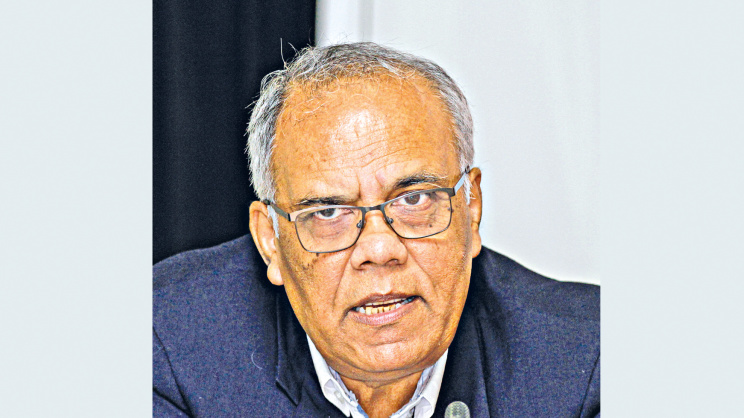
Two powerful presentations highlighted how deeply technology-facilitated sexual harassment and violence have penetrated society, posing a serious concern. The Daily Star reaffirmed its long-standing, proactive stance against gender-based violence and discrimination, consistently reporting to keep these issues in public discourse. A June 2024 report showed that although over 500,000 calls were made to 999 in 2023, only 23,000 related to women seeking help for violence, indicating severe underreporting; over 9,000 cases were recorded in early 2024 alone. Despite strong campaigns, progress on preventing child marriage has stalled. While Bangladesh has introduced relevant cyber laws, weak enforcement, low awareness and fragmented support systems limit impact. At this point, stronger coordination, a single helpline model, and greater pressure on Big Tech to enforce their own policies are urgently needed.
Dr Ruchira Tabassum Naved
Emeritus Scientist, Maternal and Child Health Division
icddr’b
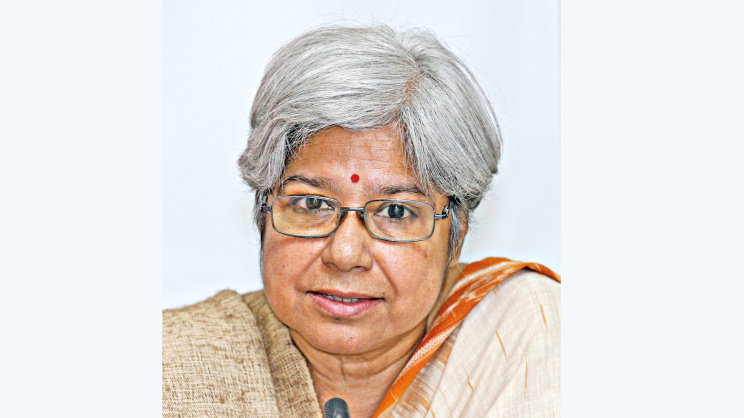
The prevalence of technology-facilitated violence is high in Bangladesh, and it is important to recognise that setting up services is not enough; response-related efforts need to go hand in hand with the prevention of this violence. Evidence shows stigma and fear of blame silence victims, with 60% of women abused by husbands never speaking out.
Beyond adults, the scale of violence against children is staggering. Childlight reports 300 million children globally experience technology-facilitated violence, with AI-generated sexual abuse materials rising 1,325% between 2023 and 2024. This requires urgent focus in South Asia due to the high prevalence. Finally, while legal and health responses are vital, we must also understand and address the profound social implications of this violence.

Mahbubul Alam (Mahbub)
Lead-Gender Mainstreaming I Gender Justice & Diversity
BRAC
Despite decades of collective efforts in Bangladesh, violence has not decreased, and its definition continues to expand. While campaigns like 16 Days of Activism raise awareness, social norms, victim-blaming, and superficial implementation prevent real change. Certain groups—adolescents and young women, women in public roles, and rural-to-urban migrants—remain particularly vulnerable, especially due to low digital literacy. Bangladesh Police’s Cyber Support Unit receives over 2,000 complaints monthly, with 70–80% of them coming from women and girls, highlighting the severity of the issue. Tech-based violence is a global problem, and it has profound health and social impacts. To reduce this form of violence, strengthening digital literacy at the household level, targeting education, and engaging policymakers and influencers are crucial.
Dr Nadia Afroz
Assistant Professor (Psychiatry)
National Institute of Mental Health, Dhaka
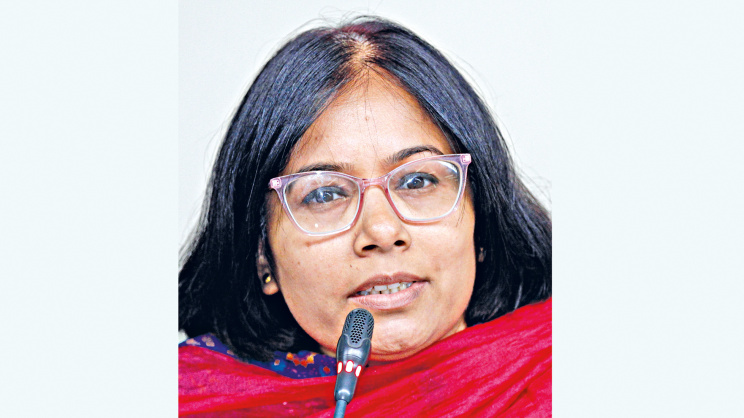
As an Assistant Professor of Psychiatry, I often encounter young patients affected by online harassment. One ninth-grade girl came to me once, deeply depressed after posting a photo on social media, which led to negative comments about her appearance. The experience caused anxiety, depression, and even suicidal thoughts. Incidents like this, which means everyday harassment, through comments rather than overt bullying, are often overlooked, yet they can have severe, lasting effects. Immediate reassurance, avoiding victim-blaming, and family support are critical. Guiding children on age-appropriate content and digital habits, combined with counselling when needed, helps recovery. Education on safe social media use must be ongoing, structured, and consistent, like a regular vaccination, to protect children’s mental health and productivity.
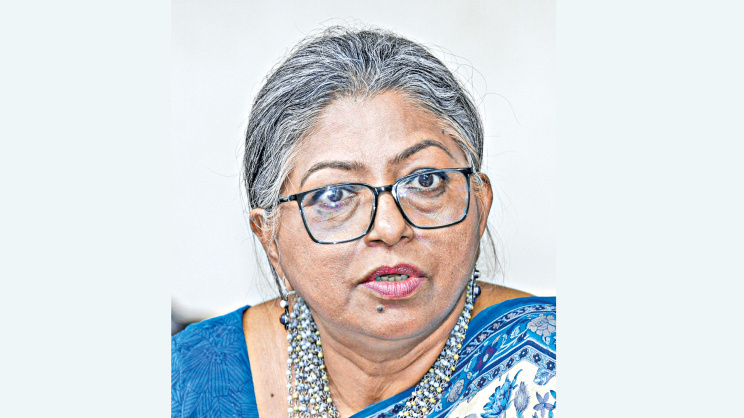
Monira Rahman
Executive Director, Country Lead
Innovation for Wellbeing Foundation, MHFA Bangladesh
Our social norms and value systems contribute to both physical and mental harm, particularly for women experiencing violence. Gender-based violence, online, offline, or technology-facilitated, has significant mental health consequences, yet services remain limited, unaffordable, or inaccessible. Only 0.44% of the health budget is allocated to mental health, mostly for infrastructure rather than skilled professionals, and most services are Dhaka-centric. While digital solutions exist, investment and capacity are weak, and culturally appropriate mental health resources are scarce. To address this, stigma must be reduced, awareness raised, and support networks, including para-professionals, established nationwide. We can see that policies exist, but they require urgent investment to be implemented effectively.
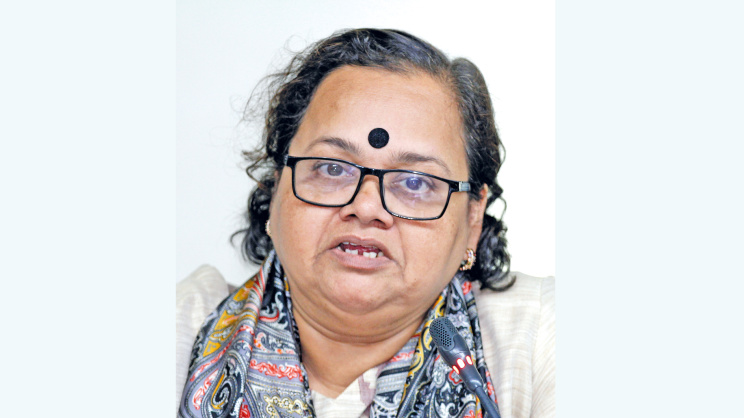
Dipti Sikder
Director, Legal Advocacy
Bangladesh Mahila Parishad
 For all latest news, follow The Daily Star's Google News channel.
 Being an independent, middle-aged woman, I also face daily violence. Adolescent girls and children, with no platform to speak up, are even more vulnerable. Socially, women and girls remain systematically marginalised, and safety is far from guaranteed, both offline and online. The cyber world, meant to be a space for connection, often exposes women and children to harassment, slander, and cyberbullying, as seen in political activism cases after August 2024, discouraging them from speaking up or participating. Families often struggle to provide support, and state mechanisms remain insufficient. We must continue efforts, address health hazards, create safe digital spaces, and ensure both children and women can live and work without fear.

Shilpi Saha
Senior Staff Lawyer
Ain O Shalish Kendra (ASK)
Today, women and girls face violence not only online but also offline. Legal action after offline harassment is often impossible because identifying the perpetrator is difficult, and without proof, support is limited. Also, when young girls seek help from their parents, they are sometimes blamed and discouraged from taking any legal action. In terms of online harassment, perpetrators frequently hide behind fake accounts, and it can come from abroad as well. In our country, the legal process for this kind of violence is long, and help desks or investigating officers often lack expertise. There is no dedicated helpline for digital violence, leaving many women unsure where to turn. We must act now to ensure access to support year-round, not only during the 16 Days of Activism, aiming for a society free from all forms of violence.
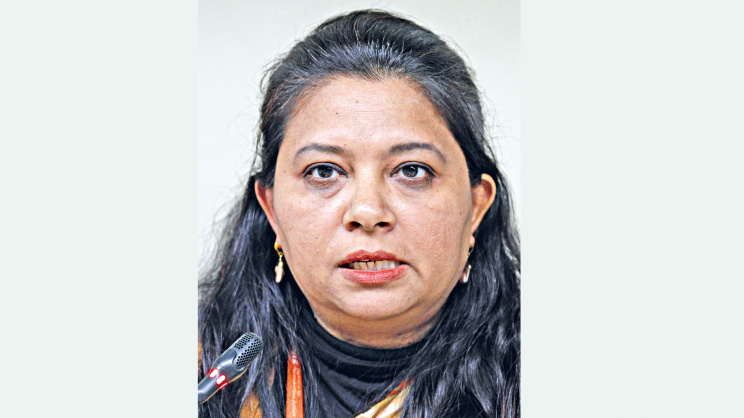
Farhana Jesmine Hasan
Senior Technical Advisor, SGBV
Ipas Bangladesh
Communities and civil society can play a transformative role in addressing digital violence by focusing on both perpetrators and survivors. Those who abuse online platforms must be educated on digital literacy, ethical behaviour, legal consequences and social accountability. At the same time, people at risk and survivors need skills to stay safe, clear information on reporting pathways and support to overcome stigma. Community action should engage youth as peer educators, equip parents to guide and support children, and involve local and religious leaders in prevention. Establishing community-based protection mechanisms, monitoring systems and widely known referral pathways is essential to reduce digital violence and break the culture of silence.
Mahbub Ul Alam
Country Director
Pathfinder International
Bangladesh is still benefiting from a demographic dividend, with nearly one-third of its population made up of adolescents and youth. Harnessing this potential is critical for future development, but it is hindered by child marriage, substance use and the growing threat of digital violence—particularly affecting young women. While girls perform strongly in education, this progress is not reflected at the policy level. Health, especially mental health, is central to realising the dividend, and digital violence poses serious long-term risks. As development programmes increasingly rely on digital platforms, clear government guidelines are urgently needed to ensure safety, manage risks and address areas beyond existing regulatory control.

Ayesha Akhter
Legal Specialist, Gender Justice & Women Empowerment Cluster
BLAST
Today, while much attention is on online violence, offline abuse remains significant. As a lawyer, I see that offline SGBV is often easier to assess, physical injuries are visible, and medical examinations help validate the trauma. Online violence, however, is more complex. Private moments shared on social media can be misused in ways affected cannot foresee, causing long-lasting harm. Thankfully, the 2025 Cyber Security Ordinance now defines offences, sets timelines, and provides protective measures. Yet survivors face discouragement navigating the legal system, and early removal of content can weaken evidence. Through today’s event, I want to emphasise that from service providers to survivors, everyone must act courageously, using the law effectively to tackle both online and offline violence.
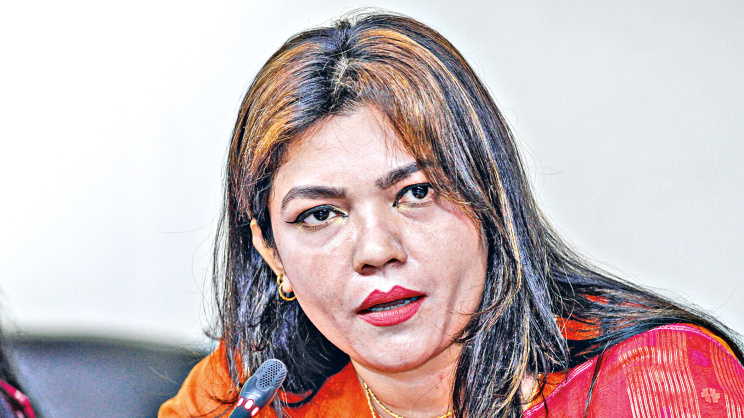
Tauhida Sultana
Coordinator
Nari Maitree
Violence against women often begins at home, where girls grow up under constant restrictions instead of receiving guidance on safe technology use and the confidence to speak openly. Families must be the first space to teach digital safety and support victims, rather than blaming them. At the community level, awareness is needed to recognise cyber violence as a crime, through local discussions and engagement with community leaders. Preventive action is also crucial in schools, colleges and workplaces through training on gender sensitivity and cyber safety. Finally, engaging boys and men as allies—encouraging empathy, responsible online behaviour and speaking out against abuse—can play a powerful role in reducing cyberbullying and digital violence.

Sharif Mostafa Helal
Executive Director
Bangladesh Women’s Health Coalition (BWHC)
Digital literacy can play a transformative role in supporting women and girls, particularly in the face of increasing gender-based violence through digital platforms. The Bangladesh Women’s Health Coalition (BWHC) has demonstrated this through its 24/7 hotline, enabling women to access medical guidance and support confidentially, overcoming social stigma. Digital literacy also allows adolescents and parents to find vital health information, locate doctors or ambulances, and utilise government and NGO services efficiently. Expanding digital literacy empowers timely access to healthcare and guidance. Also, a central helpline number for all services would further improve access and streamline support for women and mothers.
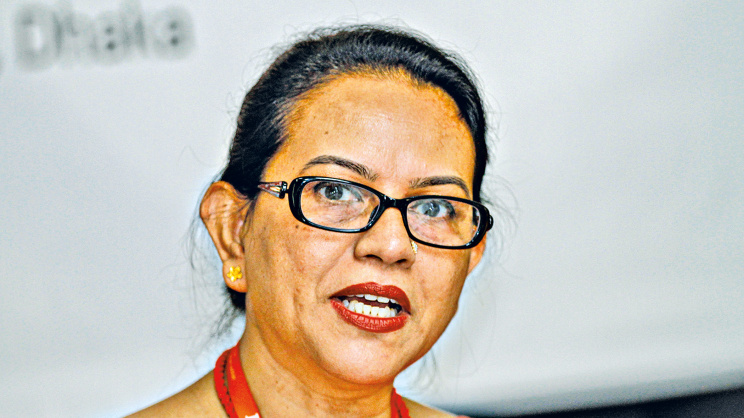
Dr Rahat Ara Nur
Program Director
Ipas Bangladesh
The health sector plays a critical role in addressing violence against women, encompassing prevention, clinical, medicolegal and psychosocial care services. Despite challenges like staffing shortages, funding gaps, and skill deficits, services continue, but readiness for digital violence must be strengthened. Healthcare providers need training to identify cases, provide first-line support, assess risks, and manage both mental and physical consequences, as digital harassment can escalate to offline violence, including abduction or assault. National protocols should integrate technology-facilitated gender-based violence, with strategies for data management, confidential reporting, and community outreach. Key priorities include digital literacy at household and educational levels, accessible health and legal services, and nationwide expansion of cybercrime support and forensic services. Last but not least, multisectoral collaboration is essential to advance prevention, response, and justice.
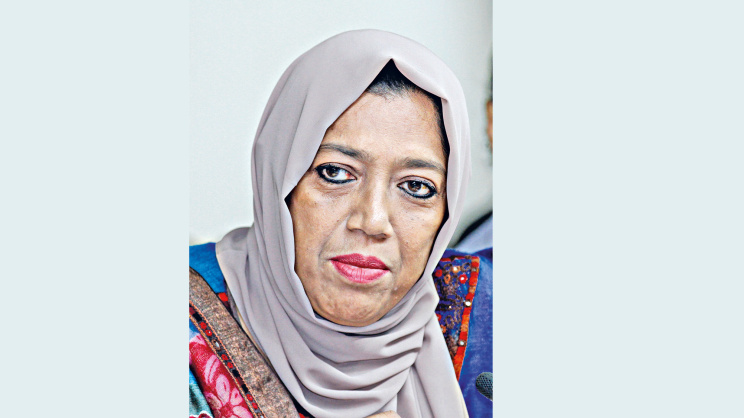
Salma Sultana
National Professional Officer (Communication)
World Health Organisation
Digital literacy is essential for everyone, as adults, women, and girls alike can unknowingly face risks on digital platforms. Long-term solutions require multisectoral collaboration; families, educational institutions, communities, governments, tech companies, NGOs, UN agencies, and academicians must work together. Strengthening digital skills, improving cybersecurity, and ensuring effective implementation of laws are crucial. Data-driven research guides interventions, particularly for mental health challenges caused by digital violence. WHO’s zero-tolerance approach, quality service delivery, and technical support to providers serve as models. Also, tele-counselling and direct support for survivors further enhance protection and care in the digital era.

Ahnaf Tahmeed Purna
SCOME Capacity Building Assistant,
Bangladesh Medical Student Society (BMSS)
Mandatory digital safety education must be strengthened in schools and colleges, as current ICT curricula barely address online safety, cyberbullying, data protection, or emerging threats such as deepfakes. Alongside curriculum reform, skills-building workshops for girls, run jointly by schools and civil society, can build digital confidence. Students also need clear information on reporting mechanisms, helplines, and counselling, especially in a victim-blaming context. Digital parenting training is equally vital, promoting non-judgmental communication and agreed family rules on safe internet use to significantly reduce risks.
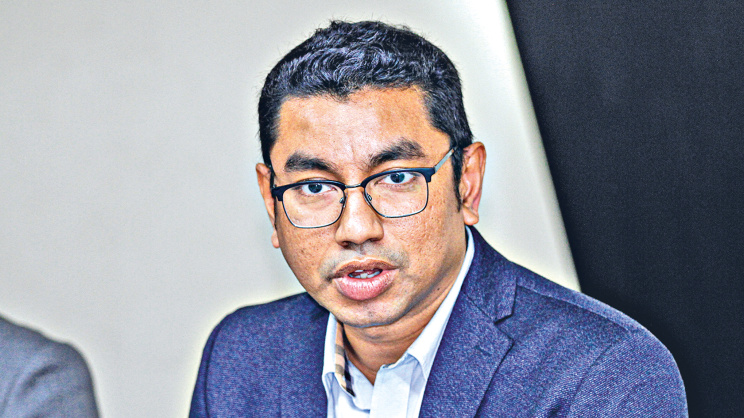
Tanjim Ferdous
In-Charge, NGOs and Foreign Missions
The Daily Star
(Moderator of the Session)
Digital spaces offer powerful opportunities to empower women and girls, yet they are increasingly marked by harassment, cyberbullying, and exploitation, disproportionately affecting young and marginalised women. The roundtable examined these challenges through three lenses: the health impacts of digital violence on adolescent girls and young women; the legal framework and justice pathways, including reporting barriers; and policy and advocacy priorities. The discussion aimed to generate evidence-informed recommendations to guide policymakers, legal professionals, health practitioners, and civil society in preventing digital violence and building safer, more inclusive digital spaces for women and girls.
Recommendations:
- Strengthen cyber law enforcement with specialised units and digital forensics, ensuring survivor-centred safeguards, timely content removal, and digital platform accountability
- Establish a nationwide 24/7 helpline combining health, legal, psychosocial, and cybercrime support for survivors
- Mandate digital safety education in schools and expand digital literacy for parents and women to promote safe online behaviour and early risk detection
- Invest in mental health for gender-based violence via trained professionals, community counselling, telehealth, and culturally appropriate care
Comments