


Expectations from BNP’s next secretary general
Congratulations to Mirza Fakhrul Islam Alamgir for being elected president of Bangladesh. We believe he will restore to the post much of the dignity that was eroded by the former one. He has been able to sustain an image of reliability, respectability, decency, and unwavering party commitment. We recall how terribly he suffered in the hands of the Awami League regime, and how frequently he and other senior leaders—including Amir Khasru Mahmud Chowdhury, Nazrul Islam Khan, and Ruhul Kabir Rizvi—used to be arrested and kept in prison without bail for months.
It needs to be mentioned here that after following the procedure at various levels, the BNP Standing Committee, instead of selecting the presidential candidate, authorised the party chief to do so. This is how party leaders themselves create over-empowered chiefs. BNP Chairman and Prime Minister Tarique Rahman could have set a principled and necessary example by insisting on a collective decision-making process. In that case, we can speculate that everyone would have tried to guess the chief’s choice and opine accordingly. The decision would perhaps have been the same even then, but it would have the seal of a collective decision. It was a missed opportunity to set a new and welcome trend, even if only superficially.

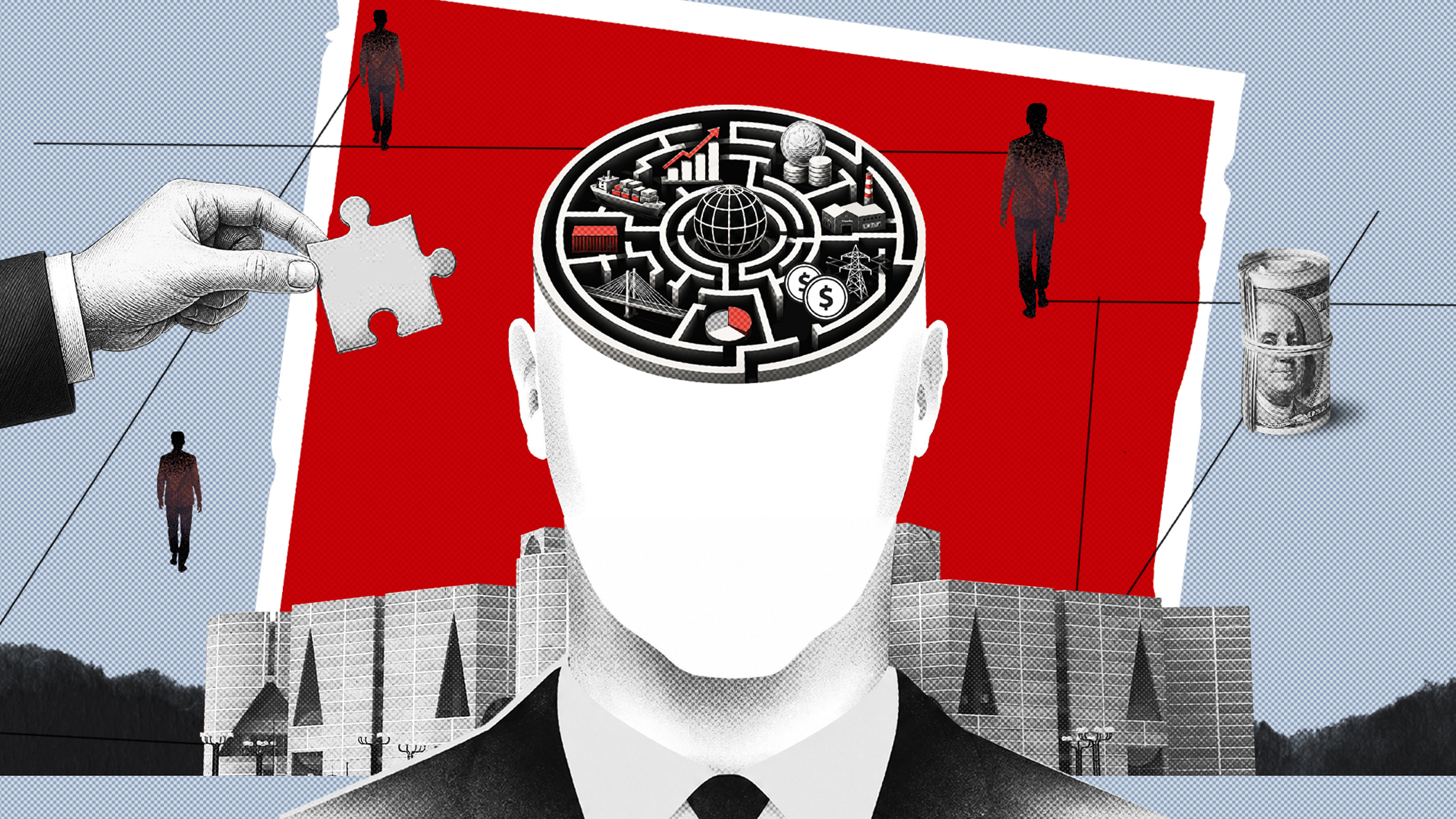
When the presidential post became vacant after Abdul Hamid’s tenure ended, there were speculations about who was likely to succeed, based on personal qualification, party record, personal loyalty to then Prime Minister Sheikh Hasina, and other related factors. Not a single top AL leader, no former or serving bureaucrat, nor anyone known to be close to the then PM ever mentioned the name of Mohammed Shahabuddin, who later adorned the post. He was a personal choice that went through no official or party vetting, nor through any open and transparent process. It is a telling example of how whimsical decisions marked Sheikh Hasina’s rule when governance became personal and arbitrary.
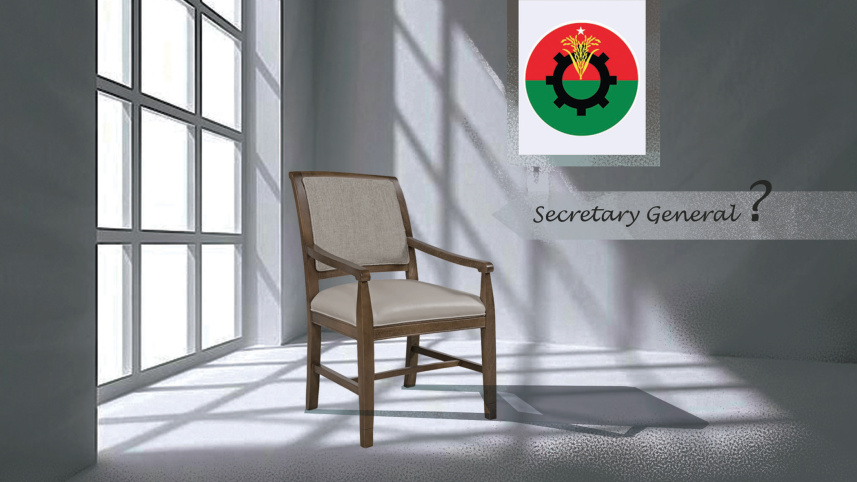
Mirza Fakhrul becoming the president opens up a vital question: who will be the next secretary general (SG) of BNP? On Thursday, the party announced the appointment of veteran leader Ruhul Kabir Rizvi as acting SG with immediate effect. We may have to wait until the party’s next council for confirmation of the eventual SG. While this process unfolds, it is worth noting that there is now an opportunity for the BNP chief and senior party leadership to select a new SG fit to face prevailing challenges, which are enormous and unprecedented. Fakhrul’s tenure as the SG was mostly devoted to surviving Hasina’s onslaughts and keeping the party united in the face of pressures and “rewards” to split it. He was successful in performing this onerous task despite his frail health at the time.
His successor, however, will have to focus on building the party on different lines to attract all the segments of society—women, young people, professionals, academics, and others—under a nation-building spirit. Doing so would be difficult in the tumultuous political environment in which we presently live. He or she will have to earn the trust of Gen Z, who have shown their capacity to topple and to disrupt. In addition, the new SG will face a well-organised opposition camp whose known and not-so-known networks can create havoc, given our political past of not only opposing the ruling party but also disrupting its positive efforts under the “opposing for opposition’s sake” mindset.
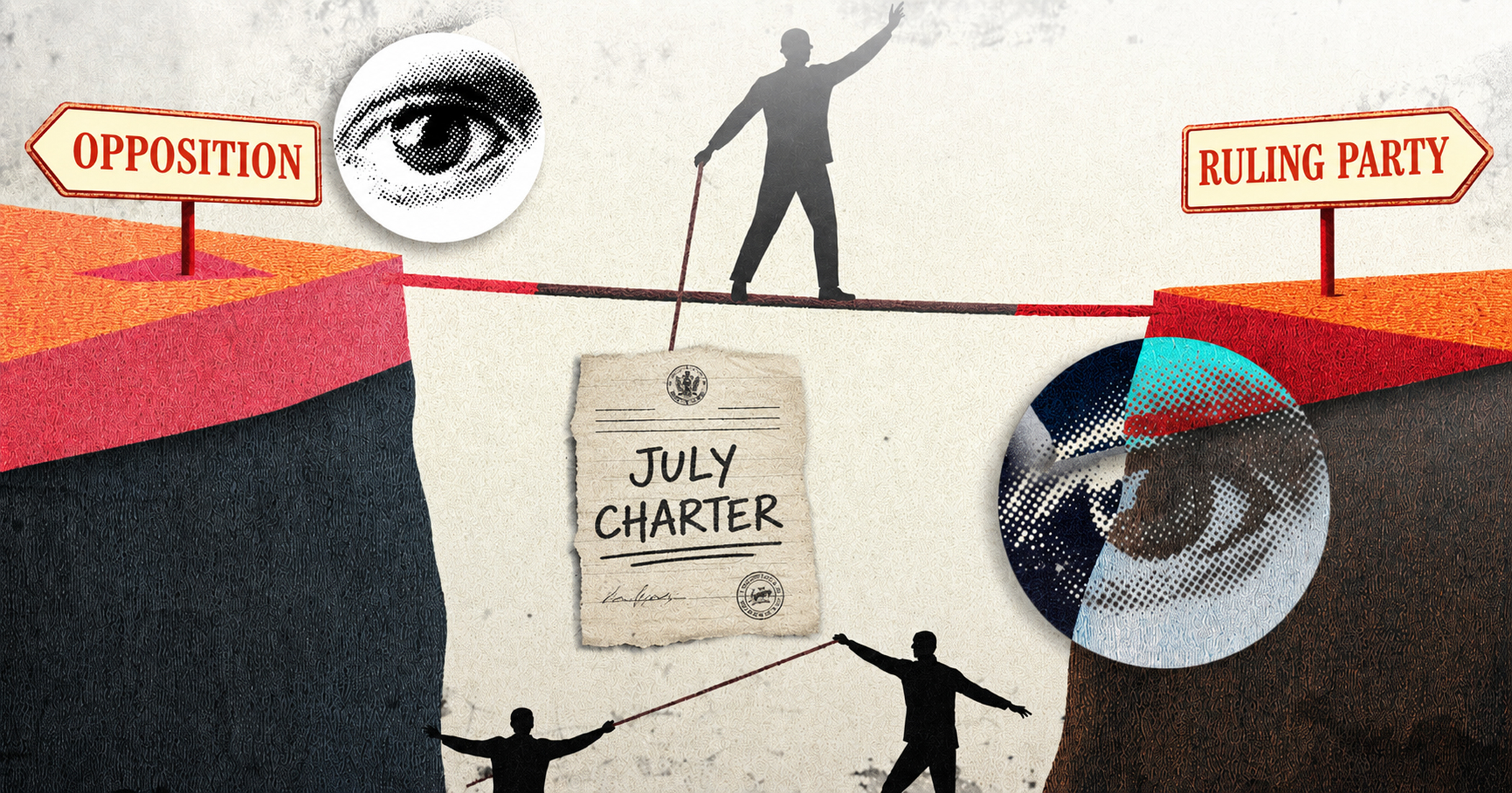
On the other hand, when a political party is in power, there is a surge among the vested groups to join it as there is “gravy” all around. In fact, the old and veteran grassroots leaders end up regrouping their own support base with such people whose funding—both personal and that of the party, more so the former—comes from these quarters.
Before choosing a new SG, it will be relevant for the BNP chief to delve into the history of roles played by the former secretary generals. It was Dr AQM Badruddoza Chowdhury who was the founding SG of the party. He was followed by ASM Mustafizur Rahman, KM Obaidur Rahman, Barrister Abdus Salam Talukder, Abdul Mannan Bhuiyan, and Khandaker Delwar Hossain. Mirza Fakhrul, who became acting SG in 2011, was formally appointed as SG in 2016.
President Ziaur Rahman’s choice of Dr Badruddoza Chowdhury as his second-in-command as he launched BNP is interesting and contains a number of lessons to learn from. Dr Chowdhury enjoyed a lot of autonomy that the subsequent SGs did not. There were genuine respect and partnership between the two top leaders—the chief’s overall vision and institutional discipline, and his deputy’s political acumen and communication skills. Though Dr Chowdhury’s final days in BNP were not very pleasant, the founding days were. The takeaway for Tarique Rahman is that he needs a sincere partner, not just a “yes man”. He needs someone who will help him strengthen the party anew in the spirit of nation-building. Someone who has ideas and the ability to implement them. Most importantly, the next SG must have that crucial and ethical courage to differ, not in opposition but in placing alternative suggestions, which he or she must be given the freedom to place.

The most important new trend that Tarique Rahman can introduce is to separate the party hierarchy from holding ministerial posts. Traditionally, the SG post has almost inevitably been linked with the local government ministry. Why this particular portfolio? This ministry has the widest possible national network and one of the biggest budget allocations. A huge part of this fund is used to provide largesse at the grassroots level. Village development work is usually done through this ministry, and that is how party control is exerted. This practice obviously turns the ministry into a den of “favouritism,” which is nothing but camouflaged corruption. This mixing of party politics and public funds is the beginning of the denting in popularity of all ruling parties. The role of party SG, therefore, should be made a full-time job. For protocol purposes, he or she may be given a ministerial rank, but no ministerial responsibility.
There is a lot to learn from AL’s disastrous failure in this regard. Among the institutions that Sheikh Hasina destroyed, AL itself was one of the worst victims. The whole party structure was made to collapse; almost every decision from the lowest to the highest level was placed in the party chief’s hand. Year after year, we saw the party’s highest body meeting and, instead of finalising any important decision, adopting a resolution leaving it all in Sheikh Hasina’s hands. The traditional leadership hierarchy that AL had possessed was slowly but surely decimated.
Whom Tarique Rahman selects as the new BNP SG, and the process he follows to make that choice, will reveal a lot and determine the future path of the party. The party constitution is extremely centralised. The chief has the right to overrule decisions made by any tier of party leadership. Over time, whether the party chief gradually institutes inner party democracy or not will bear significant testimony to his dream of building a new Bangladesh. The party leaders will have to be given more autonomy to function and, at the same time, it must be ensured that they remain accountable. This can be done easily in the digital age.
There is much to internalise from the July uprising. There exists a natural aversion among the public to over-centralisation of power. People’s memory, however short, retains some fundamental values. Tarique Rahman’s desire to build Bangladesh anew must be accompanied by his example of building his own party differently. And it can, and should, start with the appointment of the new secretary general.
Mahfuz Anam is the editor and publisher of The Daily Star.
Views expressed in this article are the author's own.
Follow The Daily Star Opinion on Facebook for the latest opinions, commentaries, and analyses by experts and professionals. To contribute your article or letter to The Daily Star Opinion, see our guidelines for submission.
 For all latest news, follow The Daily Star's Google News channel.
Comments