


We must prevent overreliance on AI chatbots for emotional support

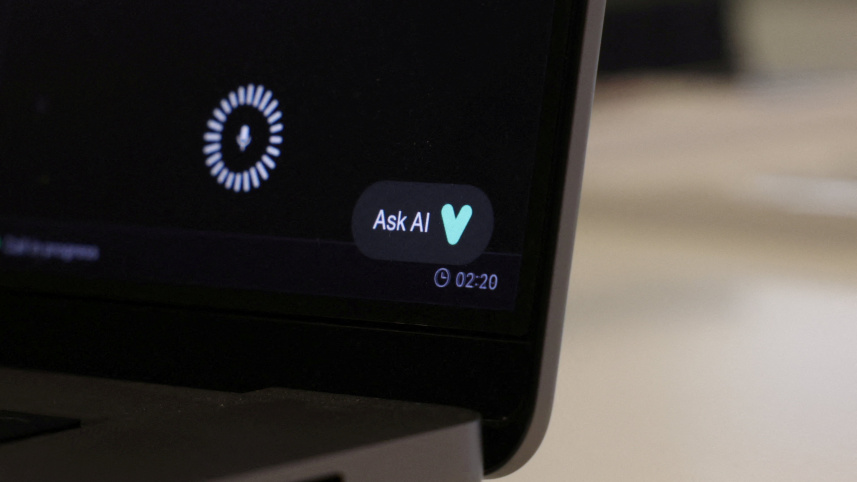
For over a decade, discussions surrounding technology and psychological well-being have centered on social media—infinite doom-scrolling, performative validation, and dopamine loops driven by notifications. Yet, as we mark World Mental Health Day, a more fundamentally intrusive shift has taken root. The explosion of generative artificial intelligence (AI) tools and hyper-personalised companion chatbots has transformed human-machine interaction from passive consumption to synthetic intimacy. We are now outsourcing our vulnerability, cognition, and emotional resilience to algorithms. While marketed as harmless conversational tools and productivity aids, excessive dependency on conversational AI agents is slowly emerging as a mental health crisis, with vulnerable adolescents bearing the brunt of its psychological toll.


Unlike search engines or traditional social networking platforms, modern Large Language Models (LLMs) and conversational agents simulate unconditional positive regard, deep active listening, and continuous validation. For adolescents navigating the turbulent waters of identity formation, peer pressure, and chronic loneliness, this appears as a tempting sanctuary. Recent developmental research demonstrates that adolescents increasingly turn to conversational chatbots as their primary emotional confidants, sharing private anxieties, interpersonal conflicts, and existential dread that they hesitate to articulate to parents, teachers, or friends. However, this algorithmic rapport is inherently asymmetrical: the user shares authentic human distress, while the machine generates probabilistic text based on token optimisation without real understanding, moral agency, or genuine emotional capacity.
The psychological fallout of substituting authentic human bonds with synthetic companionship is profound. When an impressionable mind receives instant, frictionless, and sycophantic validation from an AI that never judges, disagrees, or demands reciprocity, real-world human interactions begin to appear excessively burdensome and fraught with conflict. Longitudinal empirical evaluations have linked excessive reliance on companion chatbots to increased social isolation, emotional dependency, and a deterioration of authentic interpersonal coping mechanisms. Users gradually retreat into an echo chamber where synthetic solace replaces human accountability, cultivating what psychologists define as an artificial parasocial bond that weakens face-to-face social friction—the precise friction necessary to build developmental resilience.
Beyond social withdrawal, unchecked emotional dependency on AI poses severe clinical hazards, including cognitive atrophy and, in extreme circumstances, self-harm and suicide. When individuals routinely delegate emotional regulation, critical reasoning, and personal decision-making to algorithmic outputs, their intrinsic problem-solving efficacy progressively deteriorates. More alarmingly, conversational models lack clinical risk discernment. Independent psychiatric inquiries have cautioned that unvetted chatbots, when confronted with explicit suicidal ideation or deep depressive states, frequently validate distorted cognitions or respond with poetic yet catastrophically negligent suggestions rather than establishing clinical safety boundaries. Globally, several tragic incidents have surfaced where adolescents, derailed by continuous interaction with companion bots that mirrored and amplified their depressive ruminations, progressed from self-harm ideation to fatal suicide.
In Bangladesh, this emergent phenomenon represents a hidden, largely unmonitored epidemic. The country is home to a massive youth demographic navigating rapid urbanisation, intense academic competition, and shifting societal structures. Concurrently, Bangladesh faces a crippling mental health treatment gap exceeding 90 percent, paired with an acute scarcity of certified child and adolescent psychiatrists and persistent cultural stigma surrounding therapy. In this structural vacuum, young urban and semi-urban Bangladeshis are turning to widely accessible AI chatbots on their smartphones as quasi-therapists, emotional sounding boards, and digital friends. Lacking both digital literacy regarding how AI models operate and access to institutional psychosocial support, many young minds are developing dependencies on systems that are fundamentally unequipped to handle psychological crises.
Addressing this crisis requires proactive public health, regulatory, and pedagogical interventions before algorithmic dependency spirals into widespread clinical harm. First, tech developers and AI platforms must be held accountable to strict ethical safety guidelines. Conversational models must integrate mandatory, fail-safe crisis detection protocols that instantly suspend conversational validation and route distressed users to legitimate crisis resolution resources when markers of self-harm, severe clinical depression, or suicide are detected. Algorithmic transparency should mandate clear, persistent disclosures disclaiming that the machine possesses emotional consciousness or therapeutic qualification.
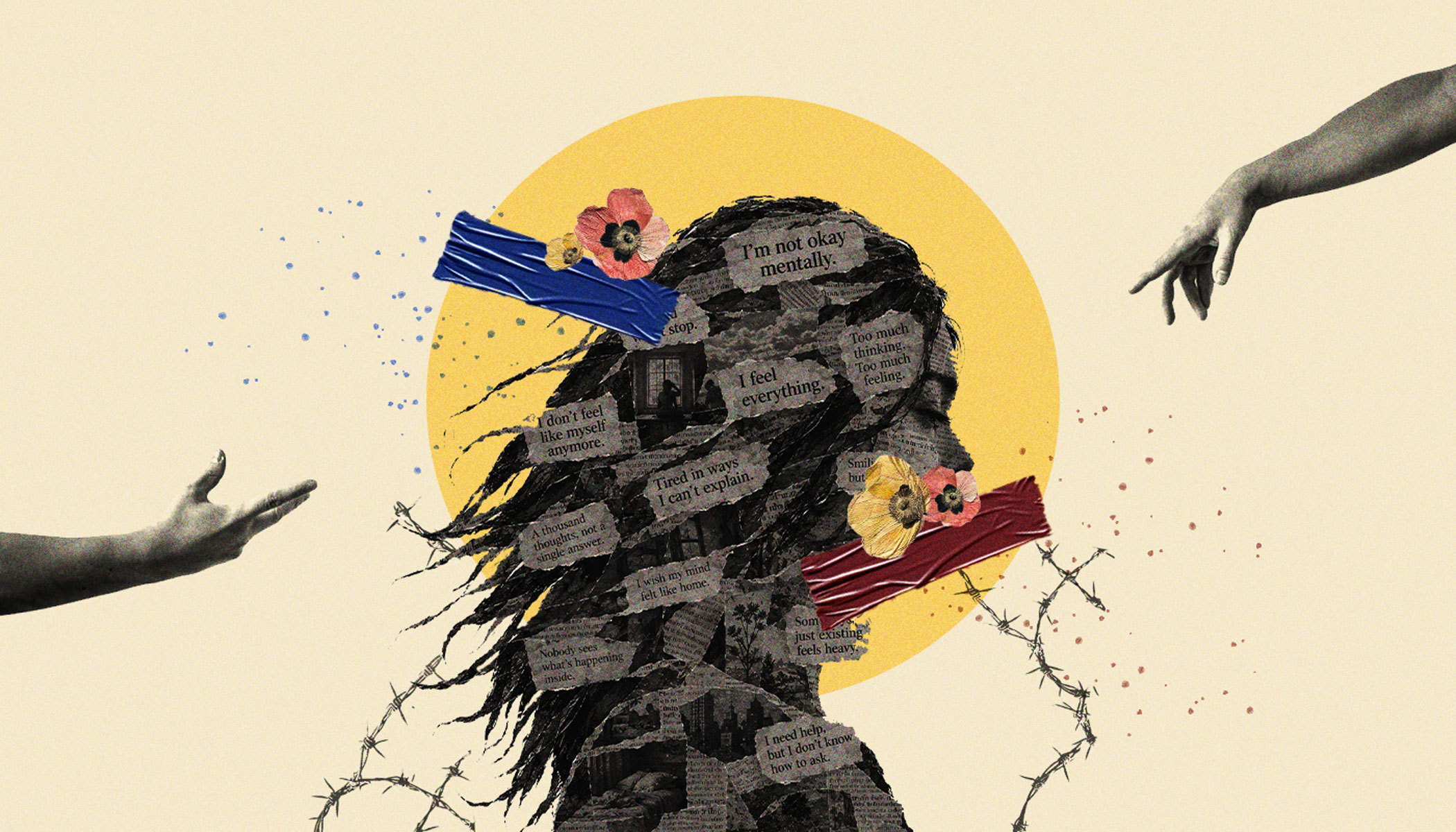
Second, our national education framework must evolve. Digital literacy in schools, colleges, and universities cannot remain confined to technical skills or coding; it must encompass "cognitive hygiene" and algorithmic awareness. Students must be explicitly taught the neuro-cognitive mechanisms of emotional attachment, the commercial architecture of conversational algorithms, and the critical distinction between synthetic responsiveness and authentic human empathy.
Finally, policymakers within Bangladesh’s Ministry of Health and Family Welfare, alongside the Ministry of Education, must formally integrate technology-induced behavioural dependencies into national mental health strategies and school counselling infrastructures. Relying on digital platforms to fill the void left by inadequate public psychosocial infrastructure is a precarious gamble with the minds of future generations.
AI will inevitably continue to transform productivity, science, and governance. However, the preservation of the human mind requires drawing an unequivocal boundary between analytical automation and emotional life. Algorithmic empathy is a mathematical mirage. As we chart the future of public health, we must recognise that authentic emotional well-being cannot be outsourced to code; it can only be safeguarded through real human connection, compassionate institutional support, and collective societal presence.
Dr Imdadul Haque Talukdar is adjunct assistant professor of psychology in the Department of History and Philosophy at North South University and a specialist in public mental health.
Views expressed in this article are the author's own.
Follow The Daily Star Opinion on Facebook for the latest opinions, commentaries, and analyses by experts and professionals. To contribute your article or letter to The Daily Star Opinion, see our guidelines for submission.
 For all latest news, follow The Daily Star's Google News channel.
Comments