


Dhaka needs a plan that’s implementable
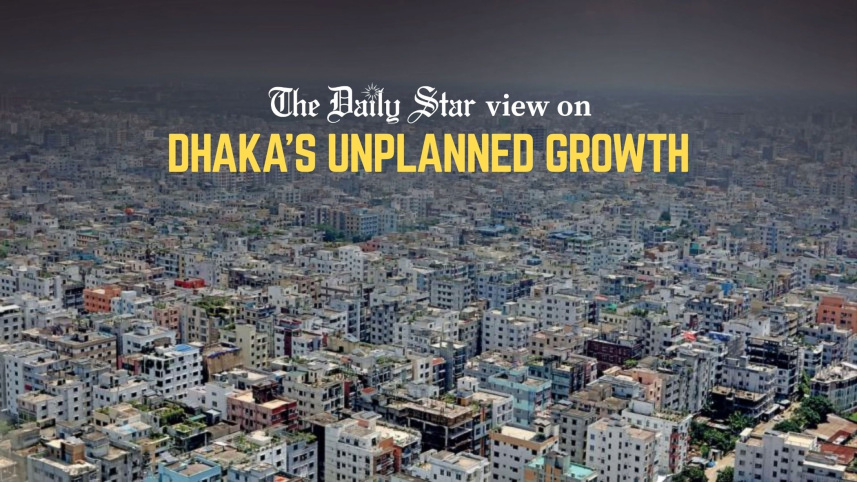
Socioeconomic inequality, waterlogging and frequent flooding, poor traffic coordination, broken public transport, and pollution of natural elements define Dhaka, the capital city of Bangladesh. Amid all this, citizens struggle to secure basic necessities and essential services. Meanwhile, as experts pointed out at a recent discussion, undeterred population growth is putting pressure on housing and driving the expansion of informal settlements, while weak enforcement of urban plans has allowed unauthorised buildings to emerge even on designated water bodies.


What we face now in Dhaka can be traced back to poor or irresponsible planning over the past several decades. Only three and a half weeks ago, in regard to a writ petition submitted by a human rights and social development organisation, the High Court issued a ruling asking the chairman of Rajdhani Unnayan Kartripakkha and other relevant authorities why the capital’s Detailed Area Plan (DAP) has not been properly implemented and why the authorities’ failure to do so should not be declared illegal. The plan for Dhaka itself has undergone a number of revisions since it was formulated in 2010. But it remains merely on paper while the city continues to rank as one of the world’s least liveable cities.
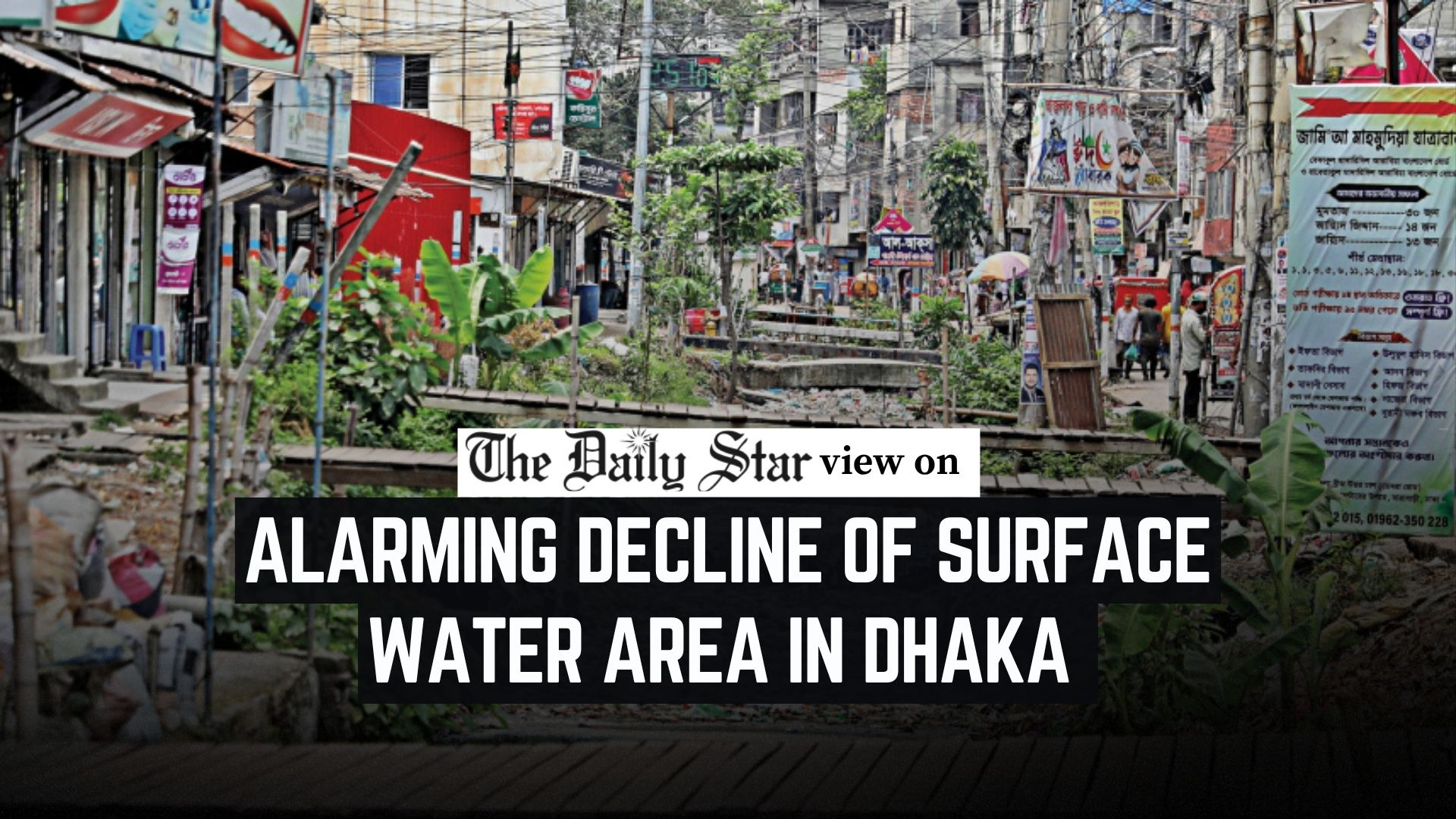
Dhaka’s rapid and unplanned urbanisation, alongside the lack of rural development, is to blame for this. Water bodies have been filled up with sand and concrete, and the city’s boundaries are pushed further while lack of adequate government support for traditionally rural professions fuels in-migration. Even a small amount of rainfall causes its major roads to flood, directly impacting citizens’ mobility, productivity and overall quality of life. With the effects of climate change being felt more strongly each year, heatwaves and non-seasonal rainfall hit Dhaka’s concrete jungle hardest.
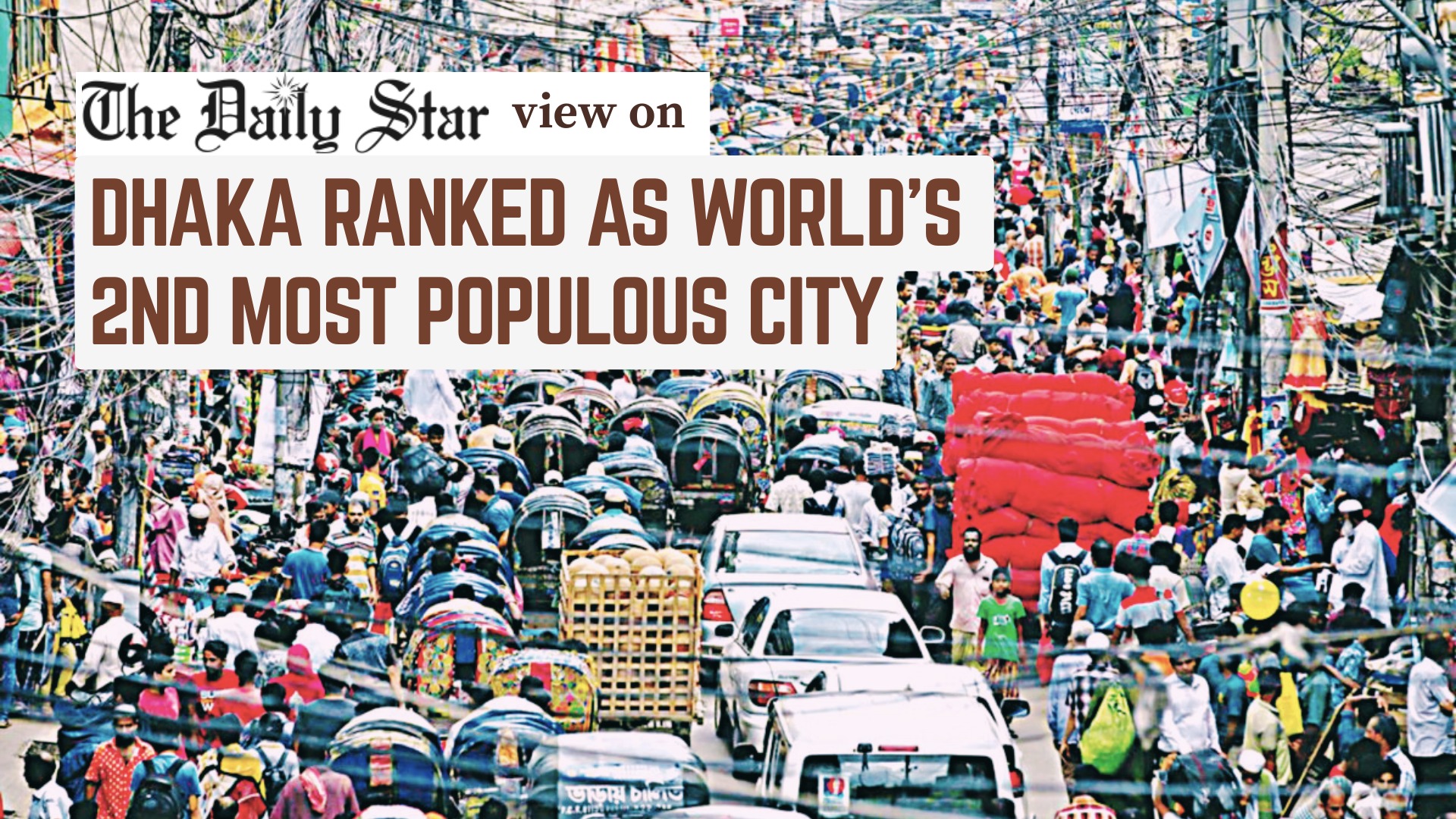
Every government over the last two decades has presented plans for Dhaka, but none have been implemented effectively, if at all. The current housing and public works minister’s pledge to strengthen urban planning with a 10-year initiative (five years beyond his government’s tenure), including regulations for buildings constructed without approved plans or in violation of approved designs, is commendable. But it will achieve little if the DAP remains unimplemented or the capital does not visibly improve in terms of liveability. It is high time the authorities realised that buildings are only one element of urbanisation, not the whole point of it.
 For all latest news, follow The Daily Star's Google News channel.
Comments