


Apathy and lack of legal protection endanger dwindling urban greenery

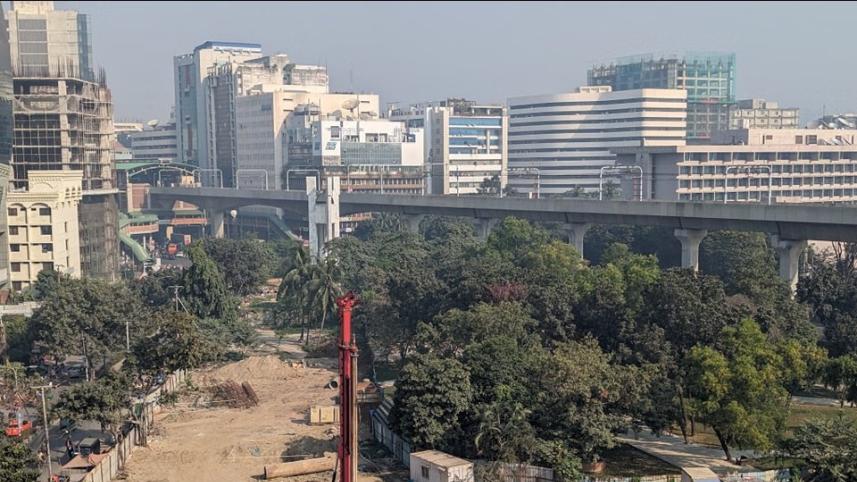
There is a 55-year-old, perhaps older, sheesham tree on a narrow stretch of municipal land behind our apartment building. Roughly five storeys tall, its thick canopy glitters in the sun, and it is visited daily by a wide array of birds—shalik, doyel, bulbul, kaththokra, shui chora and, of course, kaak. In addition to our residential building, it is flanked by the official compounds of two government institutions, neither of which owns the strip of land the sheesham tree occupies.
We had always assumed the tree would be safe from harm, as its surrounding area is fully developed, and it does not pose a threat to nearby structures, electrical wires, or passers-by. On the contrary, its shade cools its vicinity in the summer, and its presence has been an invaluable source of mental support to us through the pandemic and the unpleasant dreariness of day-to-day life in Dhaka. It had slipped our minds that wood from a sheesham tree is widely used to build furniture and, therefore, highly valuable.

One afternoon, the sheesham tree caught the attention of a group of contractors hired by one of the government complexes to do some other landscaping work. Fortunately, my parents and I were at home at the time, and we spotted them just as they were fastening their ropes around its branches and scaling its trunk, equipped with sickles and a chainsaw. In our race downstairs to stop them, we encountered a few of our building's other tenants. Hoping to garner strength in numbers, I asked them to join us in trying to save the tree, but to my utter dismay, no one wanted to help. One uncle even tried to find a silver lining, saying no tree meant fewer insects. To them, the tree's felling was a foregone conclusion, so why even bother?
The tree's protection ultimately fell to me, my parents—both in their seventies—and two guards. We demanded that the contractors show us an official permission for the tree's felling. When they failed to present one, we scrambled to get in touch with someone from their client institution. The contractors panicked and abandoned their enterprise before we actually managed to speak to anyone.
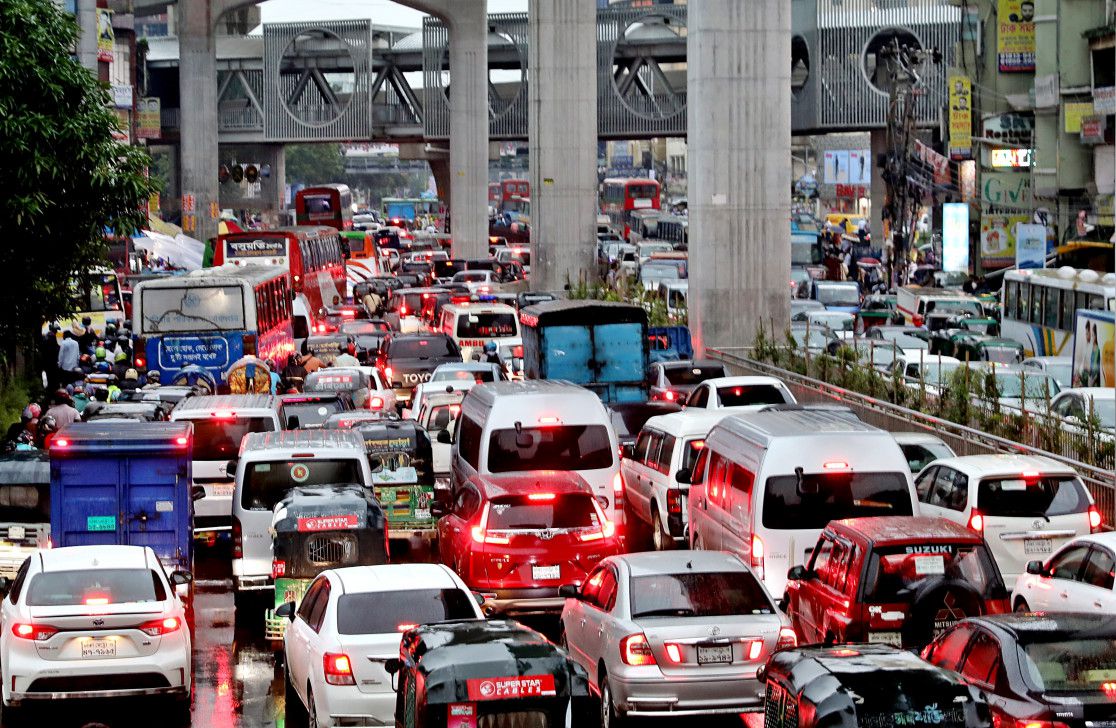
Having narrowly escaped disaster this time, I consulted a lawyer at the Bangladesh Environmental Lawyers Association (BELA), hoping to secure some form of legal protection, perhaps a plaque, for the tree's future preservation. Sadly, Bangladesh's existing environmental laws do not have provisions for protection of this kind. The Bangladesh Environment Conservation Act, 1995, only applies to trees in ecologically critical areas. What's more, the sheesham tree is not considered a native species (though a quick internet search would say otherwise) and is not deemed to have any environmental, medicinal, or livelihood value that warrants legal protection. The only way to protect a tree that is not located in an ecologically critical area is by obtaining a High Court order or by getting a prominent public figure to declare it a tree of cultural significance.
The legal assertion that the sheesham tree has no "environmental value" is factually incorrect. Even if one overlooks the wildlife that frequents it, a 55-year-old sheesham tree possesses immense carbon sequestration potential, meaning it absorbs and stores vast volumes of carbon dioxide. Bangladesh has been party to the Paris Climate Agreement since 2015 and has made an international commitment, through its Nationally Determined Contributions (NDCs), to reduce its greenhouse gas emissions by 20.3 percent by 2035. Would it not, then, make sense to legally protect the trees that are actively removing greenhouse gases from the atmosphere?
A tree's full "environmental value" can only be realised once it is 10 years old. Every Earth Day, every Environment Day, every climate conference at home and abroad, and every heatwave, our leaders and administrators lament the loss of green spaces and entreat citizens to plant more trees. Their words ring hollow when they subsequently do nothing to ensure saplings grow to their full potential, protect older trees, or implement zoning laws mandating green spaces in urban areas.
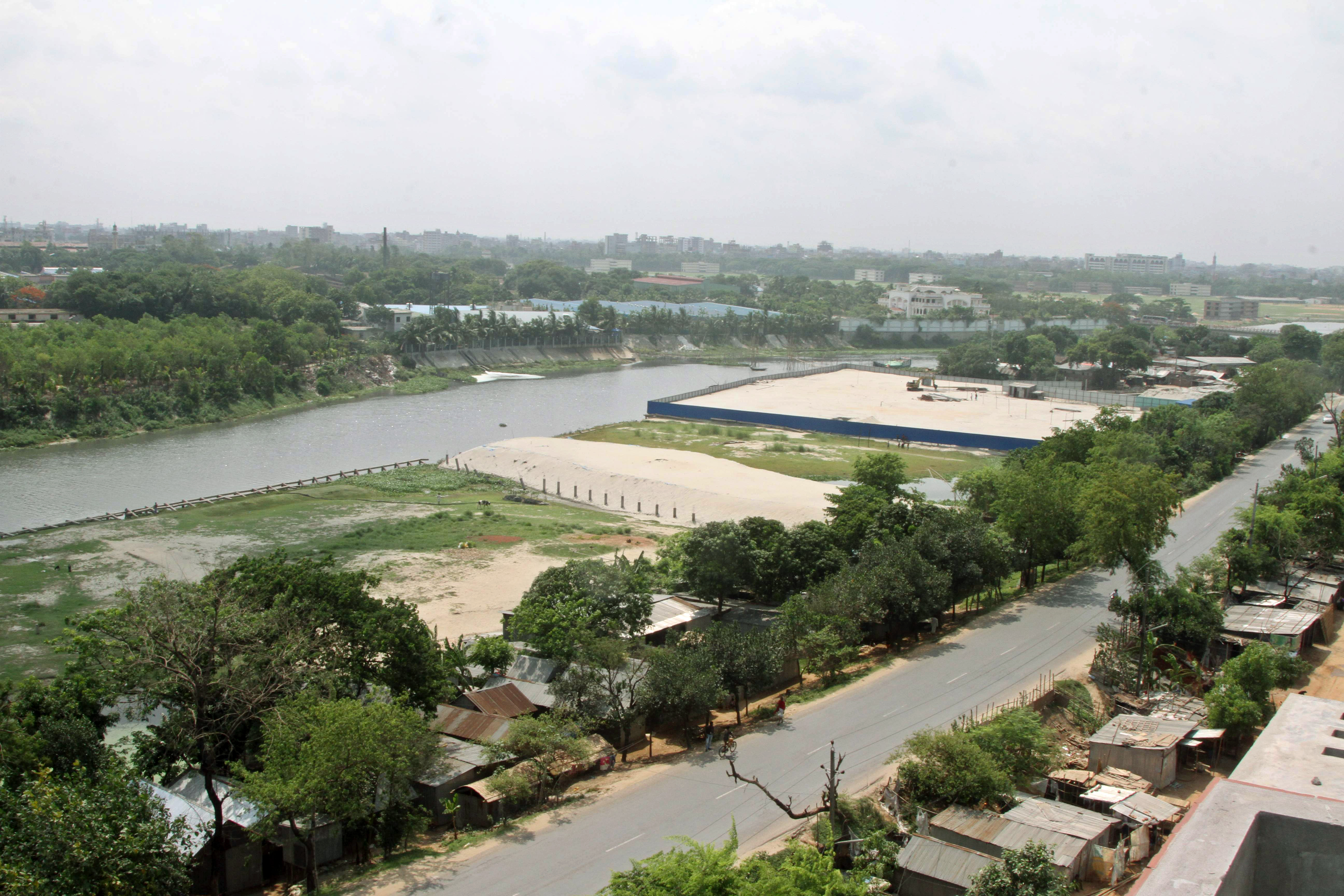
The sitting environment adviser is a career environmental lawyer who could have, at the very least, begun revising Bangladesh's environmental laws to be more thorough. In December 2024, she announced that a new law for the protection of trees was being formulated, but there has been no follow-up in the 11 months since. In the meantime, a lack of pre-emptive legal protection led to trees in Hatirjheel and Panthakunja Park being felled for the elevated expressway's construction. Although a High Court order was eventually issued to halt it in September this year, contractors continued their operations, claiming they had not received an official notice.
When I shared the story of my family's confrontation with the contractors on social media, a family friend told me she had come home one day to find someone had dismembered her neem tree because its branches had grown past her property's boundary wall. I hope her grief and my family's anxiety over our cherished trees never harden our hearts like those of our neighbours. However, I wonder if there is any other way to cope when our country's laws are so ill-equipped to protect the things we hold dear, and loss is perpetually imminent.
Anjum N Choudhury is a climate policy research consultant at the Asian Development Bank.
Views expressed in this article are the author's own.
Follow The Daily Star Opinion on Facebook for the latest opinions, commentaries, and analyses by experts and professionals. To contribute your article or letter to The Daily Star Opinion, see our guidelines for submission.
 For all latest news, follow The Daily Star's Google News channel.
Comments