


Salinity is poisoning our water and soil
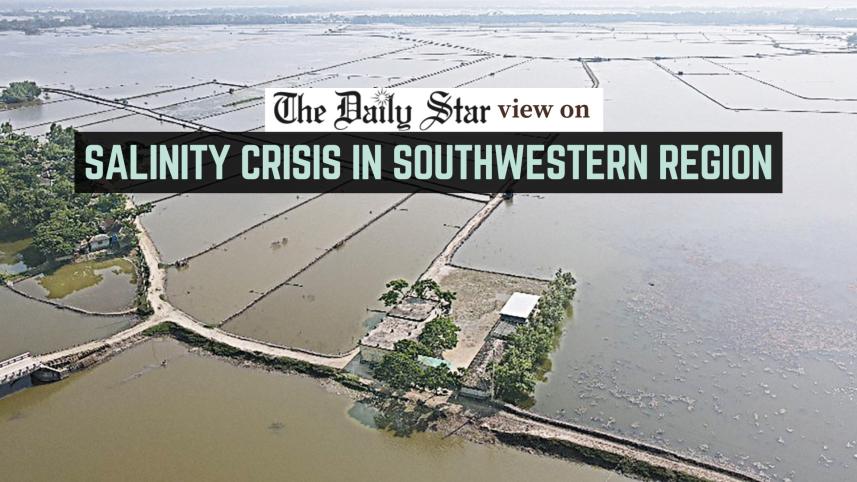
A recent Daily Star report once again highlights the devastating impact of salinity in Bangladesh's southwestern districts, particularly Satkhira and Khulna. Across the country's 19 coastal districts, high salt concentrations in soil and water are disrupting lives and livelihoods. Salinity has become one of the region's most severe environmental challenges, one that the government must treat as an urgent health, economic, and social crisis.
While climate change is a major cause for reduced upstream flow, rising sea levels, and cyclones, the reckless and unhindered shrimp industry has created a human-induced environmental disaster. Agricultural land has lost fertility and can no longer produce rice and vegetables. Much of it has been converted into shrimp enclosures, allowing saltwater to seep into the groundwater. According to a government report, around 62 percent of coastal land is now affected by salinity.

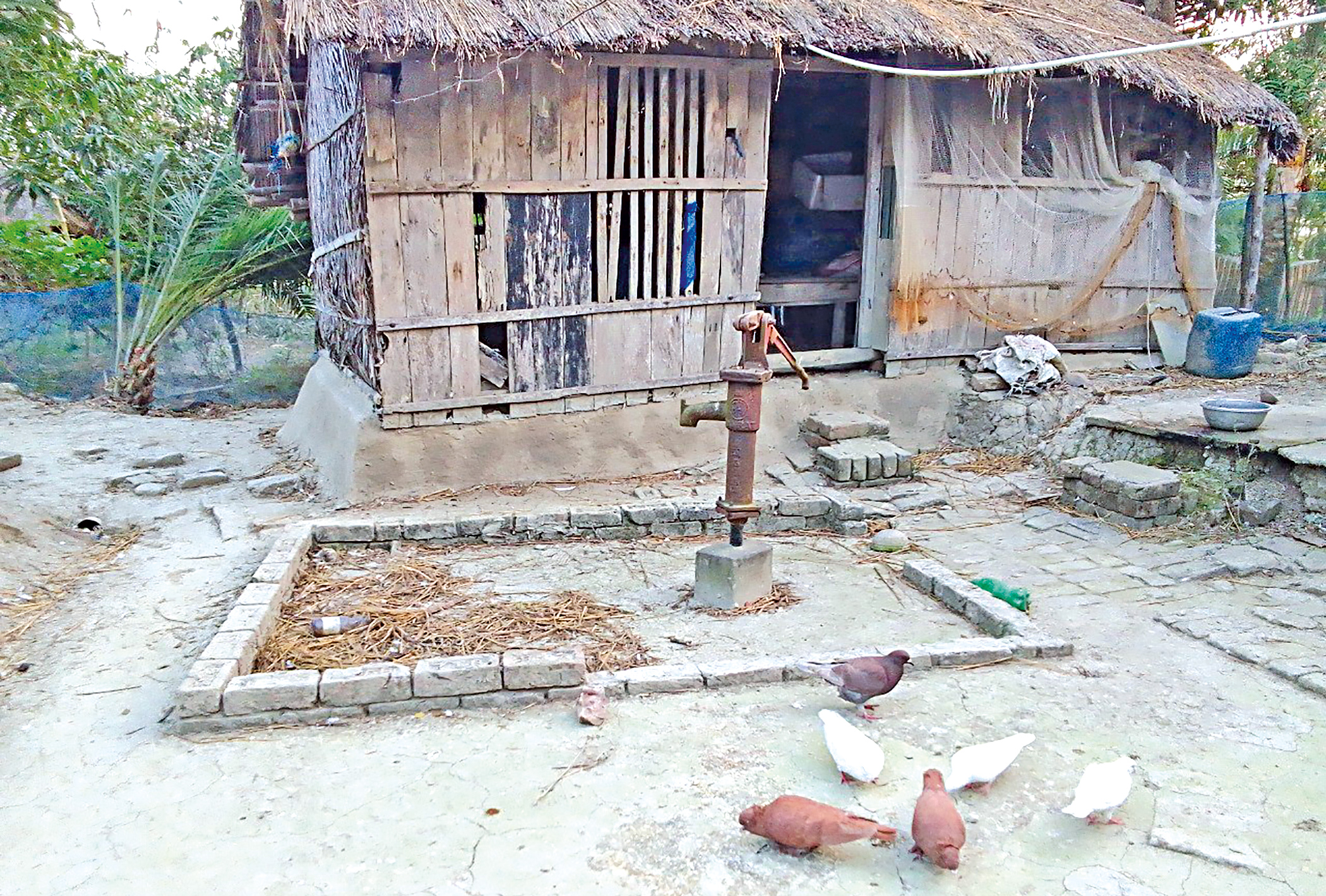
Embankments built to protect soil from salinity and tidal surges have, in many cases, caused more harm than good by blocking natural tidal flows. This has led to waterlogging and weakened the natural flushing mechanisms that push saltwater back into the sea, resulting in further soil and water degradation. But it is the unregulated shrimp farming since the 1980s that has deepened the crisis. It has benefited only a handful, while the majority of small farmers have lost their land to excessive salinity. These small farmers and day labourers are now forced to survive on meagre wages, pushing them further into poverty.
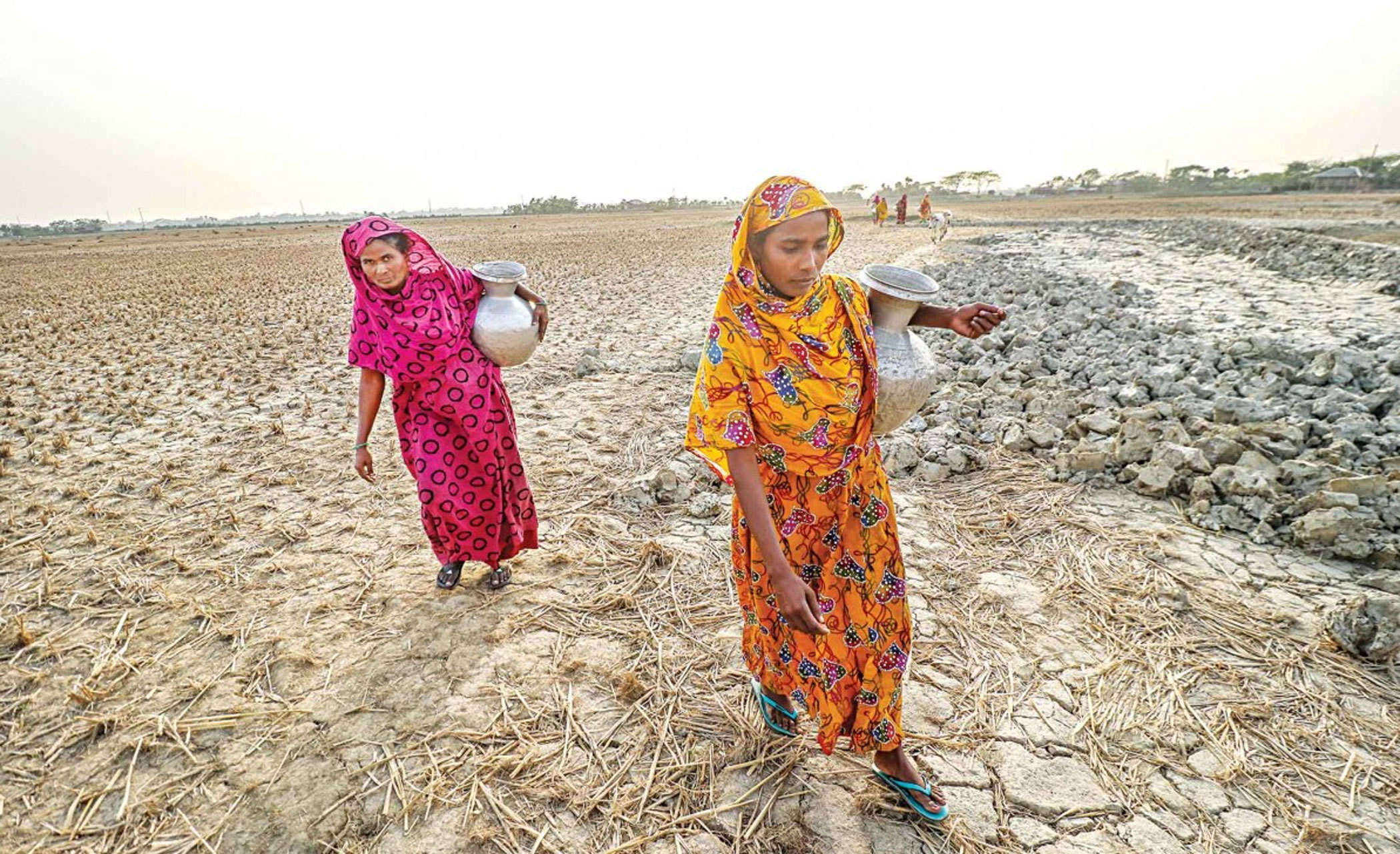
The health cost of this crisis is also dire. Procuring safe drinking water has become a major challenge, with women and girls often having to travel miles to fetch potable water. Prolonged exposure to saline water and its consumption are causing a range of health conditions, including preeclampsia among pregnant women. What is most shocking is that successive governments have allowed shrimp farming to expand without any regulation or enforcement of environmental laws to protect the soil and water.
We urge the interim government to begin addressing this crisis without delay. Environmental experts have already outlined clear steps. The most urgent is regulating shrimp farming to stop the conversion of cropland and the intrusion of saltwater. Other key measures include expanding infrastructure to bring in more freshwater, promoting rainwater harvesting at household and community levels, deploying desalination technology for drinking water, introducing climate-smart agricultural practices such as salt-tolerant crops and water-efficient methods, and designing gender-sensitive water policies to help women and girls in particular. Our policy must reflect the urgency of addressing salinity in these regions, as millions of lives and livelihoods are at stake.
 For all latest news, follow The Daily Star's Google News channel.
Comments