


Factories must stop polluting rivers
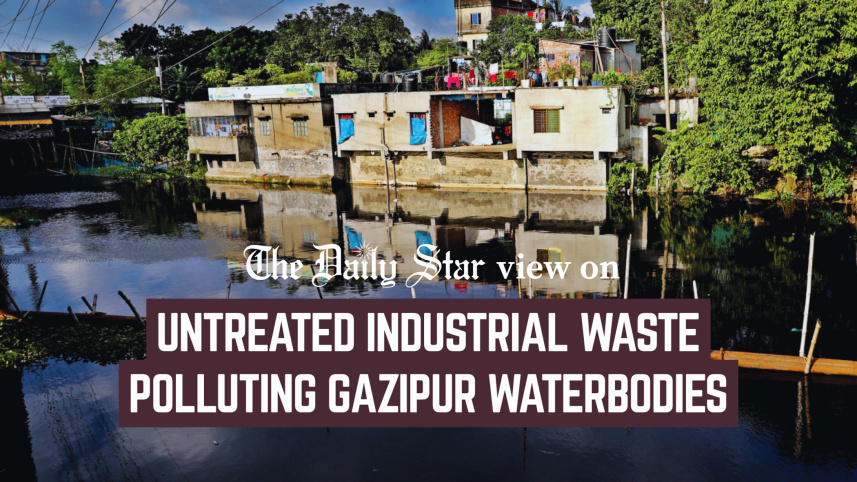
As the political promises of planting 25 crore trees and digging 20,000 kilometres of canals and waterways are reiterated at review meetings and conferences, marginalised sections of our population continue to suffer multiple types of environmental pollution daily. As a report by this daily outlines, the canals in Gazipur’s industrial areas remain pitch-black as industrial and household waste flow through the Tongi canal into Turag and Balu rivers. Not only is the water uninhabitable for aquatic life, but the land around these waterways is also not conducive to farming crops. Besides, chemicals evaporate, polluting the air, corroding tin roofs and, more concerningly, affecting the health of residents. Meanwhile, in Narsingdi, a similar story of waste plagues the Haridhoa River. Here, too, the river is encroached upon and is polluted by chemical waste from surrounding industries.

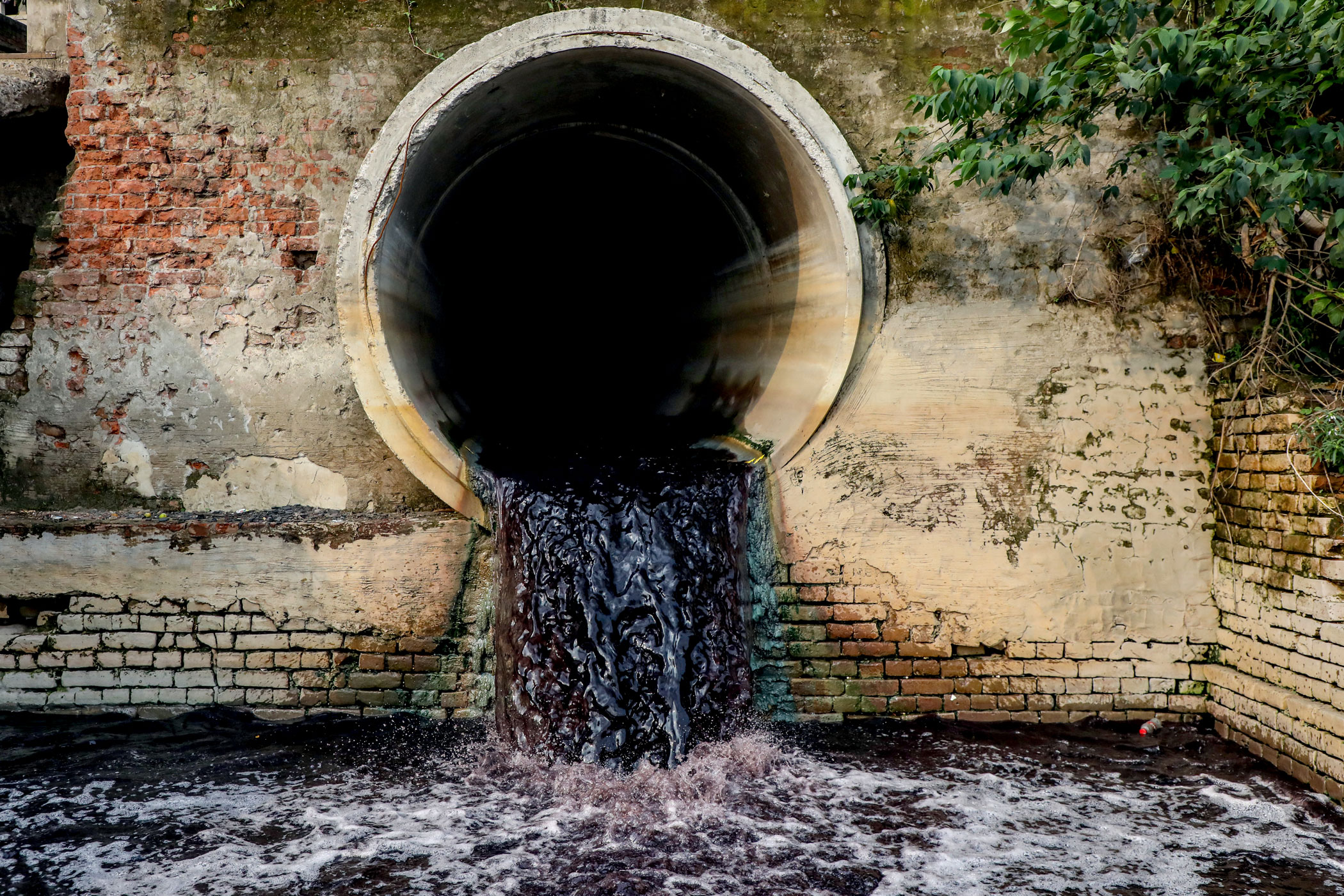
In both Gazipur and Narsingdi, industries pollute nearby water bodies despite having effluent treatment plants (ETP). While a number of factories, including Leeds-certified ones run their ETPs properly, many others do not. Consequently, it impacts public health. Tests of surface water along the Turag have found lead, cadmium, chromium, nickel, and iron above permissible levels by local and global standards. Some samples recorded pH levels as low as 2 to 4, indicating highly acidic water. In some locations, the concentration of dissolved heavy metals such as iron, lead, chromium, and nickel is alarmingly high. Near the Haridhoa, locals avoid getting into the water, while those who still bathe in it often develop skin problems. The Narsingdi Sadar Hospital reportedly receives 14 to 16 patients a day with diseases caused by the river pollution.

Most concerningly, there is a severe shortage of workforce to monitor these industries and their pollution. In Gazipur district, for instance, the Department of Environment (DoE) office responsible has five staff members, only three of whom are inspectors. Meanwhile, a Tk 6.5-crore project under the Narsingdi Water Development Board to excavate the Haridhoa has only reached 15 percent completion since it began last August.
We cannot allow life-giving rivers to be choked by reckless human-made corruption. Beyond individual-level plastic pollution, the government must treat industrial pollution as an emergency because it affects the daily lives of crores of people nationwide. Rivers must be revived and kept pollution-free to help life flourish as they have done for centuries.
 For all latest news, follow The Daily Star's Google News channel.
Comments