


An epidemic that shouldn’t have occurred
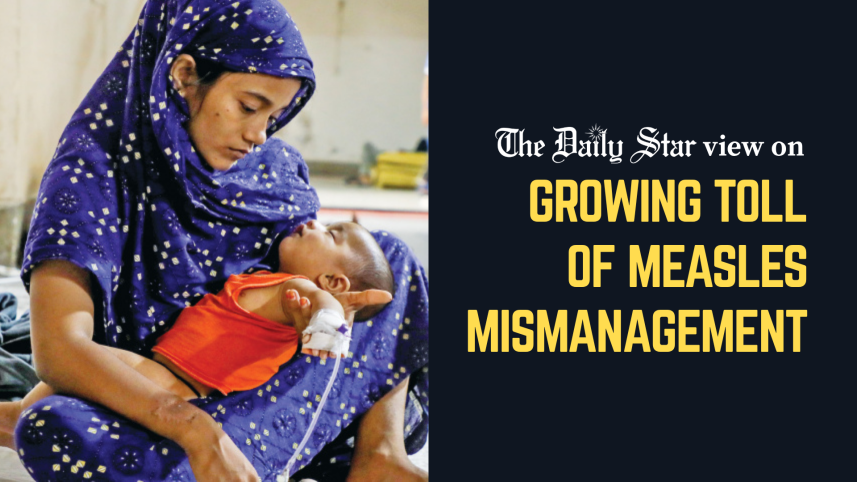
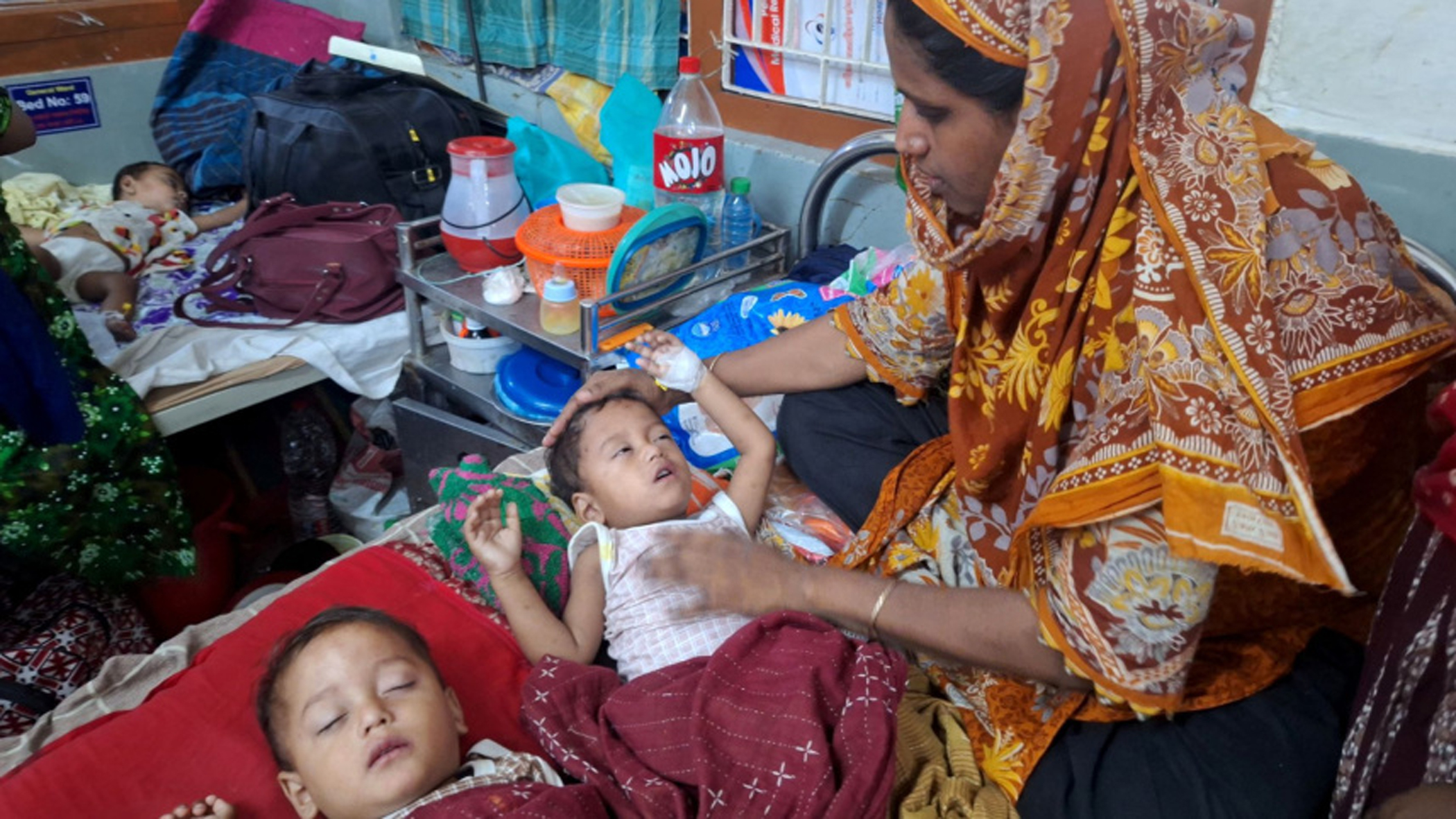
As of August 12, 2026, at least 885 deaths, mostly of children, from measles or measles-like symptoms have been reported in the country. This is a tragedy that is unacceptable because it was avoidable. Measles was largely eradicated in Bangladesh, thanks to the country’s successful immunisation campaigns that earned praise worldwide. So why have we lost so many children to this disease this year, with new deaths being reported almost every day? A Prothom Alo investigation has found that negligence from several quarters at the policymaking level—from health ministry, DGHS and Expanded Programme on Immunization (EPI) to WHO and Unicef—led to major gaps in immunisation, resulting in this frightening epidemic.

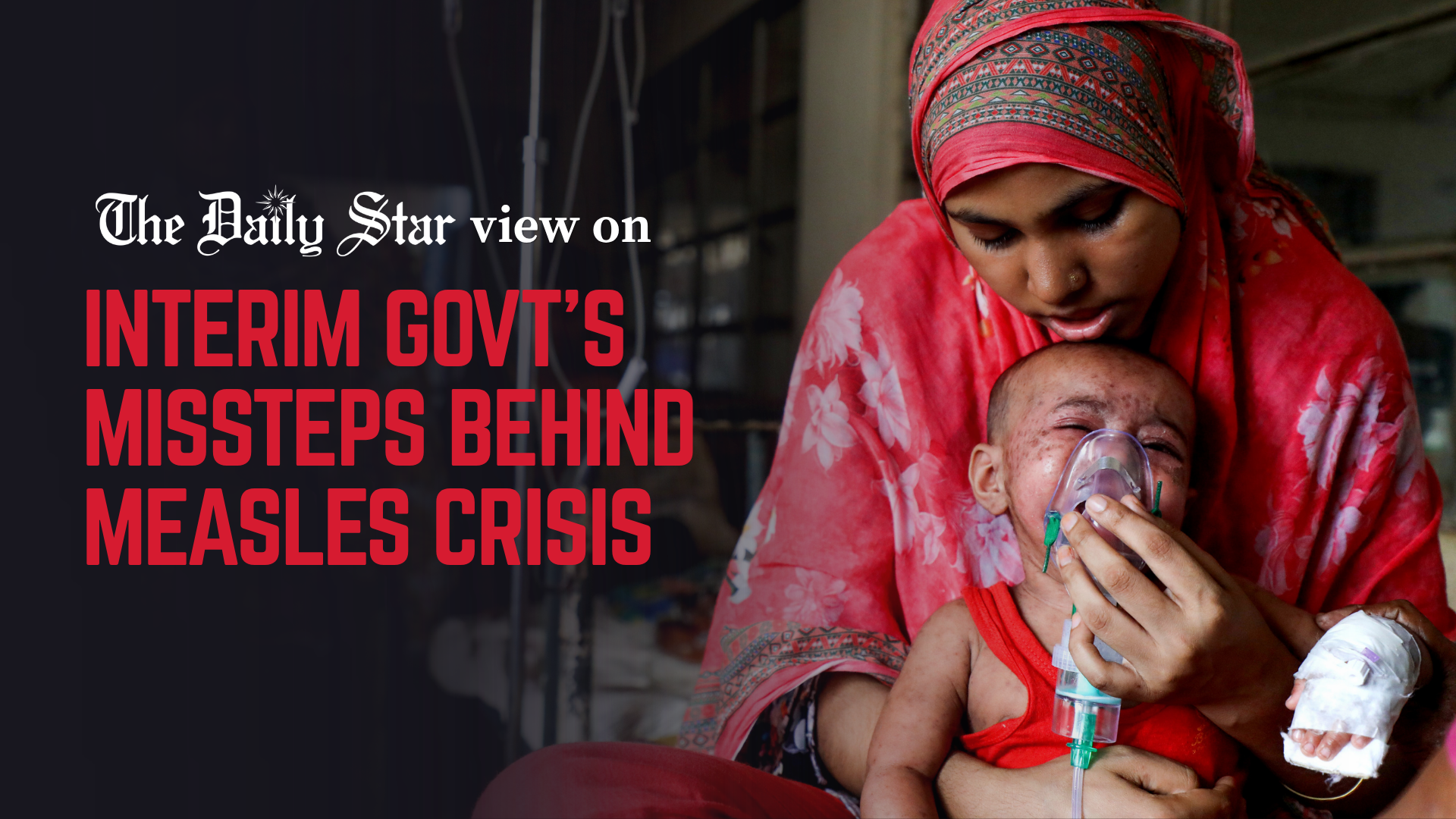
The Prothom Alo report identified five factors leading up to the 2026 death toll. The first is a seven-month gap in measles inoculation because of repeated postponements in 2025. In the years after the last campaign in 2020, typhoid vaccination was prioritised, pushing back the vaccination for measles. It is estimated that around 92 percent of the children who died were not vaccinated for measles. Second, between 2023 and 2025, procurement of measles-rubella dropped by around 42 percent. Third, neither domestic nor international organisations raised the alarm about the increasing number of children staying unvaccinated, the shortage of vaccines, and the high incidence of infections.
The interim government has been largely blamed for the crisis as it abruptly changed the procurement policy, resulting in a deadly delay in getting the vaccines. Frequent strikes of health workers in 2025 disrupted the regular vaccine programmes and delayed the campaign as well. When the vaccines were finally provided in April 2026, a huge number of children had not been reached. Health experts said if the vaccination campaign had started at least six months earlier, the disease would either have not occurred at all or been so widespread.
In the coming days, the government, through the relevant agencies, must identify all the gaps in immunisation. Inoculation against certain diseases can never be put on hold. The health ministry and the DGHS must ensure that immunisation campaigns take place within the time period specified and that the coverage is wide enough to ensure immunity. Campaigns must reach areas that have been left out in the past. Vaccination must be prioritised after consultation with health experts. The government must make sure that the EPI provides accurate information regarding outbreaks of major diseases as well as vaccine shortages so that adequate quantities of vaccines are procured without delay. International organisations, too, must own up to their role in this tragedy—for not raising the alarm and not prioritising the need for timely measles vaccination.
 For all latest news, follow The Daily Star's Google News channel.
Comments