


How changing lifestyles are redefining furniture choices in Bangladesh
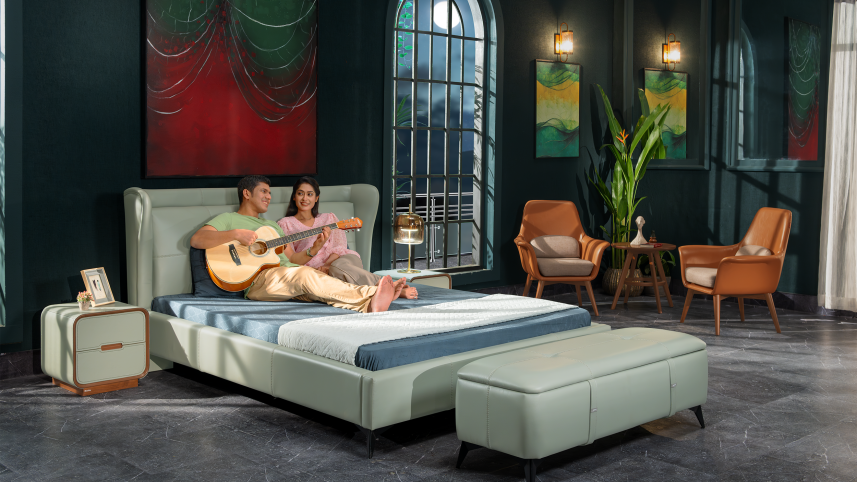
In many Bangladeshi homes, furniture used to be something you bought once and forgot about. It was expected to last, endure, and quietly fade into the background of daily life. However, that logic is no longer holding. Today, furniture is expected to do more than occupy space. It has to respond to smaller homes, hybrid lifestyles, aesthetic awareness, and a generation that treats interiors as an extension of identity rather than status alone.


This shift, as Shafiqur Rahman, Director at HATIL explains, is reshaping Bangladesh's décor and furniture market from the inside out.
A growing market with sharper intent
The furniture industry in Bangladesh is no longer moving slowly. Rahman sees this expansion as a direct result of rising middle-class incomes and changing lifestyle preferences.
"The mid-to-high-end segment is expanding as customers increasingly value quality, design, and durability," he explains. This is an important distinction. Growth is not being driven by volume alone, but by value. Consumers are spending more time evaluating what they buy and why they buy it.
Apartment living changes everything
One of the most influential forces behind current décor trends is urban living. Apartments are smaller, layouts are tighter, and rooms often serve multiple purposes. This reality has changed how people think about furniture.
"Over the past three to five years, customers have become far more design and quality conscious," Rahman notes. At the same time, there has been a clear rise in demand for modern, space-saving, and multifunctional designs. Furniture now has to work harder.
A bed might also need storage. A sofa might need to turn into a sleeping surface. A table might have to serve as both a workspace and a dining area. These demands are not driven by the trend alone. They are responses to how urban families actually live.
Digital discovery before physical purchase
Another major shift is how people discover furniture. The buying journey often begins online. Social media, brand websites, and digital catalogues shape first impressions long before customers step into showrooms.
Rahman points out that online browsing and social media now play a major role in purchase decisions. Visual storytelling, clear specifications, and transparent pricing matter more than ever. Brands are expected to communicate design philosophy, functionality, and value quickly and convincingly in digital spaces.
This has pushed furniture companies to rethink not only what they sell, but how they present it.
How brands are adapting behind the scenes
To keep pace with these changes, furniture brands are adjusting both design strategy and operations. Rahman explains that HATIL has expanded its product portfolio with modern, space-efficient, and multifunctional designs tailored to contemporary lifestyles.
Behind the scenes, the company has also invested in technology-driven manufacturing to ensure consistency, durability, and superior finishing. This matters because today's consumers notice details. Edges, joints, finishes, and material quality all influence trust.
At the same time, access has become part of the product experience. Digital platforms, flexible payment options, and improved after-sales service are now essential, not optional. Furniture is a long-term relationship, and consumers expect brands to support that relationship well beyond the point of sale.
Minimalism with a practical spine
Minimalism continues to dominate décor conversations, but in Bangladesh, it is rarely about empty rooms or visual austerity. It is about clarity and usefulness. People want furniture that looks calm but works hard.
"HATIL has actively expanded its range of minimalist, contemporary designs, with a strong focus on multifunctional furniture such as sofa-cum-beds, divan-cum-beds, and reading table-cum-bed units," says Rahman.
These designs are not novelty items. They are solutions to spatial pressure. The appeal lies in balance. Customers want maximum utility without sacrificing comfort or aesthetics.
What younger buyers really want
Millennials and Gen Z are not simply following trends. They are redefining expectations. Rahman observes that these younger consumers prefer modern, minimalist designs that reflect personal style and suit compact urban homes.
They also expect a seamless digital experience, from discovery to customisation and after-sales support. For them, furniture brands are not just manufacturers. They are service providers, design partners, and lifestyle collaborators.
This generation is also more willing to ask questions about materials, longevity, and maintenance, even if price still matters.
 For all latest news, follow The Daily Star's Google News channel.
 Where the market is headed
Bangladesh's décor and furniture market is not just growing. It is maturing. Consumers are becoming more intentional. Brands are responding with better design, better service, and better communication.
Furniture is no longer something people buy and forget. It is something they live with, adapt around, and sometimes even build their routines upon. In that sense, the future of décor in Bangladesh is not about filling rooms. It is about shaping everyday life.
Photo: Courtesy
Comments