


When phones were fun, and why folding screens want that back

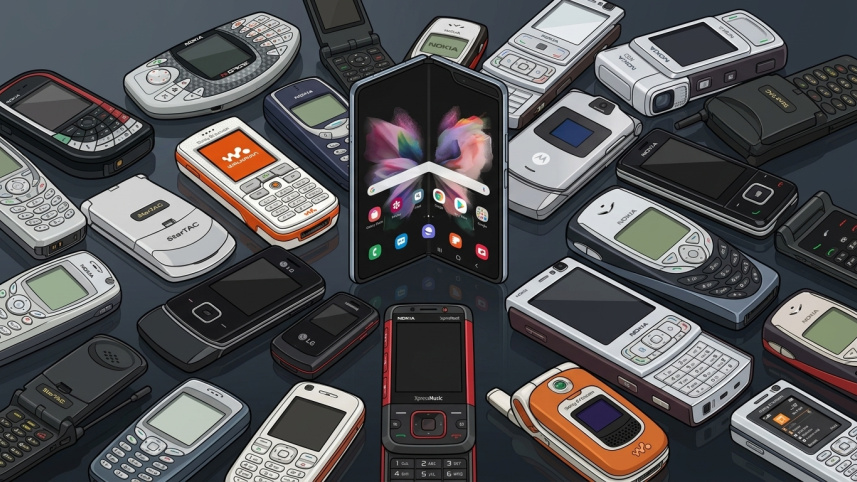
There was a time when your phone said something about you. Not your apps, not your wallpaper, but the actual physical object in your hand. Flip it open, slide it up, snap it shut. Back in the early 2000s, no two people in a room necessarily had the same phone, and even if they did, there was a decent chance the covers did not match.
Nokia figured this out first. In 1998, the 5110 introduced Xpress-On covers — snap-on shells you could swap in seconds, no tools required and no drama. Bored of blue? Clip on orange. By the mid-2000s, it was selling covers that lit up in sync with your ringtone, and limited leather editions that ran to a few thousand units worldwide. Back then, you did not buy a new phone when you got tired of the old one. You bought it a new outfit.

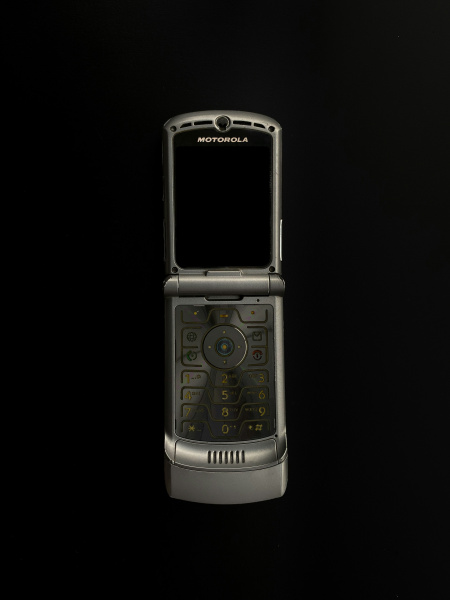
Then there was Motorola, which understood that a phone did not need a wardrobe if the shape itself was unforgettable. The Razr was released in 2004, and immediately sold over 130 million units on the strength of motion alone: flip it open to answer, snap it shut to hang up with maximum theatre. It was neither the fastest phone nor the smartest; it was the loudest way to end a phone call ever invented, looked cool doing it, and fit in your back pocket.
And then there was Sony Ericsson, who apparently could not decide what a phone should even look like, and made that indecision their whole identity! Sliders for the Walkman crowd who wanted music keys under their thumb. Chunky flips for the Cyber-shot obsessives who wanted a proper camera. The T610, all silver and black, for anyone who just wanted to look sophisticated: one brand, three completely different personalities on the same shelf, and that's before you even get to LG's Chocolate line, or Samsung quietly running its own flip-versus-bar experiments in the background.
At that time, everyone had a strong opinion about phone shape, and we were all for it. A phone used to tell you something about a person. Now, it mostly tells you how cheap, or otherwise, their phone covers are.
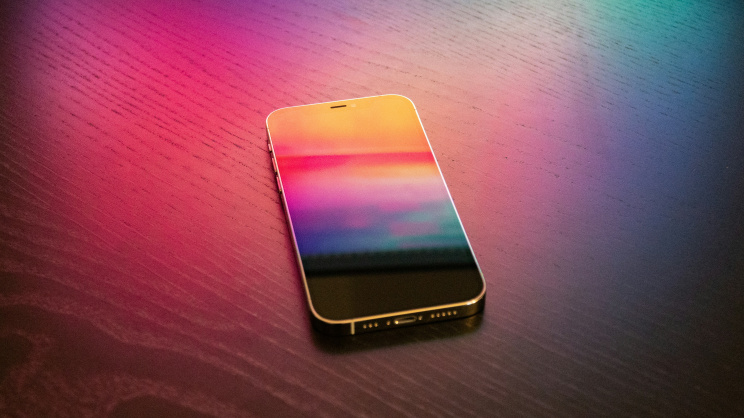
Then 2007, and the iPhone, happened, and every phone since has looked like the same wet bar of soap. Nineteen years of one shape, refined within an inch of its life, distinguished mostly by camera count.
Which is what makes the folding phone's comeback so welcoming. The snap is back. The silhouette is back. And Gen Z, a generation that never owned a single one of these phones the first time around, is buying into flip phones and folding phones harder than anyone, chasing an era they were too young to remember.
It's nostalgia for a memory they never made, sitting right alongside the vinyl revival, the wired headphones, and bhaia's old iPod suddenly being cool again. Call it borrowed nostalgia.
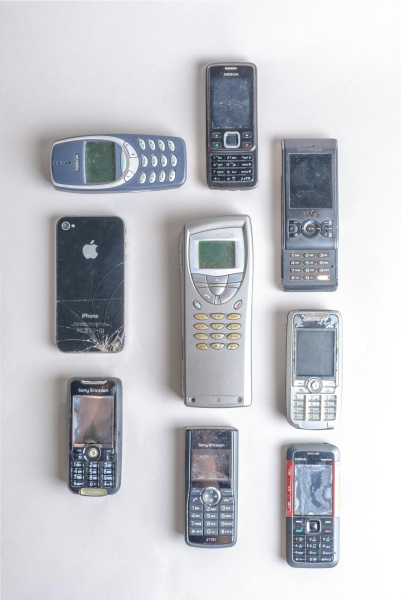
Of course, none of this comes cheap. A Nokia shell used to cost you less than Tk 300 at the market. A folding phone will cost you upwards of Tk 2,70,000, and remember, while Nokia's old bricks can survive a fall down a flight of stairs, the current crop breaks if you look at them wrong. Funny how the nostalgia came back before the toughness did.
Apple is reportedly bringing its own foldable to market this September, and there's a reason the industry is watching that launch more closely than any spec sheet deserves.
The original iPhone did not just release a good phone in 2007 — it flattened an entire industry into one shape overnight. There's a quiet hope that their new foldable might do the opposite this time; crack that shape back open and remind everyone that a phone is allowed to have a personality again.
It's a small thing to hope for from a piece of glass and metal, but it's not a silly one. We spent 19 years being told the phone was a solved problem. The fold is proof that was not quite true.
We have seen the future. Now, want our old phones back, with better cameras.
 For all latest news, follow The Daily Star's Google News channel.
Comments