


What to eat when you have dengue: Three stages of recovery

Dengue, a mosquito-borne infectious disease, is caused by the virus DENV. Symptoms typically begin 3 to 14 days after infection and may include high fever, headache, vomiting, muscle pain and joint ache, and a characteristic skin rash. At the onset of the symptoms, it is vital to boost the patient's immunity by giving him/her food that is loaded with essential nutrients and vitamins.
In Stage 1 nutritional treatment of the patient, liquid food is recommended, as it is comparatively more easily tolerated than solid food. Frequent intake of fluids, in small portions, can help to replace the fluids lost, and also bring down body temperature.

As patients start to recover from dengue, Stage 2 nutritional treatment may commence in the form of easily digestible foods, like gooey khichuri, curd and rice, porridge, boiled potatoes, boiled vegetables like papaya, pumpkin, green peas, etc.
One can use lemon juice or herbs to enhance the flavour.
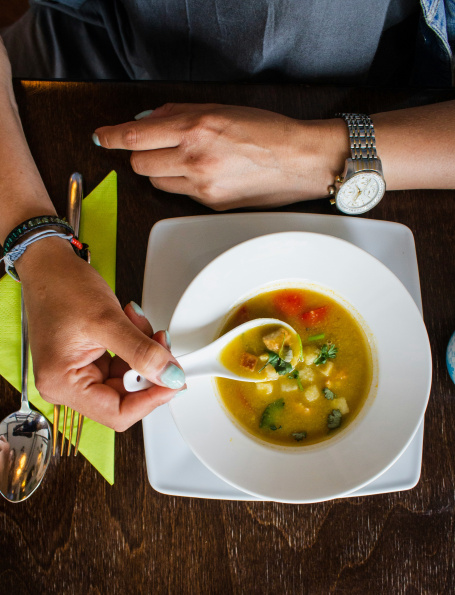
Along with the soft diet, drinking plenty of fluids like fresh juice, soups, and coconut water is necessary. This helps to maintain the water and electrolyte balance of the body. Fruits help too — ripe banana, ripe papaya, and watermelon.
And finally, Stage 3 involves returning to a normal, nutritious diet following recovery from dengue.
KEY POINTS TO REMEMBER
Keeping one hydrated by replenishing lost water
Dengue fever generally results in severe dehydration. Coconut water is immensely beneficial to fight this; it is a rehydrating drink and is loaded with electrolytes and vital nutrients. Lemon water is a very good source of vitamin C; it detoxifies the body. In many cases, ginger water is also suggested, since it helps to fight nausea that many dengue patients experience. Sometimes, oral rehydration solution (ORS) is suggested to hydrate the body. It supplies vital potassium to the body.
Boosting the platelet count
Broccoli is an excellent source of Vitamin K, which helps to regenerate blood platelets. If there's a sharp decline in the platelet count, then broccoli should be included in the daily diet. It is rich in antioxidants and minerals.
Spinach is a rich source of iron, vitamin K, potassium and phytonutrients that strengthen the immune system. It is also an effective way to increase the platelet count.
Pomegranate — the bright red wonder fruit is rich in essential nutrients and minerals that provide the body with required energy and reduce the feeling of exhaustion and fatigue. Being a rich source of iron, pomegranate stands out as quite beneficial for maintaining/increasing blood count.
Papaya leaf is not very popular in our diet, but it has healing properties. Rich in enzymes like papain and chymopapain, it aids in digestion, prevents bloating and other digestive disorders. Many researchers have found that papaya leaves play a crucial role in fighting dengue, especially by improving the platelet count. Replacing cow's milk with goat milk is also considered beneficial.
Other power foods
Turmeric is an antiseptic and metabolism booster. Consumption of turmeric with milk helps in faster recovery from dengue fever. Fenugreek, known as methi, helps induce sleep and acts like a mild tranquiliser that aids in easing pain. It is also known to stabilise high fever.
Black grape is a fruit rich in antioxidants and helpful for blood formation. Guava is effective in increasing platelet count.
Beetroot soup contains a very high amount of water, vitamins (B9, Vitamin C), and minerals (manganese, potassium, iron); these are very helpful in increasing the RBC count. Tomato soup is also rich in vitamin C and potassium.
Food to avoid
Oily, spicy and fried foods, along with processed foods, must be avoided at all costs. They can cause acid to accumulate in the stomach, lower the pH level, which may lead to ulcers and damage the walls of the intestine.
 For all latest news, follow The Daily Star's Google News channel.
 Caffeinated beverages — as they rapidly increase the heart rate, cause fatigue and muscle breakdown. They also dehydrate our body.
Comments