


Sudeshna S Chowdhury: Leading Dhaka’s interior design revolution

When architect Sudeshna S Chowdhury began designing interiors about a decade ago, Dhaka's design scene was just beginning to experiment with ambience. Back then, most owners were not thinking about lighting tones or layout flow.
"There wasn't much emphasis on how a space could affect how people feel," Sudeshna S Chowdhury recalls. "Briefs were basic. People usually did not think of interiors as a key part of the dining or living experience."

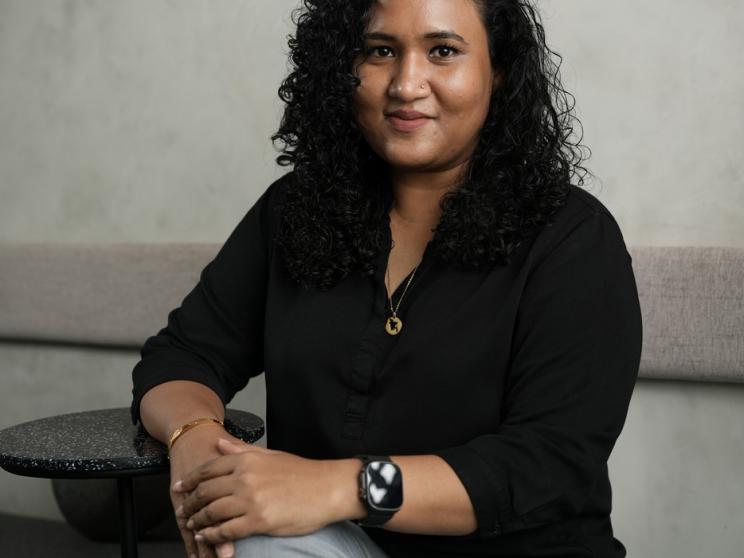
Ten years later, that has changed, and so has she. Today, as the founder of STUDIO.O, Sudeshna is among the few interior architects who have spent a decade shaping how Dhaka eats, works, and breathes inside its cafés and restaurants.
The journey of Sudeshna
Sudeshna's design journey began in 2013 with Dot Architects, but it was in 2020, amid a shifting design landscape, that she officially launched STUDIO.O.
"I realised that interiors were what I really wanted to pursue," she reflects. "With the studio, I wanted to create meaningful spaces that respond not just to function but to how people live, reflect, and feel."
For the last decade, her work, especially in food spaces, has quietly helped redefine how interior design is viewed in Bangladesh. "From the very beginning, our design philosophy has focused on journeys rather than decorative elements," she says.
Whether navigating the chaotic rhythms of Dhaka or responding to new global shifts around wellness, sustainability, and flexible living, the company has stayed consistent in its core belief: that a space must feel right, not just look right.
As Sudeshna puts it, "We've evolved in technique and detailing, but our foundation – rooted, responsive design – has remained the same."

From blueprints to meaning
Trained as an architect, Sudeshna started her professional journey soon after earning her license. "When I began taking on interior projects, I realised how much I enjoyed it," she says. "It came with challenges, but also rewards."
In 2013, she handled her first commercial projects, including food spaces that would unknowingly define her future direction. By 2020, her growing interest in how environments impact behaviour pushed her to establish her own practice.
"I wanted to create meaningful spaces," she explains. "We felt that the interior design scene in Bangladesh and globally needed a more holistic way of thinking."
That shift from function to feeling was gradual but intentional. Her breakthrough came with the SAJIDA Foundation head office project, where she experimented with empathy led design.
"Their brief focused on care and transparency," she recalls.
"We used warm materials, open layouts, and quiet green corners. Months later, they told me the space had changed their daily rhythm; they felt more connected and less stressed. That's when I knew interiors could be emotionally restorative."
Calm as a design choice
For someone working in Dhaka, designing "peace" can sound idealistic. The city is noisy, dense, and unpredictable, but to Sudeshna, that's precisely what fuels creativity. "Noise, heat, and congestion are all part of Dhaka's identity," she says. "We can't fight them, but we can design intelligently around them."
Her firm uses layered materials, natural ventilation, and acoustic zoning to achieve quietude.
"Peace in Dhaka is not about silence," she reflects. "It's about balance. A space can feel grounded even amidst chaos, if it breathes, filters, and flows naturally."
 For all latest news, follow The Daily Star's Google News channel.
 Restaurant design was one of her earliest fascinations, and the field that evolved the most under her watch. "Our first restaurant project was ten years ago," she says. "The owner gave us complete creative freedom. There was no fixed brief, which allowed us to explore materials and ideas freely."
That kind of freedom, she admits, has become rare. "Today, clients come with more exposure and specific expectations. They want authenticity. Between 2020 and 2023, everyone wanted 'Instagrammable elements' – photo worthy walls or statement installations."
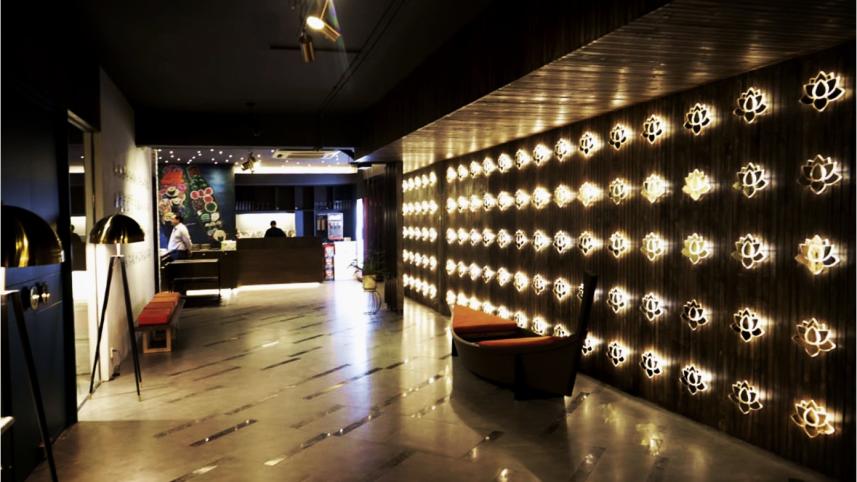
STUDIO.O designed a few such features, Laughing Buddha among them, but Sudeshna never lost sight of the bigger picture. "We've always prioritised the overall experience of a space rather than one striking element. Lighting, texture, and layout must tell a cohesive story. Even in our first restaurant, each room had its own character, designed to make people feel part of a journey."
A studio of balance and shared ownership
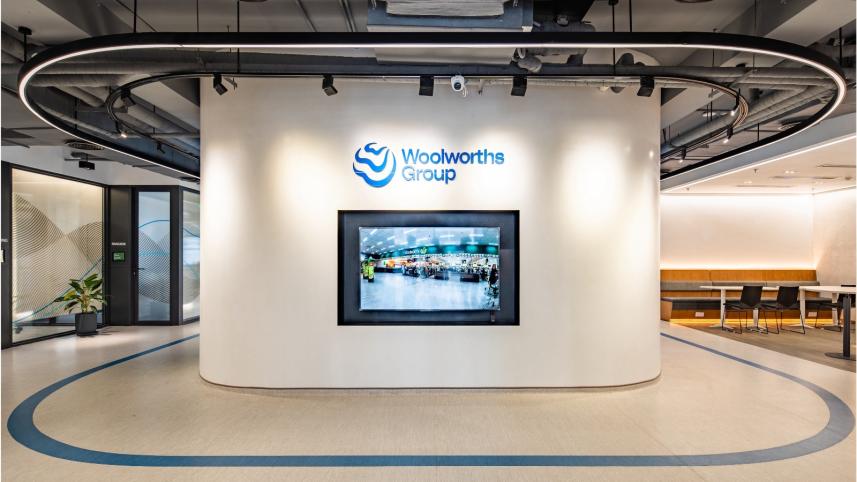
"We've always aimed to stay gender neutral," she says. "Women have long been present in this profession. What matters now is creating a workspace where everyone, regardless of gender, feels equally heard and responsible."
Collaboration sits at the heart of that approach. "We work in a way where leadership is shared," she explains. "Everyone owns their project, and together we own the company. That's how we grow – by learning from each other, not by competing."
The next chapter
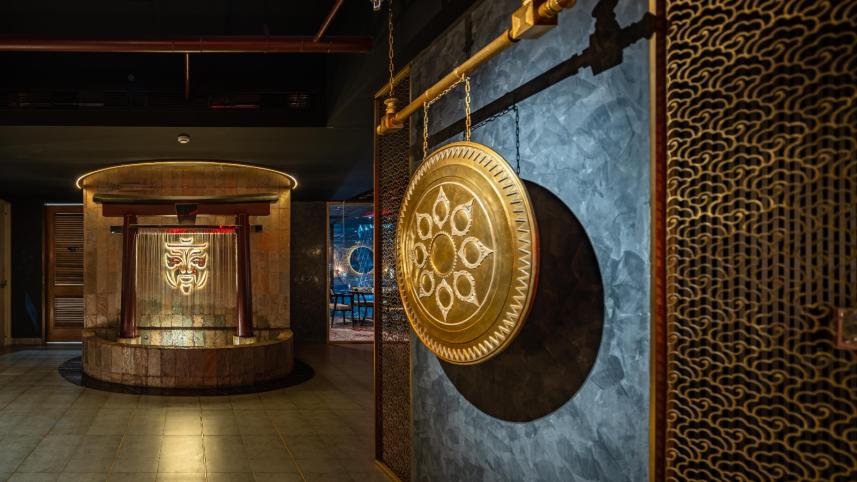
Beyond restaurants, boutique interiors and residences, Sudeshna has steadily expanded into large-scale commercial work through her work with Studio O as well as her role as a partner at Binyash & Associated Partners. One of her earlier significant projects was the BGMEA Bhaban in Diabari, where she led the interior design for the public areas and offices. That project, completed nearly four years ago, marked a turning point.
"I'd like to do more projects like that," she says. "Ones that merge Bangladeshi design sensibilities with international standards. Projects that prove our interiors can be globally relevant while staying rooted in context."
Photo: Courtesy
Comments