


Pineapple on pizza isn’t a crime—or is it?
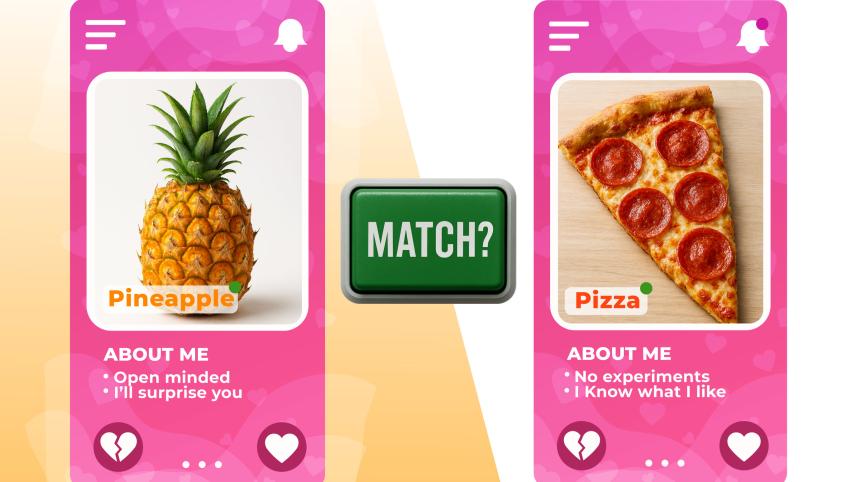
If you consider yourself a food enthusiast, then you surely are no stranger to the pineapple on pizza debate. While some refer to it as a culinary revolution, others describe it as a complete abomination driven by gluttony. So, today, let's delve into the controversy of melted cheese and tropical rebellion to understand why it divided humanity into two clans.
Hawaiian Pizza, the centre of discord, was first invented in Canada in 1962, topped with pineapple, tomato, mozzarella cheese, and a choice of meat. Since then, a group devoured it like a celestial delicacy, whereas others loathed its mere aroma.

"I just don't get what all the fuss is about. Why do people keep going on about mixing salty and sweet?" Anik, a 21-year-old, stuffed the last bit of Hawaiian pizza into his mouth and said, "I mean, haven't you ever tried doi-fuchka or salted caramel popcorn?" he grimaced.
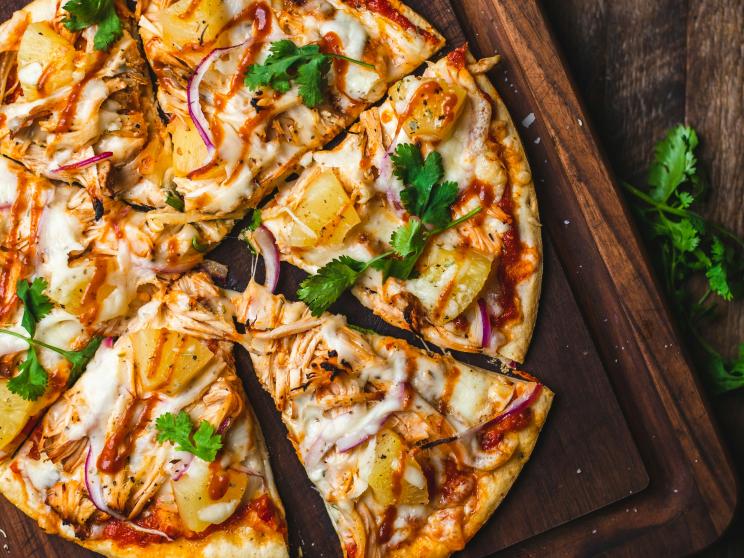
Perhaps a sweet fruit over pizza is the source of all the hate. Or it could be that some people can't train their taste buds enough to tolerate the sticky bits bathing in cheese and tomato. The cheese melts on the soft crust in a while. But the pineapple remains smug all through, oozing sugary syrup all over the pizza. Critics insist this is not just a topping, but an act of sabotage. Thus, they shoo the pineapple away.
However, those who scream "authenticity" are just fanciful, or what the Gen-Z would say "delulu," because pizza has already gone through numerous evolutions in the course of time. Stuffed-crust, deep dish, gluten-free, or cauliflower crust are not the ideas the people of Naples came up with. It seems a bit unfair how these are called culinary jazz, leaving the poor cheerful pineapple bits to all the hate.
When asked about it, Nancy, a psychotherapist, took a deep breath and answered, "You know, I'm very, very empathetic, I don't care what atrocity you do with your food. You can go eat that custard; I won't judge you."
Meanwhile, the pro-pineapple rebels chime in by saying that pineapple on pizza represents how life should be — improvised, bold, and slightly irksome to the purists. They wholeheartedly believe that ordering a Hawaiian pizza, while ignoring all the eye rolls and comments on being a lunatic, needs guts. On top of that, when the baked pieces of sunshine touch your senses, the pizza slice does not remain just a treat; it becomes an experience.
Ayan, a software engineer, with a questionable number of pizza boxes scattered around his room, shrugged and said, "Pineapple on pizza is not a mistake. It's science. The acidity cuts through the grease, the sweetness crashes into the salt, and suddenly, the pizza isn't just food — it's this awesome balance of taste."
The war of words keeps on going, but some deal with it like mature adults.
Shahna, a self-proclaimed connoisseur has had enough of it and said, "What truly fascinates me is the intensity. They speak about pineapple on pizza the way others speak about ethics or politics; with narrow eyes and raised voices," she shook her head in dismay, "Someone says, 'I'm just saying,' right before saying something extremely unnecessary. Meanwhile, the pizza gets cold; the real tragedy no one cares about," she added.
Between all these, the truth is indeed boring; taste is subjective. Some enjoy experimenting with flavours, while the rest are inclined towards the traditional palate. Neither side is superior, and neither of them has ultra-developed gustatory cells. It "depends;" sometimes on the mood, sometimes on the company.
In the end, let's all have our food in peace — because life is already chaotic enough without putting a moral crisis on a slice of pizza. Just be sure not to order a Hawaiian pizza for anyone on a special day without knowing their preference, and you should be good to go.
 For all latest news, follow The Daily Star's Google News channel.
Comments