


‘Maayer Daak’ documentary on disappeared families launched at Film Archive
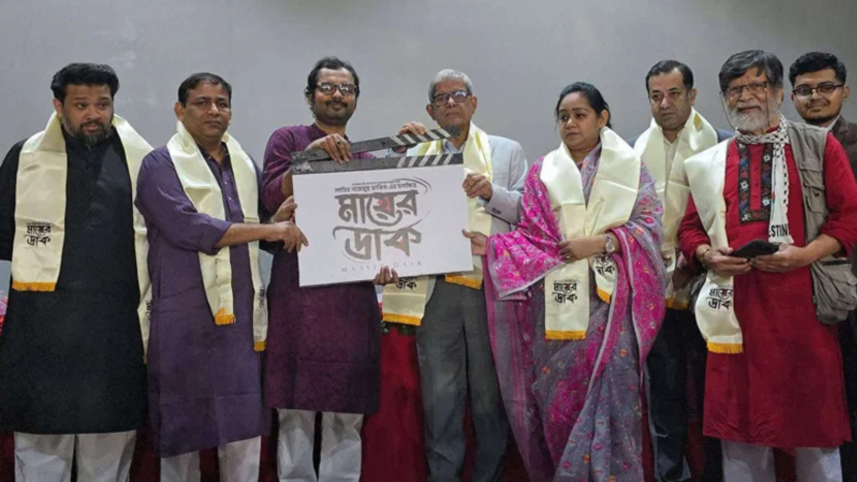
A documentary titled “Maayer Daak” is being made on the crisis and struggles of women from families of individuals who have been disappeared over the past one and a half decades.
The film has received a government grant for the 2024–25 fiscal year. The official journey of the documentary began yesterday (March 8) at the Bangladesh Film Archive with an inauguration event held on International Women’s Day.

At the inauguration ceremony of “Maayer Daak,” the event was presided over by Sanjida Islam Tulee, the convener of the organisation “Maayer Daak”, which was formed by families of victims of enforced disappearance. In her speech, she said that in the absence of the disappeared individuals, their families, particularly mothers, wives, and children, often face severe psychological and economic hardship. These issues will receive special focus in the documentary.
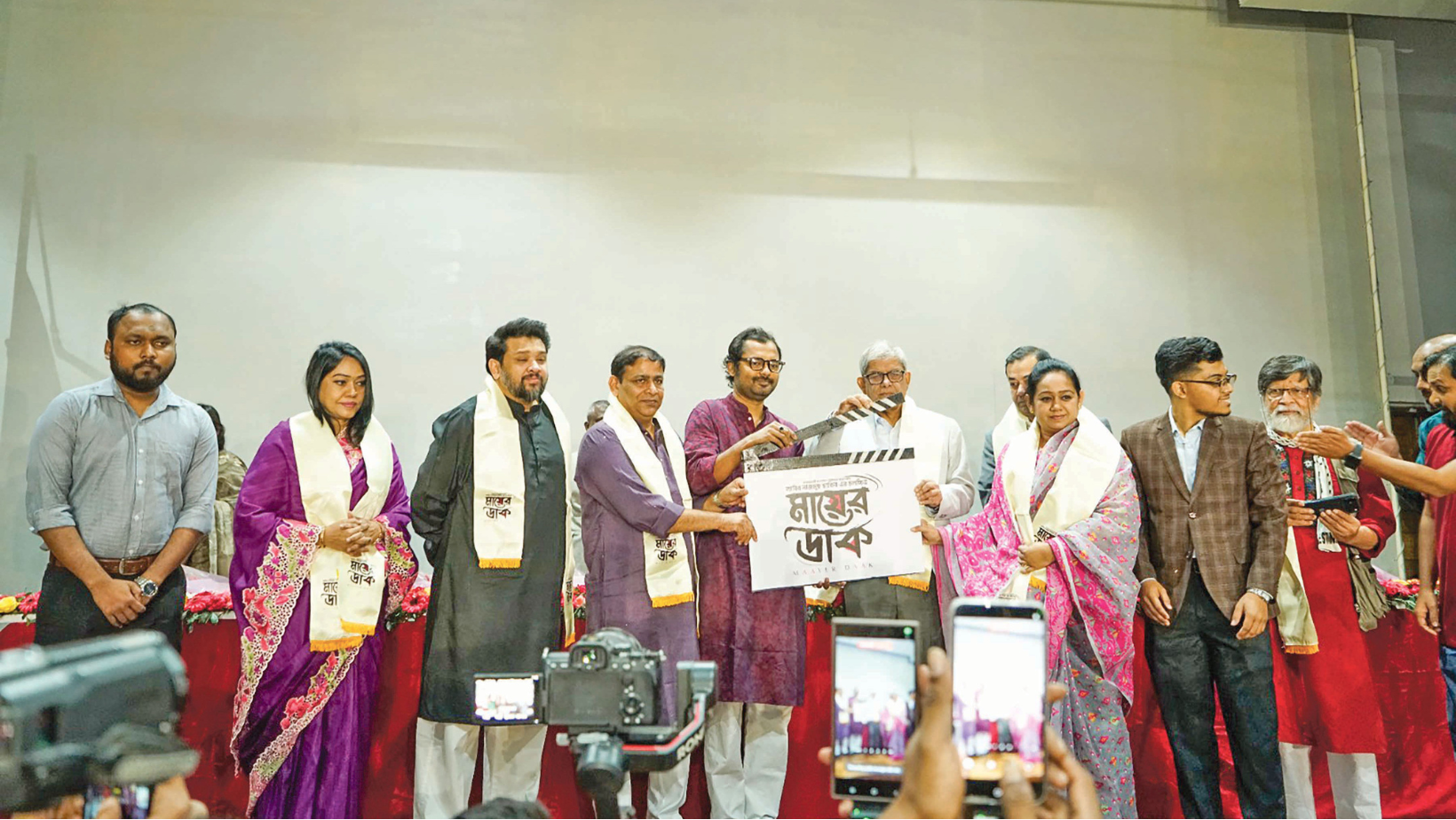
She added that the film will also portray how the women of these families have raised their children amid adversity, faced intense social pressure, and continued their struggle in search of the truth.
Tulee further stated that one of the key objectives of the film is to highlight the need to uncover the truth, ensure justice, and establish state accountability for the families of victims of enforced disappearance.
The documentary “Maayer Daak” is being directed by Labib Nazmush Shakib. Speaking about the project, the filmmaker said, “The struggles, hardships, and lived experiences of the women from families of the disappeared are the central themes of this film. These aspects will be presented visually through reflexive and participatory modes.”
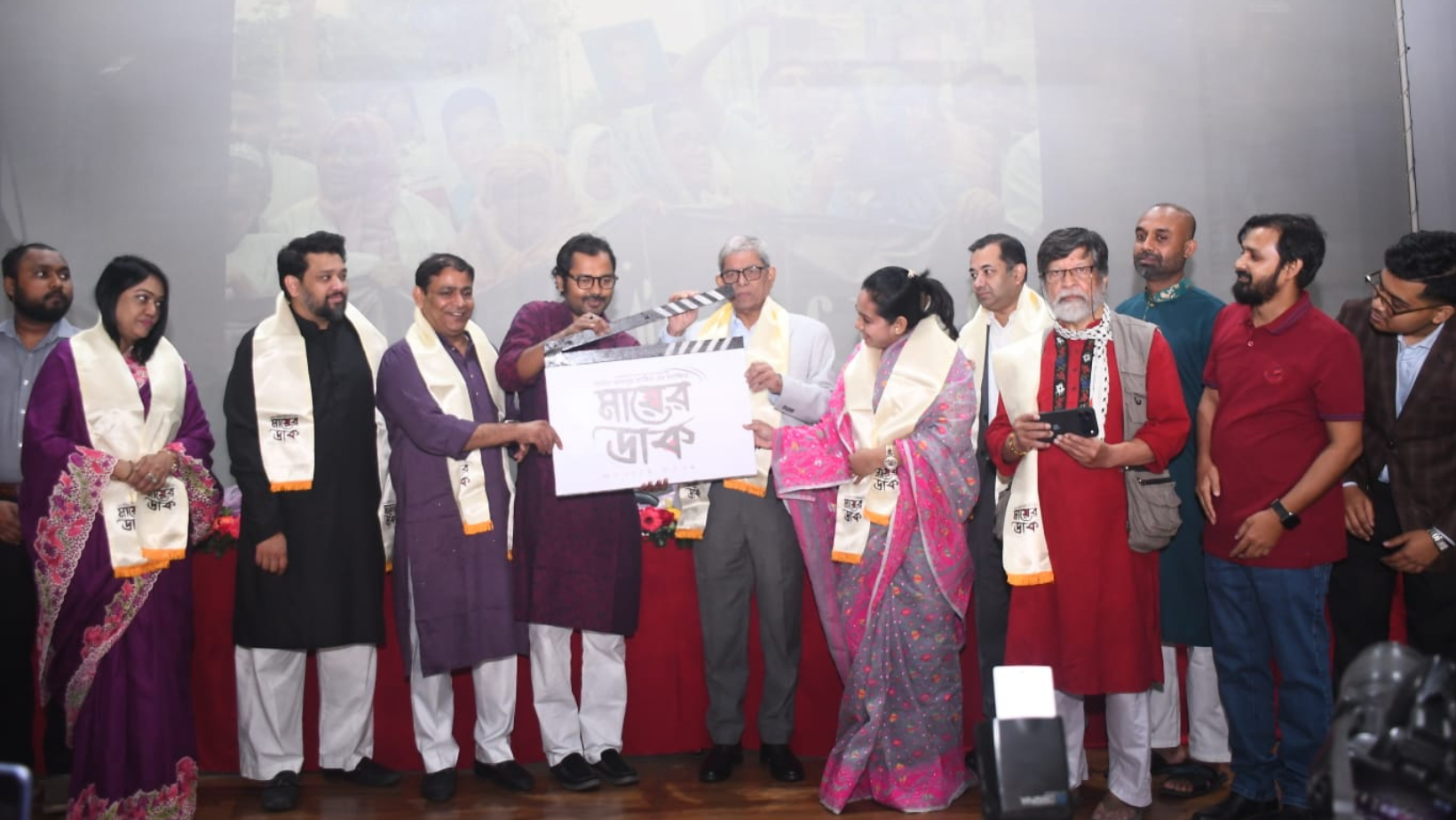
The chief guest at the event was Mirza Fakhrul Islam Alamgir, Minister of Local Government, Rural Development and Cooperatives. In his speech, he said, “I am aware of the stories of many families whose loved ones have fallen victim to enforced disappearance. I have seen the anguish and struggle of family members who long to have their missing relatives returned. It is a very positive step that an initiative has been taken to make a film about these incidents. I hope the truth will be properly reflected in it and that the accurate history will be presented. It should be of such a standard that we can present it before the entire world.”
Special guest Yeaser Khan Choudhury, State Minister for Information, said, “I myself was once disappeared. It is a positive step that the Ministry of Information has provided a grant for a film on enforced disappearances.”

Among others present at the event were photographer and human rights activist Shahidul Alam, Member of Parliament Humam Quader Chowdhury, Anisur Rahman Khokon, and Information and Broadcasting Secretary Mahbuba Farzana.
 For all latest news, follow The Daily Star's Google News channel.
Comments