


To save a flower: Bangladesh’s birth from lyrics and bullets

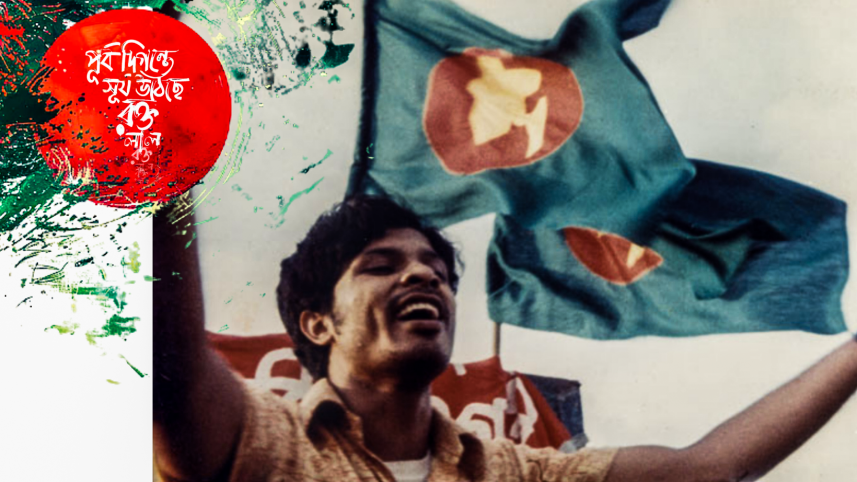
In April 1971, on a char in Chapainawabganj, Rajshahi, a 15-year-old boy sat beside a radio, adjusting the dial until the voices held long enough to understand. News travelled unevenly to villages like Babupur, but that radio carried fragments of a turning history: Sheikh Mujibur Rahman’s 7 March address, reports of escalating violence, the early calls to resist. Between those announcements came something else, songs from Swadhin Bangla Betar Kendra.
From the static emerged a line: “Mora ekti phool ke bachabo bole juddho kori…”—we fight to save a flower. Within days, that boy, my late father, would cross the Padma to join the freedom fighters near the Indian border. Hundred others did the same.
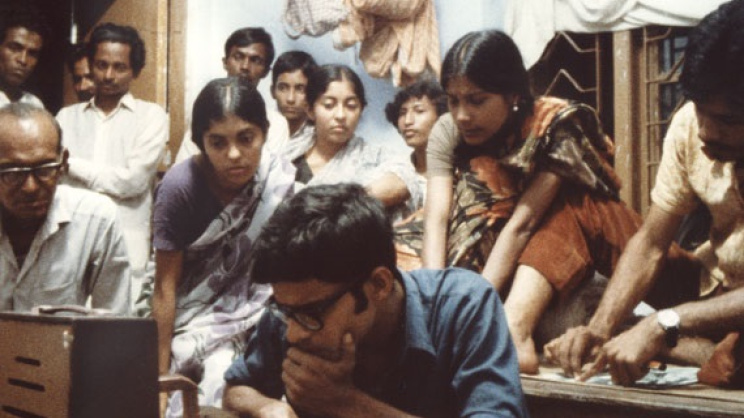
Those broadcasts did more than inform. They shaped how the war was felt. Bulletins told listeners what was happening; songs suggested why it mattered, sometimes signalling the freedom fighters on safer roads, and information that would be crucial to win the Liberation War. In a time when villages were cut off and fear travelled quickly, music created a shared emotional ground.
Most of the songs from 1971 imagined the country through intimate, emotional images. Bangladesh—the yet-to-be-won and not-yet-actualised nation—appeared as a flower, a mother, a stretch of soil held close to the body. These are more than mere metaphors; they are organic, never forced, offering a window into how we Bangalees perceive and feel our country. This lyricism reshaped how people understood the stakes of the war. When a country is a flower and a mother, who would not give their life and shed blood to protect it? It is instinctive.

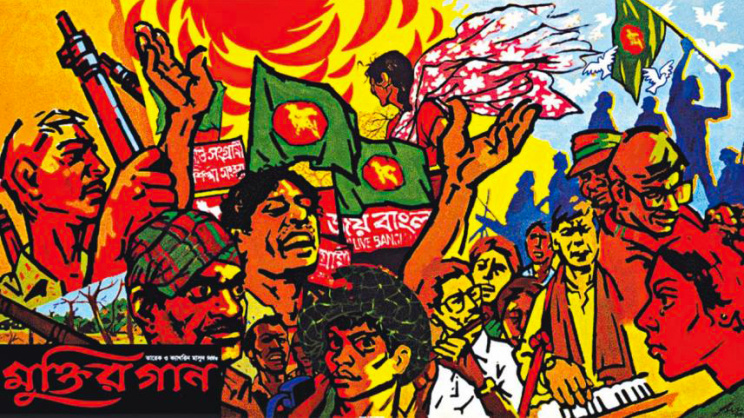
“Purbo digonte surjo utheche, rokto laal…” The landscape itself entered the music—the rivers, the red earth, the fields that defined life in rural Bengal. In wartime, those familiar elements took on new meaning. The songs suggested that what was being defended was not just land but a way of belonging to it.
As the war intensified, these broadcasts became a steady presence for those inside the country and for those who had crossed borders. Fighters listened between operations. Families listened while waiting for news that often did not arrive. The songs carried grief, but also a quiet confidence that the struggle had purpose.
They also shaped how the nation was imagined. In “Jonmo Amar Dhonno Holo Maago”, the country is addressed directly as Maa. The language is simple, but the effect is profound. The nation no longer remained a distant or abstract idea; it became each fighter’s home, their family, and the war became deeply personal.
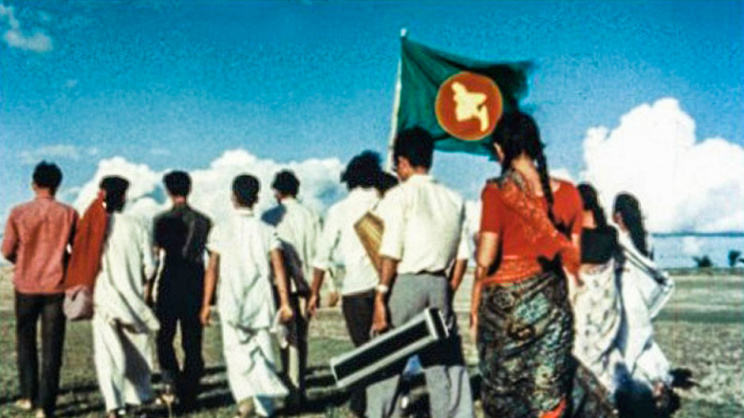
In “O Amar Desher Mati, Tomar Pore Thekai Matha…” the land is described as something held within one’s own life, on someone’s forehead like deities. These lyrics framed belonging in emotional terms that many listeners immediately recognised. The songs gave fighters, survivors, and civilians caught in the war what they needed most: a sustaining sense of morale and resilience.
Remembrance, too, found its place in music. “Salam Salam Hajar Salam” became a way of honouring those who had already fallen. The repetition carried a sense of collective memory—an acknowledgement that the war was producing losses that could not always be counted or named.
The songs of 1971 did not appear in isolation. Earlier cultural struggles echoed through them. “Ekusher Gaan”, rooted in the Language Movement, circulated widely during the war years and reminded listeners that resistance had a longer history. Other songs served as calls to unity. “Joy Bangla, Banglar Joy” condensed the mood of the moment into lines that could be easily repeated and shared.
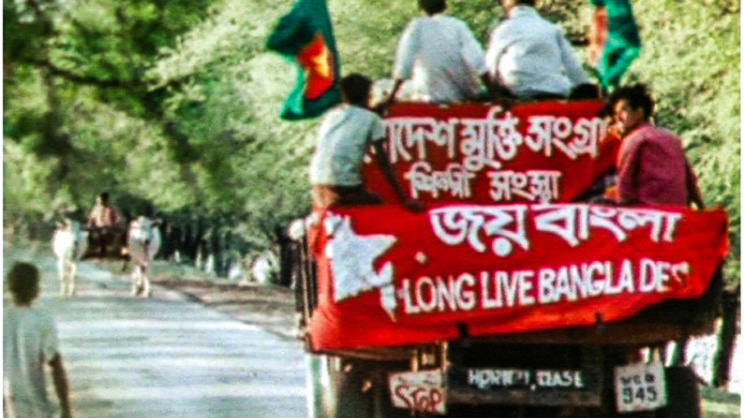
Even compositions written long before the war took on new meaning. “Jodi tor daak shune keu na aase tobe ekla cholo re” was heard differently in that moment. Its message of persistence felt less philosophical and more immediate for those living through uncertainty.
To hear “Mora ekti phool ke bachabo bole juddho kori…” today is not simply to revisit a moment in the past. It is to remember how the country was once imagined—through voice, metaphor and shared emotion—before it was secured by victory.
Together, these songs created something more than morale. They offered a way of understanding the country while it was still being fought for. Rather than presenting Bangladesh as a distant ideal, the music placed it close—within nature, daily life, within memory, within language.
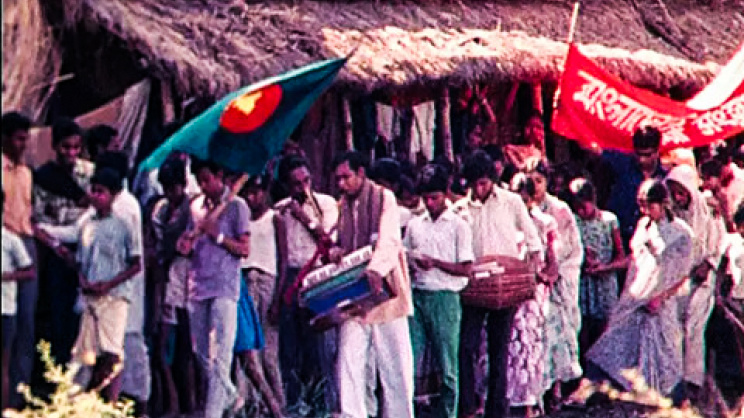
This is part of why the songs endure. They helped people hold onto a sense of continuity during a time of upheaval. The war disrupted everything—the mass killings, the displacement, the breakdown of communication, the rupture of ordinary life—but the songs remained a thread connecting listeners across distance and circumstance. Through these songs, Banglaee people didn’t just live in fear; they endured it and conquered it within themselves. The songs reminded them of their nation’s value, placing the country on a pedestal higher than their own lives and moral strength.
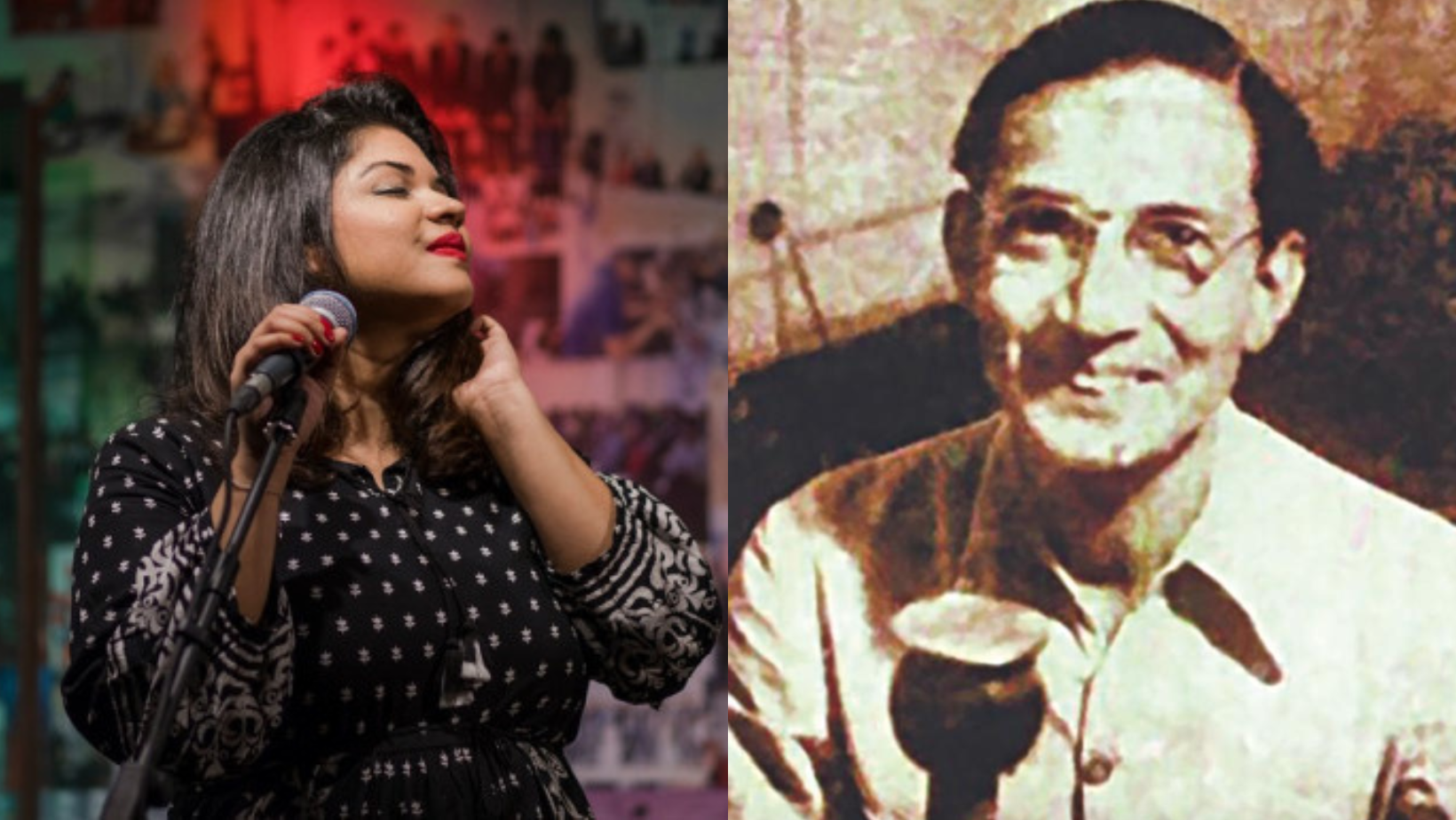
Decades later, when the same songs, including the national anthem “Amar Shonar Bangla, Ami Tomay Bhalobashi”, were sung or played at public events and Independence Day gatherings, I saw my father and his fellow freedom fighters standing upright under the freely flowing flag. Their eyes were teary, but this time with pride and reassurance—they had freed our country, establishing it as an independent, sovereign nation. The valour shone through, and I knew that if ever another war threatened our existence, thousands like me would follow the same path to protect our country—a flower, a mother, a river, the setting sun, and a serene picture named Bangladesh.
 For all latest news, follow The Daily Star's Google News channel.
Comments