


Closing the Gap: Strengthening Women’s Voice In National and Local Elections
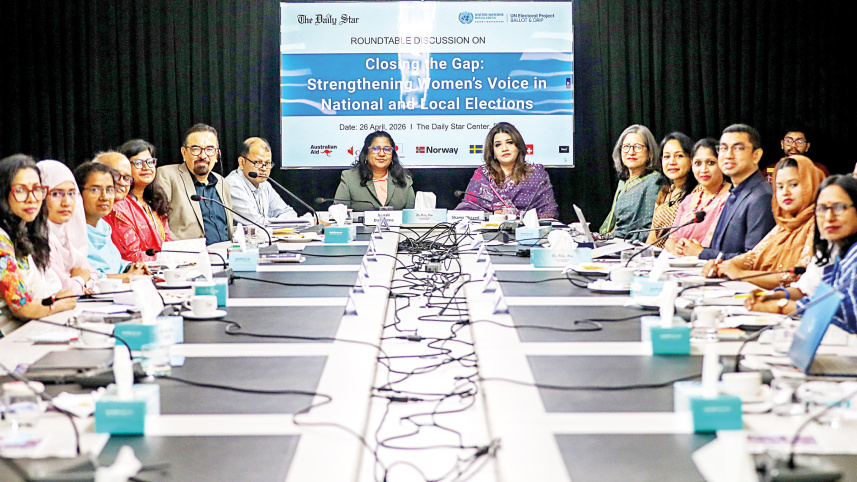
BALLOT Project, United Nations Development Programme (UNDP) and The Daily Star jointly held a roundtable on April 26, 2026. The discussion brought together policymakers and stakeholders to examine pathways for strengthening women’s political representation and inclusive governance. Reflecting on lessons from the 13th national election, participants explored the structural, financial, socio-political, and institutional barriers affecting women’s political participation and leadership, while identifying practical reforms and opportunities to expand women’s representation and influence in the upcoming local government elections and beyond. Here is a summary of that discussion.
Sharmin Islam
Gender Team Leader
UNDP Bangladesh

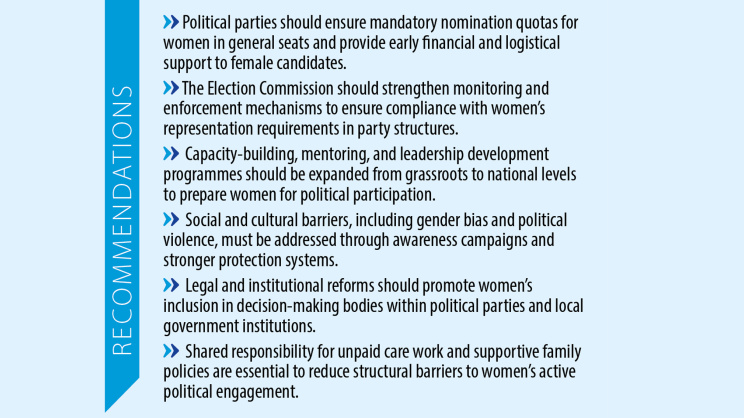
The 13th parliamentary elections marked a significant moment, with 127 million voters, including 62 million women and 3.1 million newly registered female voters. Overall turnout reached nearly 60%, while 53% turnout was recorded in 5,592 women-only polling stations. However, women’s representation in leadership remains limited. Only 87 women contested among 2,024 candidates, less than 4%, and just seven were directly elected. With 50 reserved seats included, women now hold about 16% of parliamentary seats, while only 6% of cabinet members are women. Historically, reserved seats increased from 15 in 1973 to 50 today, yet recent elections show declining overall representation. At local levels, women’s participation in top positions remains low, often below 5%, and just over 1% in Union Parishads. Several barriers persist, including discriminatory social norms; according to UNDP Gender Social Norms Index 2023, 69% of women and men in Bangladesh believe that men make better political leaders than women. In addition, political and digital violence and limited access to financial resources restrict participation. Although quotas exist, their effectiveness and implementation need strengthening. Therefore, greater collaboration among stakeholders and stronger commitment are essential to increase women’s participation, especially in general seats, ahead of the upcoming local elections.
Andrés Del Castillo Sánchez
Chief Technical Advisor
UNDP Bangladesh
Women’s participation in the recent national election remained notably low, raising concern at both national and international levels. This underscores the need for timely and coordinated action, particularly in view of upcoming local elections, which offer a critical entry point for strengthening representation at higher levels. Efforts to enhance inclusion have yielded some progress—most notably, the registration of nearly three million additional women voters, bringing the ratio close to parity (49–51), compared to the national population distribution of 52% women and 48% men. However, despite targeted initiatives such as awareness campaigns and gender-focused manifestos, overall gains in participation have been limited. Addressing both institutional constraints and socio-cultural barriers through sustained and collective efforts will be key to advancing women’s political leadership, especially at the grassroots level.
Dr. Selim Jahan
Professorial Fellow
BRAC Institute of Governance and Development
Women’s political participation faces deep social barriers along with institutional or financial challenges. In elections, their participation takes place at three levels: as candidates, political activists, and voters. Patriarchal attitudes sometimes discourage women from taking visible political roles. Politics is often treated as a male domain, while women are expected to remain within limited social and family spaces. Greater attention must be given to changing these social attitudes. Families, political parties, and educational institutions should encourage women to participate in political discussions, campaigns, and leadership roles without stigma or restriction. Another important aspect that deserves attention is voting autonomy. In many cases, especially in rural areas, women cannot freely choose candidates according to their own judgment. Stronger awareness campaigns and civic education are needed to ensure women can exercise their voting rights independently and confidently.
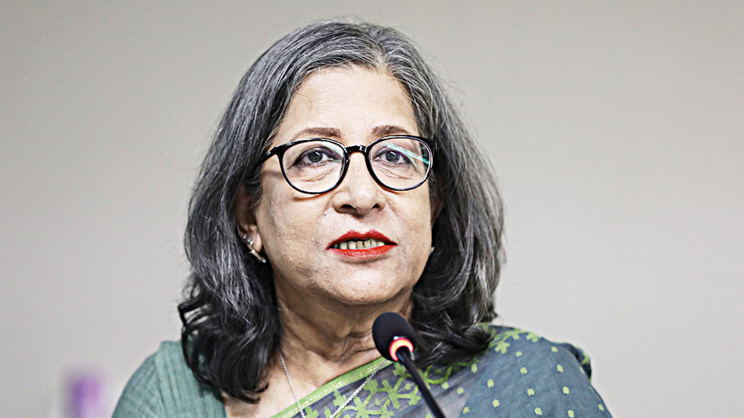
Farah Kabir
Country Director
ActionAid Bangladesh
Earlier decades showed strong voter engagement and notable participation of women in local elections, including a significant number of women contesting and winning in the 1997 local government election. However, recent trends indicate a reversal, with fewer women visible as candidates or elected leaders, raising concern about shrinking space for inclusion. A key issue in this context is that political parties often prioritise financial strength and local influence over performance, which limits opportunities for many capable women. In response, there is a need to rebuild support systems for women who have already participated, including creating mentorship networks to help them stay engaged and prepared. Political parties must take responsibility for identifying and promoting women leaders based on performance, not patronage, to ensure sustainable and meaningful participation in the future.
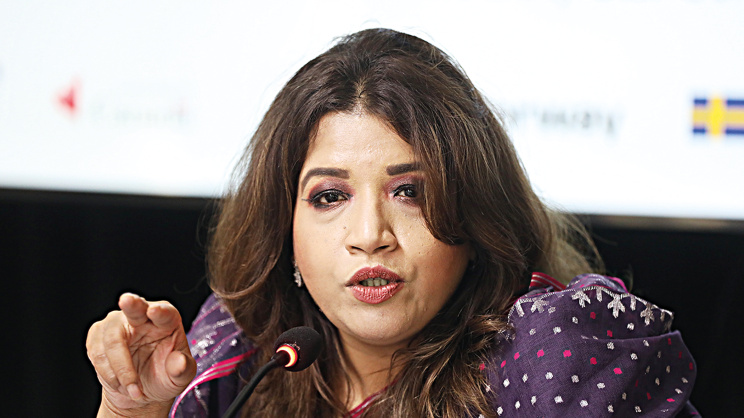
Shama Obaid
State Minister of Foreign Affairs
Government of the People’s Republic of Bangladesh
Women’s empowerment in politics requires action from the grassroots level, especially local government, where leadership pipelines are formed. Without stronger participation of women in unions, municipalities, and upazila-level committees, national representation will not improve. Political parties must change their mindset and move beyond symbolic inclusion. Real progress depends on intentional decisions to nominate women in competitive seats, not just reserved ones. Female candidates need early and consistent support, ideally one to two years before elections, including financial backing, training, and organisational help to build voter trust. Local government should be treated as the starting point for leadership development, where a target of 20- 30% women’s representation can be a key to making significant change in this landscape, and building formidable candidates for future national elections. With continued institutional support and collective effort, inclusive participation can gradually be strengthened.
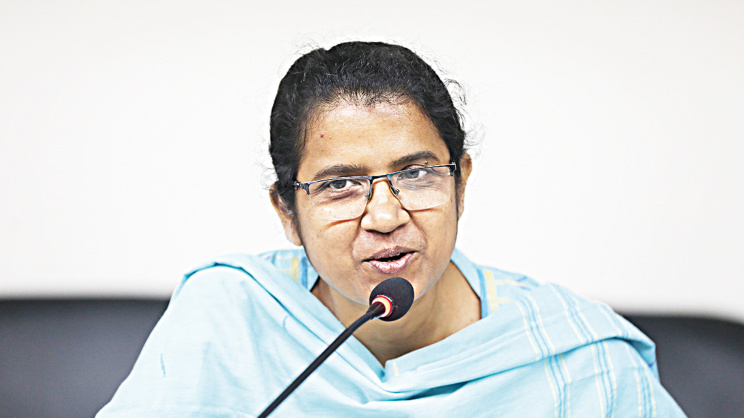
Taslima Akhter
 For all latest news, follow The Daily Star's Google News channel.
 Candidate, Dhaka 12
Ganosamhati Andolan
Bangladesh’s major political turning points, including the 1971 Liberation War, the 1990 democratic uprising, and the 2024 mass movement, have consistently raised public expectations and political awareness for stronger women’s participation in politics. Despite visible participation in these movements, women continue to face identity barriers shaped by a patriarchal mindset that values them mainly as daughters, wives, or relatives rather than as political actors. The focus must shift toward recognising women’s work-based identity in politics, not family background. Political parties should ensure fair nominations and open space for women in decision-making bodies. Strengthening women’s political networks, building unity, and developing strong platforms are essential to challenge exclusion. True inclusion will only happen when women are not just present in discussions but are supported to compete, lead, and influence political direction at every level.
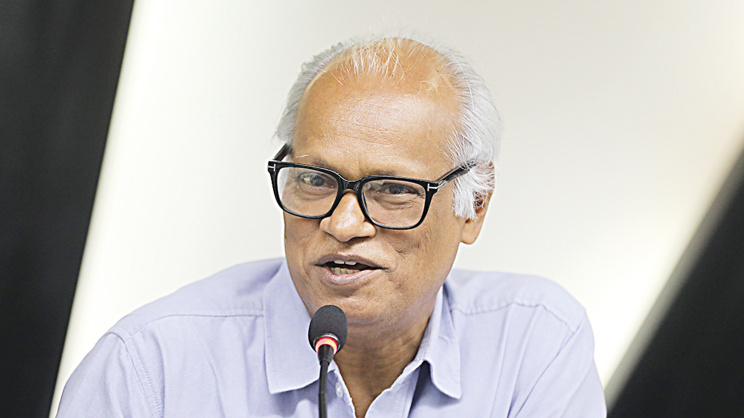
Razequzzaman Ratan
Assistant General Secretary
BASAD
Bangladesh has a clear gap between women’s voting strength and political representation. Although women form about 51 percent of voters, their presence in Parliament remains very low, showing that the number alone has not translated into real power. This gap is shaped by several structural issues. Financial influence, political violence, and social bias often weaken free and fair participation. Even when women actively take part in major political moments, like in the 2024 mass movement, their visibility decreases afterwards due to fear, attacks on their dignity, and a lack of protection. To address this, stronger reforms are needed. Political financing rules must be made fairer so money does not decide candidacy. Security and legal protection against harassment should be strictly enforced. Parties must be pressured to give fair nominations, not symbolic roles, to increase meaningful representation.
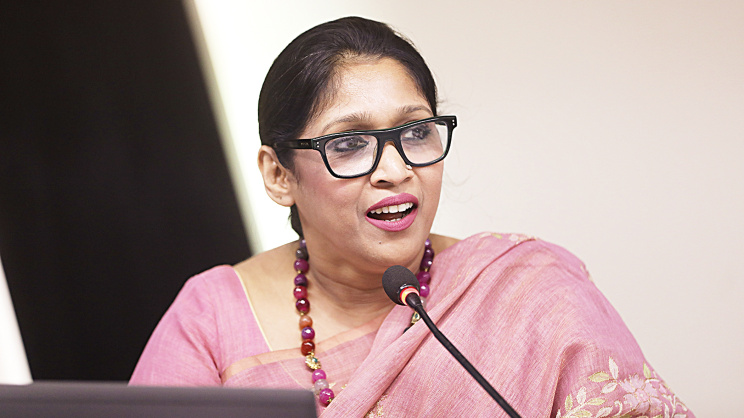
Dr. Tania Haque
Professor
Department of Women and Gender Studies, Dhaka University
Over the past two decades, female participation in politics appears to have declined, largely due to persistent negative social perceptions. Women leaders are frequently subjected to character assassination and doubts about capability, even within families. The political arena itself is shaped by a masculine culture where power, including money and physical dominance, outweighs merit. Also, unpaid care work creates a major structural barrier, as women balance household responsibilities with public life, whereas men are not similarly constrained. Online and offline language violence further discourages engagement.
Change must begin through a comprehensive family policy that promotes leadership from childhood. Education systems should also encourage debate, exchange programmes, and civic engagement. At the same time, reducing unpaid care burdens and addressing language-based discrimination can strengthen women’s equal participation in politics and society.
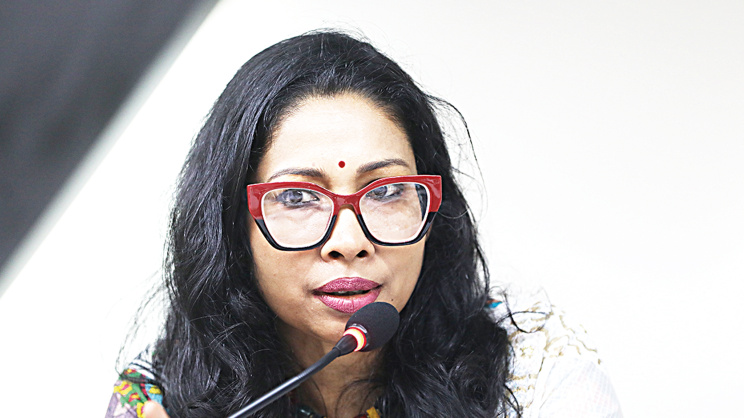
Lipika Biswas
Senior Director for Women and Youth Empowerment
Democracy International Inc.
Attention to the legal framework is essential for increasing women’s political participation, alongside social and family-level changes. While voter pressure and political will are important, legal reforms can create a stronger and faster impact. Evidence shows that reserved seats and legal provisions have already increased women’s representation in parliament and local government; however, gaps remain in decision-making roles and general seat nominations. Currently, there is no binding requirement under the Representation of the People Order for a fixed percentage of female nominations, which limits progress. Introducing mandatory nomination quotas, stronger monitoring mechanisms, and penalties for non-compliance is necessary. Also, reforms in local government structures and party decision-making bodies are crucial to ensure meaningful inclusion. Without such systemic changes, women’s participation risks remaining symbolic rather than transformative, despite existing commitments and frameworks for gender equality.
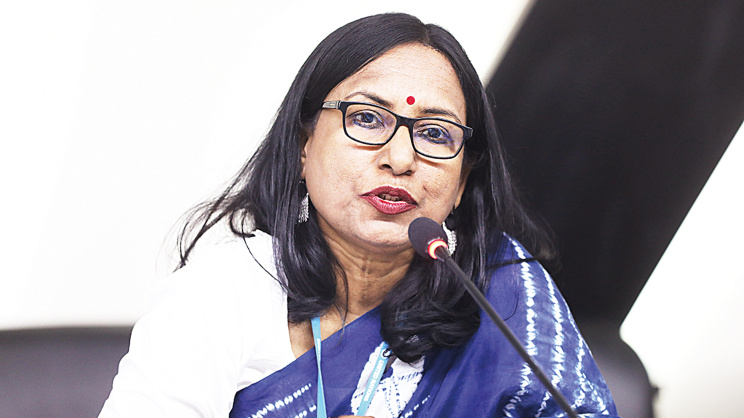
Tapati Saha
Programme Manager
UNWomen
Political parties often focus on women’s nominations only before elections, but meaningful representation demands year-round effort. From grassroots to national leadership, parties must build women’s political capacity, encourage young leaders, and embed gender equality into policy structures. Cultural change is equally necessary. Women continue to be portrayed through outdated domestic roles, while the contributions of garment workers, labour leaders, and grassroots organisers remain largely invisible. Stronger representation will not emerge without recognising these realities. Real progress requires moving beyond token participation and creating equal opportunities for women at every level of political decision-making. Election authorities, political parties, development agencies, and civil society must collaborate on a long-term national roadmap. At the same time, unpaid care work must be shared more equally; women continue to carry a double burden that limits their full political participation.
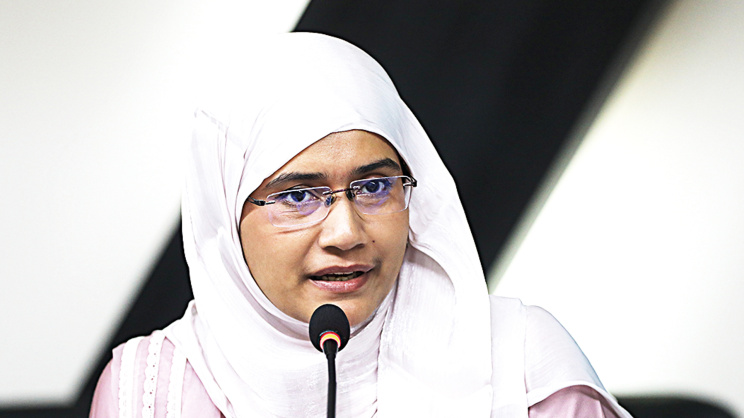
Samantha Sharmin
Senior Joint Convener
National Citizen Party
Following the uprising, conversations around women’s political participation intensified, yet meaningful structural change remained limited. The absence of women on the opposition benches, apart from those in reserved seats, even after decades of democracy highlights the continued exclusion of women from Bangladesh’s political system. Political parties continue to treat women’s inclusion as tokenism, ignoring the 33% representation target in leadership structures. Formal decision-making spaces may include women on paper, but real decisions are frequently made in informal, male-dominated settings. Verbal abuse, gender-based defamation, and gendered harassment inside party structures are also rarely treated seriously. Accountability must begin with party leadership and top decision-makers. Without institutional pressure and cultural reform, women’s political participation will continue to face structural barriers despite public discussion and promises of inclusion.
Mahfuz Mishu
Foreign Affairs Editor
Jamuna TV
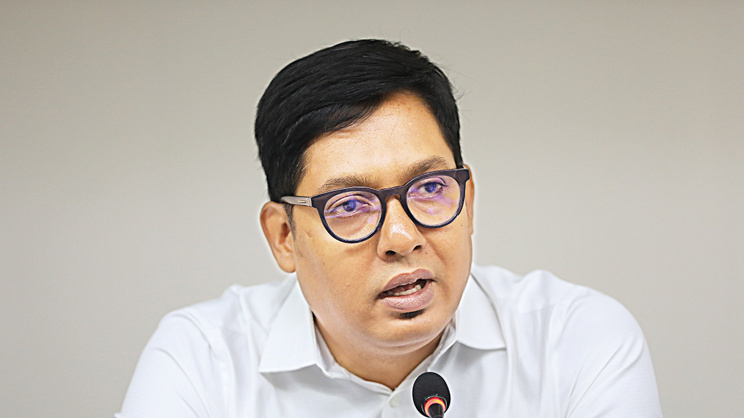
Local government elections in Bangladesh continue to reflect deep-rooted gender bias, where political power in rural areas is still closely associated with men. Even without party symbols, female candidates often face scrutiny over issues like muscle power, financial influence, and their ability to campaign freely at night, factors that shape party decisions from larger cities to remote char regions. The disappearance of many women who emerged during the 2024 mass uprising also highlights the urgent need for long-term mentorship, protection, and visibility for female political workers. Parties, religious leaders, media figures, and local influencers should jointly confront the social psychology that normalises resistance to women’s leadership across party lines. Without sustained political ownership from party leadership, women’s progress in politics risks remaining limited, repetitive, and fragile.
Mahfuz Anam
Editor and Publisher
The Daily Star
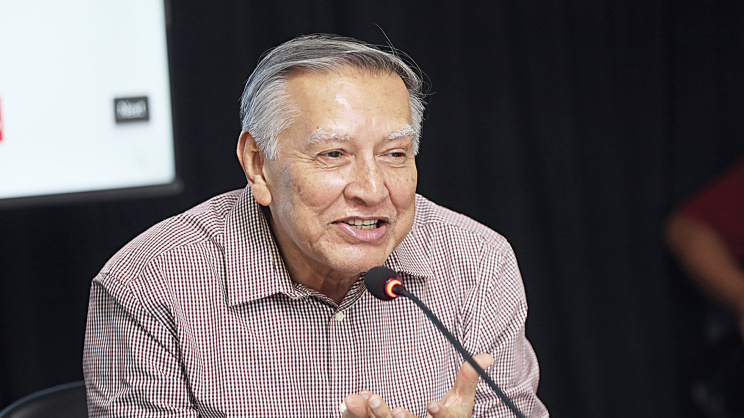
Women’s empowerment is essential for building a strong democratic society, as equal rights cannot be separated from democratic values. A democratic society depends on meaningful inclusion, and the media must treat this struggle with greater urgency by amplifying women’s voices, movements, and demands. Bangladesh witnessed three decades of female leadership at the highest political level, yet that alone did not guarantee broader empowerment for women across society. Representation without a shift in mindset and institutional support proved insufficient. So, combining leadership opportunities with inclusive thinking and supportive environments is key to achieving meaningful and lasting political empowerment for women in society.
Md. Moin Uddin Khan
Joint Secretary (E.M-2)
Election Commission
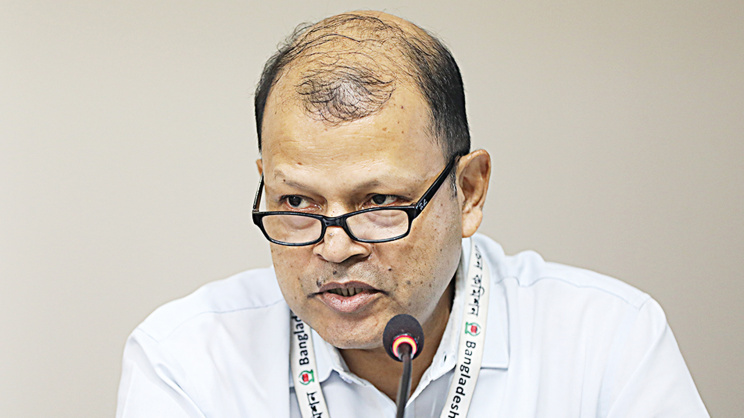
The Election Commission operates within constitutional and legal boundaries, particularly under the Representation of the People Order, which requires 33% women’s representation in all levels of political party structures. However, enforcement mechanisms and accountability measures remain limited, creating gaps in implementation. Similarly, rules requiring annual reporting from political parties offer opportunities for stronger monitoring, including periodic assessment of progress toward gender targets. Clearer legal instruments and stronger reporting systems could improve compliance. At the same time, judicial directions have historically shaped key electoral reforms, showing the importance of legal and institutional cooperation. Moreover, beyond legal measures, civic education, technological awareness, and changes in social attitudes are essential to strengthen women’s political participation and create a more inclusive democratic environment.
Sonali Dayaratne
Deputy Resident Representative
UNDP Bangladesh
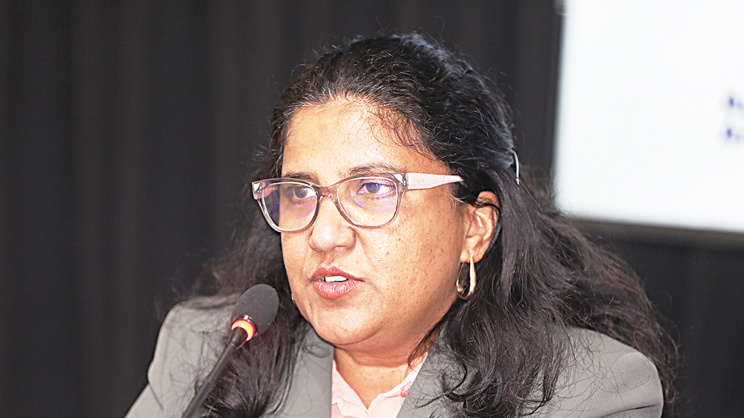
The sharp decline in women’s parliamentary representation despite strong female voter turnout demands urgent corrective action to ensure improvements in upcoming local government elections. While progress has been made in ensuring inclusive voting processes, women’s representation in decision-making remains a major gap. However, at this juncture, it is imperative to shift the focus from repeated discussions about “what” went wrong and what must change, to actionable solutions centered on “how” to bring about meaningful change. A holistic, system-wide approach is required, emphasizing the effective implementation of reserved seats and quotas to guarantee merit-based representation. To achieve this, UNDP, in collaboration with the Bangladesh Election Commission, will continue focusing on eliminating barriers to women’s political participation and enhancing their representation in leadership positions
Tanjim Ferdous
Head of Strategic Partnerships
The Daily Star
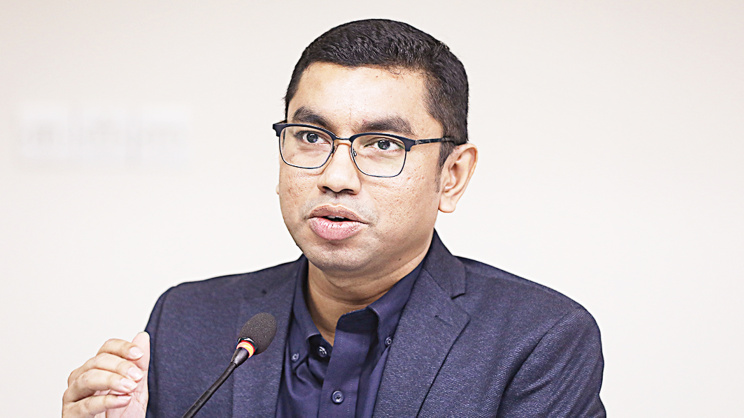
The last national parliamentary election marks an important democratic milestone, yet it also reveals a persistent gender gap. Only seven women were elected to general seats, with representation still largely dependent on reserved seats filled through indirect nomination. This situation raises questions about whether political empowerment is truly meaningful or mainly numerical. Moreover, issues such as party nominations, campaign financing, security concerns, and social norms continue to limit women’s electoral competitiveness. This roundtable aimed to translate lessons from the national election into institutional improvements ahead of the upcoming local government elections to improve women’s participation in the political sphere.
Comments