


From challenge to choice: Strengthening Bangladesh’s Family Planning Program
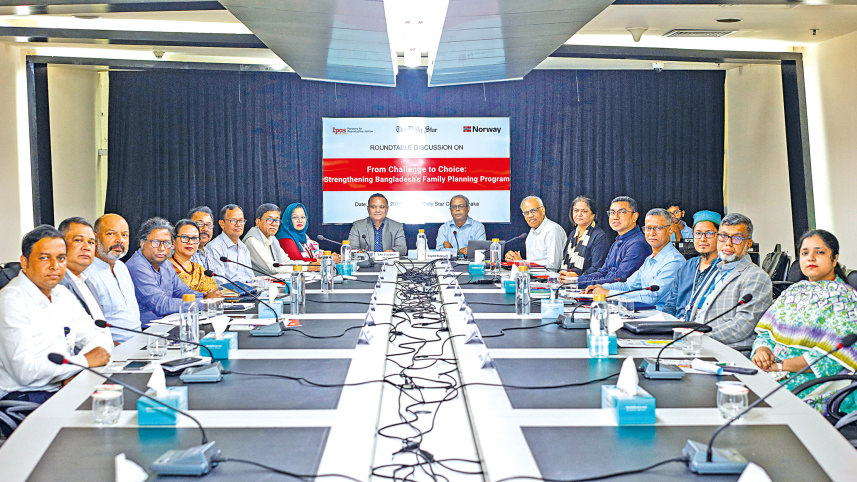
Ipas Bangladesh and The Daily Star jointly held a roundtable on June 8, 2026. The discussion brought together policymakers, development partners, public health experts, and other stakeholders to address current challenges in Bangladesh’s family planning programme. Reflecting on recent contraceptive commodity shortages and supply chain vulnerabilities affecting access to essential services, participants explored the structural, financial, institutional, and human resource barriers slowing down reproductive healthcare delivery. The roundtable identified practical, recommendations-based reforms and strategic integration opportunities to ensure quality, inclusive healthcare, and continue driving socio-economic development and maternal safety across the nation. Here is a summary of that discussion.
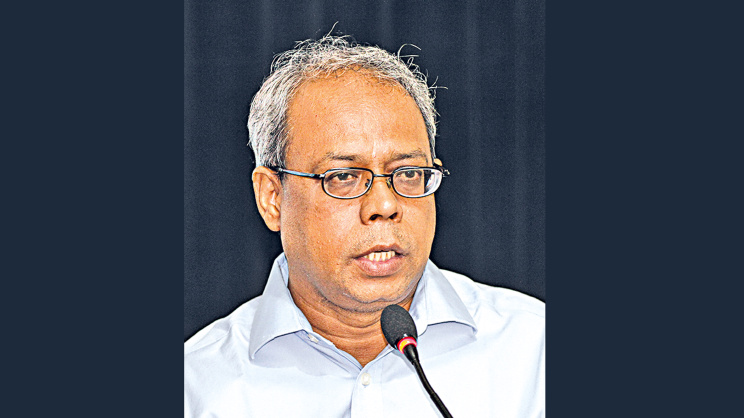
Dr Sayed Rubayet
Country Director
Ipas Bangladesh

Achieving the Sustainable Development Goals (SDGs) related to poverty reduction, health, gender equality, and economic growth depends greatly on a strong family planning programme. In Bangladesh, this programme serves around 4.5 crore women of reproductive age. Historically, it has achieved remarkable milestones, with the Total Fertility Rate (TFR) dropping from 6.3 in 1975 to a steady plateau of 2.3 by 2022, alongside an exceptional inter-birth spacing interval now averaging nearly five years. According to global estimates, every dollar invested in contraceptives generates about 27 dollars in socio-economic benefits. However, recent data indicate an upward trend in TFR alongside a sharp decline in the Contraceptive Prevalence Rate (CPR) from 64% to 58%, rolling coverage back by 20 years. This drop directly correlates with institutional transitions and procurement bottlenecks since late 2023, causing critical stockouts of pills, condoms, and long-acting reversible contraceptives (LARCs). Consequently, national Couple Years of Protection (CYP) plummeted from 10.9 million in 2022 to 4.8 million in 2025. This 6-million CYP deficit unfortunately led to 1.5 million preventable unintended pregnancies, 9 lakh additional abortions, and approximately 3,300 avoidable maternal deaths. To safeguard maternal health, revitalising the commodity supply chain and reinstating monitoring mechanisms must be prioritised. Ultimately, strengthening healthcare infrastructure and investing in LARCs will restore historical gains and prevent future demographic setbacks.
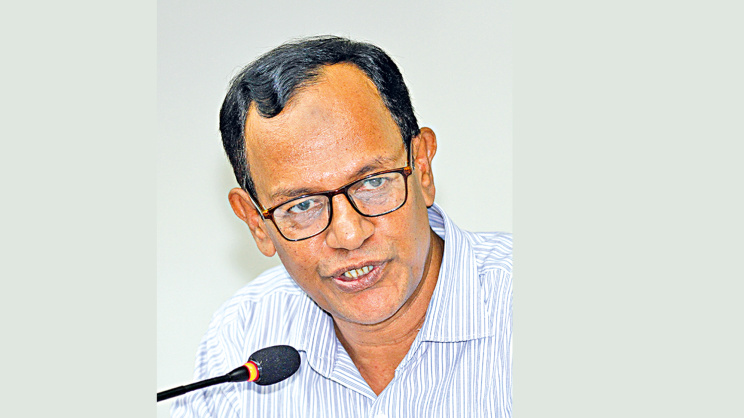
Mohammed Abul Kalam
Director (Logistics & Supply Unit)
Directorate General of Family Planning (DGFP)
The institutional journey of Bangladesh’s family planning framework reveals strong roots, transitioning from a board in 1965 to a full directorate by 1975, alongside pioneering initiatives like the ward-based Family Welfare Assistants (FWAs) and Union Health & Family Welfare Centres (UH&FWCs) across the country. Despite severe supply chain challenges starting in mid-2023 that culminated in significant stockouts by January 2024, constructive structural measures are actively underway to stabilise the system. Although revenue-funded procurement secured 25.5 million oral pills, 15 million condoms, 3 million injectables and over 90,000 implant sets, it fell short of total demand. Therefore, accelerating ongoing procurement processes, ensuring timely budget allocations, and strengthening supply chain management are essential. With tenders already underway for 77.5 million cycles of oral pills, 130 million condoms and 12 million injectables, continued coordination and investment can help restore stable service delivery and safeguard reproductive health gains.
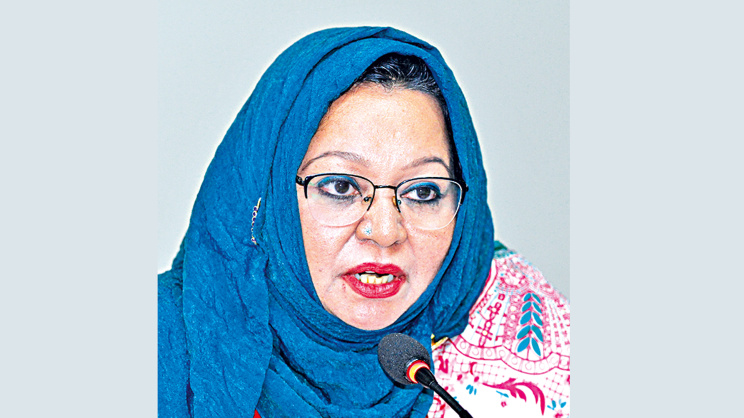
Sabina Parveen
Director (Management Information Systems)
Directorate General of Family Planning (DGFP)
The family planning program’s transition from a development framework to a stable revenue structure is essential for long-term sustainability, especially as foreign aid declines. Current supply chain shortages are expected to stabilise by October, once the procurement processes are completed, supported by development partners and a growing private sector that now provides 70% of oral pills. To overcome existing supply chain challenges, five key strategies must be implemented. First, skilled logistics personnel and transportation assets must transfer to the revenue setup. Additionally, timely outsourcing for specialised services is necessary. Furthermore, decentralising minor procurements will improve local capacity, while implementing multi-year framework contracts will ensure smart, efficient purchasing. Finally, leveraging the award-winning Supply Chain Management Portal will allow the country to replicate the zero stock-out success achieved for five consecutive years starting in 2015, effectively safeguarding reproductive health services for millions of people.
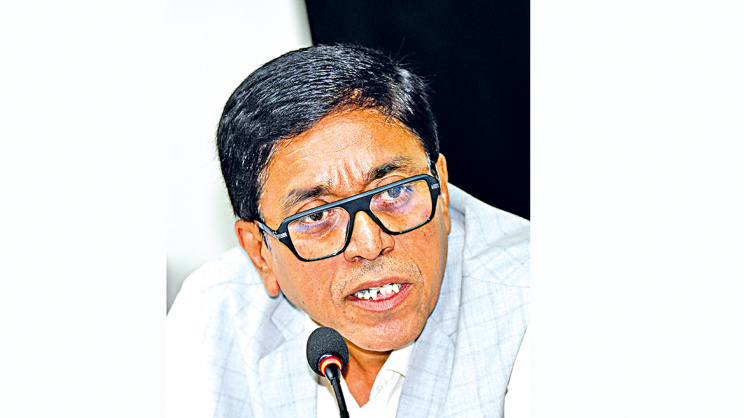
Dr. Nasir Ahmed
Director (Maternal and Child Health Services)
Directorate General of Family Planning (DGFP)
Recent disruptions in procurement and commodity supply have affected service delivery, particularly for poor and marginalised communities that rely on public facilities. As a result, patient flow dropped at UH&FWCs due to critical shortages of iron, folic acid, and DDS kits or delivery kits. To rebuild the system, a strengthened primary healthcare model is recommended, positioning union level health facilities as the vital first entry point for curative and preventive care. Furthermore, implementing immediate short-term emergency procurement initiatives is crucial to bridge the current three-to-four-month transition gap. Leveraging expert-led public health committees and high-level policy support will effectively restore vital commodity supply chains, safeguarding vulnerable, marginalised communities and reversing recent declines in national health indicators.
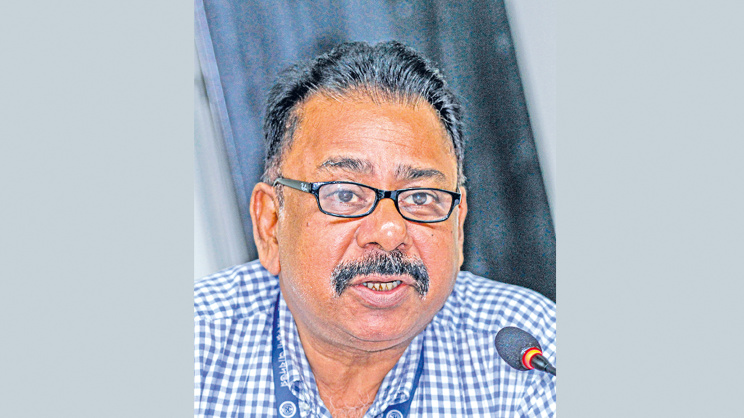
Dr Md. Monjur Hossain
Assistant Director
MCH Services
Directorate General of Family Planning (DGFP)
Ensuring sexual and reproductive health rights requires a reliable supply chain alongside robust information and referral networks. Currently, the procurement of DDS kits, normal delivery kits, and MVA kits is underway to support maternal health services. Furthermore, commodity shortages since 2020 have increased unintended pregnancies, escalating the need for menstrual regulation and post-abortion care. To effectively deliver these commodities, addressing a critical workforce deficit is essential, as over 50% of frontline Family Welfare Visitor (FWV) posts remain vacant. Fortunately, a government initiative to recruit approximately 1 lakh field workers will help clear this operational backlog. Concurrently, a lack of specialised training for medical staff recruited since 2016 has hindered the use of permanent contraceptive methods. Consequently, collaborative partnerships with civil society organisations are helping manage choices, though shift from centralized procurement to individual management has contributed to an increase in out-of-pocket health expenditure, from 67% to 74%.
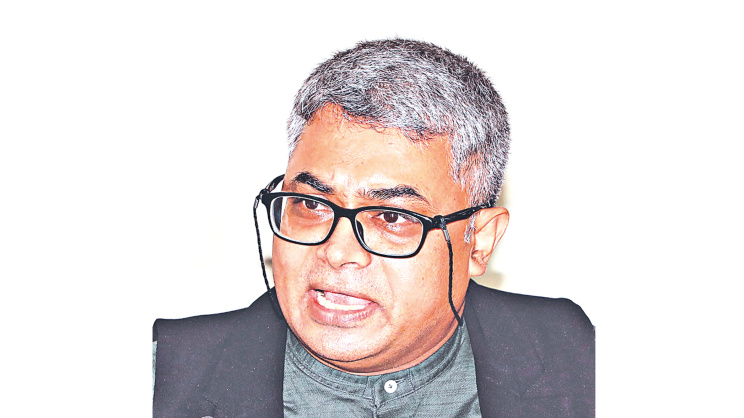
Dr Mohammad Mainul Islam
Dean, Faculty of Social Sciences
Professor and Former Chairman, Department of Population Sciences , University of Dhaka
The family planning programme historically drove Bangladesh’s development, maintaining a stable Total Fertility Rate (TFR) of 2.3 between 2011 and 2022. However, the recent 2025 Multiple Indicator Cluster Survey (MICS) reveals an unprecedented rise in TFR alongside a drop in contraceptive usage, threatening the ongoing demographic dividend. Furthermore, high adolescent fertility and rising child marriage rates in climate-vulnerable coastal regions present complex structural challenges. To avert severe demographic, social, and economic consequences, placing family planning at the centre of national development strategies is highly recommended. Implementing the 2025 National Family Planning Strategy through region-specific plans will bridge immense urban-rural coverage gaps. Additionally, adopting an inclusive, lifecycle approach will enhance female labour market participation, safeguard reproductive rights, and ultimately secure long-term population stabilisation.
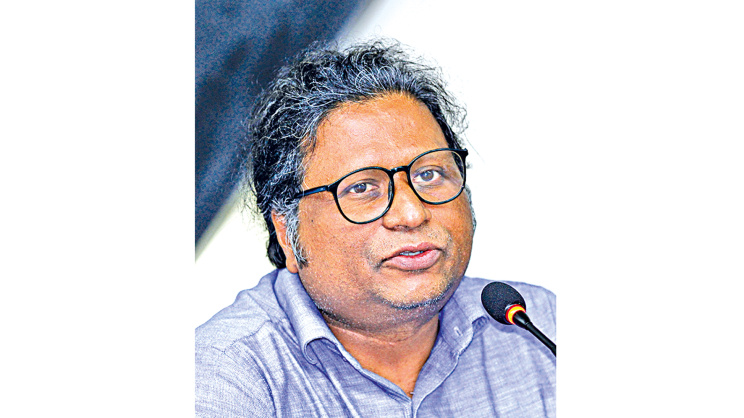
Dr. Zahirul Islam
Health Advisor
Swedish International Development Cooperation Agency (SIDA)
Since the integration of menstrual regulation (MR) services into the family planning programme in 1979, family planning and reproductive health services have become more comprehensive. However, recent data show that around 60% of unintended pregnancies end through MR, highlighting the need to address unmet need for contraception and strengthen informed reproductive choices. To sustain progress, family planning should be further integrated into primary healthcare while maintaining a strong focus on quality services. In addition, greater use of digital technologies, self-care approaches, and adolescent-friendly services can help meet evolving needs. Strengthening coordination among government agencies, development partners, and civil society organisations is also essential. Furthermore, continued investment in evidence generation, innovation, and capacity building can help ensure a resilient and responsive family planning programme for the future.
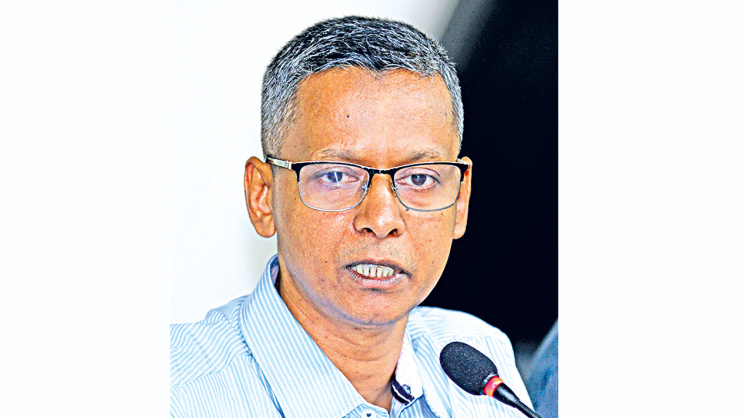
Dr Abu Sayed Mohammad Hasan
SRHR Specialist
UNFPA, Bangladesh
As the family planning programme can directly and indirectly contribute to achieving all 17 Sustainable Development Goals, revitalising the programme should remain a national priority. Bangladesh’s family planning programme has long been recognised globally for its community-based services, wide contraceptive method mix, and sustained commitment. To achieve the FP2030 targets, including a 75% contraceptive prevalence rate and a total fertility rate of 2, uninterrupted contraceptive supply must be ensured. At the same time, greater emphasis is needed on expanding long-acting and permanent methods, reducing adolescent pregnancies, addressing unmet needs, and strengthening quality of care through skilled service providers. Furthermore, introducing newer contraceptive technologies could help increase contraceptive uptake and revitalise the programme’s progress.
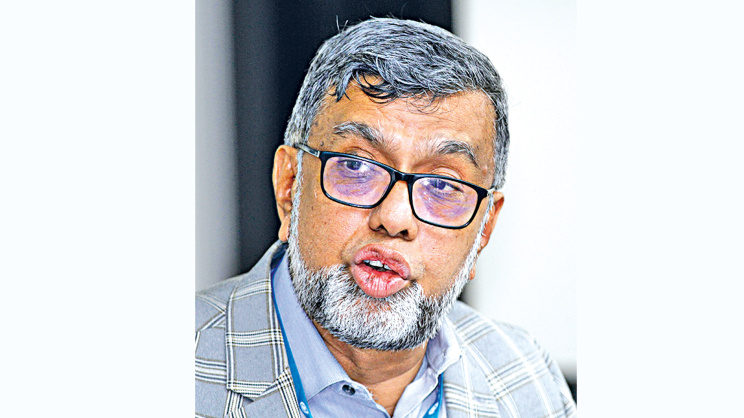
DM Emdadul Hoque
Health Manager
UNICEF Bangladesh
Family planning should be positioned within an integrated primary healthcare (PHC) approach, as PHC remains the most effective service delivery model for achieving up to 80% coverage of essential health services. At the same time, ensuring full contraceptive method choice, particularly beyond short-acting methods, is important from both a rights and development perspective. Greater emphasis is also needed on postpartum family planning, delaying adolescent pregnancies, and supporting healthy birth spacing. Furthermore, targeted interventions are required for urban and hard-to-reach populations. Integrating family planning with maternal and newborn health services and promoting informed choice can strengthen quality, continuity, and overall programme effectiveness.
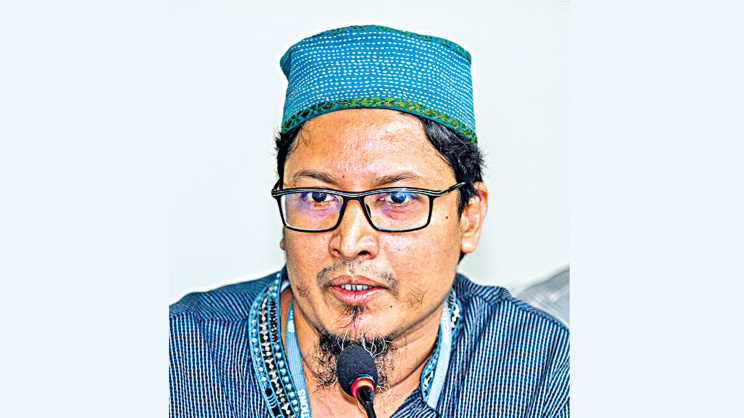
Dr. Md.Nurul Islam Khan
Programme Officer (Reproductive, Maternal, Newborn, Child, and Adolescent Health)
World Health Organisation (WHO)
 For all latest news, follow The Daily Star's Google News channel.
 To expand the success of the family planning programme beyond just women and married couples, it is vital to encompass men and unmarried adolescents in proactive lifecycle planning. At present, logistical challenges are being addressed; however, greater attention is needed to human resources, as more than 50% of positions remain vacant. To systematically address these gaps, fast-tracking the recruitment process to fill all existing vacant positions is highly recommended. Also, executing all reproductive health initiatives under a unified national plan led by the Ministry of Health will optimise declining global funds. Additionally, integrating family planning directly into an inclusive Primary Health Care (PHC) model will maximise preventive care. Lastly, establishing strong media partnerships will ensure continuous public advocacy, helping secure critical resources and track human resource recruitment milestones transparently.
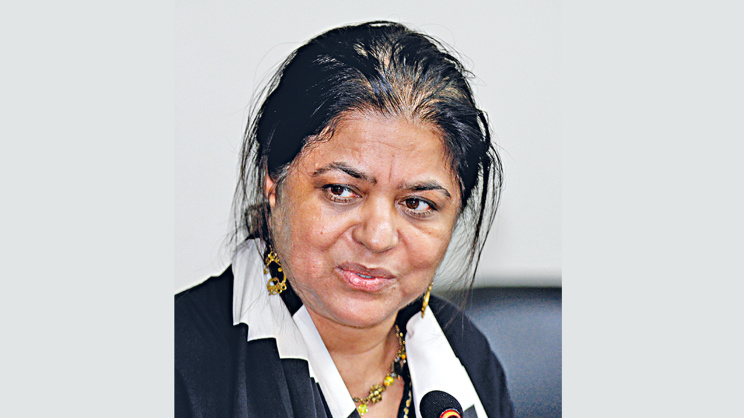
Barrister Sara Hossain
Honorary Executive Director
BLAST
Family planning is a fundamental health and human rights issue that contributes to protecting lives by preventing maternal and child mortality. Therefore, greater emphasis should be placed on prevention, accountability, and ensuring access to quality services. While the rural service delivery model has shown positive results, developing effective urban family planning services through partnerships among government, NGOs, civil society, and the private sector presents a significant opportunity. Furthermore, rather than relying solely on legal prosecution to tackle child marriage, deep community-level sensitisation must be prioritised. Integrating family planning networks with local child marriage prevention committees, marriage registrars, and field administration will create strategic avenues for change. Leveraging active networks like the Civil Society Organization (CSO) Forum on SRHR will ultimately foster collective accountability and secure long-term health outcomes.
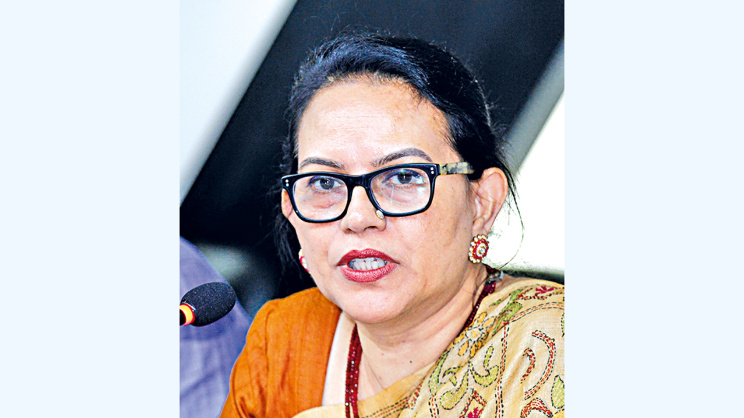
Dr Rahat Ara Nur
Program Director
Ipas Bangladesh
Every year, Bangladesh records more than 5.33 million pregnancies, of which 49% are unintended. Among these unintended pregnancies, nearly 60% end in abortion, while unsafe abortions continue to contribute to maternal mortality, accounting for about 7% of maternal deaths. Therefore, strengthening family planning, menstrual regulation (MR), and post-abortion care (PAC) services remains essential. Civil Society Organisations and NGOs are supporting policy advocacy, programme implementation, and technical assistance to improve reproductive health outcomes and advance gender equality. In addition, efforts are focused on ensuring quality services, strengthening health information systems, building provider capacity, improving facility readiness, and reducing stigma around MR, PAC, and family planning, in both communities and healthcare settings across urban and rural areas.
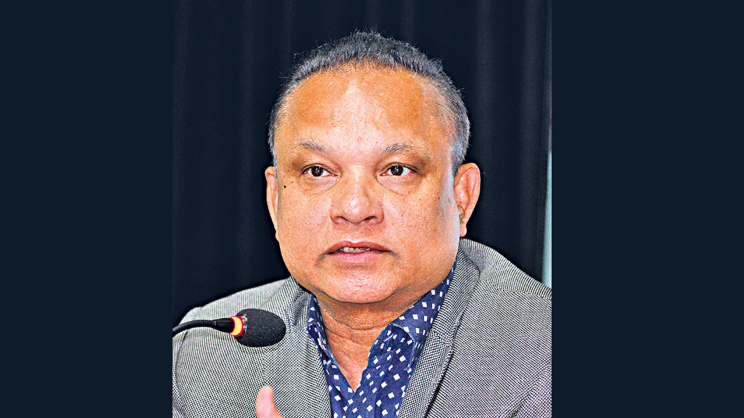
Dr S.M. Ziauddin Hyder
Special Assistant to the Hon’ble Prime Minister (State Minister Rank)
Ministry of Health and Family Welfare (MoHFW) People’s Republic of Bangladesh
Family planning remains a vital component of Bangladesh’s health system and has contributed significantly to reducing the total fertility rate from 6.3 in 1975 to around 2.3 today. Similarly, the contraceptive prevalence rate increased from 8% to about 64%, demonstrating substantial progress. However, future gains will require moving beyond routine approaches and focusing on deeper analysis of the social, economic, and behavioural factors that influence fertility and contraceptive use. Evidence-based policymaking, stronger engagement with academia, and greater use of data are essential to identify barriers and design effective solutions. Currently, a projected increase in the national health budget to over 1% of GDP offers a historic opportunity to reform the healthcare infrastructure. Transitioning from a vertical, product-centric framework to an integrated, preventive primary healthcare model will successfully bridge urban-rural disparities. Additionally, deploying 1 lakh multipurpose health workers will guarantee comprehensive door-to-door counselling every two months. Consequently, establishing localised healthcare centres across all union and urban wards within three years will streamline non-communicable disease monitoring, nutrition tracking, and reproductive services. Ultimately, cross-sectoral collaboration with civil society will break operational silos and secure sustainable national ownership.
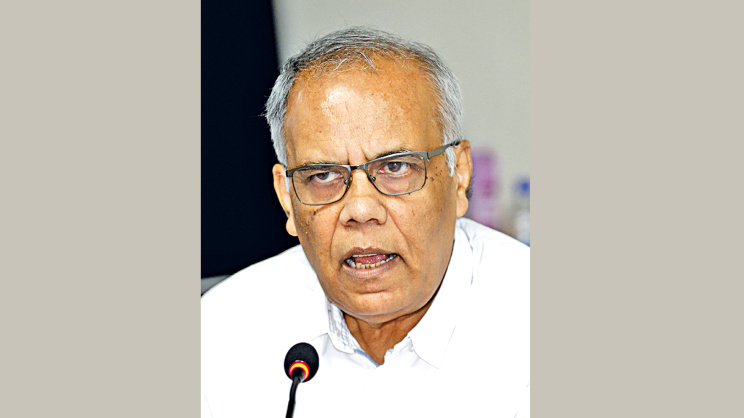
Kamal Ahmed
Acting Editor
The Daily Star
The Daily Star has consistently highlighted Bangladesh’s progress in the health sector, particularly in family planning, maternal health, and child survival, while also drawing attention to emerging challenges when progress slows. Therefore, issues such as contraceptive supply disruptions and gaps in service delivery have received sustained coverage through news reports and dedicated health-focused content. In addition, a weekly health page regularly promotes discussions on issues affecting women, children, and public health. Strong emphasis is placed on research, evidence, and quality journalism to support informed public dialogue. Through balanced reporting and constructive debate, greater awareness can be created, and solutions can be encouraged to strengthen health services and improve outcomes for all.
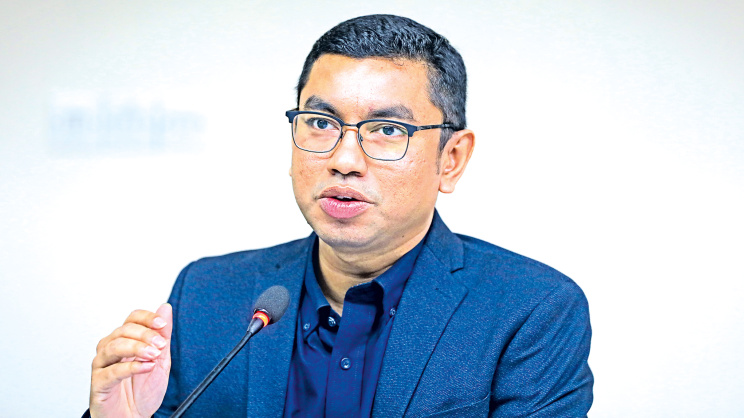
Tanjim Ferdous (Moderator of the Session)
Head of Strategic Partnerships
The Daily Star
Bangladesh’s family planning program remains a landmark achievement, having reduced fertility rates and improved maternal health over the past five decades. Despite this progress, growth has recently slowed, with persistent regional disparities and unintended pregnancies creating new hurdles. Furthermore, supply chain disruptions threaten the long-term sustainability of these gains. This roundtable aimed to address these issues to strengthen contraceptive security, refine procurement systems, and ensure uninterrupted service delivery, ultimately safeguarding reproductive health and rights for all citizens across the nation.
Recommendations
- Ensure uninterrupted contraceptive availability through emergency procurement measures and more efficient supply chain management.
- Decentralise selected procurement functions and adopt multi-year framework contracts to improve the timely delivery of family planning commodities.
- Fast-track recruitment to fill vacant frontline family planning positions and strengthen service delivery at the community level.
- Integrate family planning services into the primary healthcare system to enhance preventive care and improve access for both urban and rural populations.
- Expand access to long-acting and permanent contraceptive methods, while introducing new technologies to better meet diverse reproductive health needs.
- Strengthen community-based efforts to prevent child marriage by improving coordination among local administrations, marriage registrars, and family planning workers.
- Deploy more qualified midwives and skilled healthcare providers to improve counselling, ensure quality reproductive health services, and reduce method discontinuation rates.
Comments