


Looking Back: How 'Aranyer Din Ratri' was revived at Cannes 55 years later
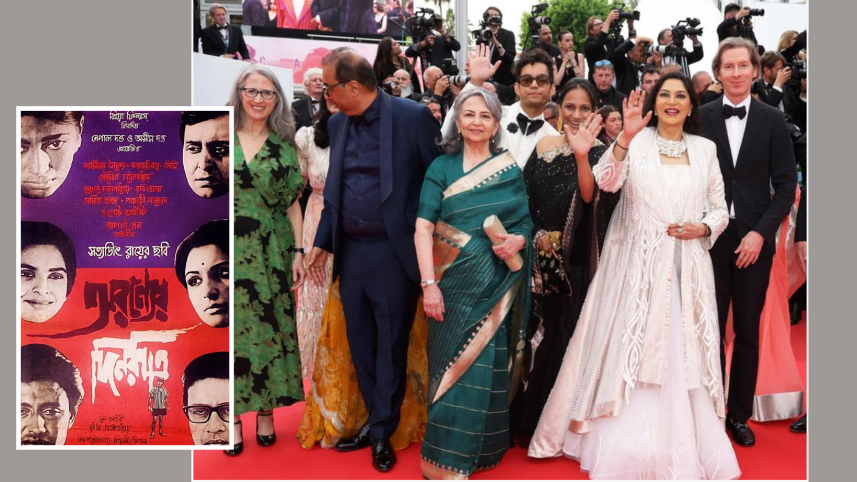
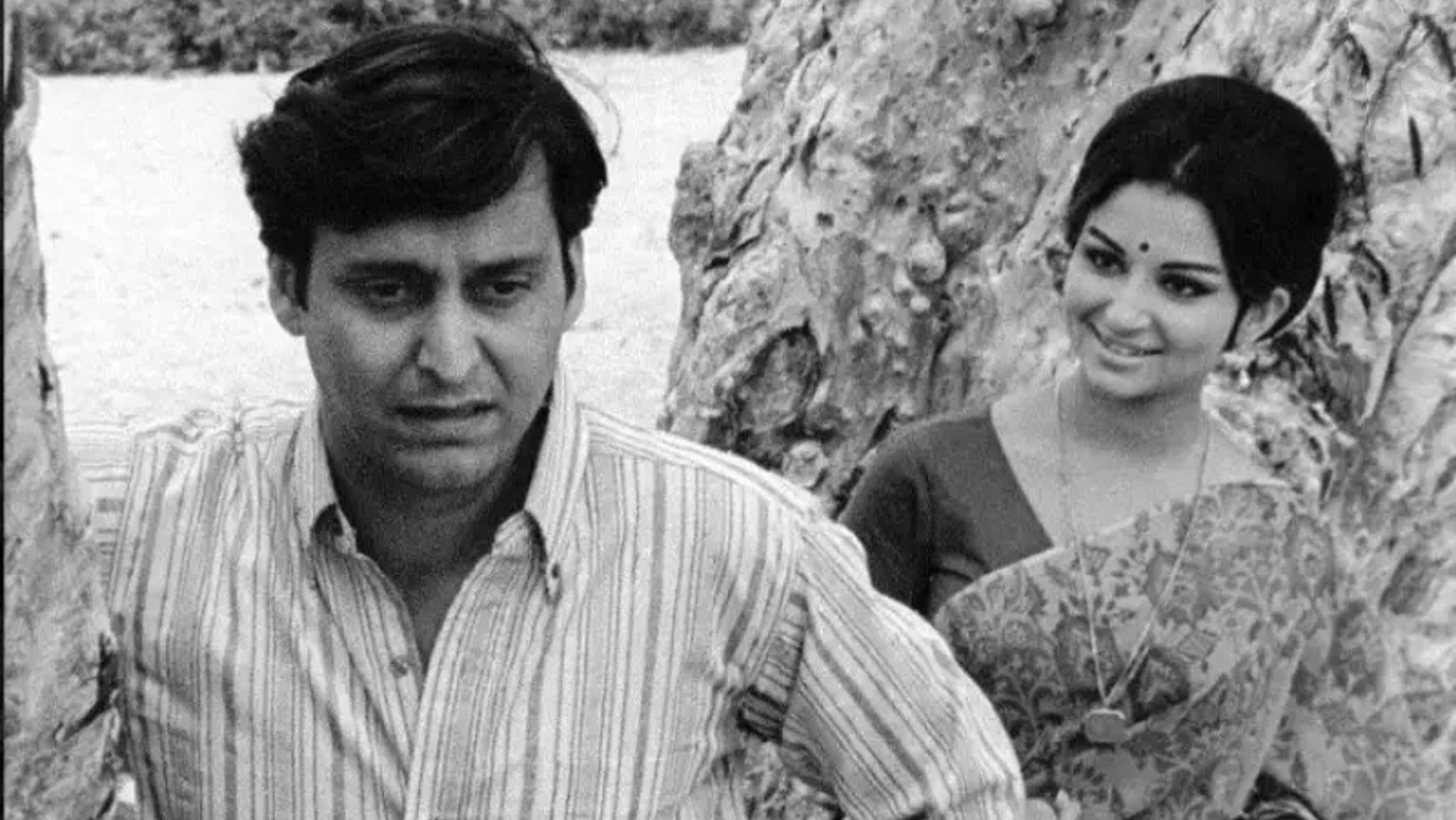
More than five decades after its release, Satyajit Ray’s “Aranyer Din Ratri" returned to the global spotlight at the 78th Cannes Film Festival, last year.
Screened in the Cannes Classics section in a newly restored version, the 1969 masterpiece drew a packed audience at the Buñuel Theatre and earned an enthusiastic reception from viewers across generations.
 For all latest news, follow The Daily Star's Google News channel.
 The screening became one of the festival’s most memorable moments. As actors Sharmila Tagore and Simi Garewal reunited on the Cannes stage, audiences celebrated not only a landmark Bengali film but also the enduring legacy of one of world cinema’s greatest directors. For 115 minutes, a story rooted in the forests of Palamau transcended language, geography and time, reminding viewers why great cinema never loses its power.
The restored version of “Aranyer Din Ratri” was screened in the Cannes Classics section 55 years after the film’s original release. Sharmila Tagore and Simi Garewal travelled to Cannes for the occasion, while American filmmaker Wes Anderson, known for “Bottle Rocket” and “Rushmore”, presented the film at the festival.
After the screening at the Buñuel Theatre, the audience gave Sharmila and Simi a standing ovation that lasted two minutes. It was a reminder that great works continue to find new audiences through their artistic merit and emotional power. That is how a creation becomes timeless and achieves a place in cultural memory.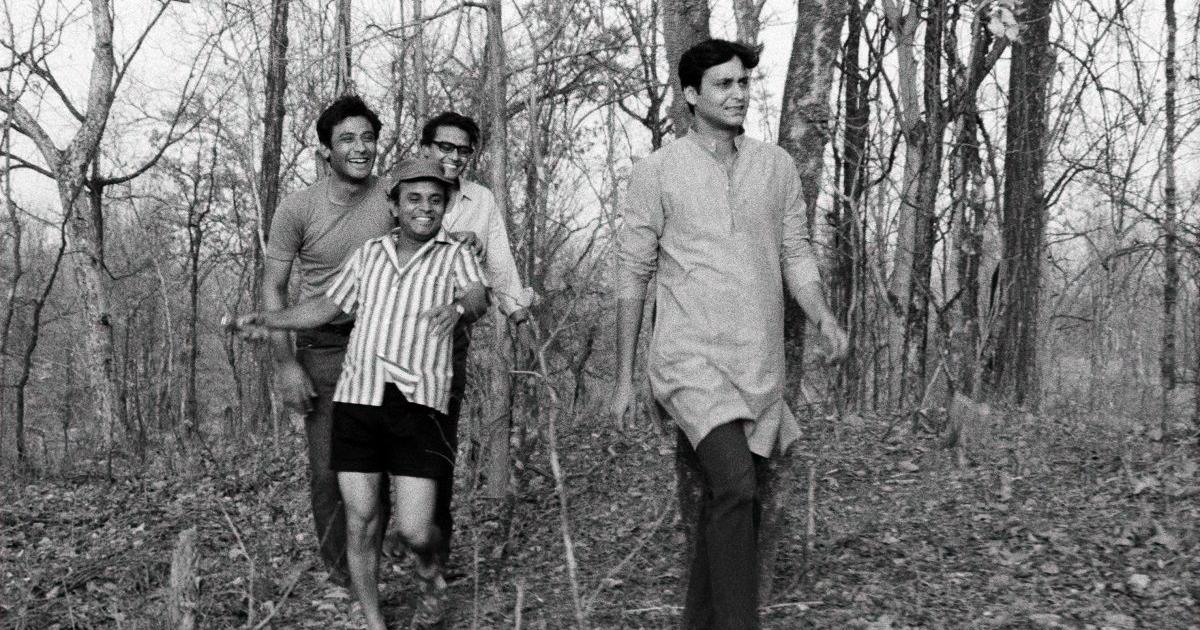
However, to secure a ticket for the May 19 screening of “Aranyer Din Ratri”, one had to make a booking on May 15. At the Cannes Film Festival, tickets for any screening must be booked four days in advance.
Every morning at seven o’clock, festival attendees take part in a kind of fastest fingers first competition on the online booking platform. The countdown begins at 6:58 am. The booking site opens at 7 am. Within two minutes, almost all tickets are gone.
Because of a disrupted sleep schedule, I missed that opportunity. Still, hope is never completely lost. I kept checking the website several times a day, hoping someone might cancel a reservation. Fortunately, on May 18, I found the ticket I had been hoping for.
On May 19, 2025, the screening took place at the Buñuel Theatre inside the Palais des Festivals at 7:45 pm local time.
I had assumed that most of the audience would be Indians attending the festival. However, that assumption proved largely wrong. European viewers dominated the crowd outside the theatre. What surprised me most was that many of them were young people.
Alongside them stood me, a Bengali film journalist of this generation, waiting to watch a Bengali film made 55 years ago. I was not even born when “Aranyer Din Ratri” was released. Yet I have watched it many times. I first saw it before I truly understood cinema and watched it again after learning how to appreciate films.
There was not an empty seat in the theatre. Among the audience were acclaimed director Alejandro Iñárritu and renowned cinematographer Darius Khondji. Around 8 pm, Wes Anderson, board member of The Film Foundation and a self-declared admirer of Satyajit Ray, came on stage to introduce the film. He had brought a four-page speech and read it aloud. He described “Aranyer Din Ratri” as a “psychological midsummer night spell”.
He said, “I have no connection with this film. I am speaking today simply as a fan. I first watched it 25 years ago on a blurry pirated DVD bought from a Bollywood film shop in New Jersey.”
Standing beside him were Sharmila Tagore, Simi Garewal and Margaret Bodde, Executive Director of The Film Foundation.
The screening began at 8:13 pm local time. Over the next 115 minutes, audiences were immersed in a story that continues to resonate decades after its release. The film explores class consciousness, the selfishness of Bengali men, relationships between men and women in the 1960s, and the condescending attitude of urban society towards Indigenous communities.
Rabi Ghosh’s humour repeatedly drew laughter from the audience, while the complex relationships among the four friends and the mystery surrounding Sharmila Tagore’s character held viewers’ attention throughout. The audience experienced a beautifully restored print, a 5.1 sound mix and newly written subtitles, all presented with exceptional care.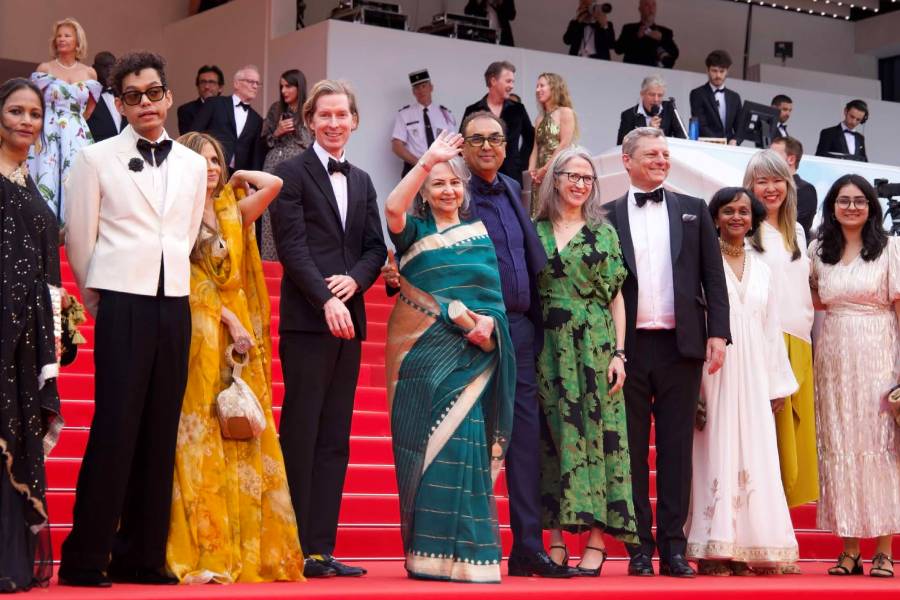
It was a remarkable screening. Wearing a green sari, Sharmila Tagore arrived with royal grace. She came, she saw, and she captured everyone’s heart. Simi did the same. She too was dressed in white. Standing in the Salle Buñuel theatre, Sharmila recalled memories of working with her beloved Manik Da. She spoke about how skilfully he transformed Sunil Gangopadhyay’s writing into cinema in the forests of Palamau. She said, “Only Simi and I are still alive. Everyone else has passed away. Among them was Soumitra Chatterjee, who created a unique style statement with his thick black framed glasses.”
Simi said, “We shot the film in a forest far removed from civilisation 56 years ago. There was no air conditioning and not even electricity. There was no water supply, no bathroom, no television and no telephone. None of that mattered. We were working with one of the world’s greatest directors, Satyajit Ray. I did not know Bengali, so being part of this film was an extraordinary privilege for me.”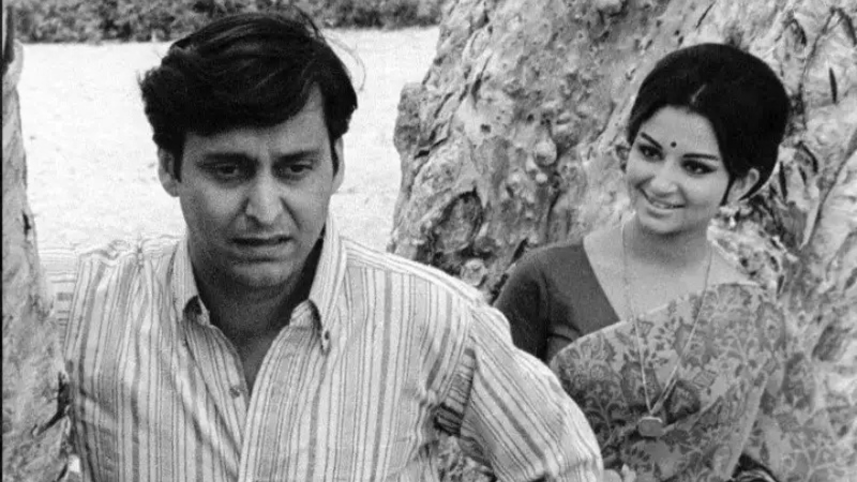
After the standing ovation, the guests began leaving the theatre. I hurried forward with my camera, hoping to meet Aparna from the screen. I had met Sharmila several times during her visit to Dhaka in January 2024 and had also interviewed her. As soon as we met, she recognised me. However, because the organisers did not permit it, she declined to speak on camera. She happily posed for a photograph and wished me a good night.
As I left the theatre and walked along the French Riviera, a light rain was falling. I thought about how much had changed over the past 55 years. Yet I carried those 115 minutes of enchantment with me as a treasured memory.
By then, night had only just begun to fall over the Cannes shoreline.
Partho Sanjay is a noted televsion journalist.




Comments