


Students can now pay overseas tuition by card
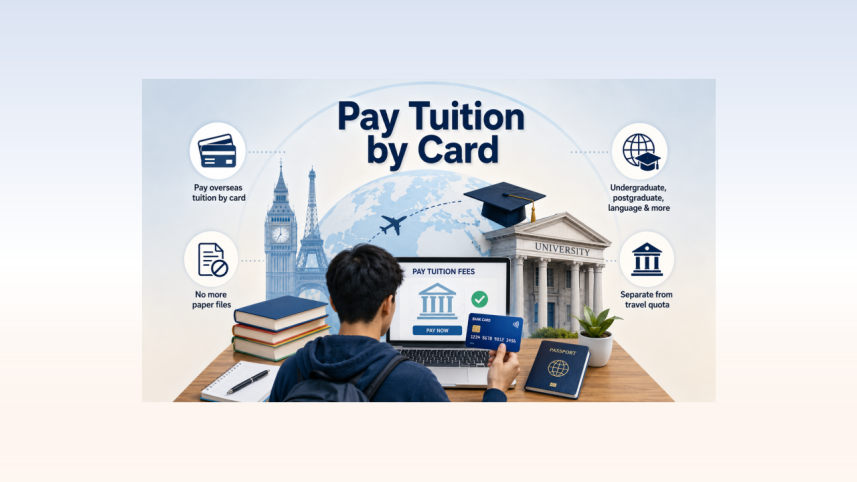
Bangladeshi students will now be able to pay tuition and enrolment fees to foreign educational institutions using designated debit, credit or prepaid cards, making it easier to move away from the paper-heavy “student file” system.
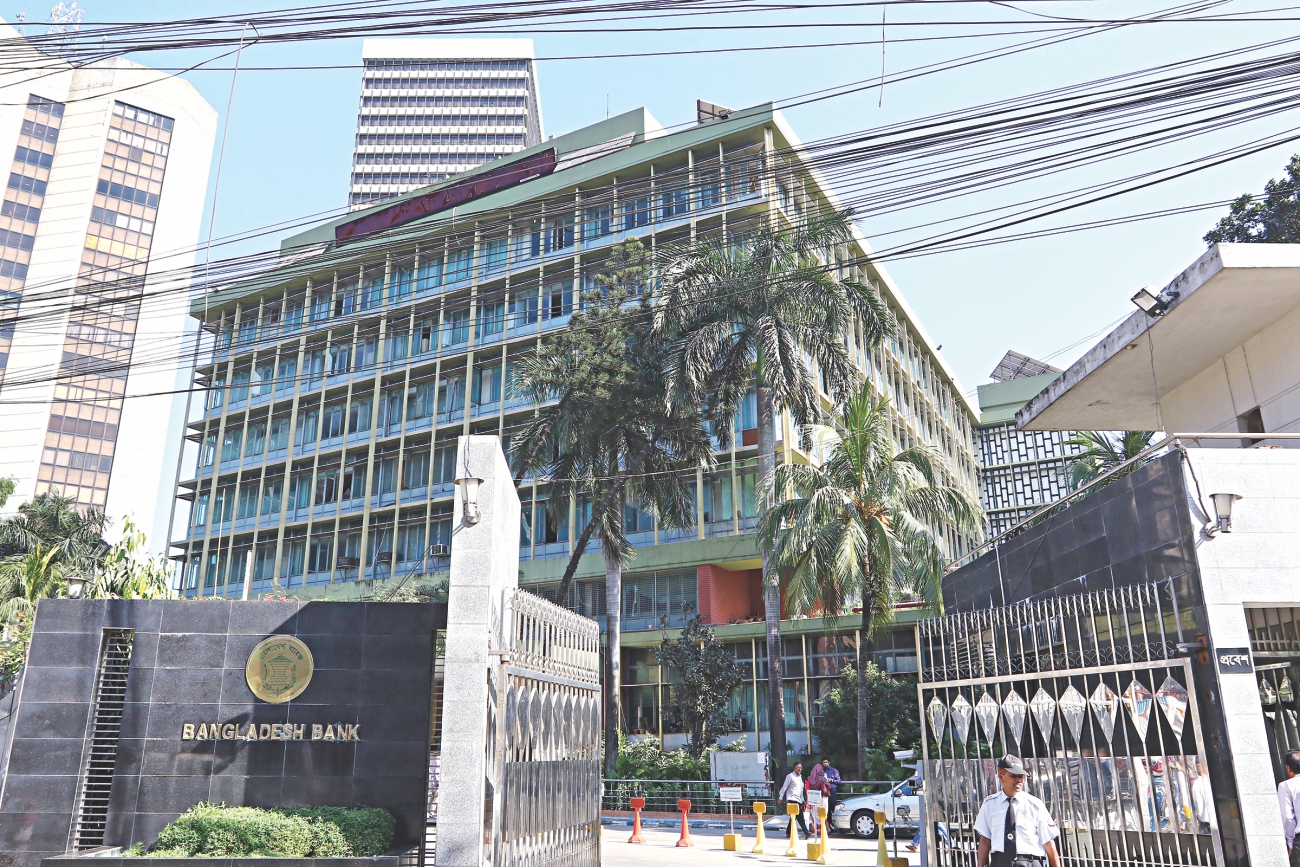
In a circular, the Bangladesh Bank (BB) said authorised dealer banks may issue or approve the use of designated cards for such payments through the online platforms of foreign institutions.

The cards can be issued in the name of the student or the person responsible for paying for their education, according to the central bank.
The new payment facility covers a wide range of academic programmes, such as undergraduate and postgraduate degrees, language courses, and professional diploma or certificate programmes at recognised institutions.
The move comes as more foreign universities and other education service providers require students to pay fees through international cards on their admission and enrollment websites.
According to the BB circular, the new facility will be treated separately from the travel quota and other existing foreign exchange entitlements.
The travel quota is the amount of foreign currency a Bangladeshi citizen can legally take abroad for personal travel in a calendar year. The current limit for an adult is $12,000.
Until now, students paying for education abroad usually had to follow a formal and paper-heavy process.
As per the BB regulations issued in 2025, students had to open a student file with a designated bank branch to manage their foreign exchange transactions throughout their course. Banks would then send tuition payments directly to the foreign educational institution.
Students had to submit original admission letters, fee estimates and educational certificates before the bank could send the money.
Banks were also required to make direct wire transfers based on official estimates for tuition, board and lodging provided by the foreign institution.
International cards were previously allowed only for living and other incidental expenses, and only when the institution did not require those fees to be paid directly to it.
Students who wanted to change banks could not simply move their accounts. Their physical student file had to be transferred directly from one bank branch to another.
Until now, virtual cards could be used for some online payments, such as TOEFL or SAT registration. But major tuition payments generally had to go through formal bank transfers.
As per the latest BB circular, before allowing transactions, banks must complete all required checks and exercise “due diligence in accordance with prevailing foreign exchange regulations”, including rules on anti-money laundering and counter-terrorism financing.
Banks must also put in place “adequate controls” to ensure the cards are used exclusively for education-related purposes and that payments go only to appropriate beneficiaries.
The BB said all other existing rules on foreign exchange for overseas education will remain in force. These rules are part of a wider framework updated in September 2025, which brought together various guidelines on sending money abroad.
Banks must report all transactions through the BB’s dedicated monitoring module to ensure “meticulous compliance” with the new directive, as per the BB.
 For all latest news, follow The Daily Star's Google News channel.
Comments