


Governor asks shariah scholars to work independently, promises full protection

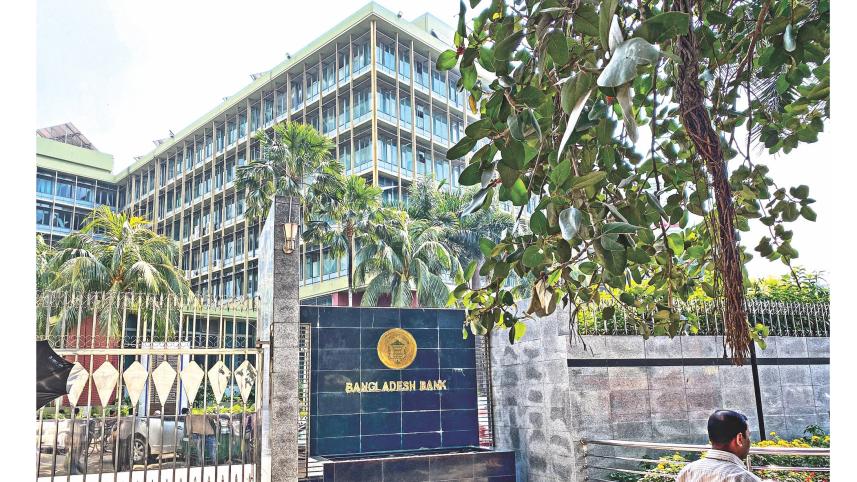
Bangladesh Bank Governor Md Mostaqur Rahman has promised full protection to the country’s shariah scholars and urged them to work independently.
Recently, the BB governor met leading shariah scholars and Islamic banking representatives to discuss the current state, challenges, and future reforms of Islamic banking in Bangladesh.

Rahman chaired the meeting at the central bank’s headquarters, which was also attended by the deputy governor responsible for Islamic banking regulation, executive directors, directors, and senior officials.
Members of the newly formed Bangladesh Bank Shariah Advisory Board, representatives from almost all Islamic banks, and prominent scholars, and academics were present.
At the event, the governor acknowledged past money laundering incidents in Islamic banking, attributing them to weak oversight. He emphasised that Islamic banking, being asset-backed, should prevent such losses if shariah principles are properly applied.
“You, the members of the Shariah Board, shall work independently; the central bank will provide you with full protection,” he said.
Scholars proposed several measures to strengthen shariah governance, including empowering shariah supervisory committees and secretariats to operate independently of banks’ boards.
Major investments would require approval from at least a three-member shariah subcommittee. They also recommended enacting a dedicated Islamic Banking Act, appointing a deputy governor and executive director for Islamic banking supervision, and setting mandatory shariah knowledge standards for bank executives.
To enhance transparency, proposals included annual external shariah audits, separate Core Banking Systems (CBS) for shariah-compliant operations, and a shariah governance framework with a compliance rating system modeled on Malaysia.
Scholars also suggested establishing a research centre and library on Islamic economics to position Bangladesh as a regional hub for Islamic finance studies.
Additional measures included providing liquidity support, introducing shariah-compliant money market instruments, and treating major money laundering and corruption cases as acts of treason with strict penalties.
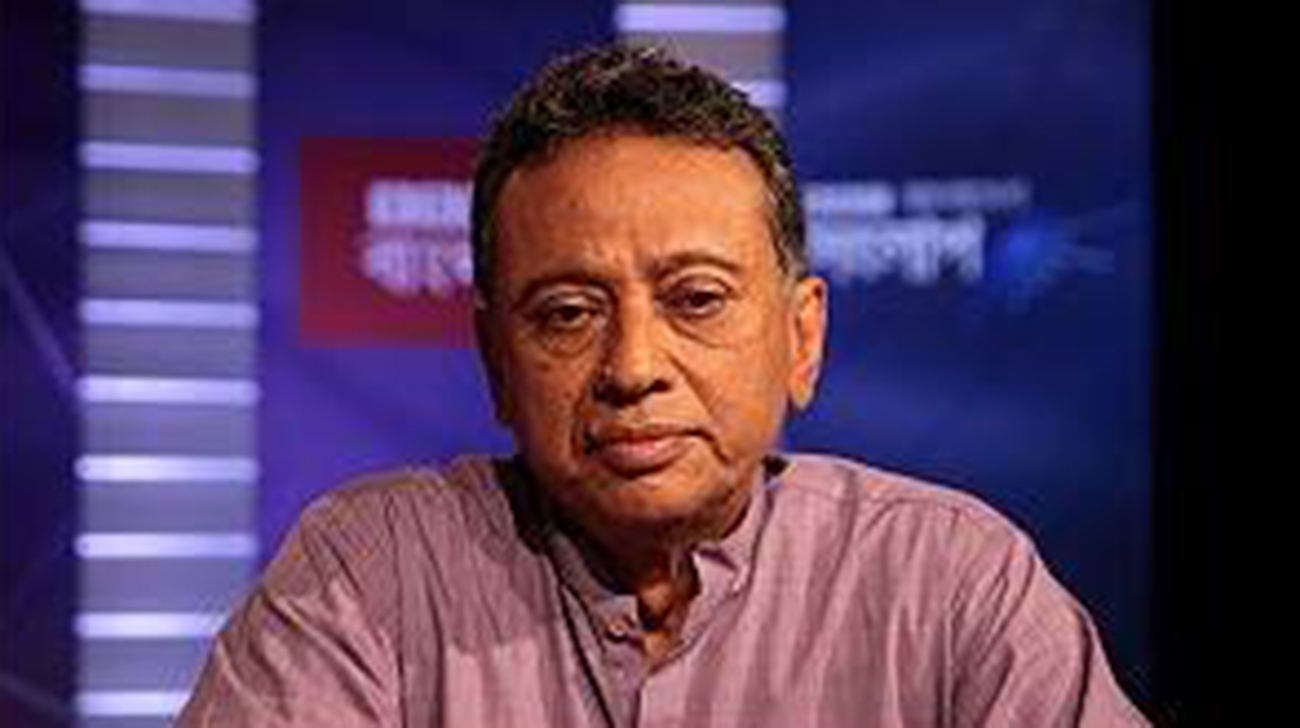
The governor underscored that Islamic banks must operate free from political influence and focus solely on service.
Notable attendees included Prof. Abu Bakr Rafique, Mufti Shahed Rahmani, Mohammad Manjure Elahi, and shariah representatives from Islami Bank Bangladesh, Al-Arafah Islami Bank, Standard Islami Bank, UCB, ICB Islamic, Jamuna, and One Bank.
 For all latest news, follow The Daily Star's Google News channel.
Comments