


Germany to impose levy on sugary drinks from 2028
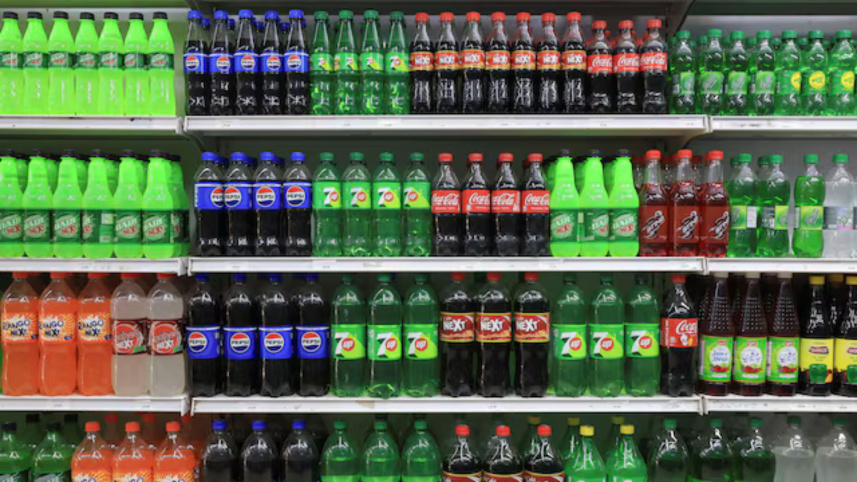
Germany will impose a levy on sugary drinks from 2028, as part of a broad healthcare reform package approved by the government on Wednesday, aiming to tackle rising rates of obesity and ease pressure on the health system.
An expected annual revenue of around 450 million euros ($526.5 million) is to flow into the statutory health insurance system rather than into the federal budget to fund prevention programmes, including workplace health promotion and community initiatives that benefit the wider population.

Details of the levy, including the rate or the design, are still under discussion.
The sugary drinks levy proposal follows mounting public and cross-party support for stricter measures against excessive sugar consumption and related illnesses. Daniel Guenther, state premier of Schleswig-Holstein and initiator of the proposal, told Reuters in March that "too much sugar makes people ill," and highlighted the strain on healthcare and the economy.
While Guenther's conservative CDU initially rejected the idea in February, backing has since emerged from within the party and from the Greens and Social Democrats.
A Forsa survey published in February showed around 60% of Germans support a levy on sugary soft drinks.
More than 100 countries, including about half of EU member states, tax sugary drinks, according to the World Health Organization. Studies in Britain and Mexico have shown such measures can cut sugar intake and help prevent diseases like diabetes.
 For all latest news, follow The Daily Star's Google News channel.


Comments