


Tax returns for SMEs
There are serious lapses in policies aimed at expanding the tax net, resulting in persistently low revenue collection and a weak tax-GDP ratio over many years. Numerous ad hoc measures have been introduced, but outcomes have fallen short of expectations. A striking example is the limited and ineffective taxation of medium and small business houses, traders and business establishments, excluding large corporates. Together, these may be termed SMEs.
Lack of transparency and accountability, weak financial reporting, inefficient tax administration and widespread corruption are the principal causes. Over the past two decades, the trade sector in metropolitan cities, district towns, upazilas and growth centres has expanded significantly. Per capita income has also risen, visible in improved living standards, especially outside major cities. Yet these trends are not reflected in tax collections.

Most SMEs do not maintain proper accounts or ensure transparent reporting. Taxes are often based on fixed sums or manipulated accounts, and the amounts paid are negligible. In many cases, liabilities are determined through informal negotiations between taxpayers and officials, sometimes facilitated by unethical consultants.
The question, then, is how to break this cycle in both the short and long term. There appears to be little research or structured policy work on this issue. Although there are four categories of return forms in the current system, there is no prescribed form tailored specifically to SMEs.
An SME tax return form should be distinct, incorporating key information such as annual turnover; purchases from recognised supply chains, producers and distributors; rental expenses; salaries and wages; electricity bills; city corporation and municipal taxes; total floor area of business premises, including warehouses; bank statements; and VAT returns where applicable. The status and lifestyle of owners and their family members are also relevant. Assets and properties declared in individual tax returns should be cross-checked against SME disclosures. A proper analysis of such data would provide a clear picture of business scale and performance.
As an initial step, where annual income exceeds a threshold, say Tk 1 crore, accounts, except for limited companies, should be prepared with the support and attestation of qualified accounting experts, not necessarily chartered accountants. In line with global practice, the Financial Reporting Council (FRC) and the National Board of Revenue (NBR) could determine eligible qualifications, including part-qualified CAs, CMAs and ACCAs. This would improve the quality of financial reporting among SMEs and strengthen revenue collection.
Based on these enhanced returns, income tax should be assessed using progressive slabs. Where reliable accounts are absent, minimum tax may be determined using objective indicators such as electricity consumption, a proportion of salaries and wages, recorded purchases and other reasonable yardsticks. Introduced initially as a pilot, this system could be refined and expanded over time. Digitalisation of accounting records is no longer costly. Many SMEs already use software to record transactions, yet such data often remain undisclosed when tax liabilities are assessed.
Some may argue that revenue from SMEs would not significantly affect overall collections compared with large corporates. However, beyond immediate revenue gains, a broader cultural shift is needed. Public apathy towards tax compliance must change.
No society or economy can develop without transparency, accountability and proper disclosure of business results, alongside meaningful participation by financially solvent citizens. Curbing corruption, if not eliminating it, must also be a priority. These reforms are essential if Bangladesh is to confront mounting economic challenges at a time when the global economy faces prolonged uncertainty.
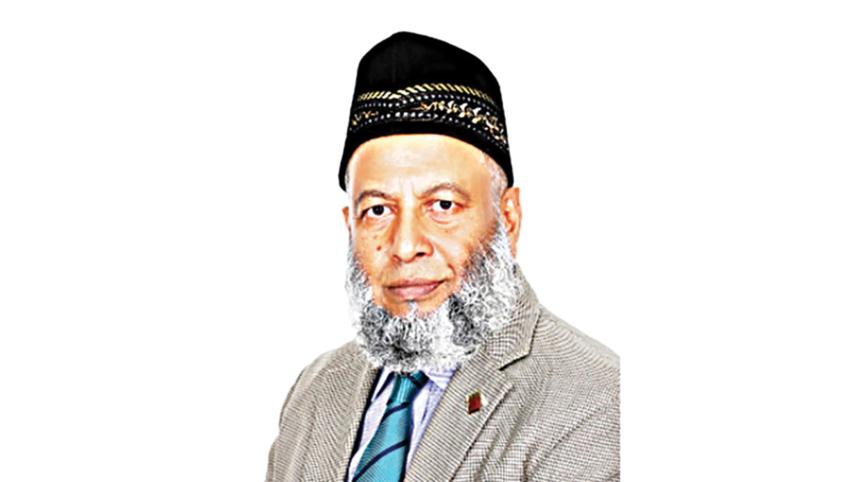
The writer is a senior partner of Hoda Vasi Chowdhury & Co and a past president of ICAB
 For all latest news, follow The Daily Star's Google News channel.
Comments