


Coronavirus Pandemic: UN for basic income to help the poorest

Nearly three billion of the world's poorest people should receive a temporary basic income to help slow the spread of the coronavirus, a United Nations body said.
 For all latest news, follow The Daily Star's Google News channel.
 As infection numbers spike in developing countries, measures to protect vulnerable populations are "urgently needed", according to a report released Wednesday by the UN Development Programme (UNDP).
Funding of $199 billion per month would provide 2.7 billion people with a temporary basic income and the "means to buy food and pay for health and education expenses", the report said.
The virus has brought havoc to the developing world where millions work in the informal economy with little access to government welfare or other support.
"Unprecedented times call for unprecedented social and economic measures," said UNDP Administrator Achim Steiner.
"Bailouts and recovery plans cannot only focus on big markets and big business. A Temporary Basic Income might enable governments to give people in lockdown a financial lifeline."
UN projections have warned the virus could kill 1.67 million people in 30 low-income countries.
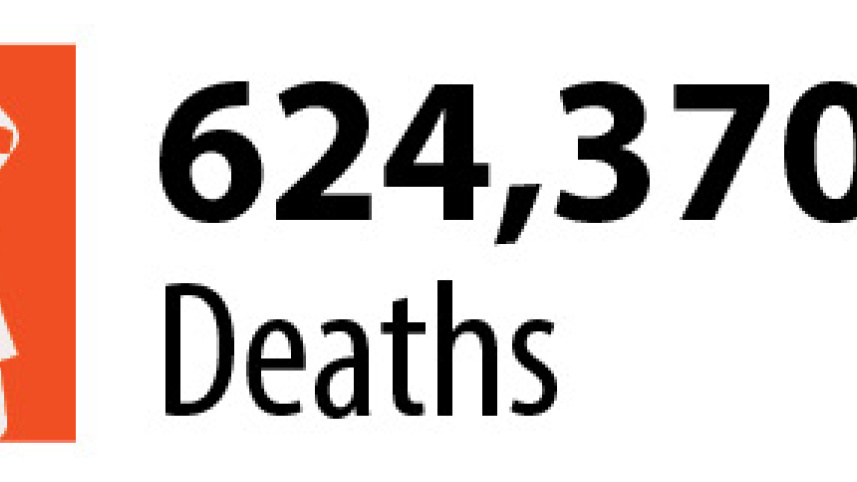
The UN call for helping the poorest came at a time when the pandemic has killed at least 627,307 people worldwide since it surfaced in China late last year, with more than 15.2 million people infected.
Europe yesterday recorded more than three million cases, as EU lawmakers examined a massive aid package for their pandemic-ravaged economies.
The continent now accounts for a fifth of the world's total cases and remains the hardest hit in terms of deaths, with 206,633 out of 627,307 worldwide.
The European Parliament was meanwhile examining a massive recovery package hammered out at a hard-fought summit that saw fiscally disciplined nations oppose huge aid grants to coronavirus-hit countries such as Spain and Italy.
The 750-billion-euro post-coronavirus recovery plan is tied with the EU's long-term budget.
EU chief Charles Michel said the total stimulus would reach 1.8 trillion euros ($2.2 trillion).
BELGIUM TIGHTENS MEASURES
Signs are emerging in many parts of the world that the virus quickly springs back when lockdown measures are lifted.
Australia, Belgium, Hong Kong and the Japanese capital Tokyo had all used restrictive measures to successfully beat outbreaks earlier in the pandemic, but all are now facing an upsurge in cases, reports AFP.
Belgium yesterday made masks mandatory in outdoor markets and busy areas. Anyone venturing out in Australia's second-biggest city Melbourne was also ordered to wear a mask.
"These measures are not advice, they are orders," Belgian Prime Minister Sophie Wilmes said of the move, which comes into effect on Saturday.
India reported a record jump of 45,720 in infections on Wednesday taking its total number of cases to 1.24 million, the health ministry said yesterday. The country also recorded 1,129 deaths for Wednesday, taking the death toll to 29,861.
India has the third-highest number of cases after the United States and Brazil.
More than four million cases have been recorded in Latin America and the Caribbean, half of them in Brazil. The region passed the bleak milestone as Brazil reported a daily record of 67,860 new cases Wednesday.
South Africa's Medical Research Council has reported a 60 percent increase in overall numbers of natural deaths in recent weeks, suggesting a much higher toll of coronavirus-related fatalities in Africa's worst-hit nation.
VACCINE PRICE
The US government has set a benchmark for Covid-19 vaccine pricing in a $2 billion deal announced on Wednesday with Pfizer Inc and German biotech BioNTech SE that will likely pressure other manufacturers to set similar prices, industry analysts told Reuters.
The deal, which is contingent on an approvable product, secures enough vaccine to inoculate 50 million Americans for about $40 a person, or about the cost of annual flu shots, and is the first to provide a direct window into likely pricing of successful Covid-19 vaccines.


Comments