


The day I understood what teaching kindergarten students truly means
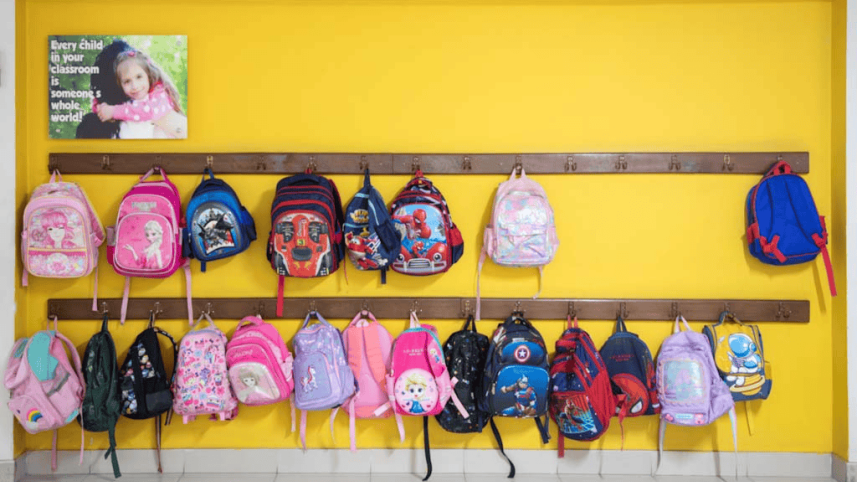
I remember my first day as a kindergarten teacher very vividly. I recall myself standing at the front of a classroom of 20 students, aged five to six, holding onto my lesson plan as my hands and my inner voice were shaking. Before I could even begin introducing myself, a child started crying while another refused to sit. A few others were distracted, while a handful of them were looking towards me, probably thinking, “Who is she? Why is she here?” In that moment, everything I had practised, prepared, and studied suddenly felt out of reach and sight, and all I could feel was my own nervousness slowly taking over.
This was not at all how I imagined my first day as a teacher would be. It was unpredictable, loud, and quite different from the classroom I had imagined. At first, every small interruption felt like a failure. When a child cried, I felt helpless because I’ve never been any good at consoling others. When they lost focus within minutes, I questioned my ability to hold onto their attention and even asked myself, “Are my classes really that boring?” I was no longer worried about forgetting my lesson or even making a mistake. I was worried about whether I was capable of teaching them at all. The thought that they might not accept me weighed heavily on me.

But slowly, something began to shift.
One day, instead of trying to continue the lesson while a child was bawling his eyes out, I paused. All I did was kneel down, hold him close, and speak softly. And somehow, the child softened. Slowly, I started figuring out what worked for me when a child had a tantrum. The classroom, which once felt overwhelming to me, slowly started to feel a little homely.
I started to realise that teaching kindergarten students is totally the opposite of delivering perfect lessons. It’s actually about responding to moments and living and handling those little chaotic experiences. So, I decided to adapt myself to the situation. I turned lessons into visual explanations and used fun activities instead of strict instructions. I even allowed the children to move, laugh, jump, and have their own little fun time.
But there were also difficult days when I felt completely unprepared for how unpredictable things could be on that day. Days when nothing seemed to go as planned. But there were also moments of connection that made my efforts worthwhile, be it a child answering a question with excitement, simply giving me a big smile, or even running to me and hugging me every time they saw me. And those little moments stayed with me long after the classes ended.
With time, the classroom stopped feeling like a place of tests and exams and began to feel like a place of growth and comfort. The children slowly began to respond to my presence and even started to look for me on days I was absent. While my nervousness did not entirely disappear, it did begin to quiet down. It became more workable, a little calmer, almost like a reminder to stay attentive and present rather than to live in constant fear of messing up. I learnt that it was okay not to have full control over the kids I was teaching and that unpredictability was just a part of the job.
Looking back, I realise that those early moments of fear were not signs of failure, but the beginning of understanding what teaching kindergartners truly means and is about. In a room full of tiny voices and endless energy, I did not just learn how to teach; I learnt how to grow, which helped me with my patience.
Teaching is a journey, and confidence is something that develops along the way. What once felt intimidating has now become something I genuinely enjoy and look forward to every morning with a lot of love, hope, and happiness.
Nabiha Bint Haroon is an English Literature graduate from North South University with a passion for writing and storytelling. Reach out to her at nabihabharoon@gmail.com.
 For all latest news, follow The Daily Star's Google News channel.
Comments