


Europe braces for more curbs
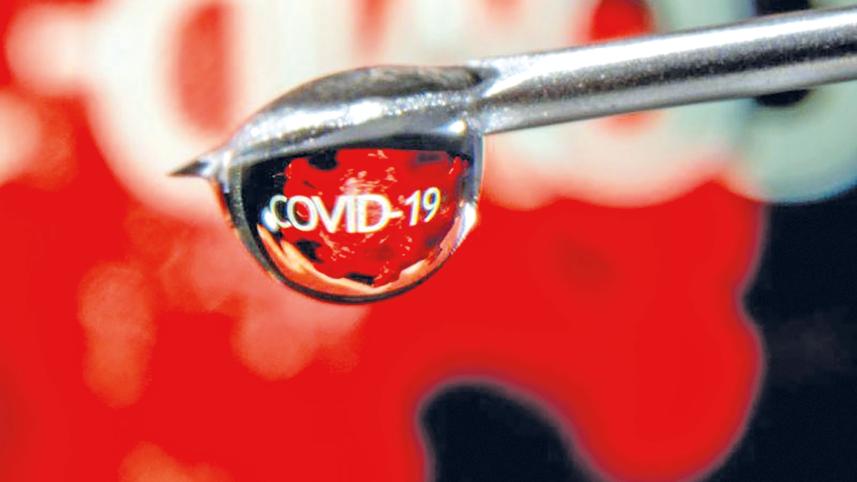
The Netherlands yesterday became the latest country to announce stricter measures as Europe braced for more curbs to rein in the spread of the new strain of the coronavirus fuelling a resurgence in Covid-19 cases worldwide.
EU chief Ursula von der Leyen has warned the Omicron coronavirus variant could be dominant in Europe by mid-January.

Many countries have decided to reintroduce travel restrictions and other containment measures since it was first detected in South Africa last month.
"With regard to the acceleration of the pandemic, and the risks related to the end-of-year festivities, authorities should impose significant restrictions," France's scientific panel said.
And Paris municipal authorities announced "with regret that we will have to cancel all the festivities planned on the Champs Elysees on December 31.
"The fireworks will not take place, nor unfortunately will there be any DJ sets," the mayor's office told AFP.
On Friday, Germany designated France and Denmark as high risk zones, and said it would impose quarantine on unvaccinated travellers from its two neighbours, starting from Sunday.
In Ireland, bars and restaurants will have to close from 8:00 pm from Sunday until January 30, prime minister Micheal Martin announced.
Denmark, which this week had the highest per capita new Covid infection rate, said it would close cinemas, theatres and concert halls and restrict restaurant opening hours.
And Switzerland is also stepping up anti-Covid measures from Monday as the country battles an intense fifth wave of the virus, which has killed at least 5,335,968 people since the outbreak emerged in China in December 2019.
The Dutch govenrment is scheduled to hold an emergency meeting in the afternoon after its team of expert scientific advisers recommended new restrictions to rein in Omicron, media reports said.
A number of countries are opening up their immunisation drives to younger children, even though the EU's health agency has warned that jabs alone will not be sufficient to stop the variant's rise.
Nevertheless, the EU health agency ECDC has said measures like mask-wearing, distance working and the prevention of crowds were essential to reduce the burden on healthcare systems in the time available, with vaccines alone taking too long.
 For all latest news, follow The Daily Star's Google News channel.
Comments