


The fading echoes of jatra

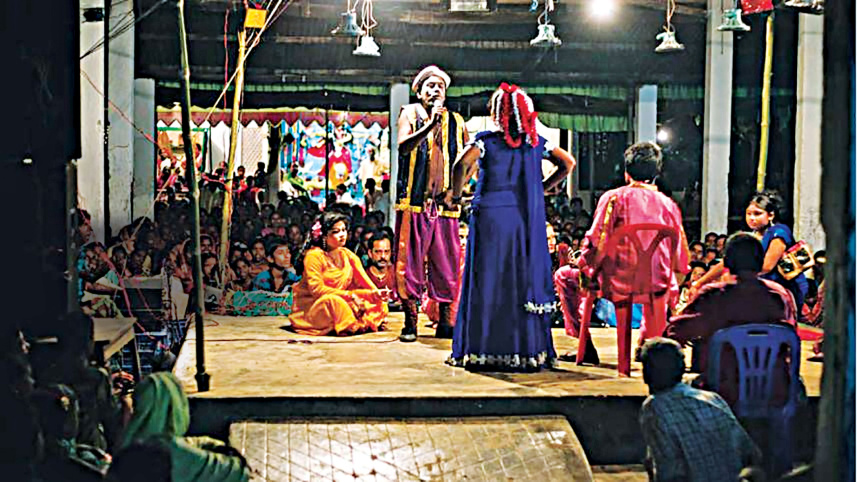
“Hoi hoi kando, roi roi byapar… odyo rajaneer bishesh akarshan!” (An exciting, sensational affair… a grand spectacle awaits tonight!)
The announcement would ring out through rural neighbourhoods as a canvasser walked briskly with a portable loudspeaker, locally known as a hand-mike, inviting villagers to the night’s jatra (folk theatre) performance.

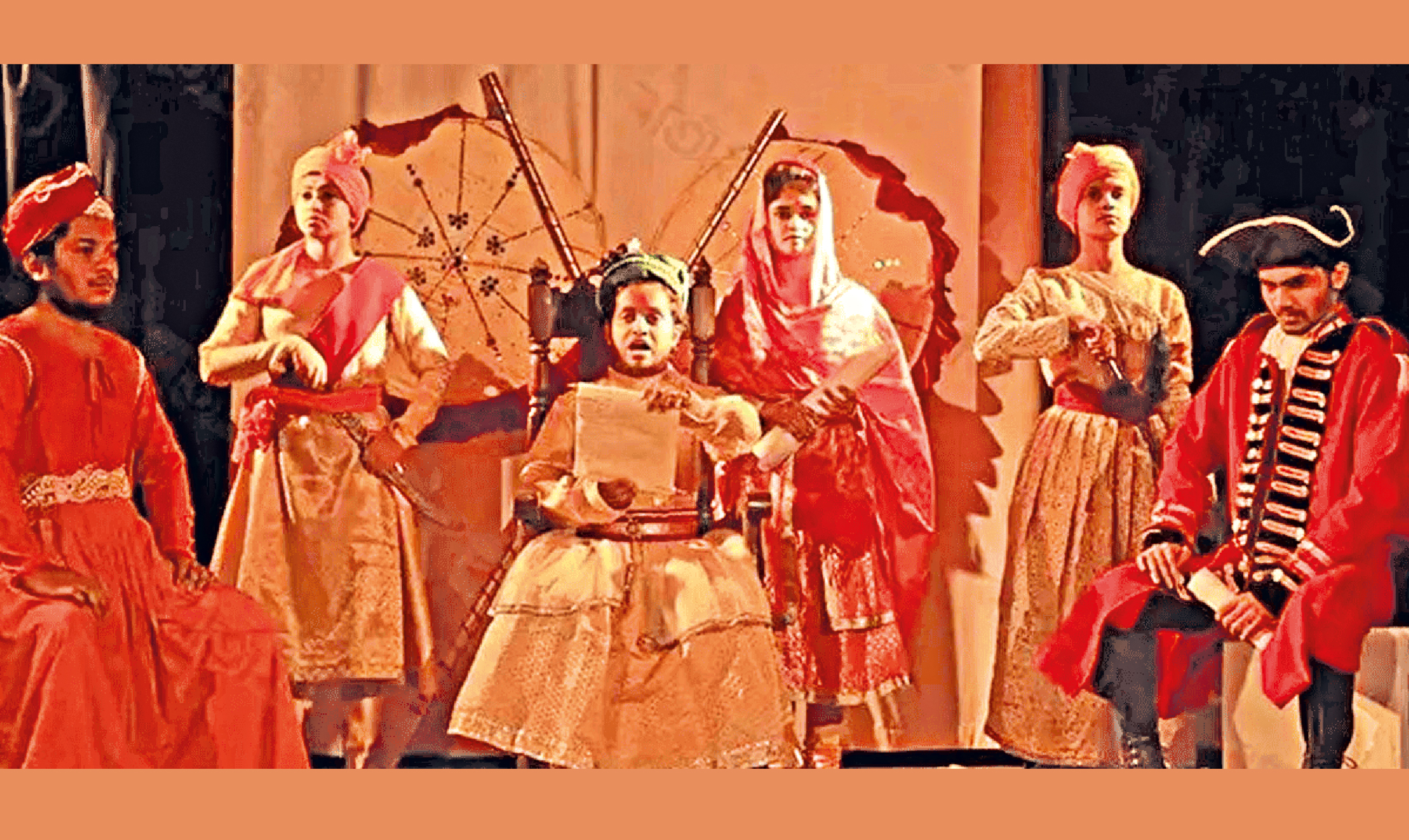
For generations, jatra was an integral part of rural Bengal’s cultural life. After the autumn harvest, as winter gradually set in, villagers would gather in their hundreds for night-long performances on empty paddy fields, school grounds and village centres, where makeshift stages were decorated in vibrant colours.
Today, those scenes seem like distant memories.
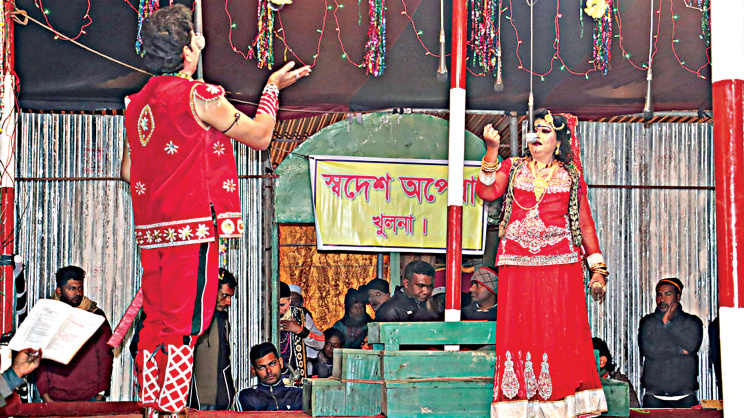
Once a cherished form of entertainment, jatra has gradually lost its appeal amid the rise of digital media, declining social recognition for performers and financial uncertainty.
For veteran theatre artiste Shipra Chowdhury, memories of jatra’s golden era in Chattogram during the 1980s remain vivid.
“In mid-1982, acclaimed theater director Pranab Kumar Dasgupta decided to produce two jatra plays in Denga Para village under Chattgram’s Patiya upazila and invited me to perform,” she said.
“Jatra performances are structurally quite different from theater, so I was confused. Pranab da reassured me, and I went with our troupe to Denga Para, where a massive stage had been set up. I played the central female roles in both productions -- Sabitri in ‘Maa Mati Manush’ and Sita in ‘Abar Bonobase Sita’. That was my only experience of performing in jatra, but the passion of the crowd there… those powerful dramatic sequences and the uproar that followed… those are unforgettable,” Shipra recalled.
Jatra was not confined to villages. Shipra said performances were regularly staged at venues such as the Chattogram Muslim Institute Hall from the 1980s and continued intermittently until the mid-1990s, before gradually disappearing from urban cultural life.
Sagar Sen, a private-sector employee, also remembers watching jatra in his childhood village of Dhalghat in Patiya during the 1980s.
“During festivals and Pujas, the entire village gathered at the school ground to watch night-long live performances. The joy was elemental, unvarnished,” he said.
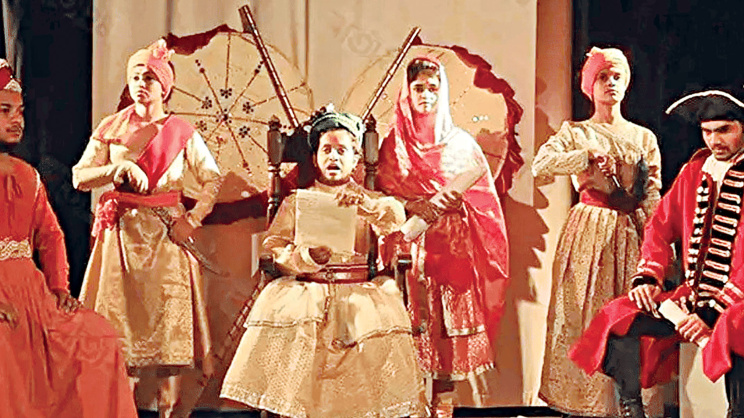
Chattogram holds a significant place in the history of jatra in Bangladesh, particularly through Babul Opera, founded in 1958 by Amin Sharif Chowdhury.
An adaptation of Babul Theatre, Babul Opera introduced female performers alongside male actors in 1960, challenging a longstanding tradition in which men dressed as women to portray female characters.
Renowned theatre personality Amalandu Biswas served as its director, while artistes such as Jahanara Begum, regarded as the country’s first Muslim female jatra artiste, and Manjushree Mukherjee became prominent performers.
Manjushree, who debuted as the first formal female lead, went on to perform across the country during a career spanning 34 years.
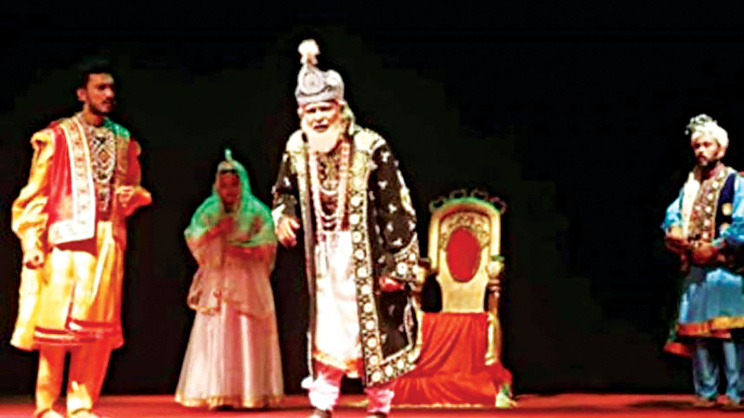
Historical accounts describe Babul Opera’s mid-20th-century performances at venues such as Jashore Town Hall as productions marked by artistic excellence and emotional depth, without the vulgarity that later became associated with some jatra shows.
But the art form’s decline gathered pace after the 1980s.
Artistes blame social neglect, financial insecurity and safety concerns for its dwindling popularity.
Shipra said jatra performers were never given the recognition they deserved.
 For all latest news, follow The Daily Star's Google News channel.
 “Performers were neglected and deprived of the respect they deserved as artistes, which prevented the younger generation from being drawn to the art form,” she said.
Irregular performances made it difficult for artistes to earn a living, while negative campaigns against jatra exposed performers to harassment and physical attacks in some areas, she added.
Sagar believes the shift away from traditional storytelling contributed significantly to its decline.
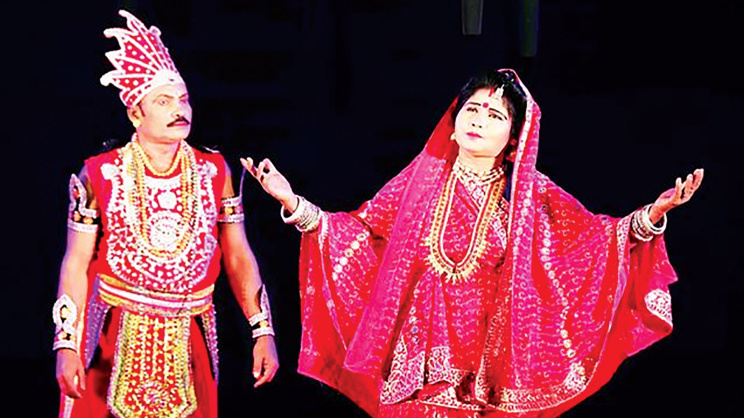
“Earlier, performances depicted traditional folk and historical narratives like Laili-Majnu, Rupban, and Nawab Sirajuddaula. Since late 1980’s, such narratives were replaced by various forms of vulgarity and obscenity that crept into jatra performances, initially in a bid to attract audience. However, it instigated unwarranted controversies and negative campaigns against jatra gained momentum, from which this traditional folk theater could never recover,” he said.
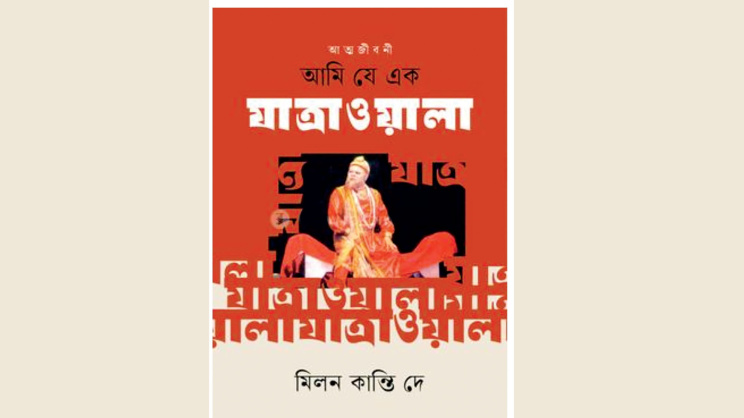
The jatra community also lost one of its most influential figures this year with the death of Milan Kanti Dey (1948-2026), who died aged 77 on February 7.
A Bangla Academy Literary Award winner, Milan was a playwright, director, actor, researcher and university instructor who played a pioneering role in jatra in Chattogram and across Bangladesh.
His autobiography, Ami Je Ek Jatrawala, remains the only autobiographical account by a jatra artiste in Bangla literature.
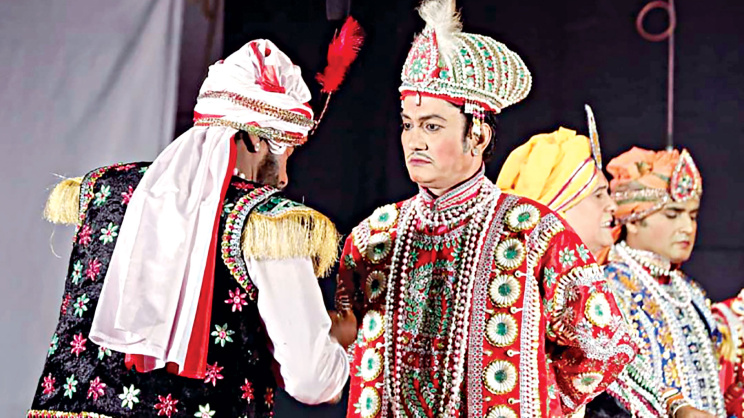
Despite its decline, jatra retains a loyal audience in some rural areas, including parts of the Chattogram Hill Tracts.
Organisations such as the Bangladesh Shilpakala Academy and Jatra Shilpa Unnayan Parishad continue to organise festivals and other initiatives, with government support, to preserve the tradition.
The Ministry of Cultural Affairs introduced the Jatra Industry Development Policy 2012 to revive rural cultural traditions, establish formal registration for troupes and streamline permission procedures for performances.
Syed Ayaz Mabud, cultural officer at the Chattogram District Shilpakala Academy, said government initiatives had helped the struggling industry.
“Under the Jatra Industry Development Policy 2012, troupes scattered across the country have been brought under formal registration,” he said.
“Every year, the Shilpakala Academy organises central festivals featuring these registered troupes. Furthermore, the list of registered troupes is forwarded to district magistrates so local administrations can ensure full security whenever a troupe stages a performance,” Ayaz added.
Yet artistes say these initiatives remain insufficient to revive jatra.
With too few performances to sustain a livelihood, many artistes now pursue jatra out of passion or alongside other occupations.
They also say government financial assistance remains inadequate. Although veteran performers are eligible for allowances, bureaucratic delays and alleged irregularities often prevent deserving artistes from receiving support.
For an art form that once brought entire villages together on winter nights, survival now rests on scattered performances, devoted artistes and efforts to preserve a fading cultural tradition.
Comments