


Choosing peace over pace

"Time is money" -- this capitalist anthem has forced us, the modern world citizens, to optimise and monetise every second of our waking hours. We compute our accomplishments quantitatively, without regard for the quality of the task done.
I think this mindset is all about the notion that faster is always better. Our contemporary lives are like one big checklist, and all the boxes need to be ticked off as quickly as possible, or else you fall behind in the invisible race you are in against your social circle.

However, many urbanites are giving up on the dizzying rush to meet endless deadlines for a more intentional way of being, for a deeper, more meaningful life and career. There is a wave of philosophical shift in our social and cultural mindset, whereby we are opting to take the pace of our lives a notch down and do everything at the right speed.

Appreciating life's subtle nuances and cherishing our inner fulfilment, the "slow philosophy" advocates for peace over noise and quality over quantity. Slow food, slow fashion, slow travel, and ideas of slow living are part of the Slow Movement, a global trend that recalibrates our lifestyle, prioritising mindfulness.
'Slow movement is not about doing everything at a snail's pace'
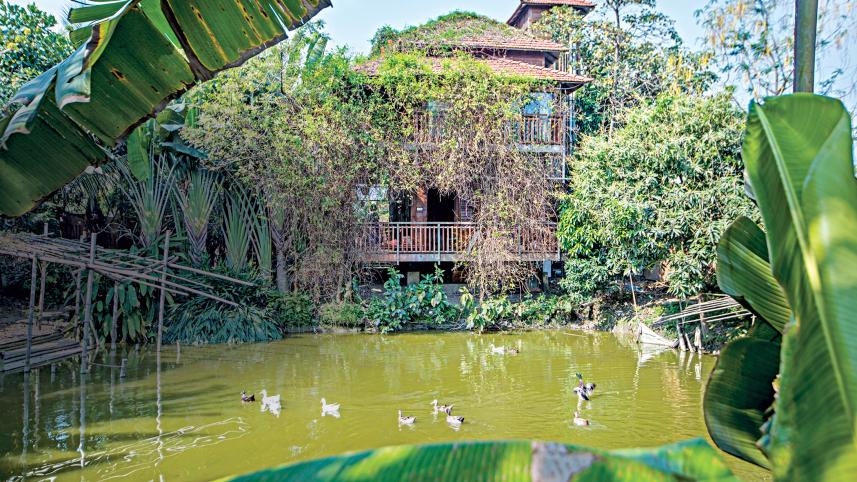
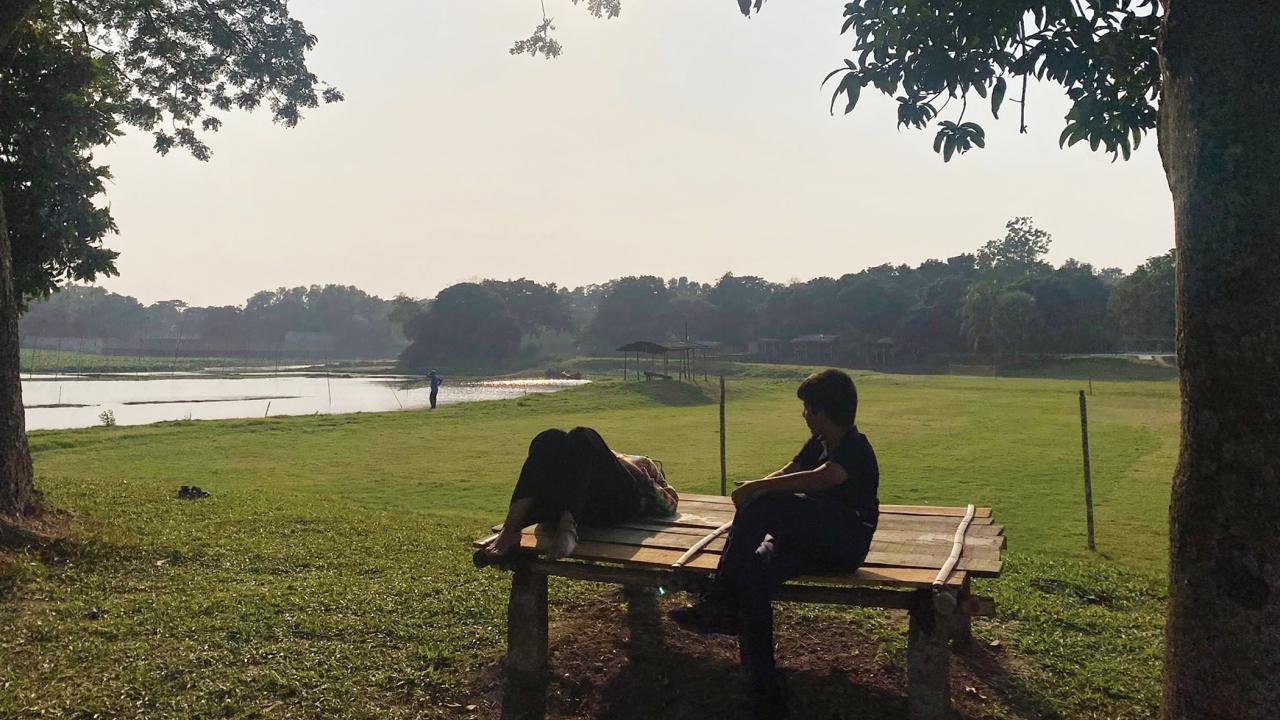
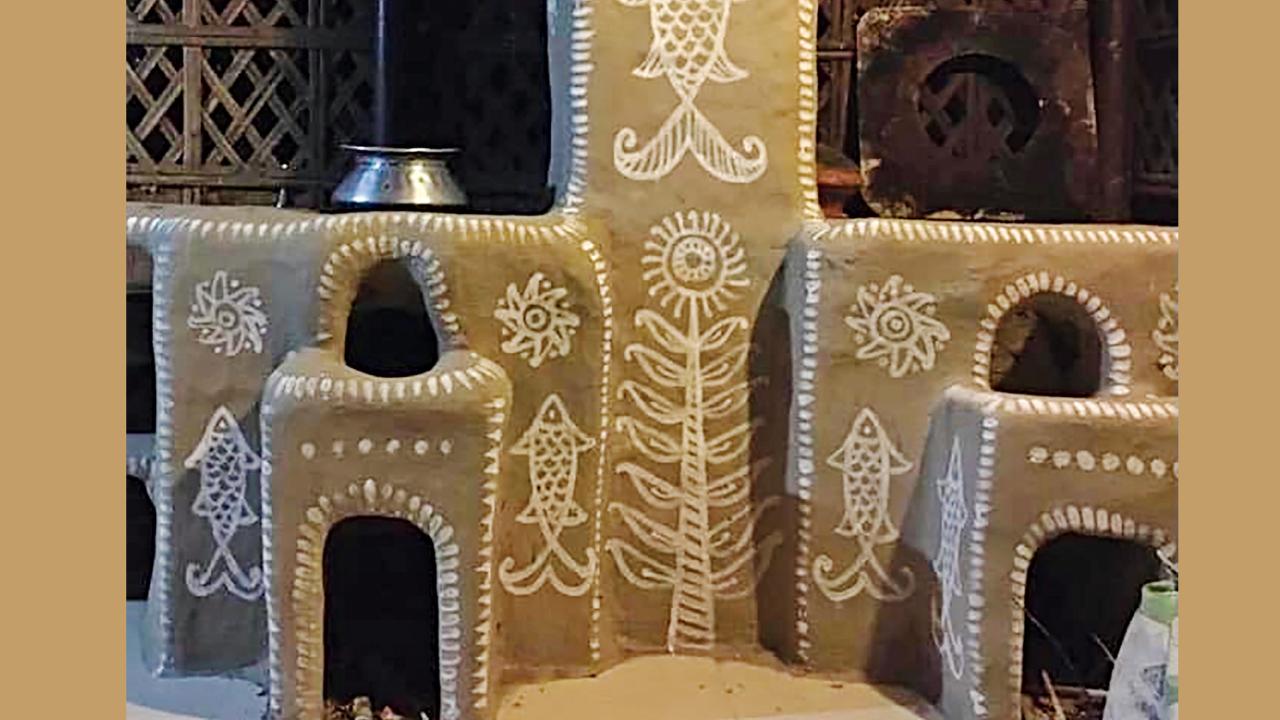
Ishrat Jahan, the creative head of the local clothing brand Deshal, lives a fairy-tale life. Idling among her red lotuses in her pond, taking cues from nature's colour palette for her clothing line, cooking on clay stoves and ovens, and promoting local and traditional cuisine, she has turned her life into one massive immersive experience where haste has no place.
Ishrat lives a fulfilling life because, for her, finding joy and the right tempo for each task she undertakes is the core of her slow-living mindset.
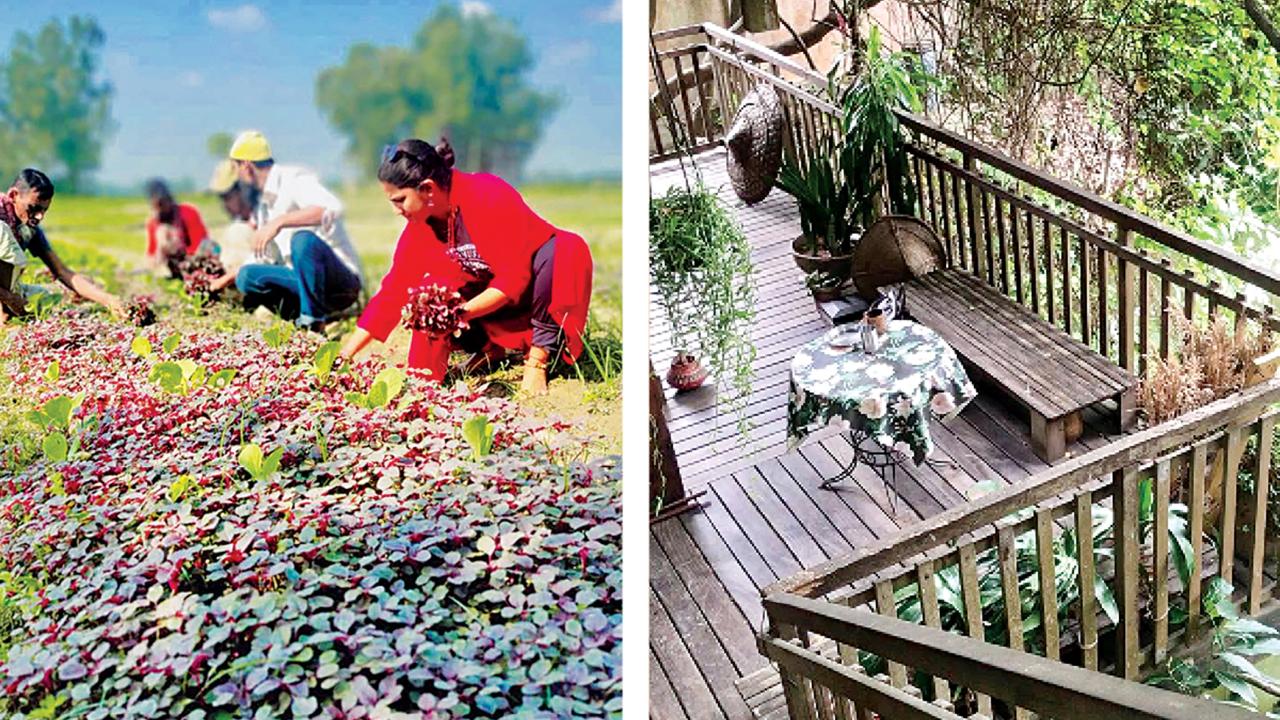
"Some mornings I sit with a paintbrush, some afternoons I spend reading books, and some evenings I enjoy chatting with my friends. My work area is also in this village. It is only a ten-minute walk away. So, I am not forced to go into the hustle and bustle of the city. I live a secluded rural life, carefully avoiding urban life, where I do not have to rush around. That's why I built a wooden house amid greenery on the outskirts of Dhaka, allowing me to enjoy the best of the setting," she says.
"The city has lost its ability to inspire me. Even as a child, the romance of Dhaka was lost to me. Yet I would say that something held me back -- something like the resilience of a horsetail sapling growing through the cracks of an old wall, maybe. Though I spent a large part of my life in the city for school, university, and career purposes, my objective was always to escape from the city and find my address in nature," Ishrat explains her family's choice of slow living.
To lead a mindful life, you don't have to leave the metropolis to avoid the urban chaos. "I am moving away from the circumstances that dictate my tempo; instead, I am aligning with a more purposeful and deliberate approach to life. This conscious choice to let go of the need for constant rush and stimulation in every aspect of my life is liberating," says NB Mansoor, who left her corporate job to pursue her passion by setting up an artisanal crafts shop.
"Being stuck in traffic to keep four appointments a day, giving up weekends to prepare a presentation, compromising on me-time or family time was not exactly my idea of success. My awareness of the change in my mindset and surroundings has relieved me of my achievement fatigue and dissatisfaction with life," Mansoor continues.
'Practising the slow movement must come from within'
I find Faiza Ahmed's ideology, her appreciation for peace over noise, to be an earthy tribute to intentional living. She is an artist who passionately endorses the slow movement, mindful consumption, and environmental consciousness.
"My childhood in the late seventies in Dhaka was a time when the simplicity of life left us satisfied; slow-paced lifestyles, sustainable living, and organic food were not trending social media hashtags but a regular way of life," says Faiza, who is an inspirational eco-thinker.
 For all latest news, follow The Daily Star's Google News channel.
 She strongly believes that to truly follow the slow-living concept, you need to own it, accept the simplicity, and be comfortable with the choice.
"My happiness is a projection that people like, but they cannot copy it unless they own it from within. These practices cannot be copied or faked. Succumbing to peer pressure and fad hashtags will not work," she says, adding that this feeling cannot be a statement; it must be integrated into your lifestyle.
"Nature will not betray me. I do not fancy overfed cattle or hormone-induced chicken. I do not want my vegetables to be big in size. I would rather have my pui shak leaves nibbled by insects because that means the ecosystem and food chain are in order. I use alloy kasha pots and pans and bamboo blinds as curtains. I save energy by not opting for electronics. It saves me money and helps me promote my sustainable living style," Faiza continues.
She promotes slow fashion through her venture, Manas, and her vegan restaurant, Shanchayita, promotes sustainable food and living.
As urbanites, we have an insatiable drive for recognition. It feels like we are always in a chase to outdo our peers or suffer from a sense of dissatisfaction and unfulfilment. The second best has no chance in this hustle culture or fast-paced living.
"We are in a constant adrenaline high, targeting an ambitious life. It turns our life into one big ledger book of assets, liabilities, income, and expenses. Rather, life should be about a job well done and finding pleasure in doing it," Faiza explains.
"Dhaka's old, quaint neighbourhoods with friendly neighbours, where the afternoons were filled with laughter and the happy noise of children playing hide and seek in the narrow lanes -- I want to recreate that peaceful childhood lifestyle for my son. I have decidedly chosen to continue the long-winded slow living," she says.
Being on the same page with her, Mansoor says, "I no longer stress over what I could not achieve but celebrate what I have done and how much I have learned from life's experiences. I am in competition with no one. I do one thing at a time and enjoy my achievement."
After such thoughtful and sensible examples, I have decided to take everything in easy stride, for I finally realised that valuing myself gives me the peace of mind I was always looking for.
Someone once told me to tackle one war a day, to enjoy one win a day; I now think it was sound advice. It's time to put it into practice.
Comments