


Living outside the four walls
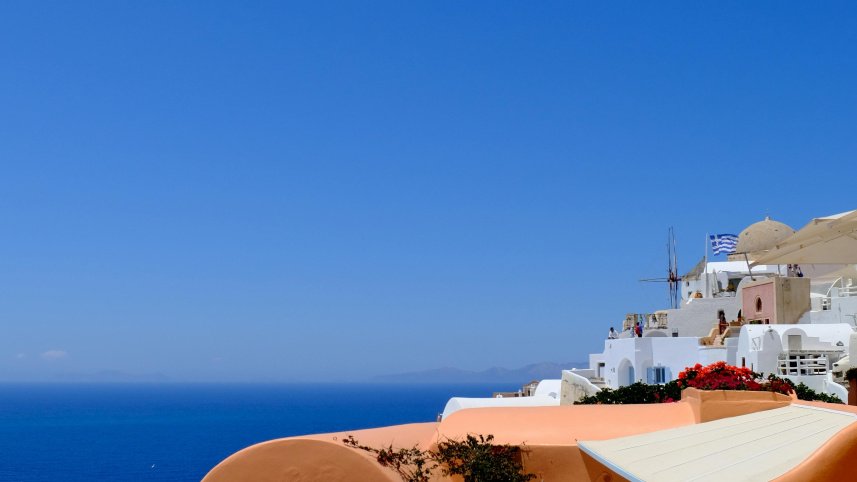
For most of us, a home means four walls, a roof, and a front door. Yet across the world, people have built homes that float on water, disappear beneath the earth, cling to cliffs, and emerge from ancient caves. These unusual dwellings are not simply architectural curiosities; they are solutions born from geography, climate, culture, and necessity.

1. Dutch Floating Houses
As much as a third of the Netherlands lies below sea level, making it one of the world's most flood-vulnerable countries. Rather than continuously building higher walls against the water, Dutch architects developed floating houses, fully functional homes designed to rise and fall with changing water levels.
The Design & Why It Matters
One of the most famous examples can be found in Amsterdam's IJburg district, where entire neighbourhoods float on the water. These homes sit on hollow concrete foundations that act like giant pontoons. Steel guideposts anchor the houses in place, allowing them to move vertically while preventing them from drifting away. Utility connections such as electricity, water, and sewage are attached through flexible pipes and cables that adjust as the house rises and falls. Unlike conventional buildings that view floods as a disaster, floating houses treat water as part of everyday life. During storms or periods of high water, the homes simply move upward with the rising water level before settling back down when conditions return to normal.

2. The Cave Homes of Setenil de las Bodegas
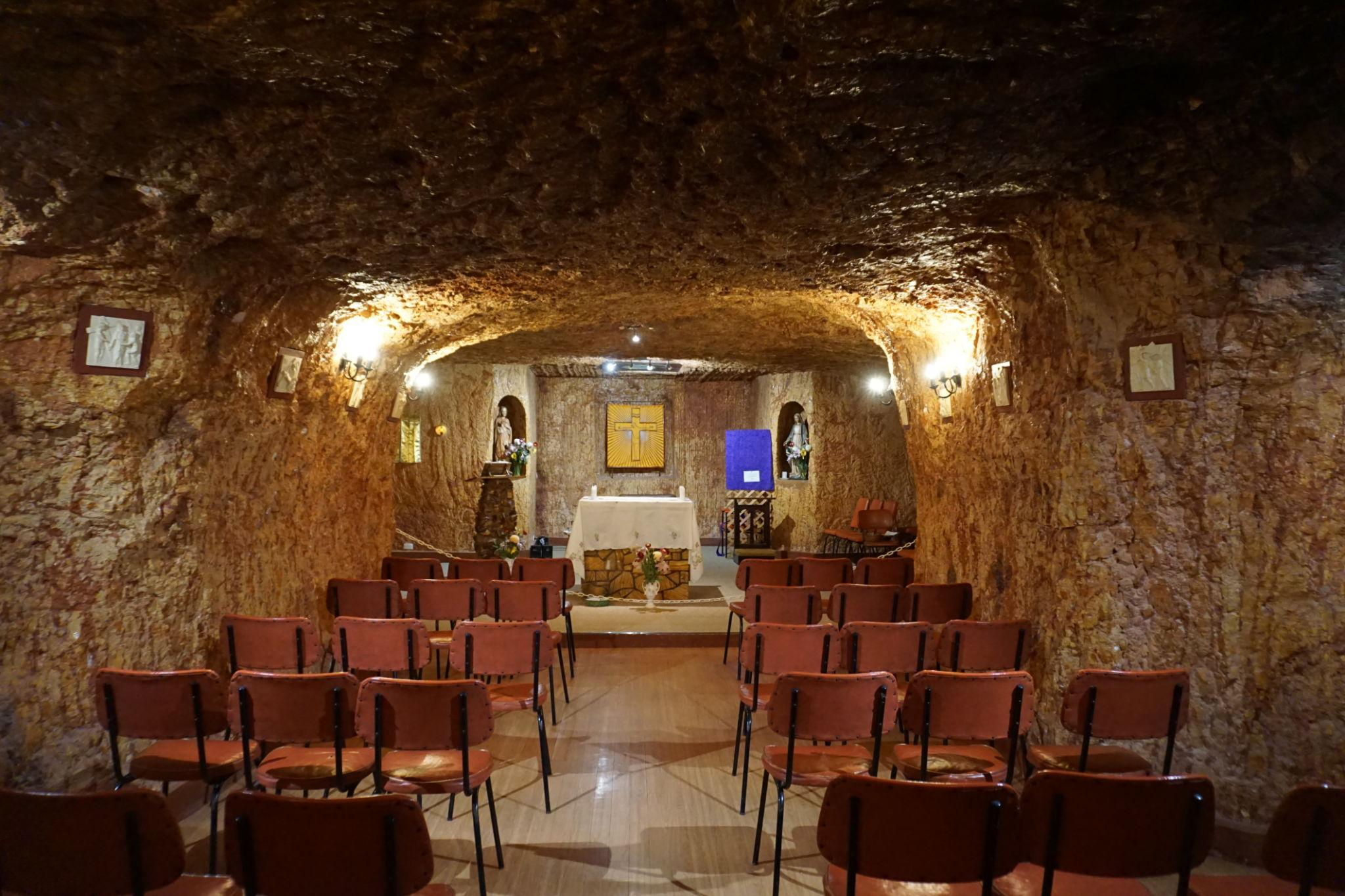
In the rugged hills of southern Spain lies the town of Setenil de las Bodegas, where homes are not built on the landscape, they are built into it. For centuries, residents have lived beneath enormous rock overhangs, creating one of the world's most unusual settlements. Here, nature is not merely the backdrop of daily life; it is part of the architecture itself.
A Town Beneath the Stone
Gigantic rock formations stretch over streets, cafes, and homes, creating a dramatic landscape where human construction and geology appear inseparable. What began as a practical solution centuries ago has become one of Spain's most iconic architectural wonders.
The massive stone formations do more than create a spectacular view. Thick layers of rock absorb heat slowly during the day and release it gradually at night, helping interiors maintain a comfortable temperature throughout the year. Long before the invention of air conditioners, the people of Setenil had already discovered an effective form of passive climate control.
3. The Cliff Homes of Santorini
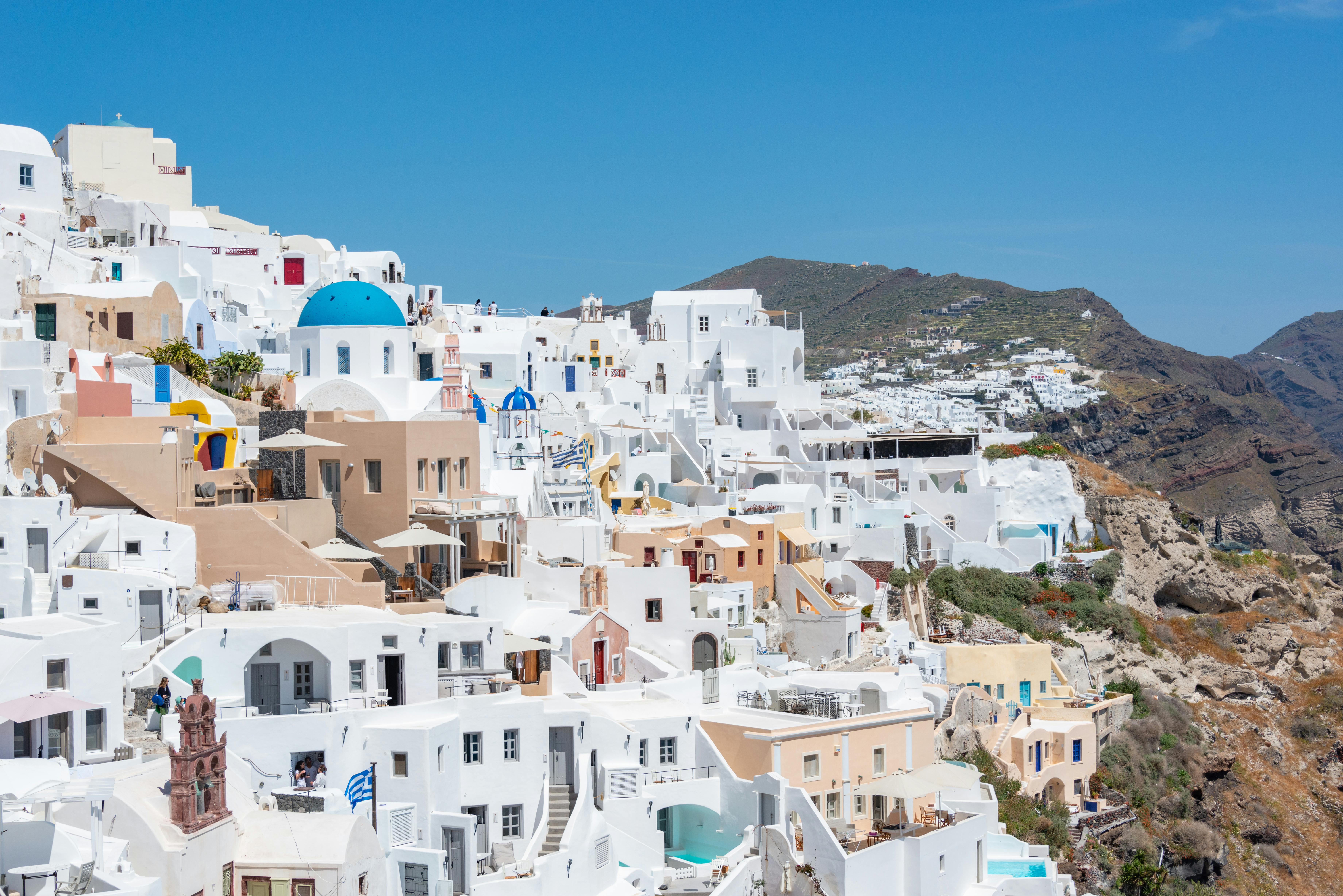
Perched high above the sparkling waters of the Aegean Sea, the cliff homes of Santorini appear to defy gravity. Clinging to the edge of a volcanic caldera, these whitewashed dwellings have become one of the most recognisable architectural landscapes in the world. What began as a practical response to a challenging terrain has evolved into an enduring symbol of harmony between architecture and nature.
Life on the Edge
Santorini's houses are carved into steep volcanic cliffs. Their terraced arrangement allows each residence to enjoy sunlight, ventilation, and panoramic sea views without obstructing its neighbours. From a distance, the buildings seem to cascade down the mountainside like a waterfall of white stone.
4. The Underground Homes of Coober Pedy
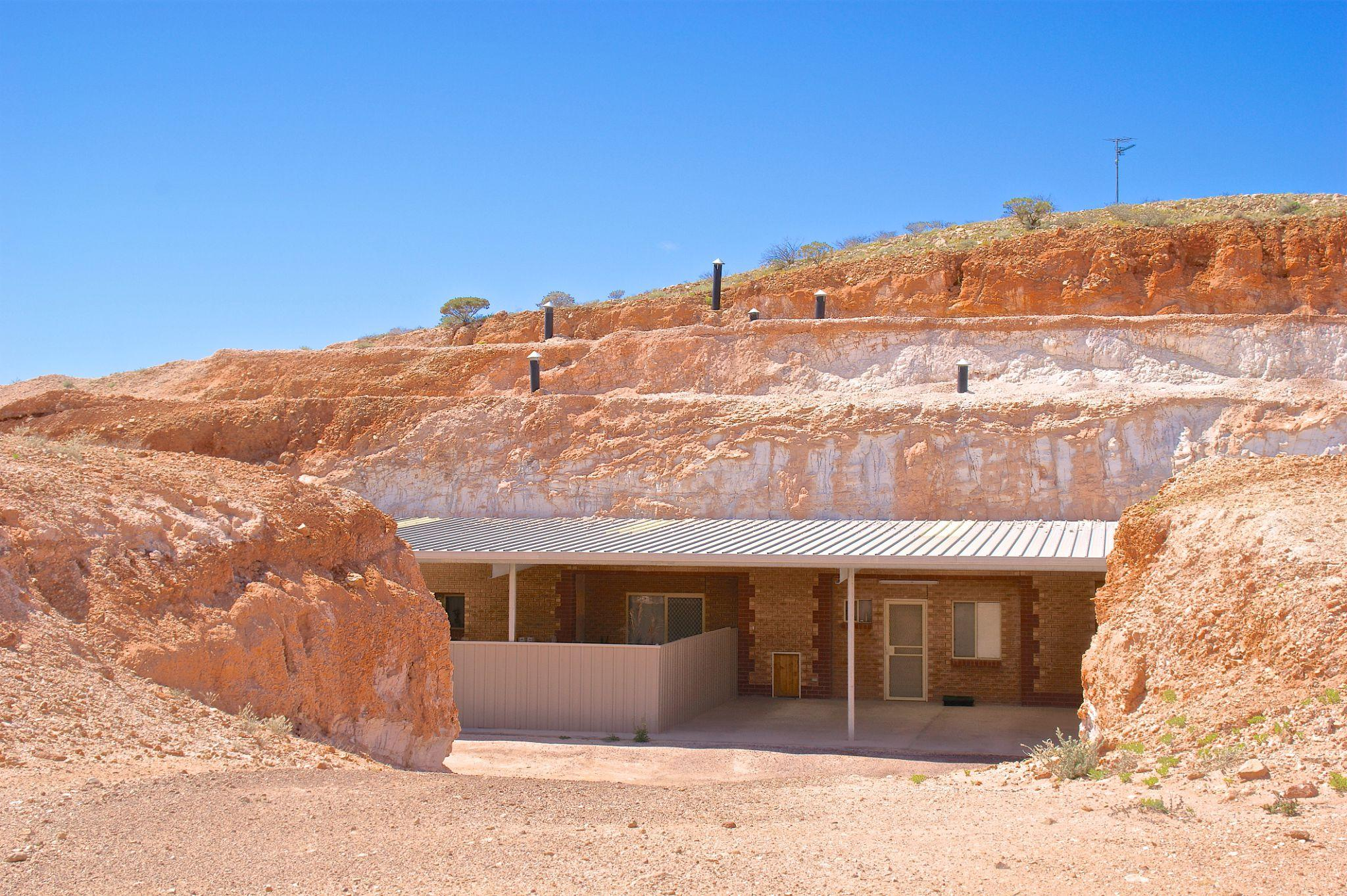
In the heart of the Australian Outback lies Coober Pedy, a town where many residents live almost entirely underground. At first glance, the landscape appears barren and deserted. Yet beneath the sun-scorched earth exists a hidden community of homes, churches, hotels, and shops carved directly into the rock.
A Town Beneath the Desert
Coober Pedy is one of the hottest inhabited places in Australia, with summer temperatures often soaring above 40°C. To escape the relentless heat, residents began excavating "dugouts" into the sandstone hills while mining for opals. Over time, these underground shelters evolved into comfortable homes complete with bedrooms, kitchens, and living spaces.
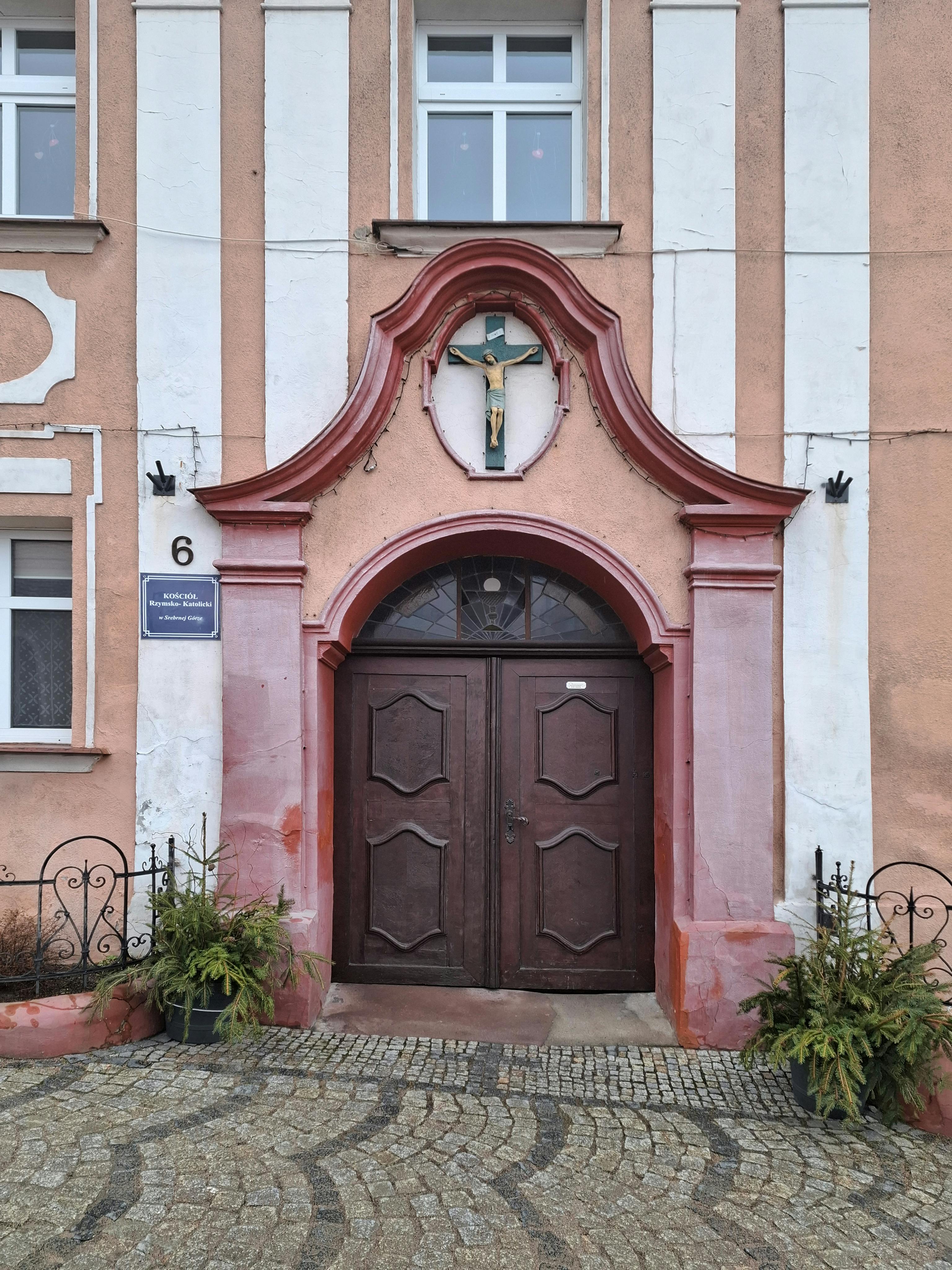
5. The Church Home of St. Jakub
For centuries, churches were designed to inspire awe. Few people imagined that one day they would also become family homes. Yet in the Dutch city of Utrecht, the former St. Jakub Church has been transformed into a remarkable residence, proving that architecture can find new life long after its original purpose has faded.
A Home Among the Arches
Rather than demolishing the historic structure, architects preserved many of its defining features. The soaring vaulted ceilings, stained-glass windows, and towering arches remain intact, while modern living spaces have been carefully inserted within the vast interior. The result is a home where centuries of history coexist with contemporary design.
 For all latest news, follow The Daily Star's Google News channel.
Comments