


Hiring an interior designer?
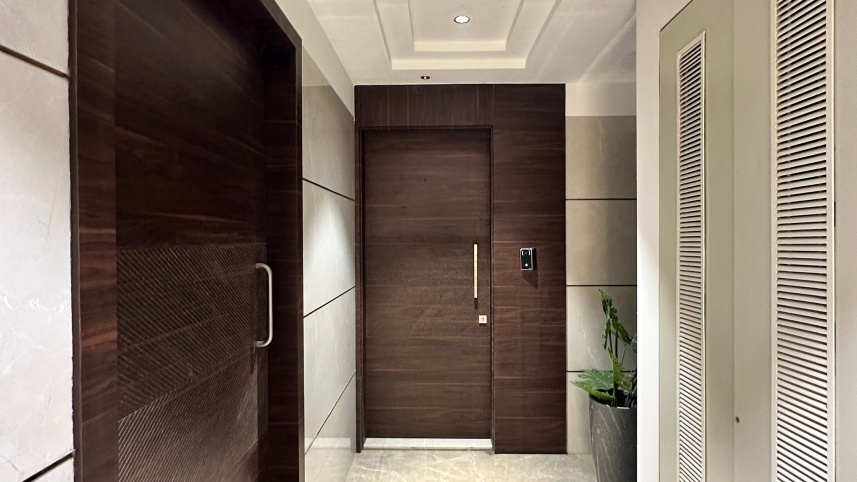
Building or renovating a home is one of the biggest investments most people make in their lifetime. A beautifully designed space can elevate daily living, improve productivity and even increase property value. Whether you are planning a new home, renovating or redesigning any space, understanding the fundamentals of professional design can save time, money and frustration.
According to experts, most of these problems can be avoided long before construction begins. For those navigating the complex landscape of home improvement, Architect Musfika Bhuiyan and Samira Akter from Studio Okkho offer a perspective on how to turn a vision into a functional reality.
When to start
One of the most frequent mistakes homeowners make is hiring an interior designer only after the construction work is already completed. By that stage, walls are built, and electrical points are fixed.
"The ideal time to involve an architect or interior designer is before construction begins or while it is still under construction," explain the experts. When designers are involved early, the construction team can execute work efficiently, avoiding the need to break walls or relocate electrical lines later; modifications that significantly increase both time and cost.

Know your needs as well as your style
While social media inspiration is helpful, functionality must always come first. Before hiring a professional, homeowners should evaluate their actual lifestyle—considering factors like age, profession, daily routines, and long-term needs. A design that prioritizes aesthetics over how a space is truly lived in will eventually become inconvenient.
Set a realistic budget
Homeowners often underestimate budgets by focusing only on furniture and finishes. A realistic cost assessment must include "hidden" expenses like electrical work, plumbing, custom cabinetry, and professional fees.
Musfika Bhuiya points out that a significant portion of a budget goes into civil modifications, electrical and plumbing adjustments, lighting systems, and site execution. "Our role is to translate their vision into a practical and financially realistic plan" Without a clearly defined budget from the beginning, designers are forced to make assumptions that may not align with the client's financial capacity.
Understand who does what
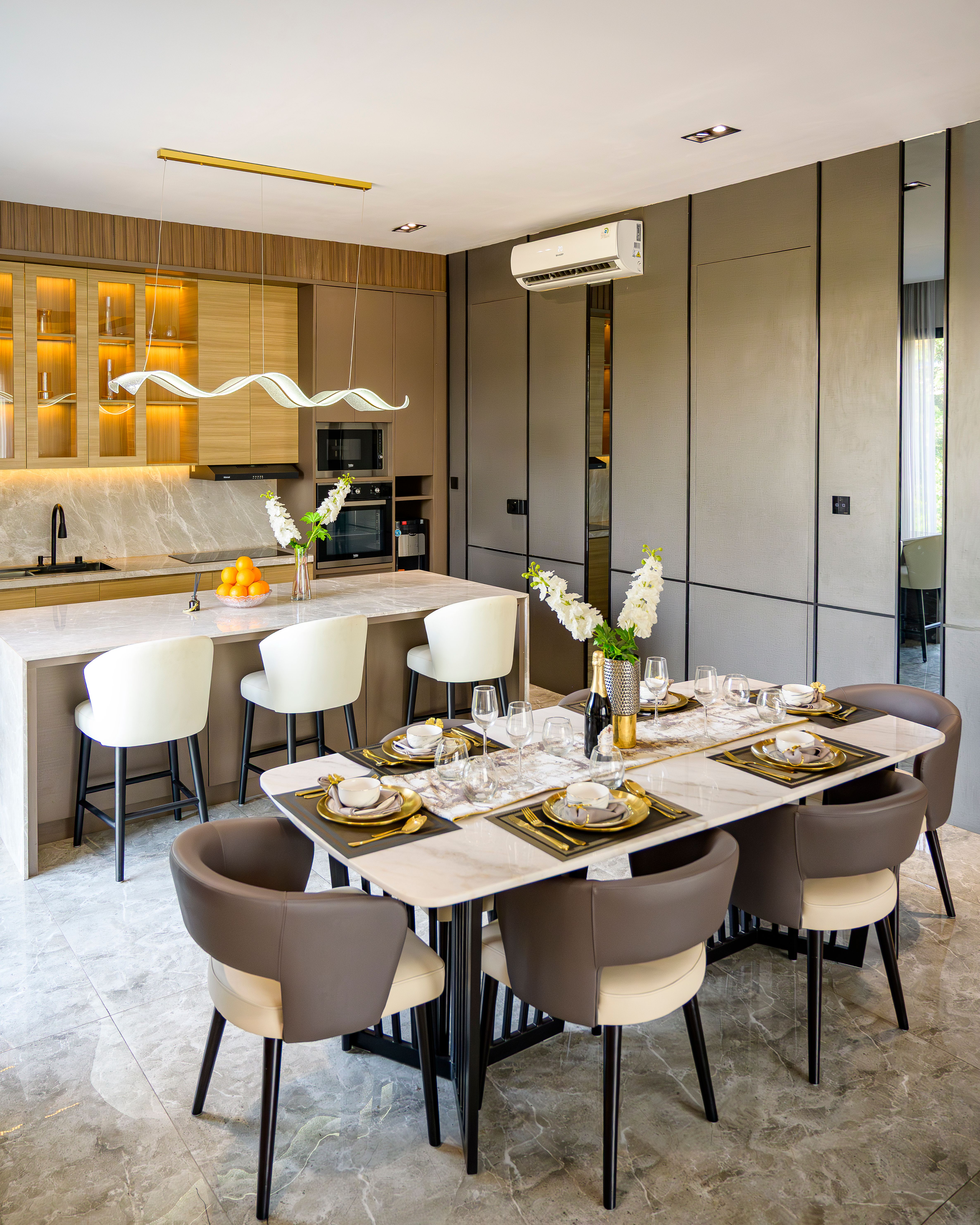
Architects focus on a building's structure, while interior designers optimize the functionality and aesthetics within that shell. While new builds require both, an interior designer is especially vital for Bangladeshi apartments; since structural changes are often restricted, a designer is the key to maximizing the space's potential.
Do your research
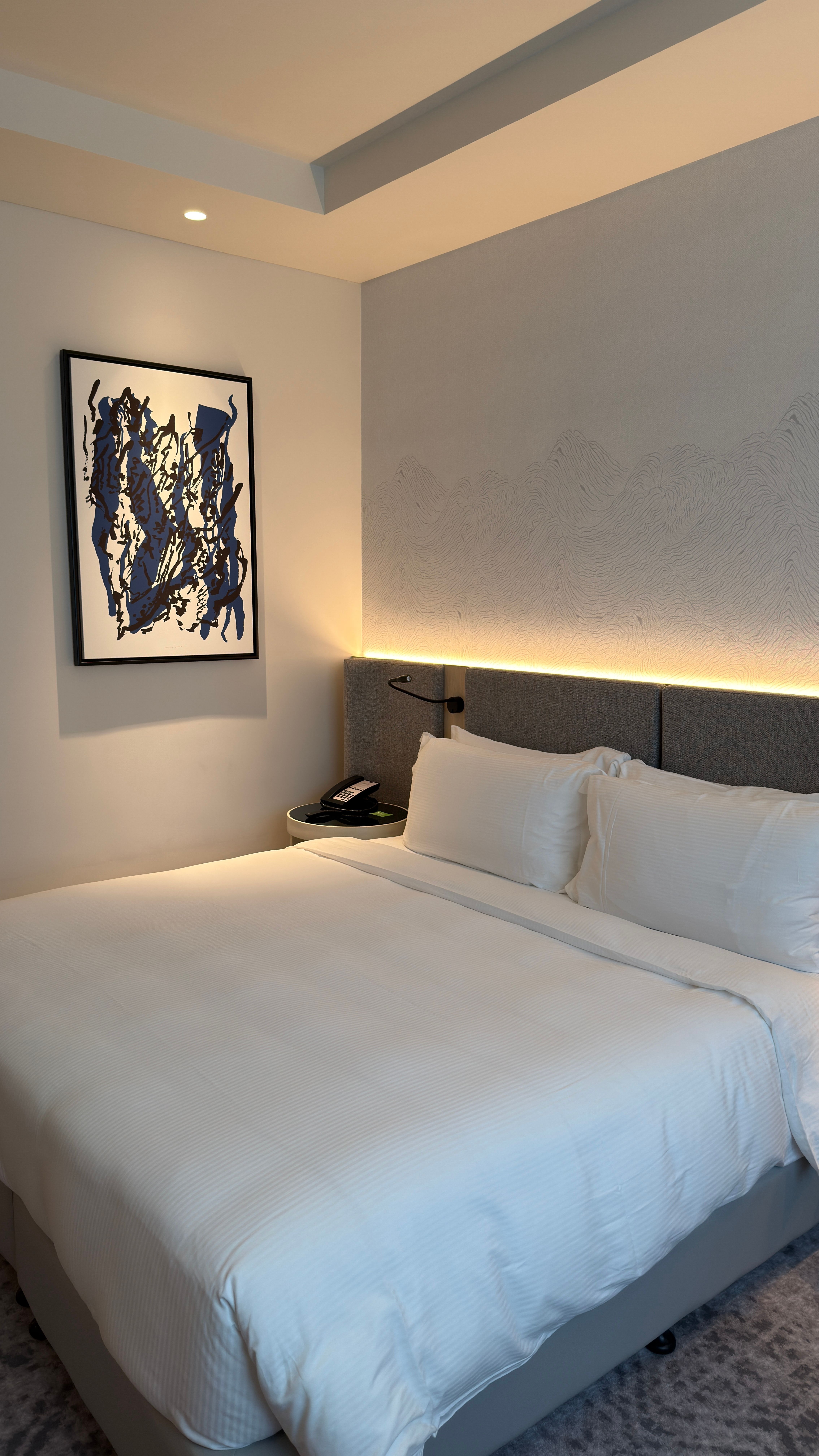
When selecting a design firm, potential clients should look beyond eye-catching social media renderings. While reviewing a portfolio is essential to assess quality, a portfolio often reflects the requirements of previous clients rather than a designer's fixed style.
"The real fit is not about matching styles; it’s about communication, understanding, and how well the designer can translate your needs into a functional space"
The Process, timeline and contract
A successful project requires more than creativity. Homeowners should understand every stage of the process, including concept development, design approval, material selection, construction and final handover.
Delays often occur when clients assume completion dates without discussing realistic timelines. Knowing what to expect reduces frustration and improves communication between all parties.
A detailed contract protects both clients and professionals. Verbal agreements frequently become sources of conflict. A written contract should clearly define the scope of work, project timeline, payment schedule, design revisions, material specifications, procurement responsibilities and completion procedures.
Think beyond trends
Avoid following fleeting global trends that may clash with local lifestyle needs, such as Bangladeshi cooking habits. Instead, prioritize timeless design and durable materials to ensure your home remains practical, functional, and aesthetically pleasing for years to come.
Consider maintenance from day one
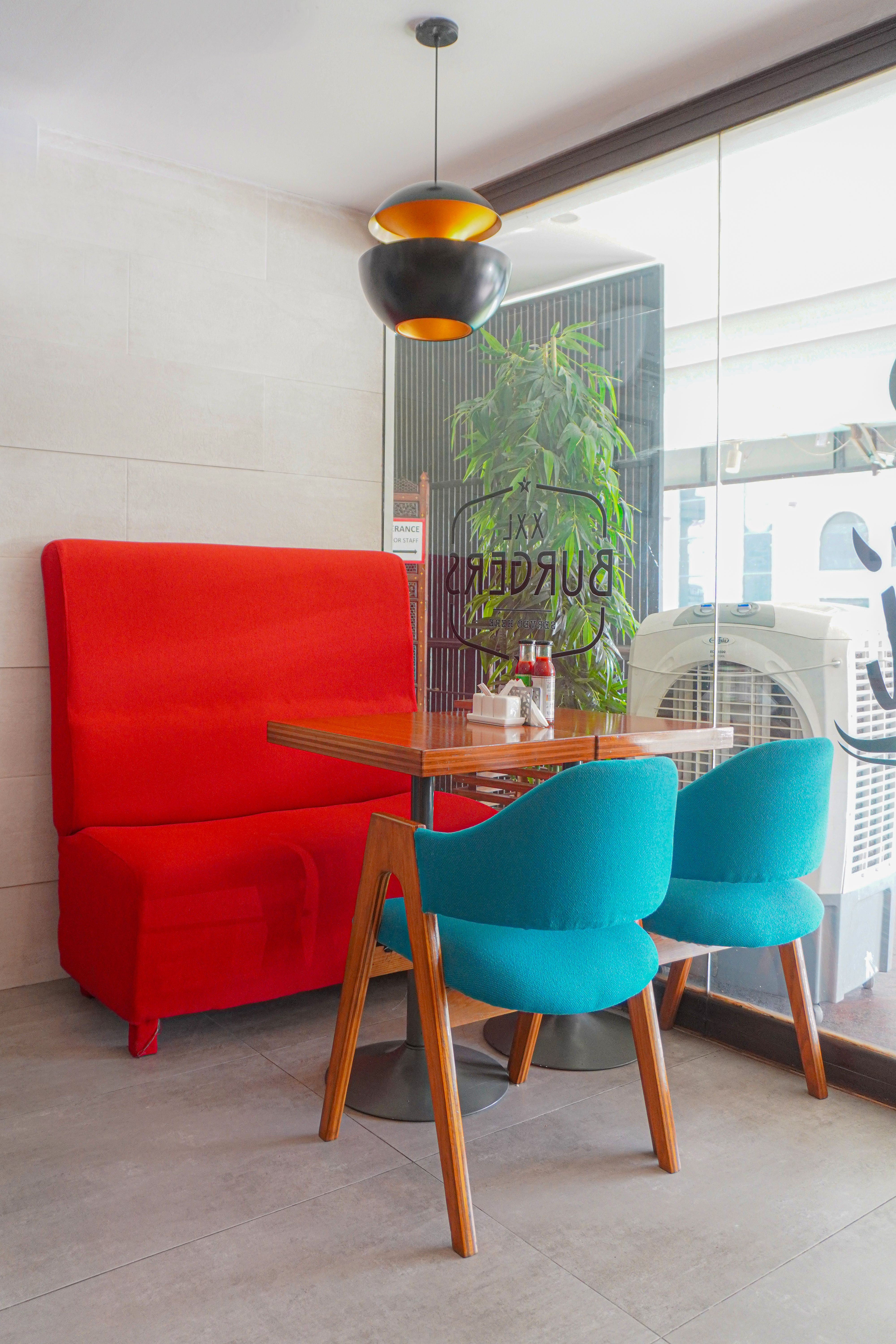
Materials that look impressive in photographs may not perform well in daily life. Before approving any design, homeowners should ask about durability, cleaning requirements, repair costs and replacement availability. A practical material that lasts for years often provides better value than a fashionable alternative requiring constant maintenance.
Plan for the Future
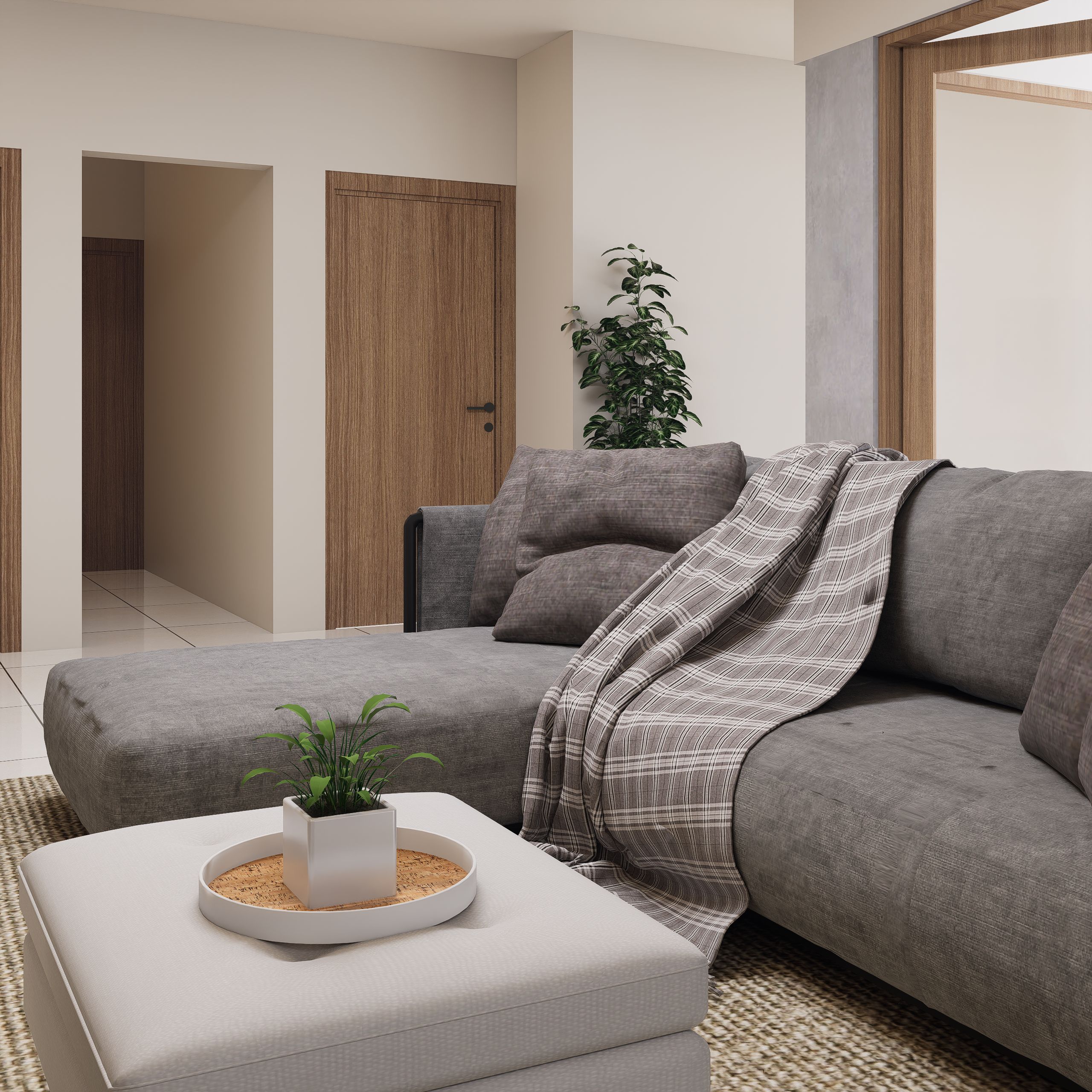
To design a home that lasts, prioritise flexibility by anticipating life changes, such as growing families or remote work, at least five to ten years in advance. A truly successful space balances aesthetics with practicality, favouring durable, low-maintenance materials over those that only look good in photographs. Performance is equally vital, especially in the Bangladeshi climate, where materials must be chosen for their ability to withstand local environmental conditions. By integrating energy-efficient systems and sustainable sourcing, you can create a home that is not only beautiful and functional but also cost-effective and environmentally responsible for years to come.
Expect hiccups along the way
Even well-planned projects face hurdles like supply chain delays or unforeseen site conditions. Overcoming these requires clear communication and trust between the client and the professional. Since design is a meticulous, non-automated process, patience is essential; allowing enough time for proper planning and refinement ultimately prevents costly mistakes and ensures a high-quality result.
 For all latest news, follow The Daily Star's Google News channel.
Comments