


Kichukkhon: Built from the warmth of earth

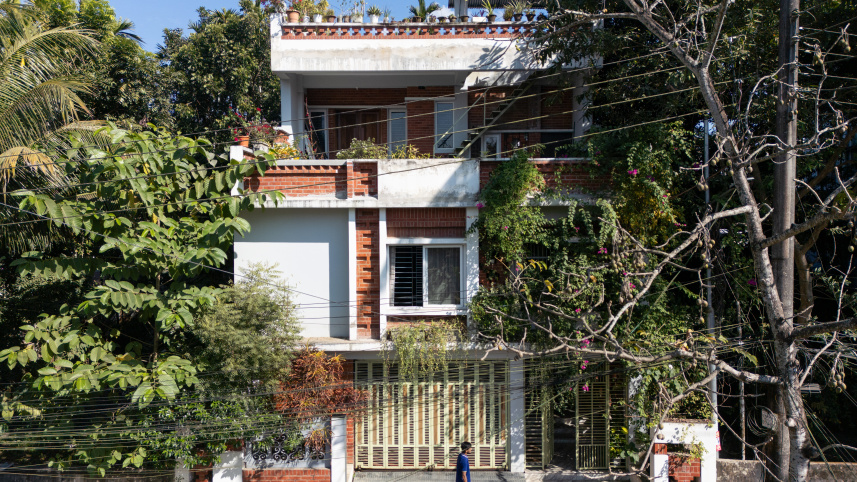
In the dense urban fabric of Sylhet, “Kichukkhon” (A Little While) emerges as an inward-looking sanctuary designed by architect Rajon Das of Kshiti Sthapati. Conceived as a restorative retreat for a physician couple, the triplex residence prioritises privacy and stillness through the aesthetic philosophy of “Shanta Rasa.” By utilising a breathable brick-jali skin and passive design strategies, the project celebrates the warmth of the earth.
The Daily Star (TDS): Could you describe the underlying concept of Kichukkhon and the primary architectural ideas that shaped its identity?
Rajon Das( RD): The concept of Kichukkhon centers on creating an inward-looking sanctuary that ensures privacy and calm within a dense urban context. The project is conceived as a triplex residence where architecture becomes a mediator between daily life and a sense of inner stillness.
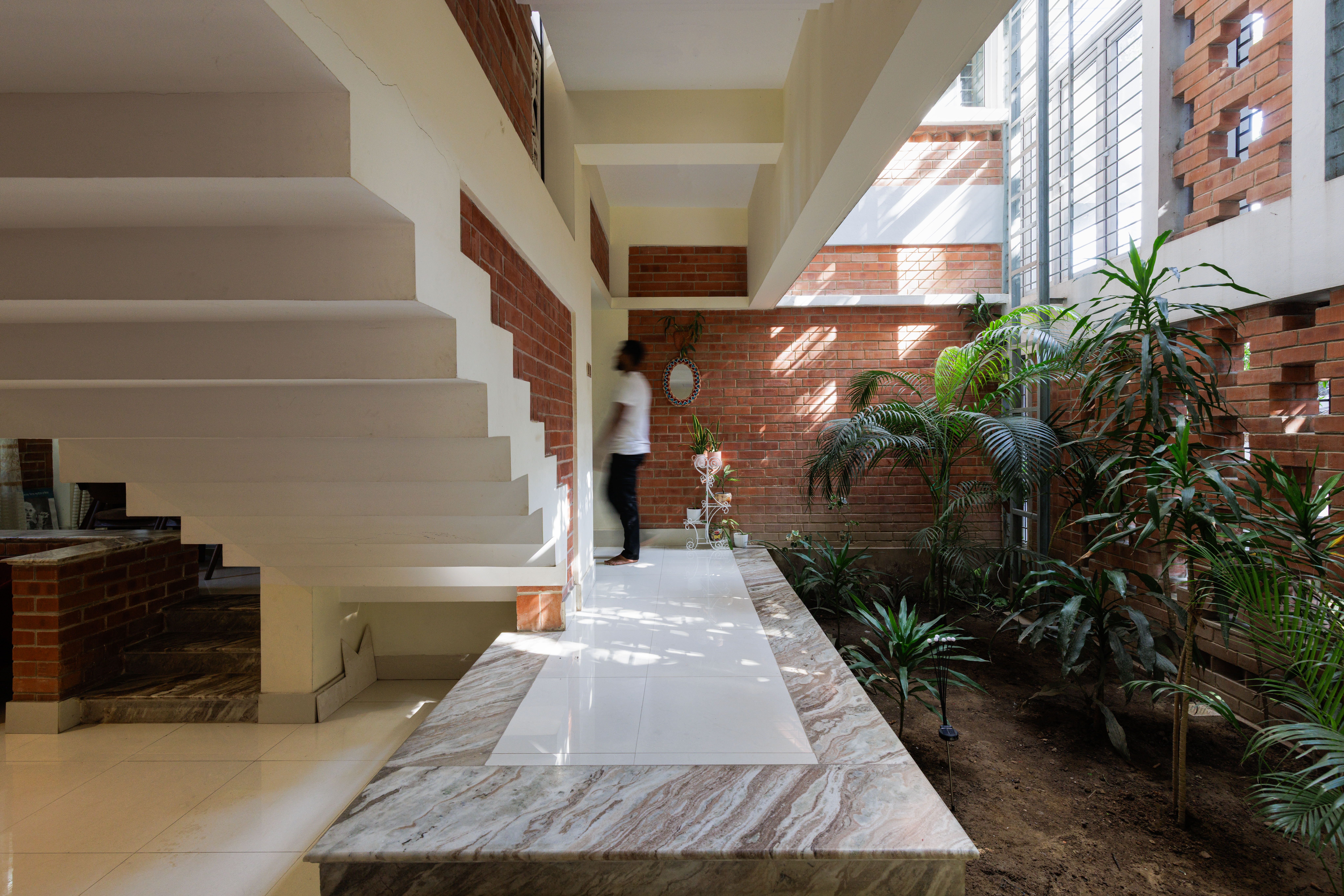
A key architectural idea was to gently dissolve the boundary between inside and outside. Rather than treating nature as external, light, air, greenery, and seasonal change are drawn into the core of the house, making them an active part of everyday living.
Designed for a physician couple in Sylhet, the house functions as a quiet retreat from their demanding professional lives. Spatially, the courtyard, veranda, living, dining, and prayer spaces are arranged as a continuous sequence, encouraging openness, visual connection, and informal interaction while maintaining privacy where needed.

TDS: What prompted you to take the project in this direction, and were there specific personal or cultural influences?
RD: When the client couple first approached me, both busy physicians, their aspirations extended beyond the practical requirements of a residence. The wife expressed a simple yet profound desire: to experience the garden from the living and dining spaces every day, while the husband, an admirer of Lord Buddha, spoke of his need for inner peace. In those conversations, it became evident that they were seeking something more than functionality; they were searching for a way of life shaped by contemplation, culture, and a deeper aesthetic sensibility.
As an architect and cultural activist, I perceived the project as an opportunity to engage with a broader question: how architecture might contribute to the ongoing effort to shape a distinctly Bengali consciousness in art and architecture. In this journey, the project emerged like a stream of rainwater, nourishing and connecting lived experience with cultural memory.
I have long believed that while the intellectual outlook of an artist should be universal, the language of expression must remain rooted in its own soil. Architecture, in particular, gains authenticity when universal ideas are translated through local forms, materials, climate, and cultural references. This project is an attempt to embody that conviction, creating a contemporary dwelling that is at once serene, deeply contextual, and unmistakably rooted in its place. Thus, their home needed to be a regenerative space for quietude and restoration. So, the design draws from Bengal's traditional climate-responsive vernacular, where the home is not just a defensive shelter but a breathable, living organism that embraces the earth and the elements.
 TDS: How did the site and its surrounding context influence the layout and final form of the building?
RD: Located on a constrained 2,340 sft (3.25 Katha) plot on Road No. 02, Hatimbag R/A in Shibgonj, Sylhet, the site is set within a dense, tightly packed urban residential fabric. With open outdoor space being a rare luxury, the house is designed to turn inward, prioritising privacy, light, and a sense of calm.
The house faces west and is organised into three zones along the east–west axis. The front zone forms the Bahir Mahal (outer realm), accommodating a car porch and a caretaker’s room. The rear zone constitutes the more private Andar Mahal (inner realm), housing a bedroom, a kitchen and storage spaces. Between these two zones lies the drawing room, dining space, staircase, and a courtyard that mediates between the inner and outer realms.
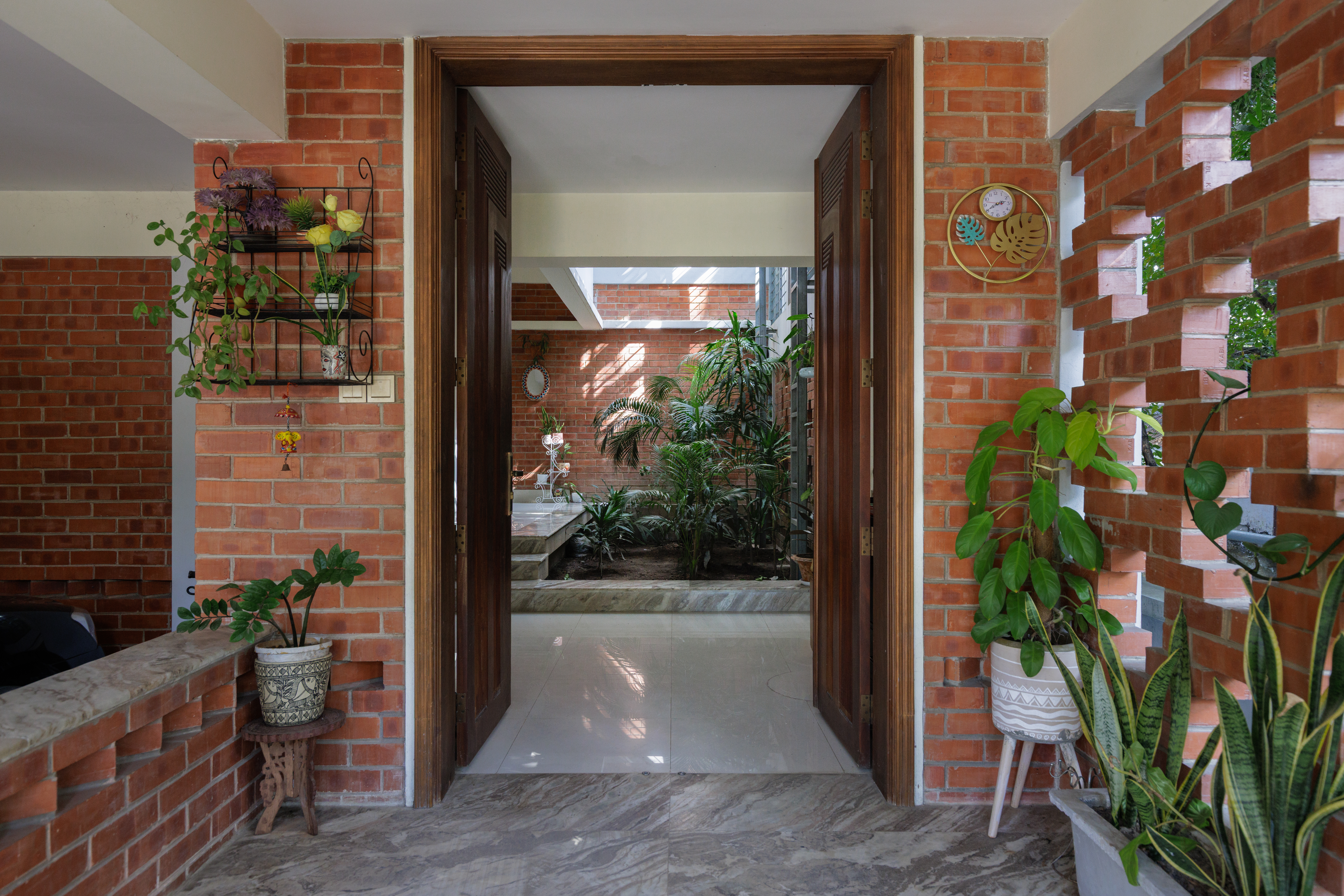
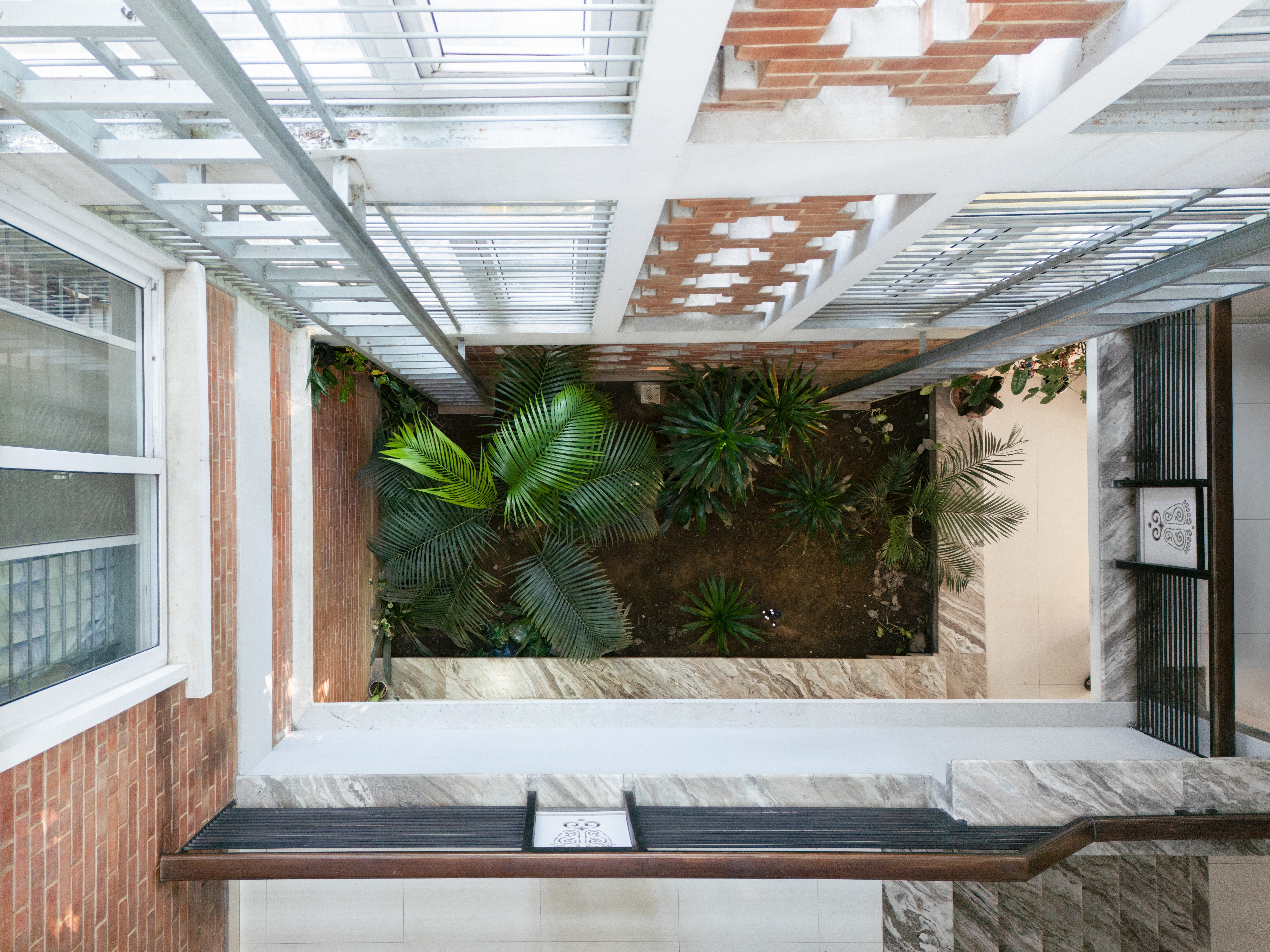
Upon entry, one encounters a small, intimate courtyard (Chotto Uthon) which immediately connects to a double-height living and dining space.
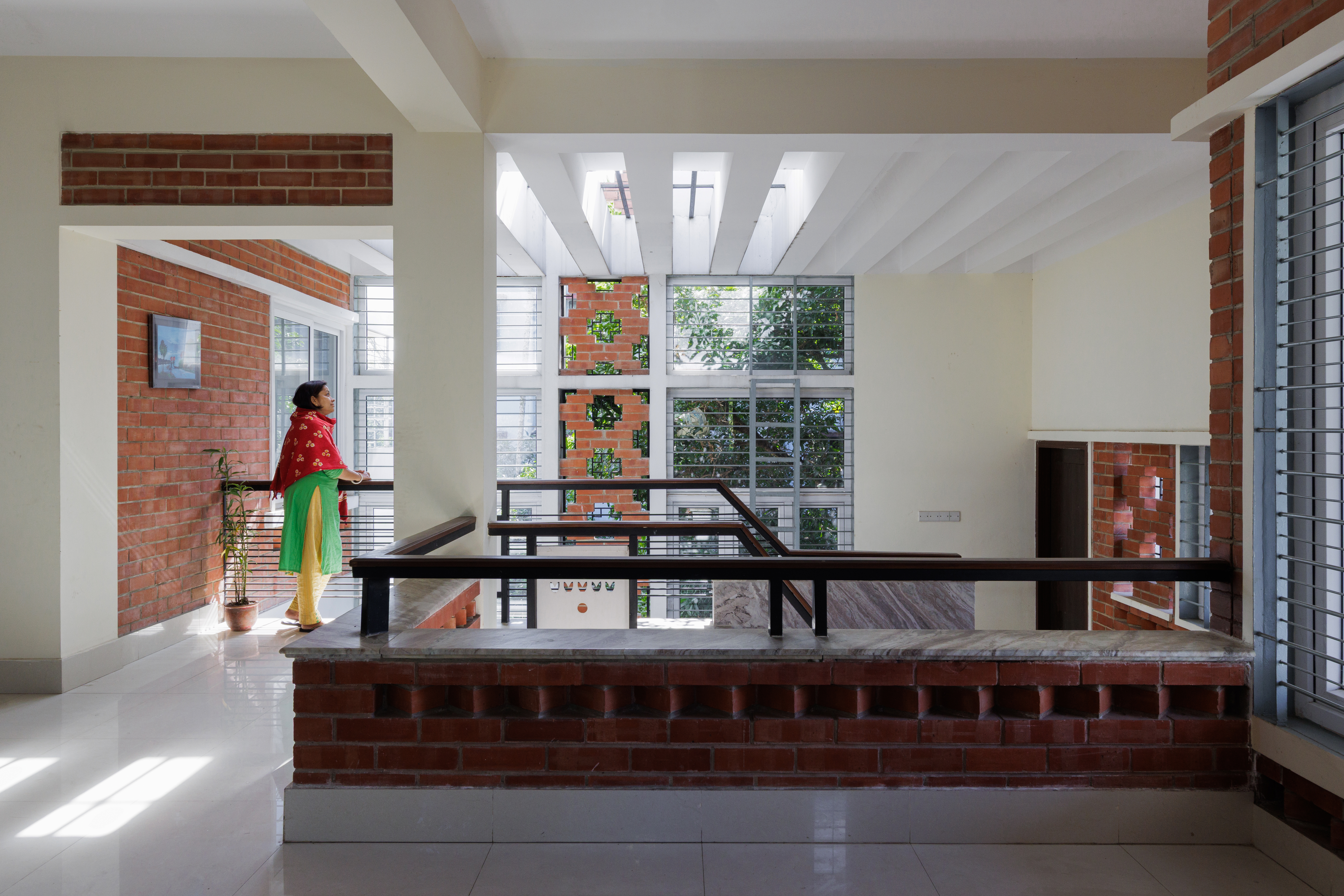
The house is articulated through a sequence of split levels. From the courtyard, a staircase rises to a mezzanine level accommodating the owners’ bedroom with an attached veranda. A further three-foot rise leads to a family living space that includes a prayer area and two child bedrooms. Another three feet upward, an open west-facing terrace unfolds.
Above the terrace, the upper level contains a study area and a meditation space. The roof is conceived as a rooftop garden, extending the relationship between architecture and nature.
The spatial sequence establishes a gradual transition from public to private zones and from active domestic functions to contemplative spaces. The sectional layering reinforces vertical zoning while maintaining continuous visual and environmental connectivity throughout the house.
TDS: Tell us about your material palette. How did you achieve a balance between durability, cost-efficiency, and aesthetic appearance?
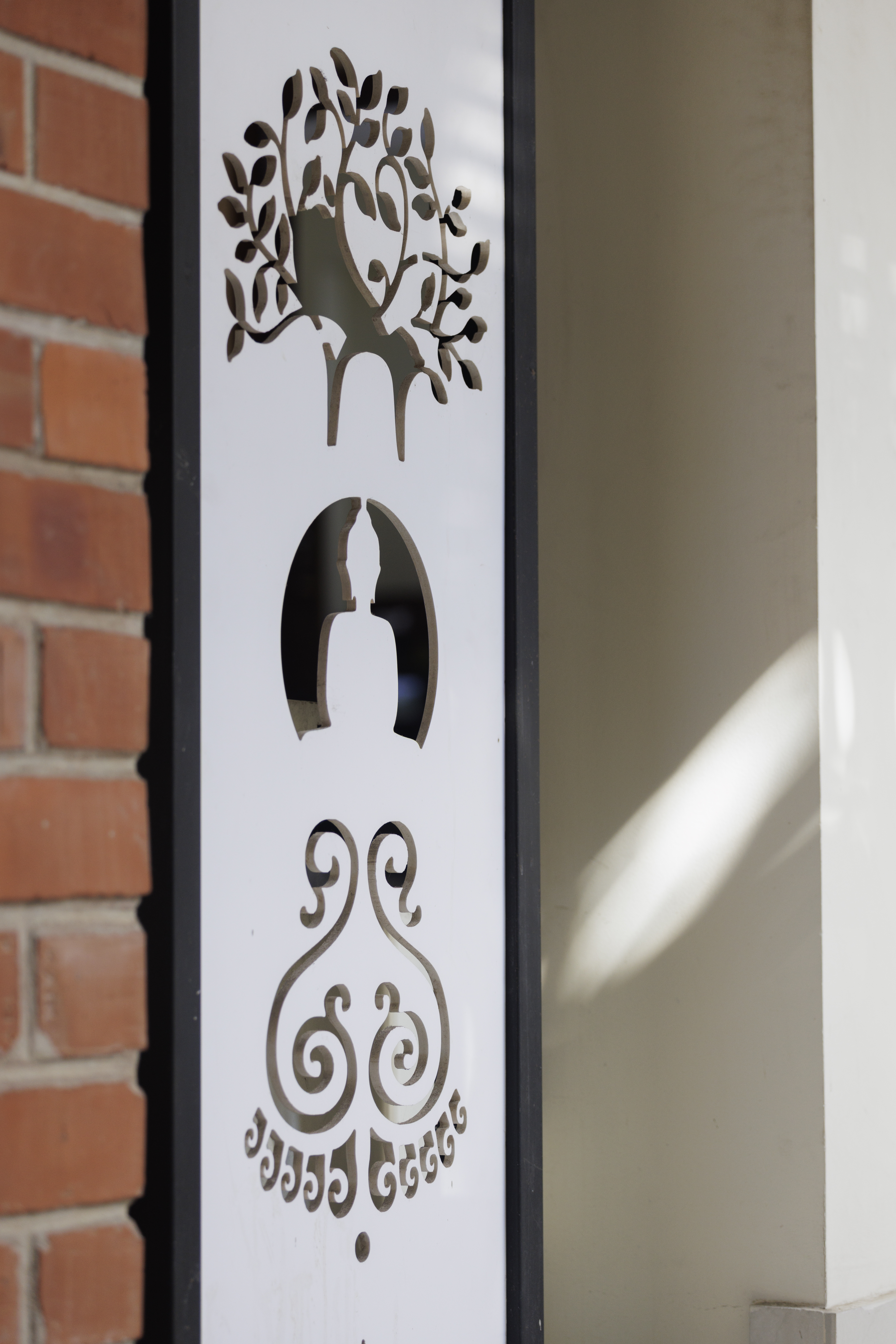
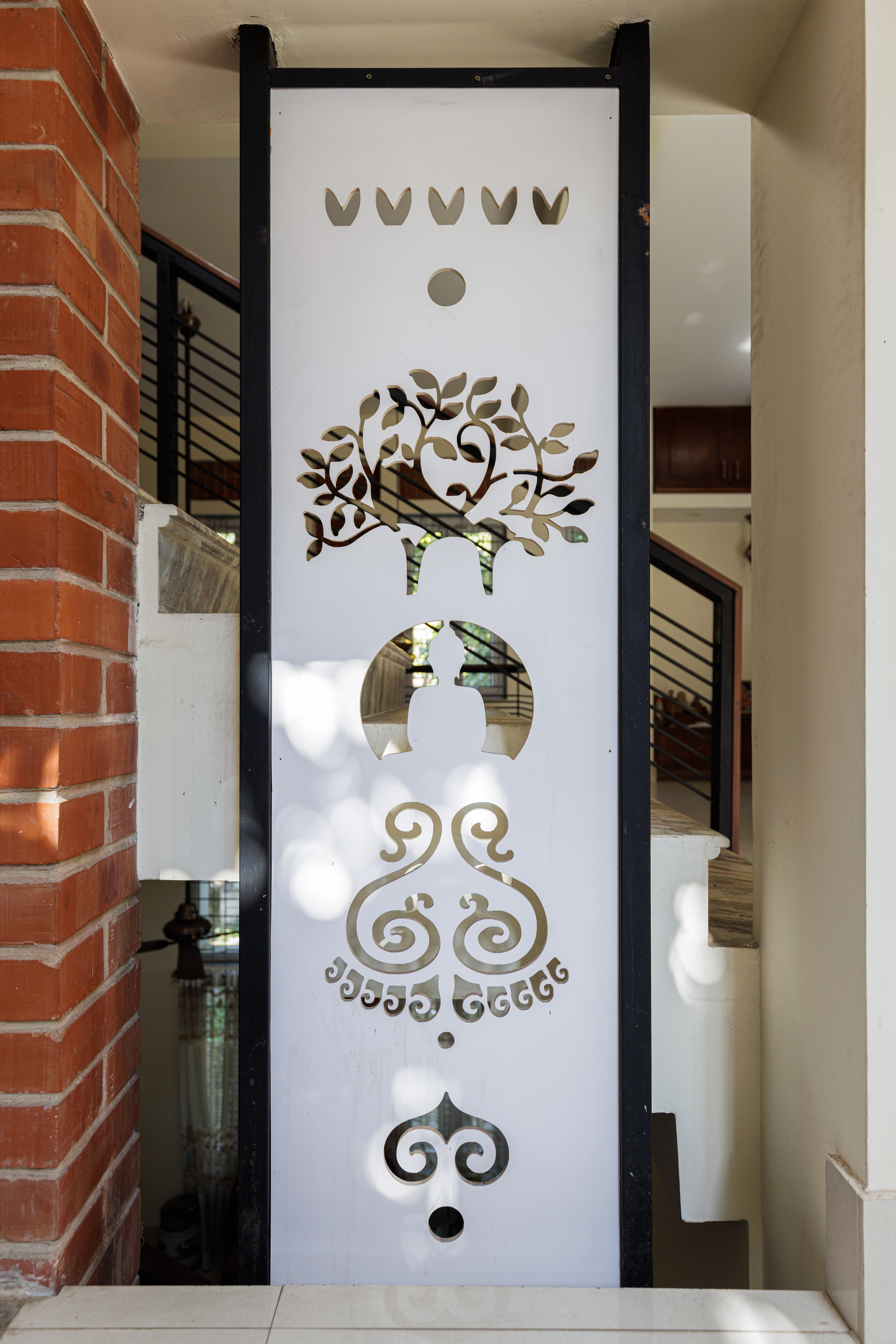
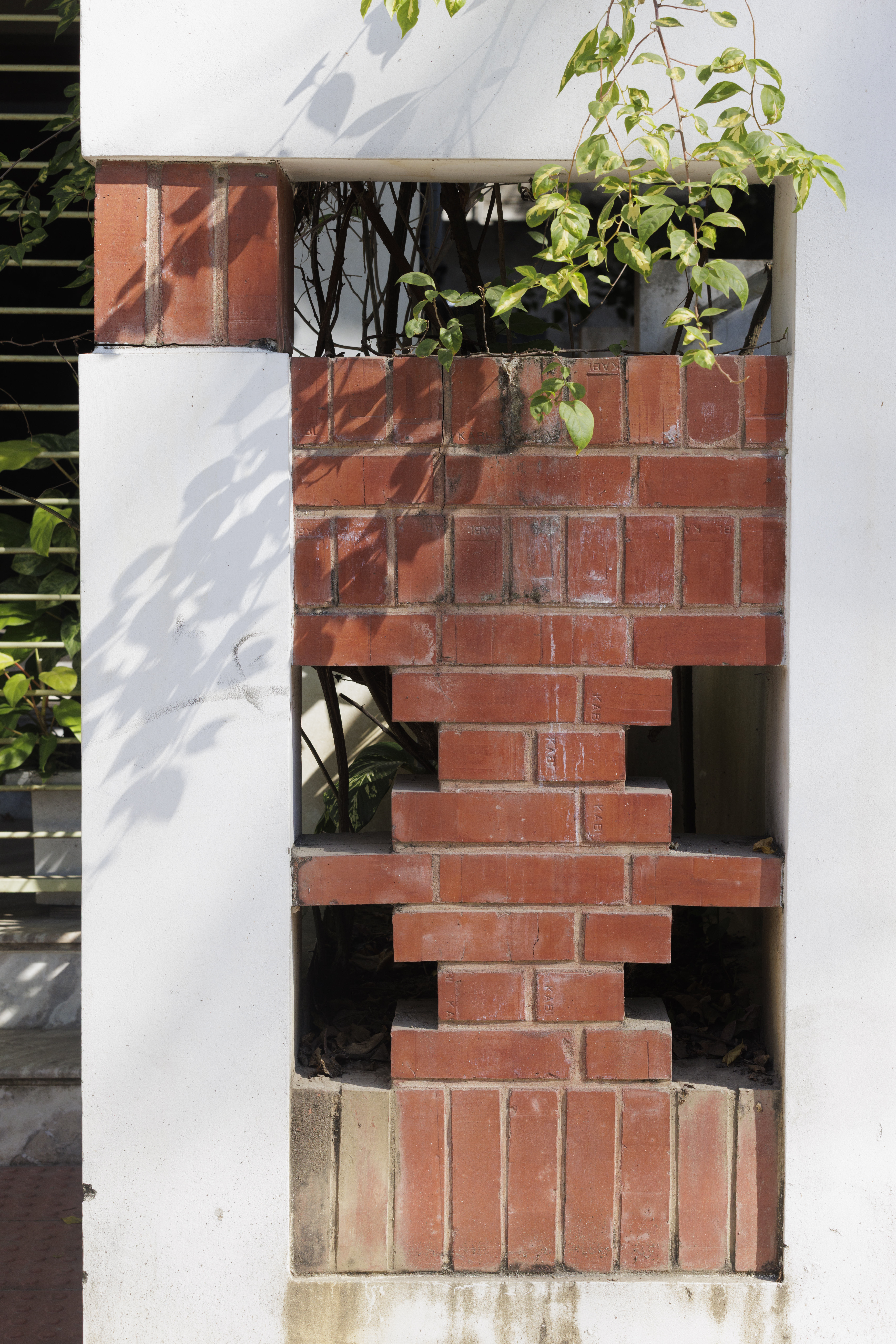
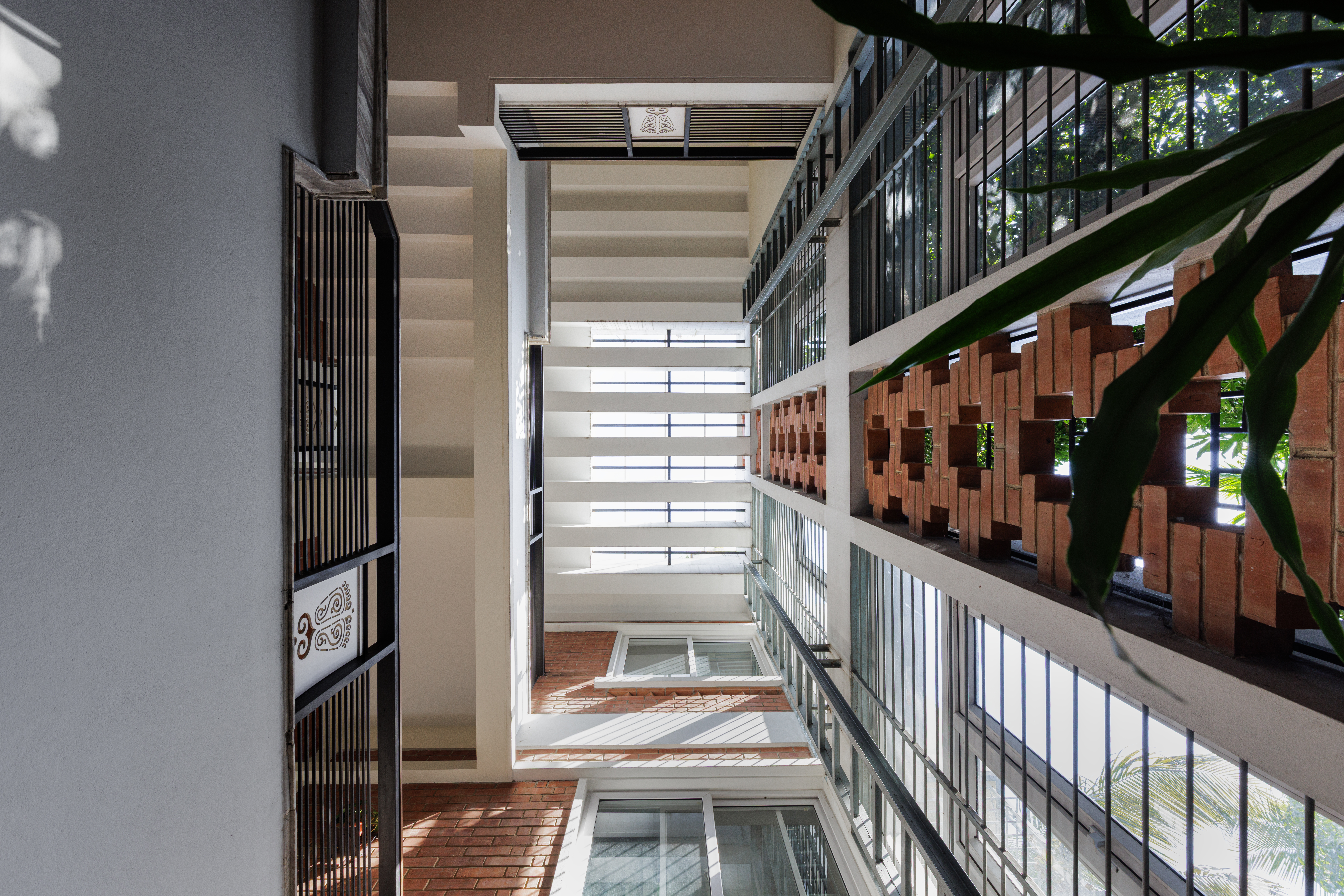
RD: Centring on “Matir Momota” (the warmth of the earth), the design utilises a minimalist palette of exposed brick and concrete. This composite system offers both cost-efficiency and durability against Sylhet’s tropical climate by eliminating the need for secondary finishes. The building’s character is defined by the craftsmanship of rhythmic brick-jali weaving, which transforms local materials into an expressive skin. Inside, wooden Buddhist motifs and traditional jali walls create a spiritual layer, fostering an atmosphere of “Shanta Rasa” the aesthetic philosophy of peace and serenity.
TDS: What were the major technical or regulatory challenges you faced during design and construction, and how were they resolved?
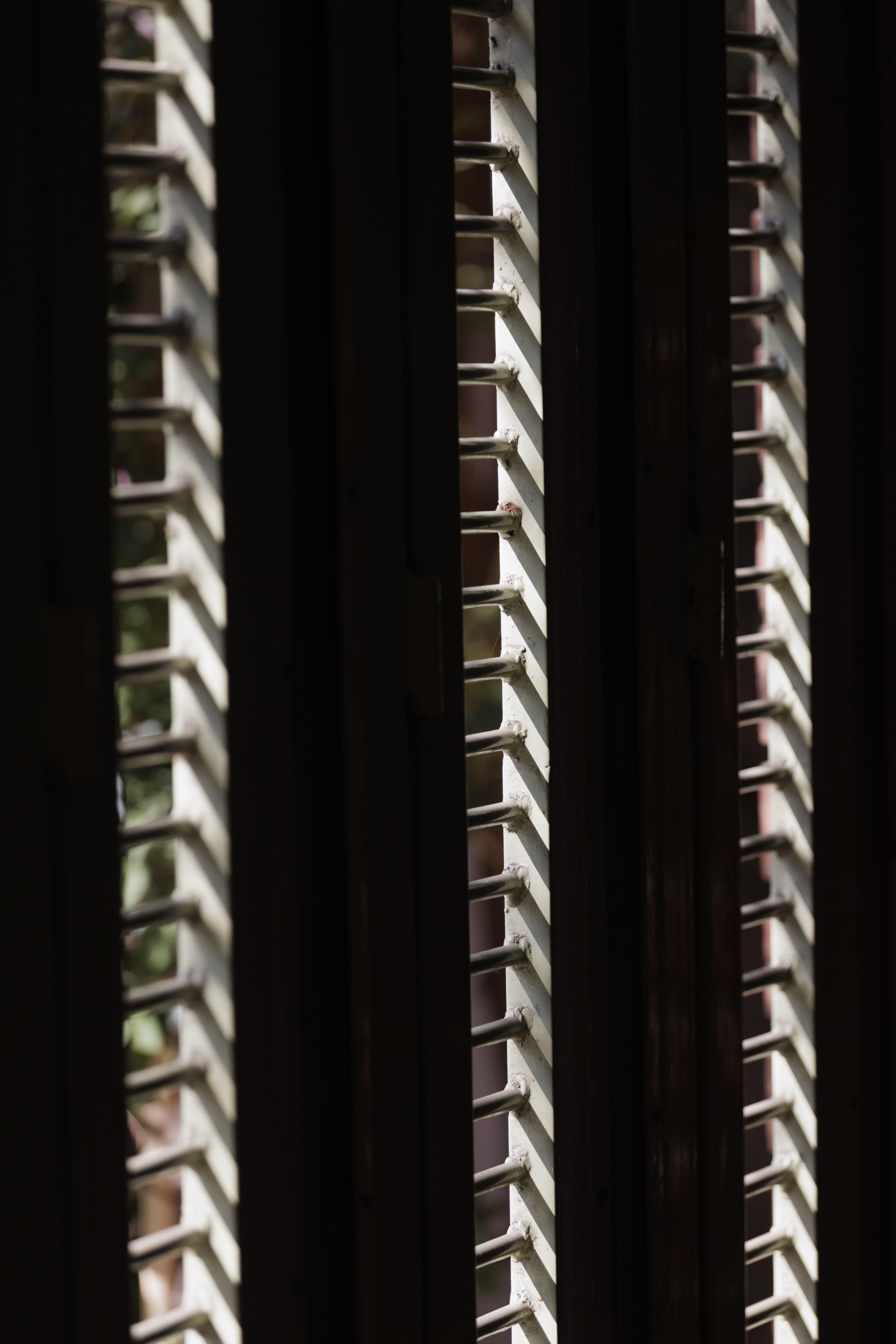
RD: The primary challenge was creating a naturally lit and well-ventilated environment within a compact urban plot while maintaining privacy and thermal comfort. This was addressed through an internal courtyard, double-height living space, and brick-jali screens, which enhance daylight, promote cross-ventilation, and improve passive cooling. Another challenge was coordinating the architectural and structural systems within a constrained footprint.
TDS: As Kichukkhon is read as a narrative piece, how did your experience in filmmaking and storytelling inform the project’s spatial sequencing and atmosphere?
RD: My involvement with filmmaking has made me increasingly aware of the affinity between cinema and architecture. Alongside my architectural practice, I serve as Vice-President of the Moviyana Film Society, one of Bangladesh’s leading film societies. As Peter Greenaway observed, there is a clear analogy between making a film and making a building. Both disciplines choreograph movement, sequence, anticipation, and revelation. In Kichukkhon, I approached space much like a filmmaker approaches narrative, allowing the house to unfold gradually through a series of carefully composed experiences rather than revealing itself all at once.
TDS: How involved were the clients in the process, and how did their input shape the final design?
RD: The clients were deeply involved, not by dictating architectural geometry, but by sharing the core emotional and functional realities of their daily lives. Understanding their exhausting routines as physicians allowed us to prioritise absolute privacy and thermal comfort. Their trust in our design philosophy enabled us to discard typical residential tropes in favour of an unconventional, porous, inward-looking layout.
TDS: Reflecting on the project, what compromises would you avoid?
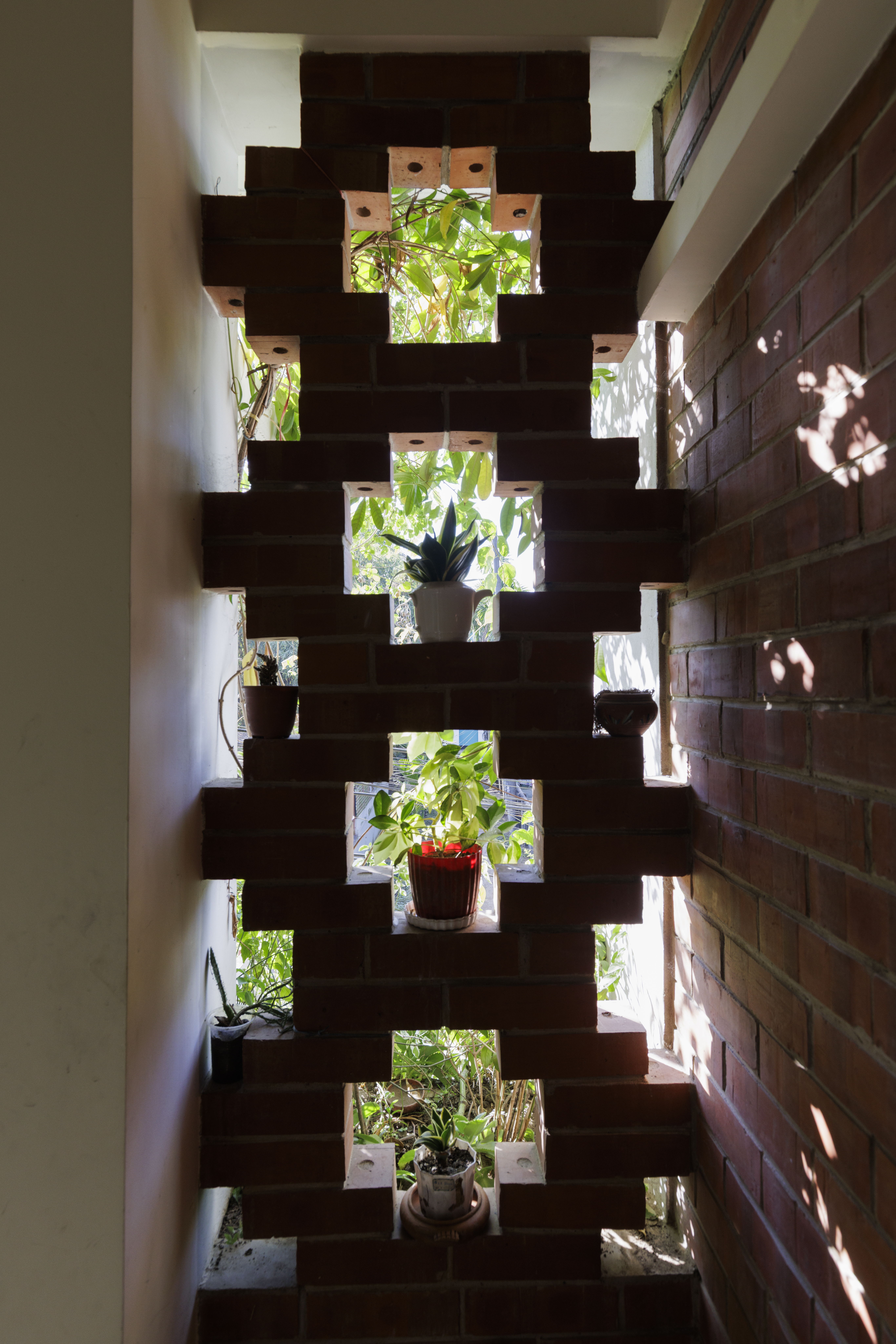
RD: In retrospect, any compromise regarding the allocation of unbuilt volume within a small site must be fiercely resisted. In dense cities, clients are often tempted to maximise every square inch of floor slab. However, ‘Kichukhon’ proves that sacrificing built area to create the double-height volume and internal courtyard is exactly what gives the remaining square footage its true functional and emotional value.
TDS: How does the house engage with the wider neighbourhood and the concept of shared public space?
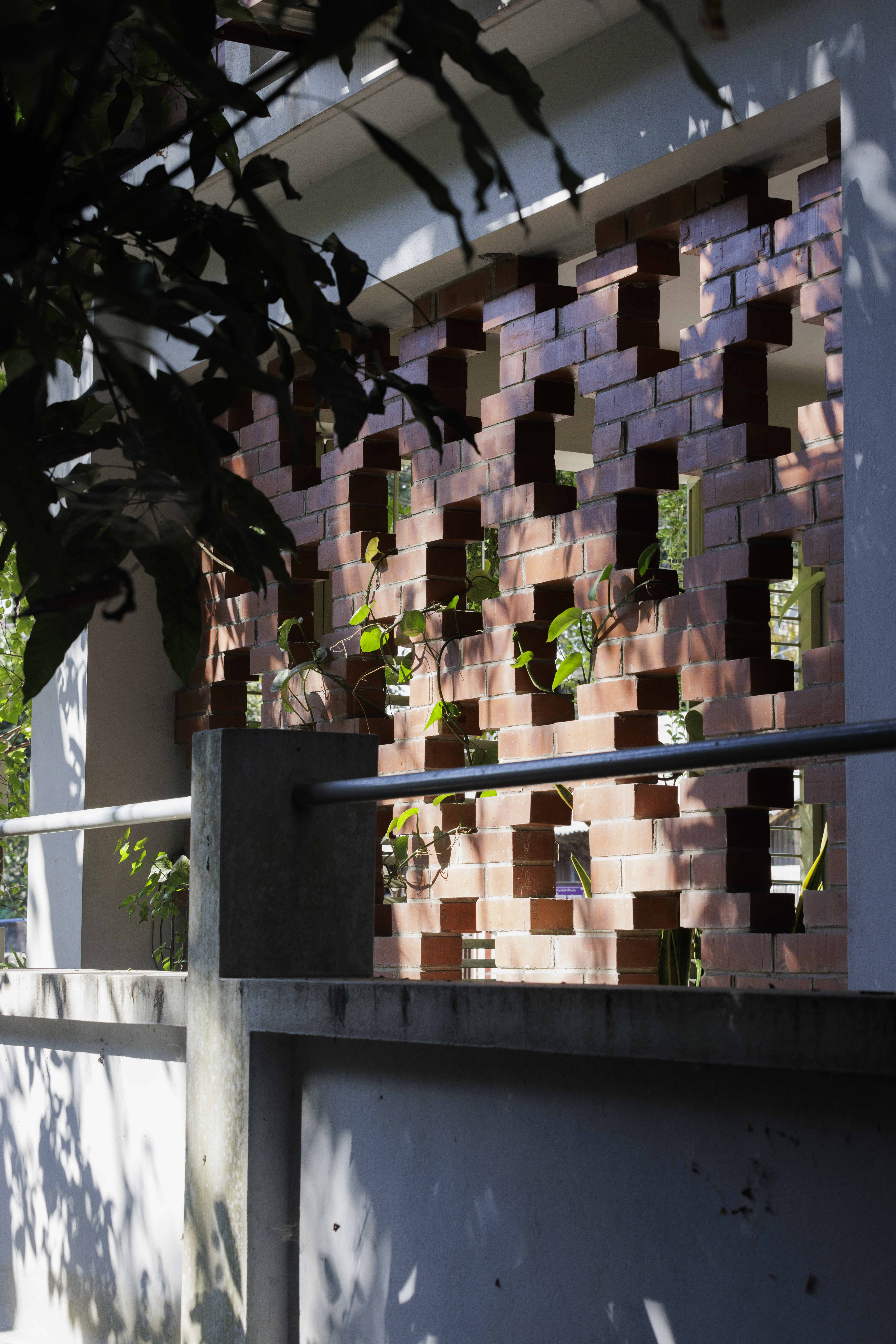
RD: While the house is structurally an inward-looking sanctuary to preserve privacy, it does not hostilely turn its back on the neighbourhood. Instead of a harsh, blank boundary wall or a completely sealed concrete barrier, the brick-jali facade acts as a soft, permeable interface. At night, the internal light glowing through the brick perforations softly illuminates the street alley, transforming the private residence into a warm, gentle beacon that visually enriches the shared public fabric of Hatimbag R/A.
Kichukkhon
• Location of the project: Road No-02, Hatimbag R/A, Shibgonj, Sylhet.
• Size: Total Floor Area is 3,472 sft, situated on a total site area of 2,340 sft (3.25 Katha).
• Type: Triplex Residential Building.
• Year of completion: 2023.
• Owner’s Name: Dr. Malay Sur Chowdhury & Dr. Sudipta Gope
• Practice Name: KSHITI STHAPATI
• Principal Architect: Rajon Das
• Design Team: Amitava Debnath & Khukon Chandra Mazumder
• Photos: Mehedi Hasan Junaid
TDS: What considerations were made regarding environmental sustainability and the practicalities of long-term maintenance?
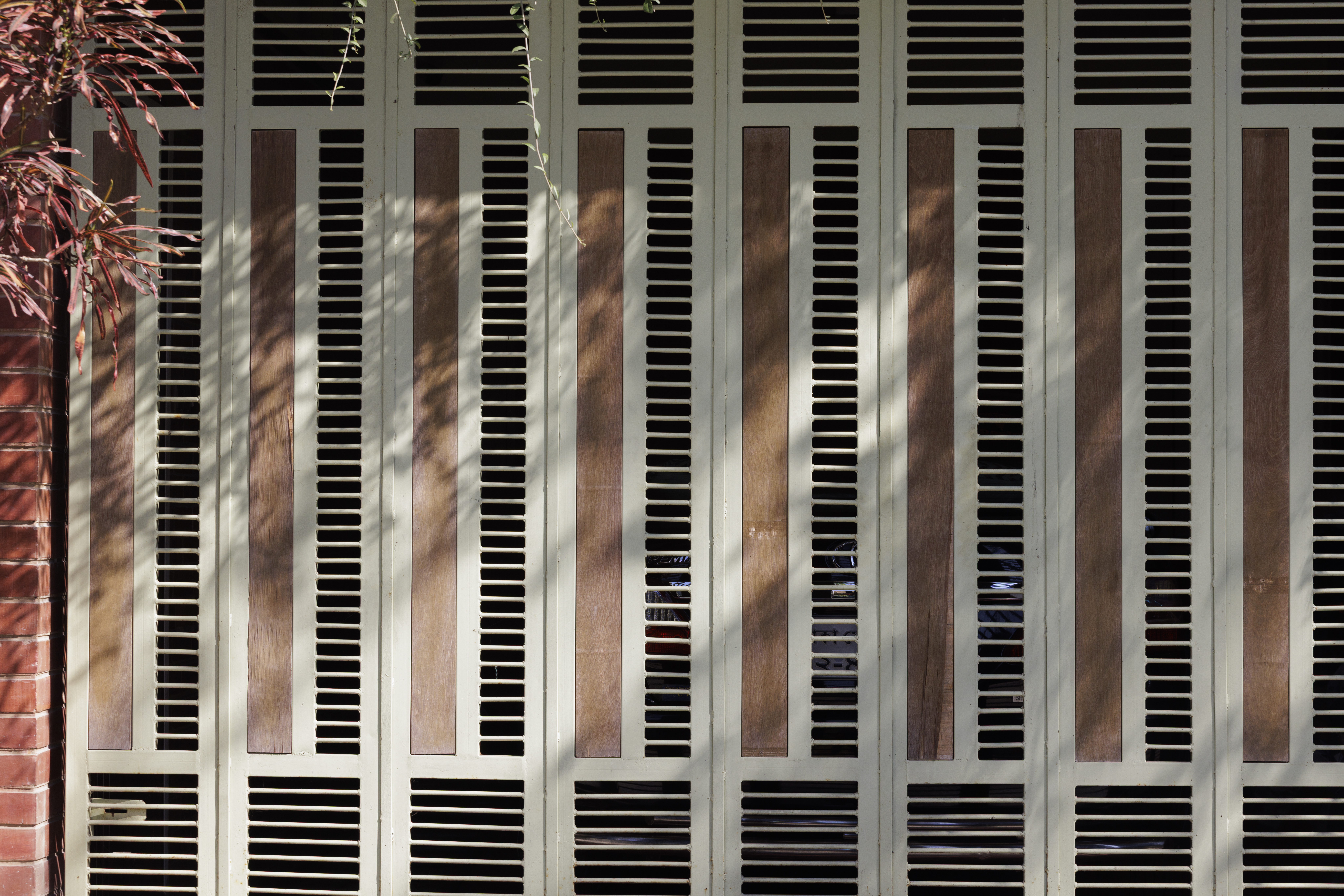
RD: Focused on passive strategies rather than active systems, the design is tailored to Sylhet’s tropical climate. Rhythmic brick jail integrated into the courtyard, balconies, and parapets acts as a breathable skin, enhancing natural ventilation and light while maintaining visual permeability.
A passive thermally insulated roof system has been introduced using inverted terracotta pots placed over the roof surface. This configuration creates an insulating air layer that reduces heat gain and minimises thermal transfer. Given the building’s brick-faced character, rain protection and solar control are addressed through multiple integrated layers. Rain shades are introduced at each floor level, while sunshades at window lintel heights reduce direct solar exposure and protect the façade from intense monsoon weathering.
The building operates entirely without air conditioning. Instead, thermal comfort is achieved through passive design strategies, careful material selection, and climate-responsive detailing.
TDS: What systemic issues in local architectural practice did the realisation of Kichukkhon expose?
RD: Kichukkhon challenges the misconception that quality living depends on expensive imported materials or large plots, and highlights the common tendency to prioritise maximum floor area over spatial quality, light, and ventilation. It also underscores the importance of an integrated design approach, where architectural, structural, electrical, and plumbing systems are coordinated for efficient high-density urban living.
Beyond its own realisation, the project has also encouraged local practitioners in Sylhet to reflect on their context and explore architecture rooted in regional climate, culture, and traditional building techniques.
TDS: What lessons from this project would you pass on to young Bangladeshi architects aiming to create socially engaged and impactful work?
RD: The most vital lesson is that architecture is not merely a composition of brick, concrete, and geometry; it is a narrative of everyday human life. Rather than chasing superficial trends, they should find strength in local materials, respond sensitively to the tropical climate, and design spaces that nurture human well-being, restoration, and peace. Equally important is to engage with the rich cultural and architectural heritage of Bengal—not by replicating historic forms, but by reinterpreting their climatic wisdom, spatial values, and human scale within contemporary architecture.
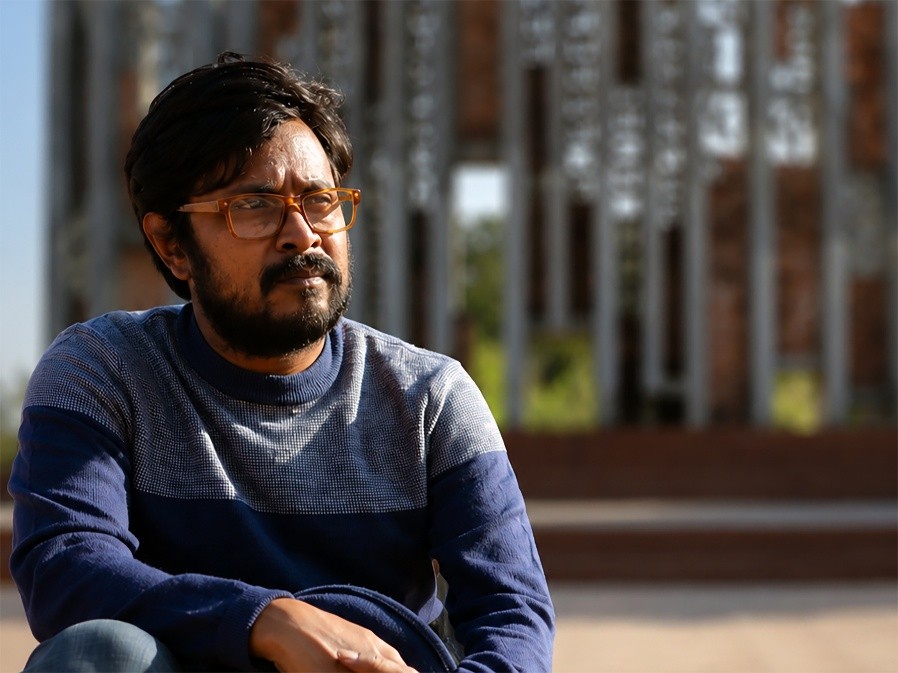
Rajon Das graduated from Bangladesh University of Engineering and Technology (BUET) in 2006 and founded his architectural practice, Kshiti Sthapati, in Sylhet in 2008. Alongside his professional practice, he was actively involved in architectural education at Leading University, Sylhet. His architectural approach centers on reviving vernacular design elements and reflecting the socio-cultural identity of the Sylhet region in northeastern Bangladesh. Guided by the local microclimate and an emphasis on affordability, he often incorporates pitched roofs as a defining structural and climatic feature in residential architecture.
Interview conducted by Adrin Sarwar.
 For all latest news, follow The Daily Star's Google News channel.
Comments